How to Beef Up Your Wine, or Vice Versa
Forget the French Paradox—this isn't a debate about whether red wine is healthy with meat. Instead, we're here to share a few simple tips to help you choose the right wine for your beef dish and enjoy the full gastronomic pleasure of a great pairing.
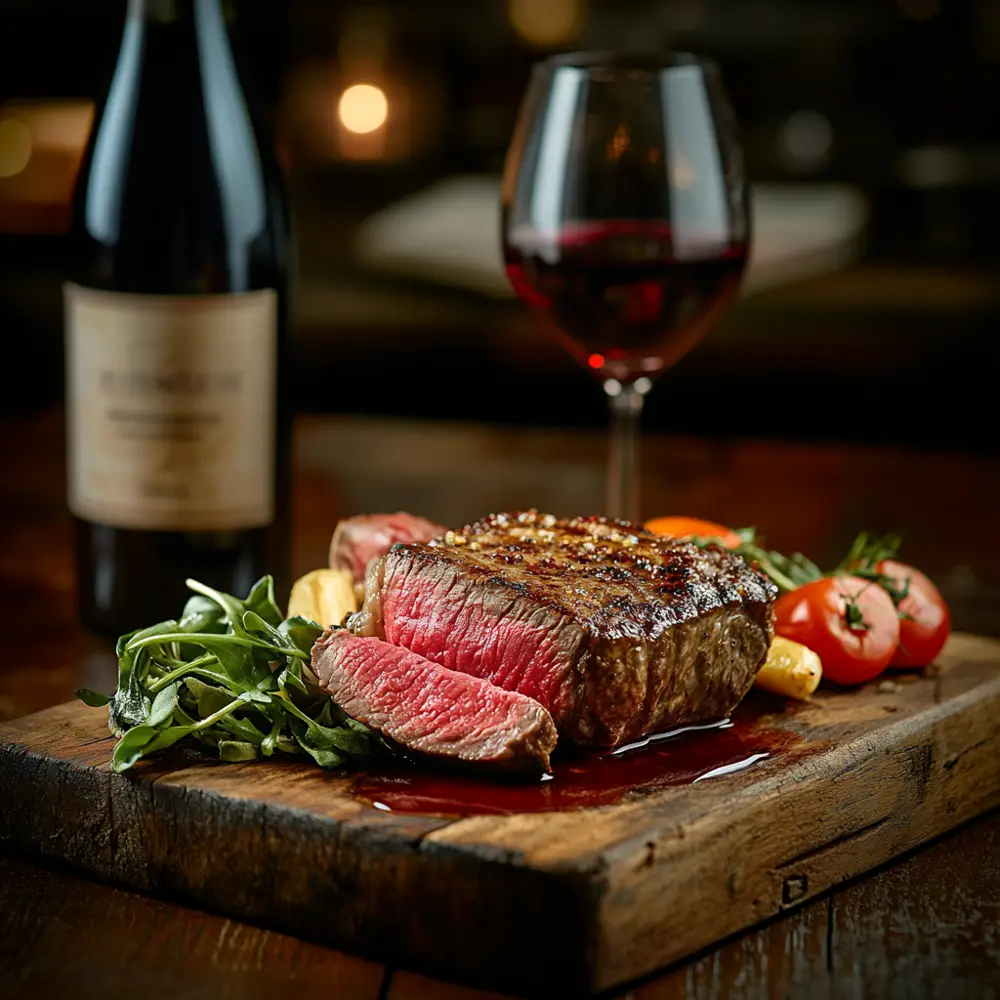
Pairing wine with meat is a classic, and we all know how much a proper wine paired with stew and steak can elevate a gastronomic gathering. There are a few things to take into account when working on the perfect match.
It is crucial to understand the interplay between the characteristics of wine and the components of beef dishes, such as tannins, spices, and fat content, to make sure everything runs smoothly when you prepare dinner for friends or family. We have put together a few key points to bear in mind.
Start with Balance
Balance. This should be the main goal when pairing beef with wine. Finding the best match between the richness of the meat and the structure of the flavors in your wine is the point to start from.
Usually, when it comes to beef and wine pairings, one automatically thinks of red wines as they are heavier, provide a decent tannic structure, and offer amazing complementary flavor profiles compared to their white counterparts. Still, one has to adapt the wine choice based on the beef cut, the preparation method, and also the sauces or spices that come into play.
Understanding Tannins and Their Role
Let's continue with the tannins. They are part of a larger group of compounds called polyphenols. These are naturally found in different parts of the grapes, such as in the grape skins, the seeds, and the stems, but can also be found in barrels where the wines are aged.
They are the reason for the astringent mouthfeel and add structure to the red wines. Normally, they need fat and protein to bind to. When red wine is drunk by itself, the only proteins available are in your saliva, hence the reduced lubrication and the harsh mouthfeel.
When paired with beef, tannins have another surface they can play around with, hence the smoothing effect of the wine. Like this, the fruit and spice flavours will get into the spotlight.
Choosing Wine by Beef Cut
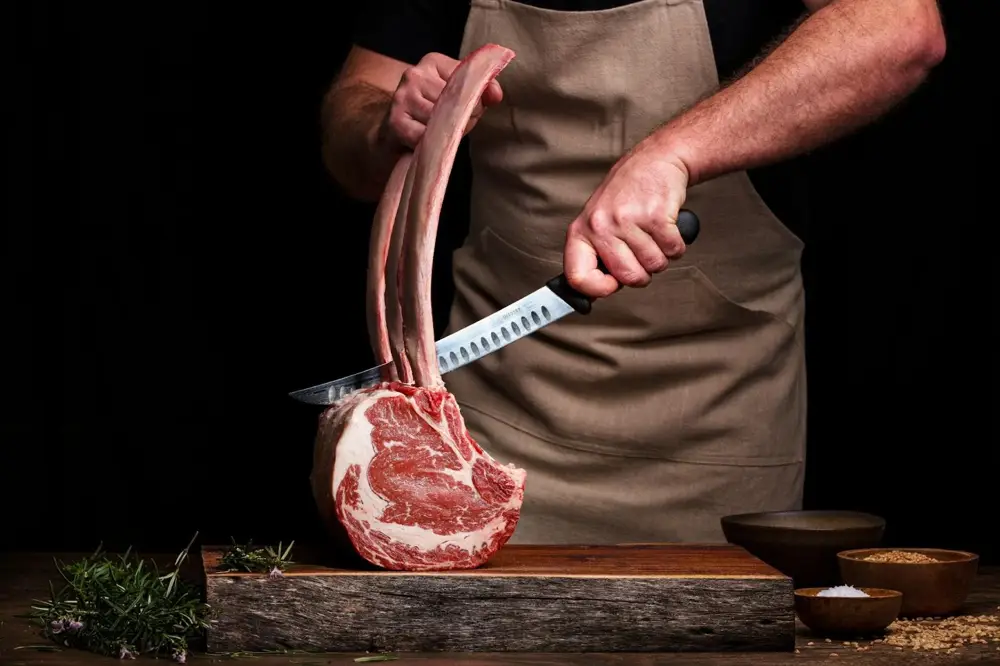
High-Tannin Reds for Rich, Marbled Cuts
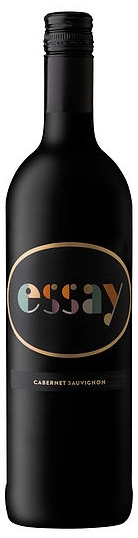
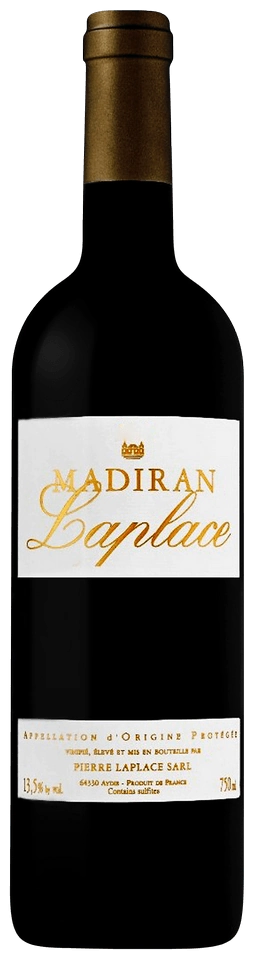
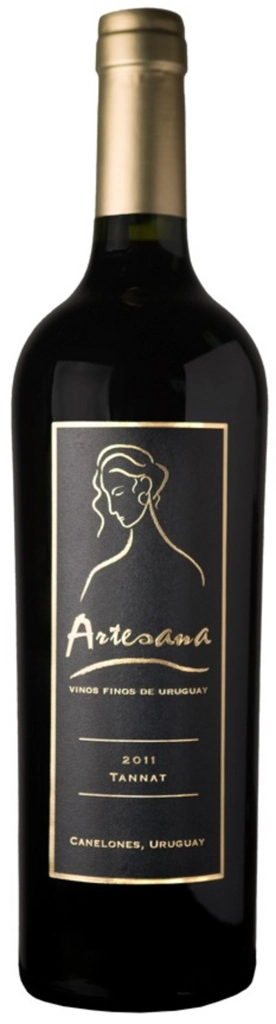
Watch out for the thick-skinned grape varieties such as Cabernet Sauvignon or Tannat. They are well known for their biting tannic structure, with Cab Sauvignon providing more of the red fruit components and Tannat being pretty rustic, just perfect for a ribeye or T-bone steak. The tannins help cut the richness of the meat, cleansing the palate between bites.
Softer Reds for Leaner Cuts
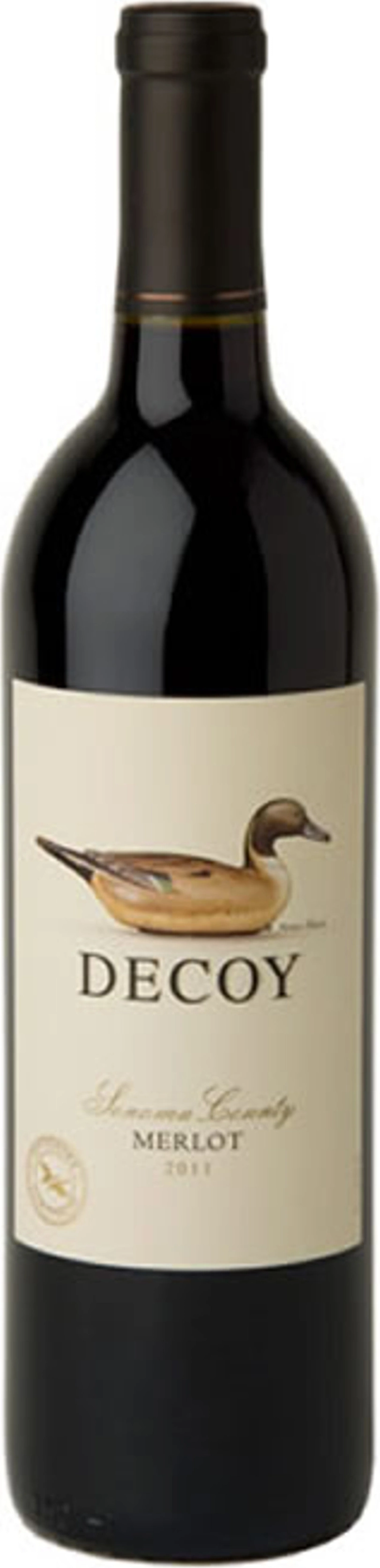
Wines like Merlot or Zinfandel are softer in their tannic structure, putting their focus on a rather fruit-driven profile, which works amazingly with some leaner cuts like sirloin or tenderloin. Their balanced structure complements the meat without overpowering it.
Consider the Sauce and Spices
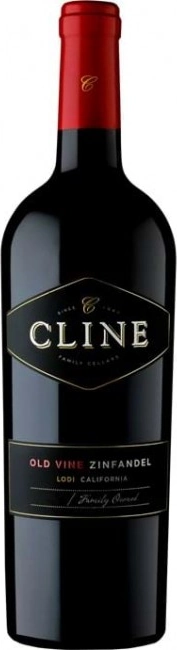
Spices and seasonings are crucial when being in the search for the perfect wine pairing. So the bolder a steak is spiced, let's say with a pepper-crust, or you want to serve a spicy beef stew, pick a spicy wine that can stand up to the intensity without clashing.
Syrah/Shiraz
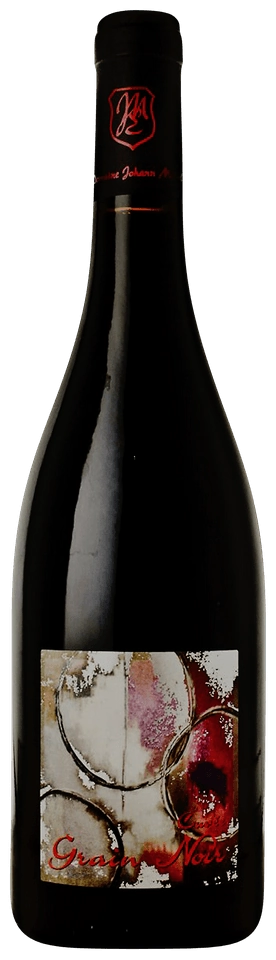
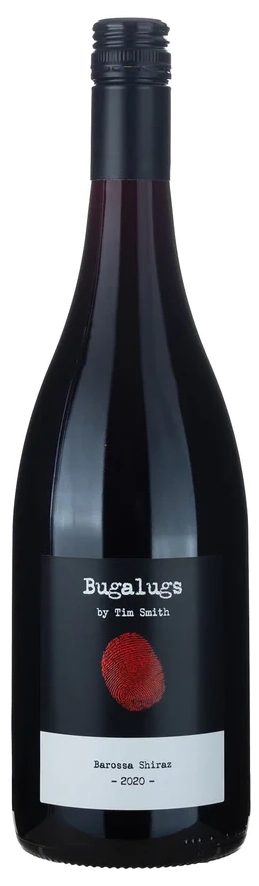
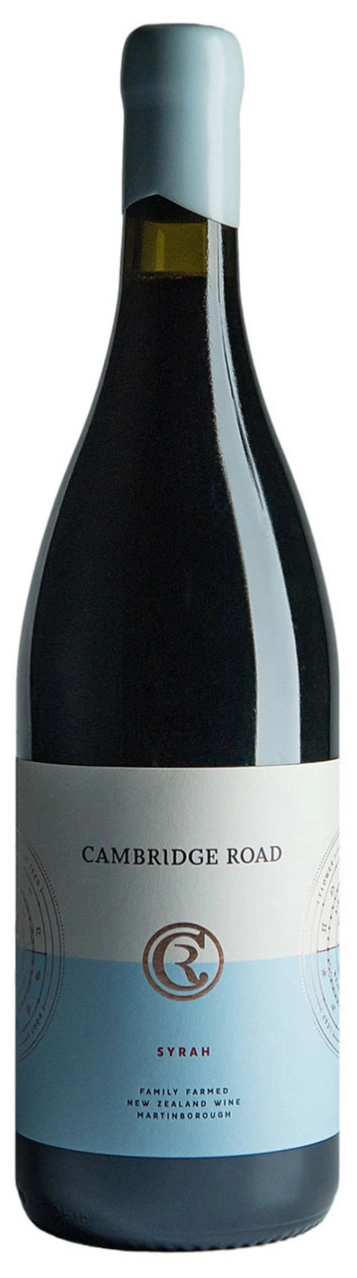
This grape variety is well known for the high proportion of rotundone, a sesquiterpene causing this very certain peppery character in the wines of Syrah/Shiraz. Depending on the region of origin and the production method, this grape can make wines on the herbal spicy side or also bolder, fuller-bodied examples, enhancing the flavors of your meat dish without being overshadowed.
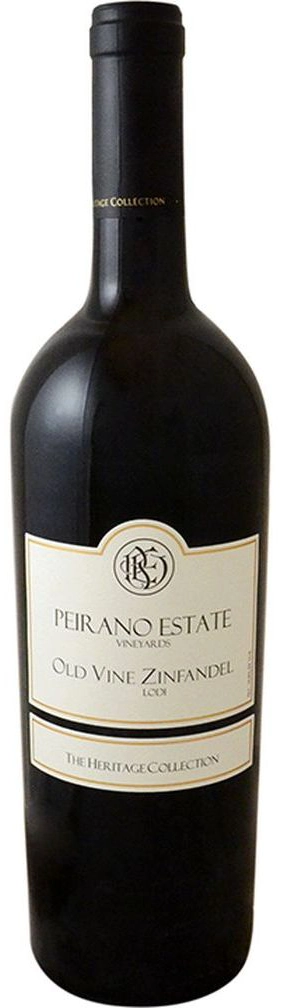
Zinfandel
Zinfandel is an amazing grape that is also known as Primitivo in Italy. It brings ripe fruit flavours with a hint of spice, and by this means, it is a suitable match for barbecued beef or dishes with smoky, spicy sauces.
Balancing Richness
When we get more richness from the meat, by having chosen a fatty cut of beef, it is not simply a richness, but the downside would be the coating of your palate, and by this means, muting subsequent tastes. Wines with a dominance in acid and tannin structure can cut through this richness and lead to an almost palate-cleansing, refreshing experience.
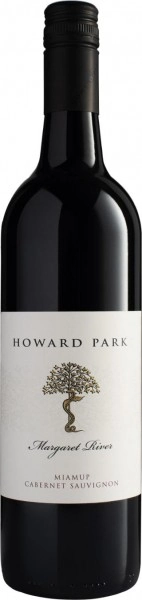
Cabernet Sauvignon
We have mentioned this grape variety before. Yes, it is the first variety that comes to mind when speaking about tannin structure, also thanks to the fact that it is globally widely spread, actually the most planted grape variety in the world. Try a wine of this grape with marbled steaks like ribeye, effectively balancing the meat's fattiness.
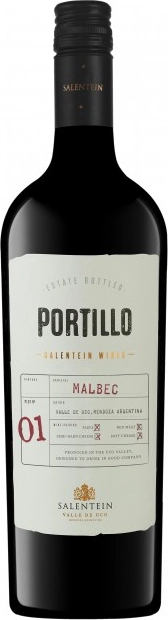
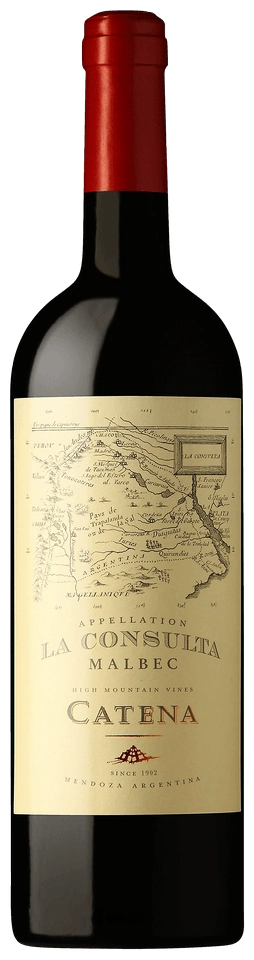
Malbec
The original from Argentina, the one and only Malbec, offers a full-bodied profile with rather moderate tannins and acidity, hence, it goes well with local grilled meats and fatty cuts.
Wine Pairings for Beef, Based on Cooking Method
Beef Stew
This is a dish that is rather hearty and rich, of course. Beef stew gains from wines that can complement this depth. Here, we recommend some Bordeaux-style blends, as they might complement the stew's robust flavors.
Grilled Steak
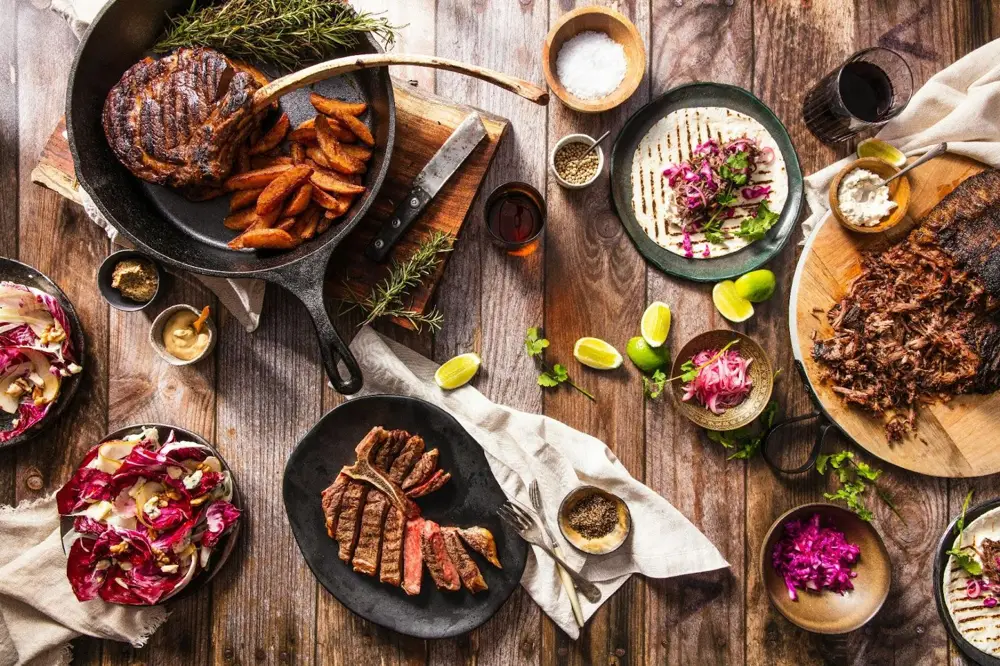
So, let's have a look at this dish. We do have a charred exterior and juicy interior, which calls for wines with bold flavors and firm tannins. You might prefer a California Cabernet Sauvignon as a classic recommendation, but even a deep rosé of Malbec or Syrah might elevate the experience on your palate. This is for all those who are open to trying out the unexpected.
Braised Beef Dishes
Don't forget about the slow-cooked beef dishes such as pot roast or braised short ribs. They will develop complex flavors and tender textures; hence, aged red wines with softened tannins would work perfectly in this case. Examples to try out would be a more mature Bordeaux or even a Tempranillo, as both wines have the power to enhance the braised beef dishes' depth without overwhelming the palate.
Thinking Beyond Red: White and Rosé Wines with Beef
It is worth thinking outside of the box sometimes, especially when it comes to wine and food pairings. Who said a white wine or a herbal rosé could not be a great companion when paired with your meat dish? Go and try it out; only then will you know.
Full-Bodied Whites
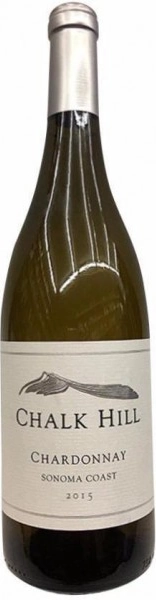
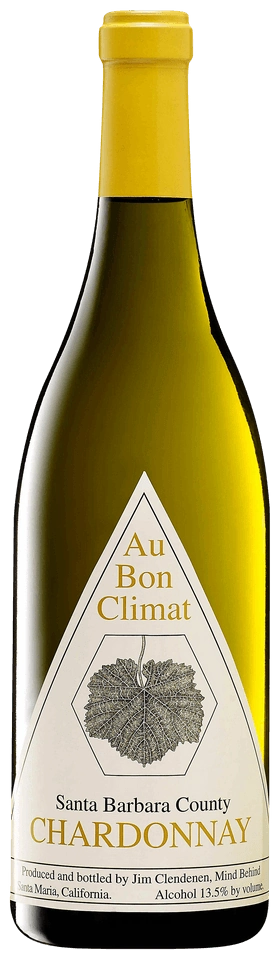
A rich white wine, such as a barrel fermented and aged Chardonnay or Furmint, fits perfectly with meat that is served with more creamy sauces. The wine's body and texture will work ideally with the dish's richness.
Rosé Champagne
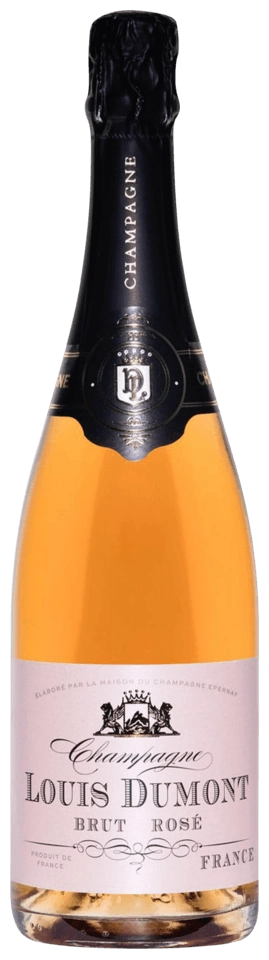
There is nothing more delightful than a rosé Champagne with its fine perlage and zesty acidity. These attributes will help cut through the fat of the steak, offering a refreshing contrast and highlighting the meat's flavors.
Final Tips for Pairing Wine with Beef
When it comes to picking the right wine with your chosen beef dish, always bear in mind the preparation method, the seasoning you are using, and, last but not least, your personal preferences. If you have understood the roles of tannins, acidity, and flavor profiles, you can create extraordinary pairings, leading to a more enjoyable and memorable dining experience. Stay curious and don't be afraid of experimenting.
Cheers!
Lotte Gabrovits