Best Wine for Low-Carb Diet: Keto-Friendly Picks for Wine Lovers
The low-carb diet, or keto diet, has gained popularity in recent years among people looking to lose fat, build muscle, and stay fit. For wine lovers, a delicious red or a refreshing white is essential for meals, gatherings, and dinner parties. However, the fear of compromising your dietary efforts and the hard work you put in at the gym can be discouraging—especially when you hear that sugar can be added to wine during the winemaking process. So, are there any wines that are good for a low-carb diet?
Sugar in Wine
To find the best keto-friendly wines we need to understand the sugar in wine. The sugar in wine comes from either the natural sugar content of the grapes or added sugar. Adding sugar to wine serves two main purposes: to adjust the flavor and, more commonly, to help the wine ferment to the desired alcohol level—a process known as chaptalization. In general, this practice is legal in regions where grapes have lower natural sugar content, such as northern France, Germany, and parts of the United States. However, chaptalization is prohibited in Argentina, Australia, California, Italy, Portugal, Spain, and South Africa.
That said, alcohol fermentation converts sugar into alcohol, so if a wine is fermented to dryness, the residual sugar content is less than 9g per liter. Let's do a simple math: for a standard 750ml bottle, a dry wine contains a maximum of 6.75g of sugar, which is around 25 calories. More commonly, a dry wine contains only 3-4g of sugar per liter, which is well below this limit.
Calories in Wine
Considering that one serving of spaghetti (about 120g) contains 220 calories, the sugar level in dry wine seems insignificant for a low-carb diet, right? But here's the catch, the real culprit of calories in wine is not sugar but alcohol.
One gram of alcohol provides 7 calories, compared to 9 kcal per gram for fat and 4 kcal per gram for carbohydrates (sugar) and protein. This means that some off-dry or semi-sweet wines can have fewer calories than certain dry wines.
Let's do the math again, shall we?
A low-alcohol, off-dry Riesling from Mosel, Germany, 11% alcohol, 30g/L residual sugar, has around 546 kcal per bottle.
A high-alcohol, dry Zinfandel from California, 15% alcohol, 5g/L residual sugar, has around 636 kcal per bottle.
Surprising, right?
You Can't Have Both… Can You?
So, if you love wine and follow a low-carb diet, it can be a dilemma. On one hand, wine is not particularly high in carbohydrates, but on the other, it can be dense in calories. As long as alcohol is present in your bloodstream from wine consumption, your body prioritizes metabolizing the alcohol before burning fat. Only after all the alcohol has been processed will fat-burning begin. If you're counting calories, you probably can't have it all—your favorite Chardonnay and your dream body.
The truth is, if you want low-carb, low-calorie wine, the key is simple: choose dry wines with low alcohol and enjoy them in moderation, perhaps just a glass or two on your cheat day.
Keto-Friendly Wines
As we become more conscious of the carbs and calories we consume, choosing the right wines for a low-carb diet also involves considering food pairings. Keto-friendly wines do exist. opt for low-alcohol, dry wines that pair well with protein-rich, low-carb dishes such as, avocado, shrimp, chicken, beans, ground beef and salmon.
For white wines, dry Riesling is a great choice. Known for its food-friendly nature, it pairs well with chicken breast, salads, and dishes with exotic spices. Look for classic bone-dry German Rieslings or dry Rieslings from the Finger Lakes. They complement both your meal and your keto diet. Another excellent option is Grüner Veltliner, which has a spicy, herbaceous touch.
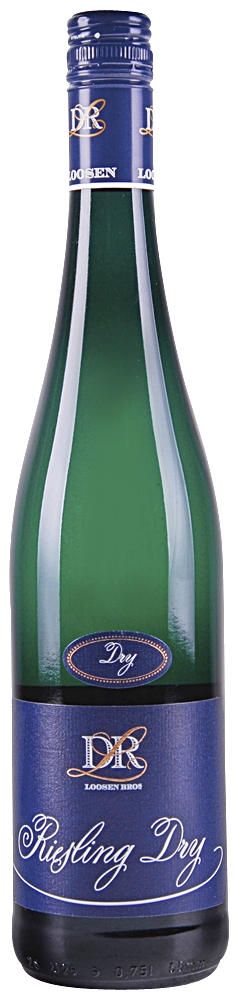
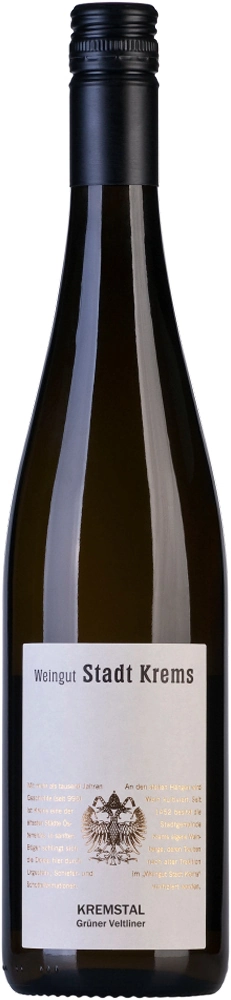
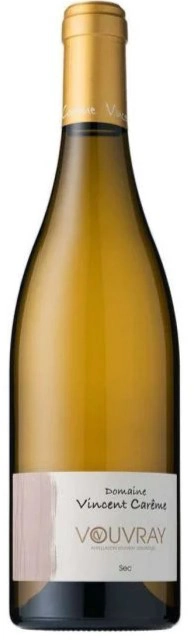
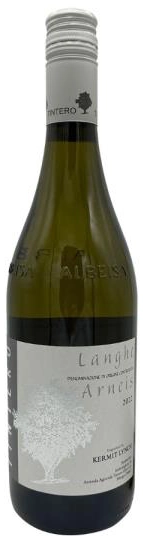
If you prefer a rounder white wine but don't want the high alcohol and slight sweetness of a Napa Chardonnay, try a Chenin Blanc from the Loire Valley or an Arneis from Piedmont, Italy, both pair beautifully with richer dishes like chicken Alfredo.
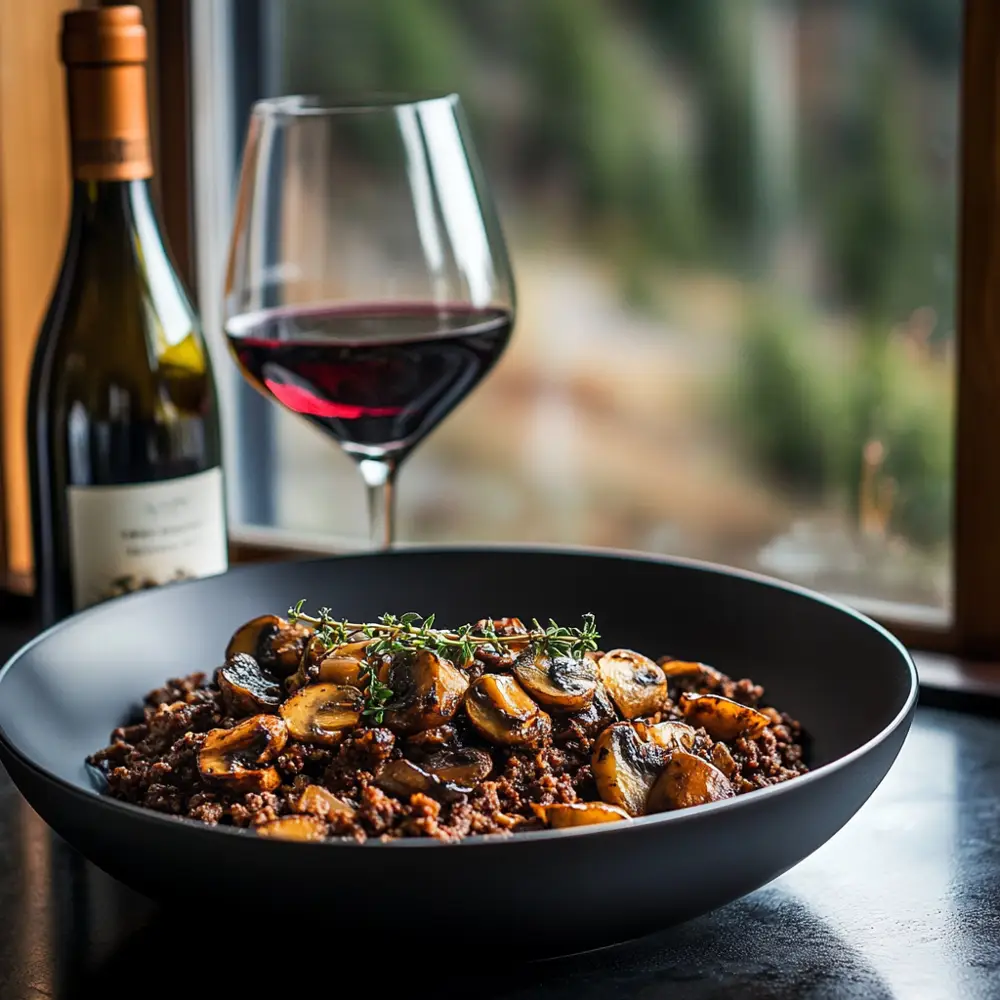
For red wines, a cool-climate Pinot Noir from Burgundy, Oregon, or New Zealand is ideal. With little residual sugar and relatively low alcohol, it pairs perfectly with beef and mushroom dishes. Additionally, you can try a Beaujolais, a Loire Valley Cabernet Franc, or, for something more unique, a Blaufränkisch from Austria or New York. These wines rarely exceed 13.5% ABV.
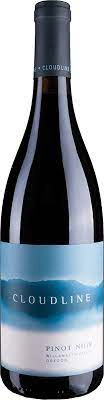
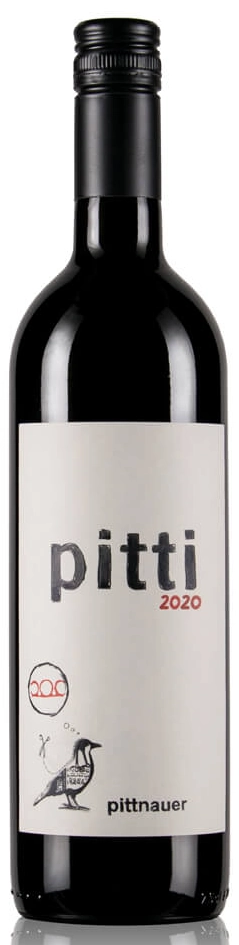
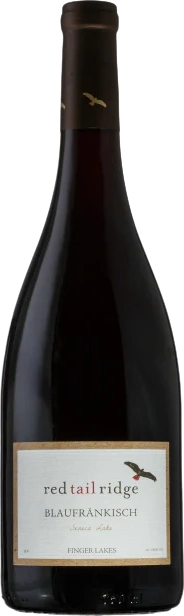
Now that you know which wines are best for your low-carb diet, go check them out! Next time you plan a home party or attend a casual gathering, you'll know exactly what to bring.
Sylvia Ba