Is Expensive Champagne Worth the Splurge?
The holiday season is here! Champagne, the ultimate festive drink, is a must-have for weddings, celebrations, birthdays, anniversaries, and especially New Year's Eve. The fine bubbles and celebratory pop of the cork set the perfect mood for joyous occasions.
As the world's most famous sparkling wine, Champagne often comes with a steep price tag compared to other sparkling wines. However, not all Champagnes are created equal. While you can find bottles under $40, others cost hundreds of dollars. So, is the hefty price really worth it?

The Cost of Making Champagne
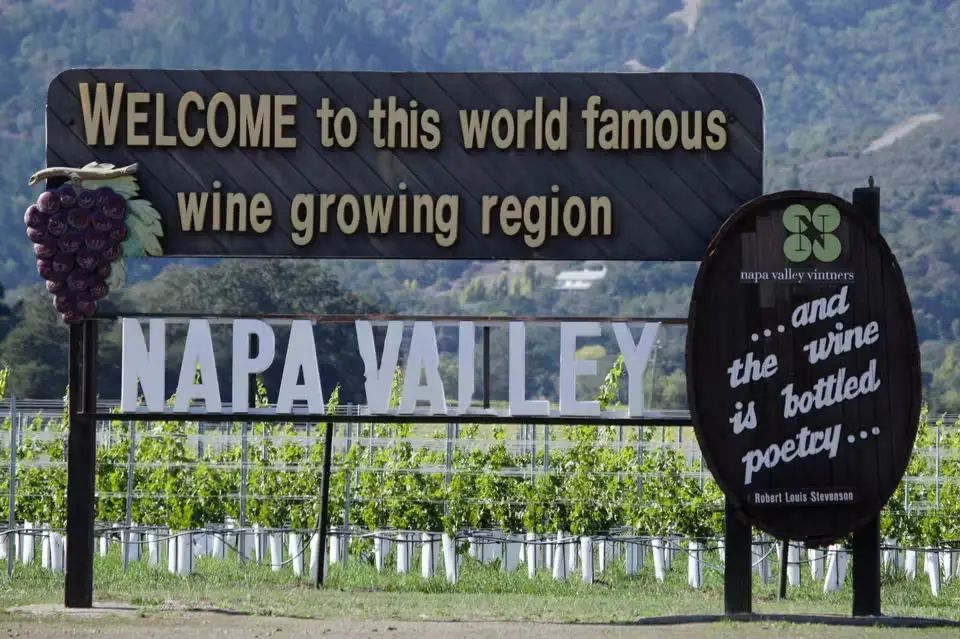
Champagne's reputation and exclusivity ensure it has a baseline price—just like wines from Napa Valley. Simply put, there's no such thing as a $15 bottle of authentic Champagne. As with other prestigious wine regions, Champagne production involves labor-intensive processes and high costs.
Let's start with land costs. The Champagne region is one of the most expensive wine regions in the world. Beyond that, every step of the production process is meticulous and labor-heavy. For instance, grape harvesting is done entirely by hand. After the first alcoholic fermentation, Champagne undergoes a second fermentation in the bottle. This process involves riddling—rotating bottles gradually to move sediment toward the neck for disgorgement. While larger producers use machinery, many Champagne houses still rely on manual labor.
Additionally, Champagne requires extended aging. Many bottles spend years, sometimes even a decade, aging in cellars before release. This prolonged process adds significant storage and production costs, contributing to the final price.
Cheap vs. Expensive Champagne
While Champagne is naturally pricier than sparkling wines like Prosecco or Cava, there's still a vast price range between supermarket Champagnes and luxury labels. So, what justifies these differences in cost?
Expensive Champagne often uses higher-quality grapes. As with all agricultural products, not every harvest meets the strict standards required for premium Champagnes. Vintage Champagnes, for example, are only produced in exceptional years. Grapes from superior vineyard sites, such as Grand Cru and Premier Cru locations, further elevate quality. Additionally, techniques like oak aging, longer bottle aging, and other meticulous practices add to the expense.
Luxury Champagnes also carry a prestige factor. Much like other luxury goods, scarcity and brand reputation drive prices higher.
Affordable Champagne, on the other hand, may lack the same rigorous fruit selection and artisanal techniques. These bottles are often mass-produced, with grapes sourced from less optimal sites, and they typically spend less time aging in cellars.
How to Choose the Right Champagne
Quality and price don't always align perfectly, but in general, higher-priced Champagnes offer more complexity and finesse.
Affordable Champagne are often simpler in flavor, with floral and fruity notes alongside some brioche aromas. However, these can sometimes feel unbalanced, with certain flavors dominating the profile.
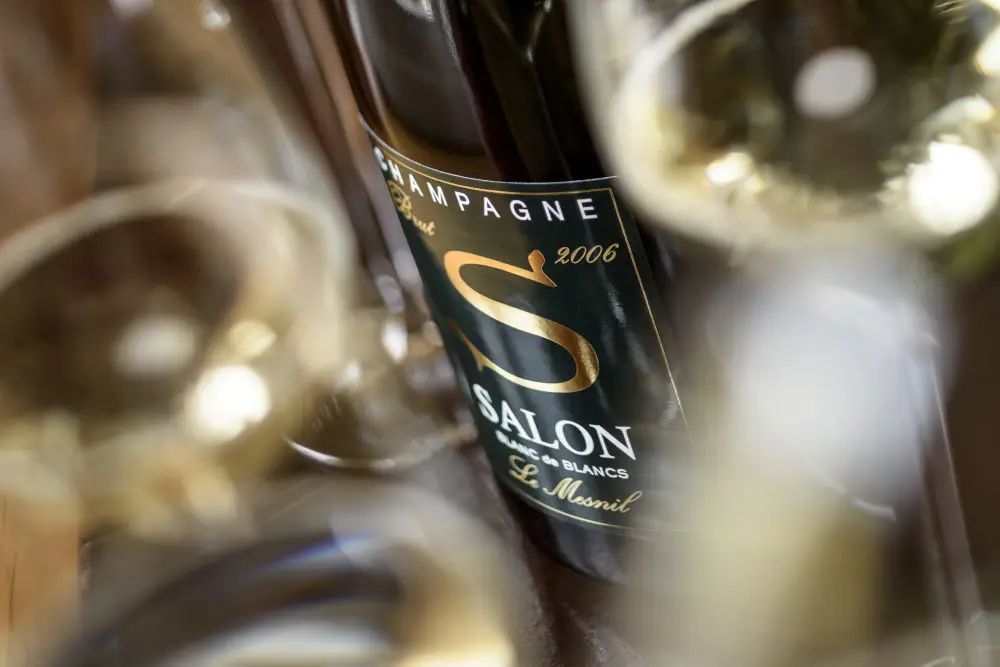
Expensive Champagne is known for its complexity, balance, and ability to unfold in the glass and evolve in the bottles over time. These Champagnes often showcase unique styles, such as masterful oak usage, the terroir of a distinctive Grand Cru village, or characteristics of a specific vintage.
Affordable Champagnes are great for large gatherings and celebratory toasts, while luxury Champagnes are best reserved for special occasions and slow savoring.
Finding Good Value Champagne
Is there a middle ground—high-quality Champagne at a reasonable price? The answer is yes! While prestige labels like Louis Roederer Cristal or Pol Roger Cuvée Sir Winston Churchill command a premium, you can find excellent alternatives.
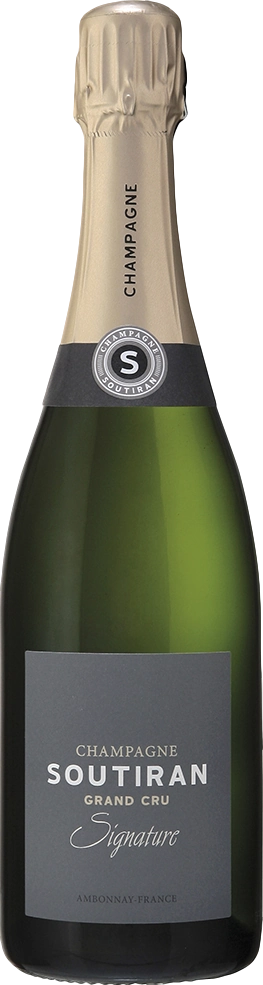
To find quality Champagne at a more reasonable price, consider options from well-recognized cooperatives or medium-sized Champagne houses. These producers often have high-quality Champagne offerings from premium vineyard sites, but their efficient business models help keep costs lower.
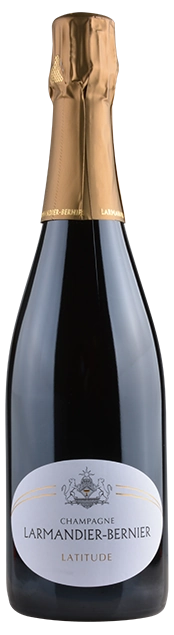
If you're looking for something unique, full of personality, and expressive of its terroir, explore grower Champagne. These are produced by winemakers who manage their own vineyards, craft the wine themselves, and handle marketing directly. Some growers create the most intriguing Champagnes at honest, accessible prices.
However, grower Champagnes can be harder to find due to their small production volumes. When you do find them, they often deliver exceptional quality for $60–$80—rivaling luxury Champagnes that cost twice as much.
This holiday season, are you ready to pop open a bottle of Champagne and celebrate with loved ones? Whether you're adding a touch of festivity or indulging in a splurge-worthy bottle, Champagne is sure to make your moments unforgettable.
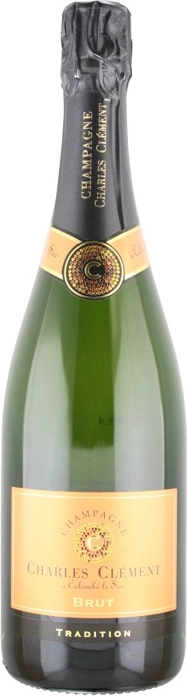
Budget-friendly Champagne:

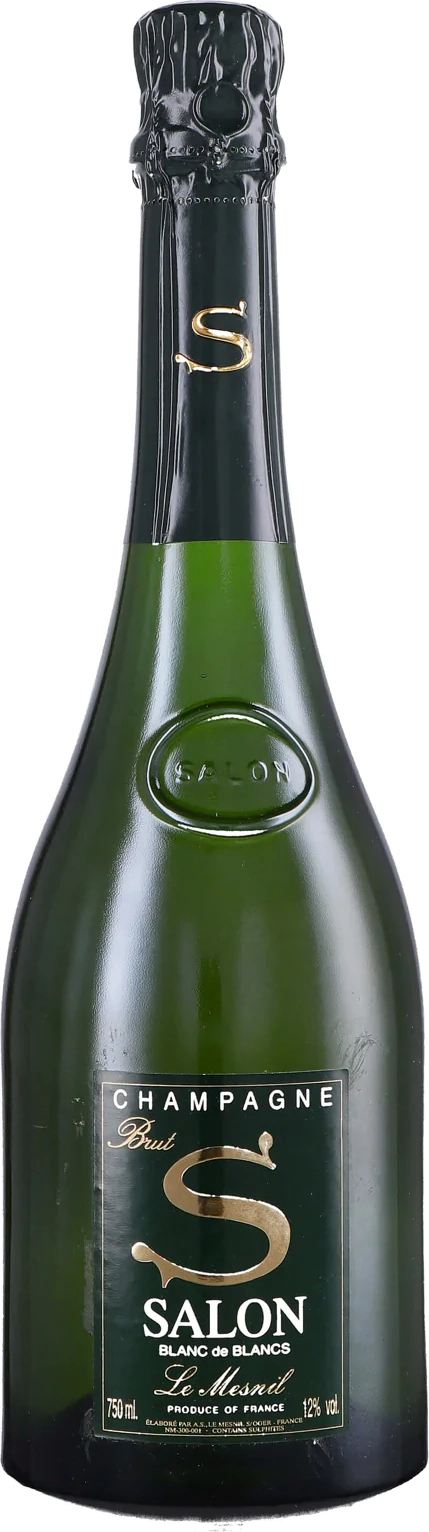
Luxury Champagne:


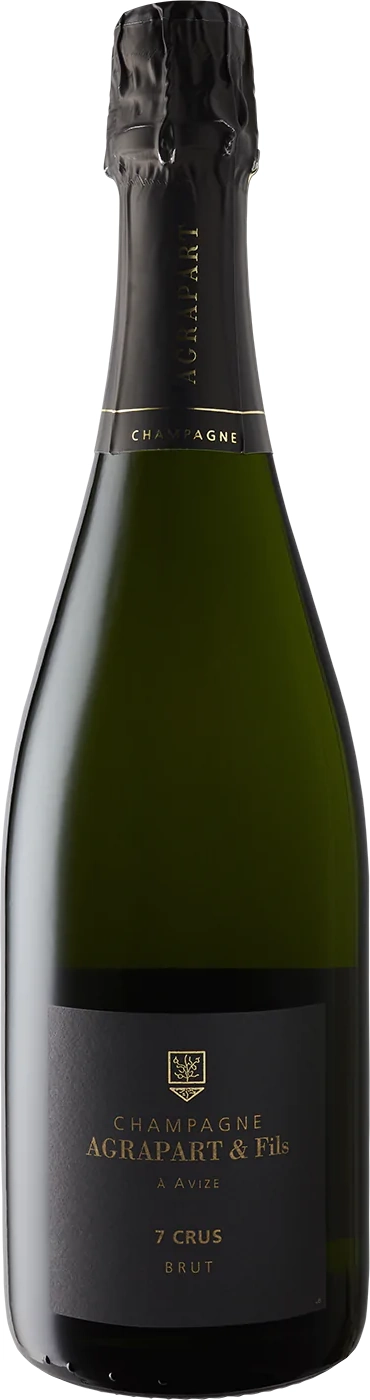
Good Value Champagne:
Sylvia Ba