Why Burgundy Is the Holy Grail for Wine Lovers
Whether you're a fully-fledged oenophile or just looking for a nice Pinot Noir, delving into Burgundy can be a hugely rewarding experience. So, grab a glass, settle in, and take a deep dive into this magical region.
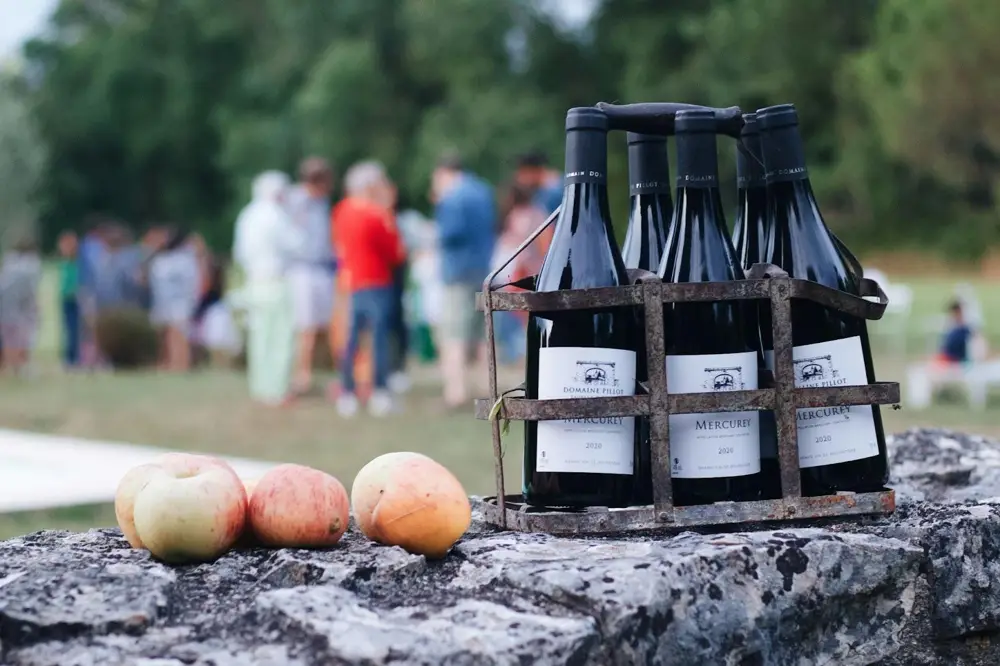
No wine-growing place on earth can claim to have such close ties between wine and religion. Planted by Cistercian monks in the 11th century, God and grape are inextricably linked. Furthermore, few regions command such reverence and admiration as Burgundy. Stretching from the northern tip of the Yonne department down to the Mâconnais, this strip of land represents the pinnacle for most wine geeks.
On the surface, Burgundy is relatively straightforward. Two varieties dominate plantings, with Pinot Noir and Chardonnay making up a little over 90% of the total area under vine. Scatterings of Aligoté, Gamay, César, Melon B, Pinot Gris, Pinot Blanc, Sauvignon Blanc, and Sauvignon Gris make up the balance, but fade into obscurity in the grand scheme of things, usually blended away into regional wines like Passetoutgrains, Crémant, or the often-overlooked whites of St-Bris.
However, in this duotheism, the devil is in the details. Burgundy exploits ‘terroir' like no other region. This term, derived from the word ‘terre', French for earth, is a concept predicated upon the environment where the vines are grown, the winemaking culture, and the influence it has on the taste of wine. Each subtle variation in soil composition, slope, and orientation impacts the final wine, providing myriad subtleties and nuances in the glass. Such is the mystique and fascination around this region that many a wine lover has made their lifetime pursuit, embarking on a path of vinous enlightenment.
Speaking in Tongues
- Climat- not to be confused with climate. This is a plot or vineyard with a specific terroir and a unique character or personality.
- Monopole- a recognized site under single ownership.
- Clos- a vineyard enclosed by a wall.
- Lieu-dit- site that a producer has deemed to be of sufficient quality or distinction to be labeled on the bottle and can be used on regional to Grand Cru level wines.
Climate Change & Vintage Variation in Burgundy Wines
Whilst not unique to Burgundy, the region experiences extreme vintage variation and is heavily impacted by climate change. The 2003 vintage marked the change to a new norm with higher levels of ripeness, and with it, rising alcohol levels. Whilst global warming has arguably helped to bring more consistency in quality, there has been an increase in unpredictable weather events with a higher incidence of frost, hail, and drought, resulting in huge variations in yields. The leaner, fresher vintages of the past are becoming the anomaly, with the common feature of recent releases showing plushness of fruit and softer acidity.
For an in-depth report on the 2023 vintage of Burgundy, read our previous article: Burgundy 2023 En Primeur: A Bountiful Vintage with Hidden Gems
Chablis: Burgundy's Cool-Climate Chardonnay
In the northernmost region of Burgundy, the marginal climate is planted almost entirely with Chardonnay. Wines tend to be lean and chiseled with tart citrus and greengage flavors coupled with a characteristic chalky note and a steely elegance.
Côte d'Or: The Heart of Burgundy's Pinot Noir and Chardonnay
Subdivided into the Cote de Nuits and Cote de Beaune, the higher-elevation hillside vineyards labeled under Hautes Côtes tend to give lighter, fresher wines that often represent excellent value during warmer vintages.
To learn more about the Hautes Côtes, read our previous article: Hautes-Côtes: The Rising Star of Burgundy
Côte de Nuits: Iconic Pinot Noir Villages
The mecca for Pinot Noir lovers, known for its intense, complex red, includes the famous villages of Chambolle-Musigny, Vosne-Romanee, and Gevrey-Chambertin.
Côte de Beaune: World-Class Chardonnay and Elegant Reds
Produces some exceptional reds, but has built its reputation on world-class whites from Meursault, Chassagne-Montrachet, and Puligny-Montrachet.
Côte Chalonnaise: Affordable Burgundy Wines to Try
A hidden gem offering wines at more affordable prices, as well as being home to Bouzeron, the only appellation in France dedicated to Aligoté.
Mâconnais: Ripe, Fruit-Driven Chardonnay
Primarily known for its peach-scented whites, these southerly vineyards lean towards greater weight and generosity of fruit. 2020 marked the incarnation of the Pouilly-Fuissé 1er Cru classification and a broader recognition of the area's potential for quality.
Getting Started with Burgundy: Regional vs. Grand Cru
When discovering the region, like a lot of people, my first thought was how I was ever going to get to grips with such an intricate and convoluted region. “Bourgogne” or Burgundy is a regional-level wine and a perfect entry point for newcomers, providing an affordable introduction to the region without breaking the bank.
Unless otherwise stated, assume that the reds (Bourgogne Rouge) are made from Pinot Noir, and the whites (Bourgogne Blanc) from Chardonnay. To produce these wines, the winery is permitted to source the grapes from all over the region, meaning these wines tend to provide juicy upfront fruit and are often designed to be enjoyed in their youth.
In days gone by, preferentially located Grand Cru sites were expected to shine even in the most extreme vintages, whilst modest regional and village level plots may have struggled with under-ripeness. With the advent of global warming, we are seeing a bridging of the quality gap. In vintages like 2019, where the boundaries between quality levels were sometimes blurred, it may be worth seeking out humble regional-level wines.
Burgundy Wine Classifications Explained
In simple terms, Burgundy falls into four levels of quality:
- Regional (e.g., Bourgogne)- Lighter, approachable wines brimming with juicy fruit. Regional Burgundy wines can be enjoyed on release, making them the best Burgundy wines for beginners.
- Village (e.g., Chambolle-Musigny) - Greater weight and intensity than regional wines, expressing a sense of place without showing the depth or longevity of 1er Cru. (Can drink 5 years from release)
- 1er Cru (les Fuées, Les Cras)- Powerful wines that often have excellent definition and marked minerality. (Tend to benefit from at least 7-10 years aging)
- Grand Cru (Le Musigny, Bonnes Mares) - World-class, complex, and genre-defining expressions representing around 1% of total production (Require a decade or more to reveal their potential)
The quality hierarchy provides a good starting point and a helpful framework for enjoying Burgundy wines. And, whilst the readiness for drinking and expectation level provided above can act as a rough guideline, a multitude of factors, including the producer, vintage, site, and storage condition,s all play a substantial role in determining its drinking window. Ultimately, personal preference is key. Whilst some revel in the seductive charm of youthful Bourgogne Blanc, others delight in the majestic elegance and power of mature Chambertin Grand Cru.
FUN FACT- Such is the delicacy of Pinot Noir that when visiting their cellars, Burgundians insist on tasting their reds before their whites.
Why Burgundy Wines Are Rare and Collectible
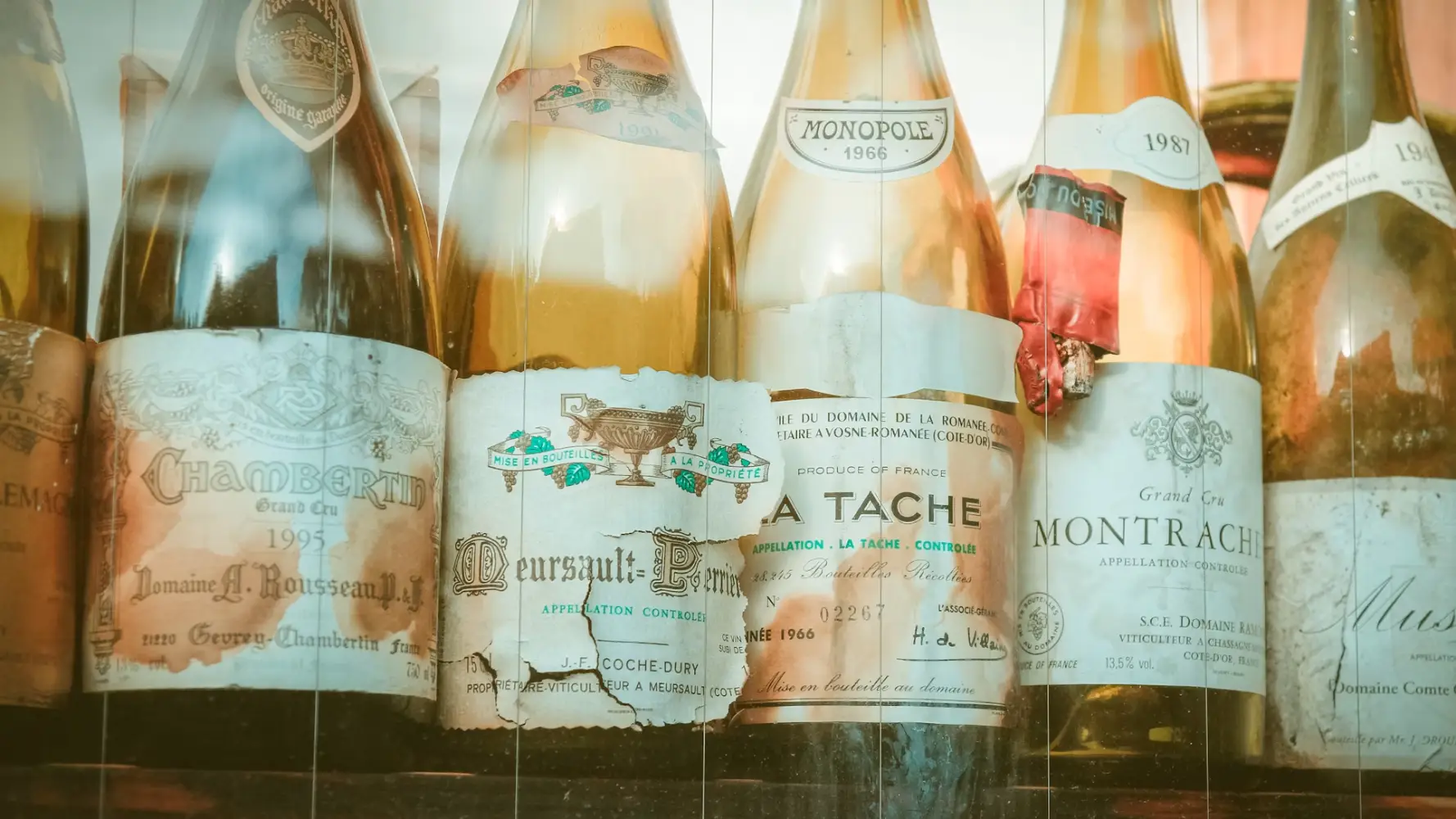
Unlike France's other iconic region, Bordeaux, where it is common for even the most highly esteemed chateaux to produce 100,000 bottles per year. The difference between Burgundy and Bordeaux is that Burgundy is dominated by small, family-owned estates, many of which may produce only a few barrels of a particular wine each vintage. The sheer scarcity and focus on capturing individual climats make this region so compelling for drinkers and collectors alike.
Domaine Leflaive produces a mere 8,000-10,000 bottles per year of their Montrachet Grand Cru, which sells for around an eye-watering 18,000 USD per bottle.
Food Pairing with Burgundy Wines
Another trait that makes the wines of Burgundy so appealing is their versatility with food. Burgundy's cool climate tends to yield grapes with vibrant acidity and a marked savory character. Notes of crushed rocks and button mushrooms are common in whites, with hints of forest floor and sous-bois frequently associated with reds, creating a wide range of options for food pairings.
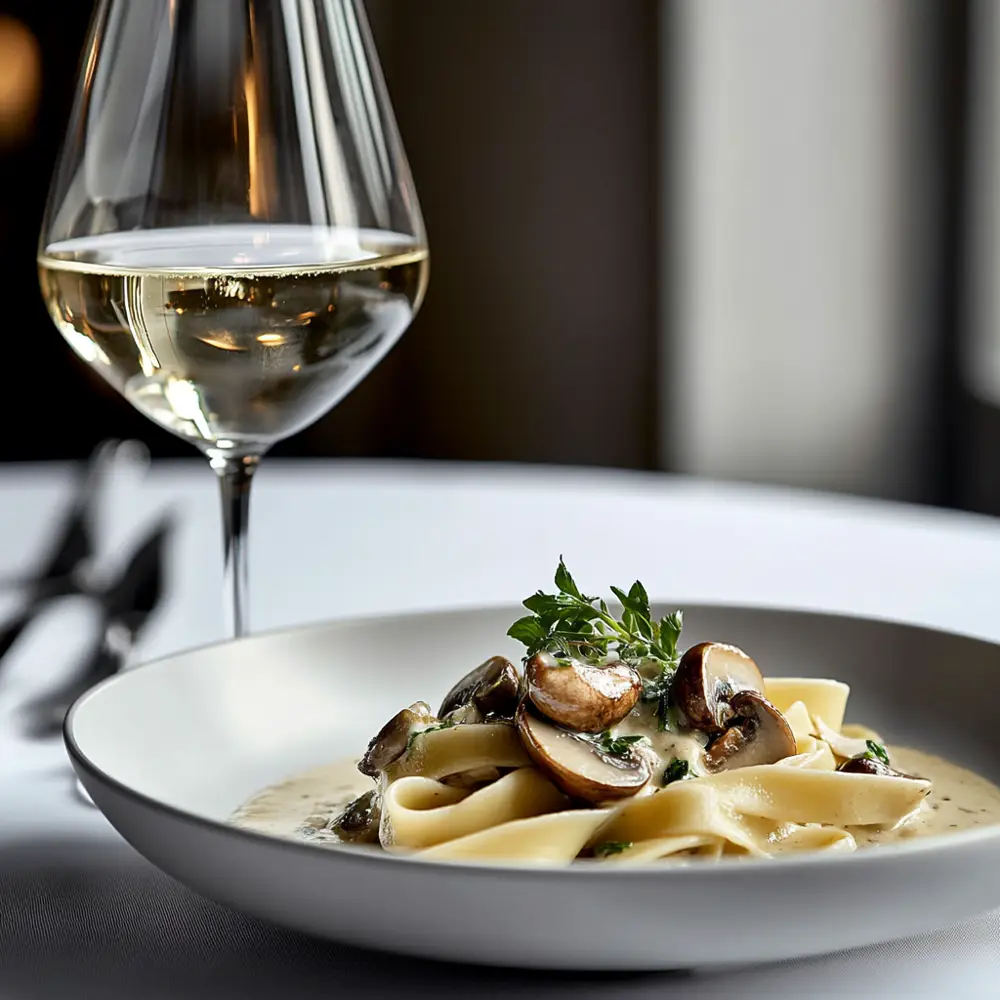
At the epicenter of French gastronomy lies Lyon, a bustling city located at the southern tip of Burgundy. Home to heralded chefs like Eugénie "La Mère” Brazier and Paul Bocuse, it has been instrumental in creating the foundations for modern haute cuisine and has shaped the standard for Michelin-starred restaurants.
The crisp, mineral Chardonnays and fresh, savory Pinot Noirs provided the perfect foil for this rich cuisine based primarily on creamy and buttery sauces.
Local classics include duck confit, coq au vin (chicken in red wine sauce), and escargots à la bourguignonne (snails), but the gastronomic pairings extend far beyond regional pairings.
Bourgogne Aligoté or Bouzeron can provide the base of Kir. This citrusy white wine is mixed with a shot of crème de cassis (blackcurrant liqueur) and is commonly enjoyed as an aperitif.
Chablis can lay claim to the most unique Chardonnays on the planet. Lively and mineral-driven, these elegant, versatile wines pair wonderfully with oysters, sushi, and goat cheese.
Meursault boasts some of the most breathtakingly complex whites in Burgundy. Known for their nutty, oaky style, they can make a sumptuous match with buttery scallops, lobster thermidor, or hazelnut-crusted fish.
Bourgogne Rouge (Red Burgundy) can offer simple red fruit with soft, supple tannins, meaning it is ideal served slightly chilled. Enjoy on your own or slice up some charcuterie for a fun and hassle-free get-together with friends.
Chambolle-Musigny is known for its charmingly floral style, lending itself nicely to dishes like Peking duck with its notes of heady exotic spice, or a Shanghai-style braised pork belly.
Gevrey-Chambertin commands the title of the King of Burgundy for its bold, muscular style. It has the intensity and power to match the robust flavors of pheasant, partridge, or venison.
To some, Burgundy is more than a wine; it's a religion. But whether you intend to make the pilgrimage in search of vinous illumination, these delicious, ethereal wines are capable of providing an otherworldly experience.
Sanya Abhay