Riesling: The Chameleon Grape Unveiling a World of Flavor
She is the queen of all wines and each wine lovers saliva will start flowing once their ears will hear the sound of this delicious wine being poured into their glasses. Still, sometimes the image seems to be affected by an uneven past, in times when products like cheap Liebfrauenmilch have been put out on the international market. We are talking about nothing less than Riesling.
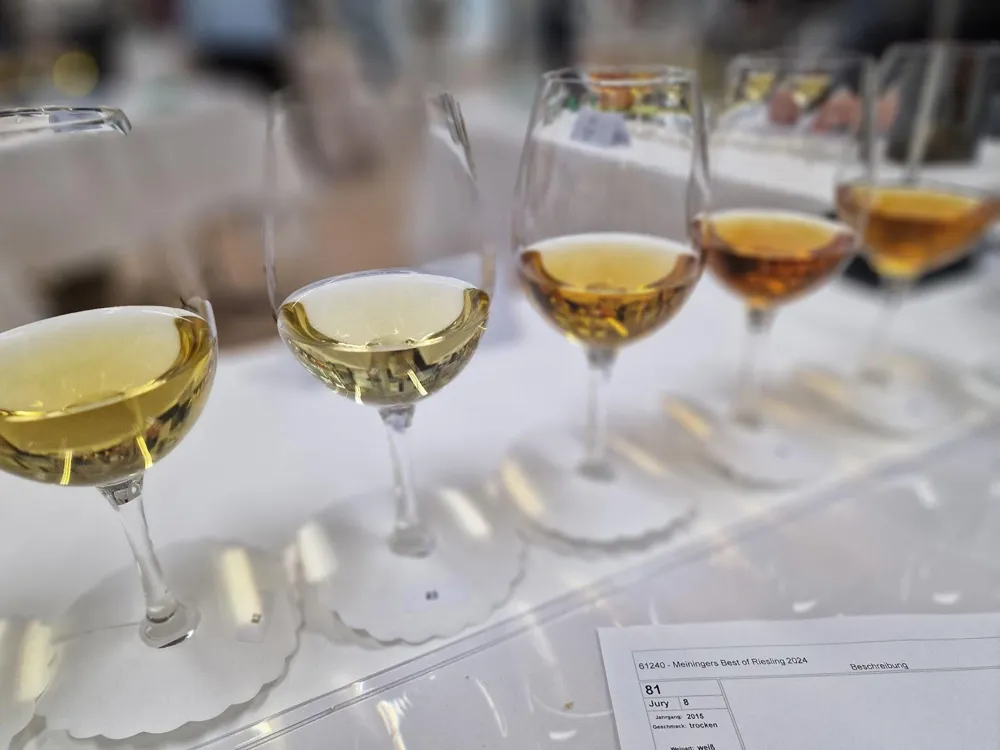
That range of styles only Riesling can offer (Photo: Lotte Gabrovits)
Will the wine be sweet and luscious? Will it be an experience of having a razor blade-sharp acidic drink, or rather a petrol, beeswaxy one, maybe one with some botrytis hints for all the geeks of dessert wines?
Well it could be anything. This is one of the reasons, Riesling has so many lovers and haters at once. But we have to admit, only few varieties offer the same potential of creating that diversity in wine styles, from traditionally fermented sparkling wines, to easy drinking Kabinetts, followed by, semi-sweet Beerenauslese ones or Late Harvests, not to mention the luscious Trockenbeeren-Auslese wines from the Mosel.
Going Back in Time
Wine, and alcohol in general have a long history, dating back to before 50 BC when Germanic tribes crafted mead from fermented honey and began experimenting with wild vine cultivation. These early efforts led to the development of the Vitis vinifera species found in Germany today.
After 50 BC, the Romans, known for their love of wine, spread viticulture to Germanic territories, bringing the first vines to the Mosel Valley.
By 330 AD, German wine culture was thriving, evidenced by the construction of Germany's first wine cellar in Trier. The poet Decimius Magnus Ausonius praised Mosel's vineyards, and Emperor Charlemagne, a wine connoisseur, promoted viticulture through monasteries. Riesling as such was first recorded in 1435, with significant advancements in its study by Hieronymus Bock in 1552.
The 1787 decree by the Elector of Trier to replace inferior vines with Riesling spurred its growth, leading to global acclaim by the 1850s. Today, Germany boasts the largest Riesling growing area, with 24,049 hectares/59,426 acres representing 38% of the world's Riesling plantings.
Wearing Different Hats
Riesling's most distinctive feature is its naturally high acidity, which enhances its myriad flavors and creates a sharp, sometimes electric, clarity making it hard to be everybody's darling. While not universally appealing, therefore, those who love it crave this acidity in every sip. This acidity balances the residual sweetness from unfermented grape sugar, a feat few varieties achieve as successfully.
Our focus first of all is on dry Riesling, renowned for mirroring its origin with remarkable precision and for its ability to age and evolve for decades. The same vintage Rieslings, made by the same winemaker but grown in different soils, can exhibit distinct characteristics, showcasing Riesling's site signature.
In its youth, Riesling brims with fruit flavors ranging from citrus to tropical, complemented by floral, herbal, stony, and earthy notes. As it ages, it transforms texturally and aromatically, developing complex flavors like dried citrus peel, beeswax, and stone. Riesling thrives in varied climates, especially in the stoniest, steepest vineyards, where it transforms struggle into stunning beauty.
German Riesling
As mentioned before Germany is a key player when it comes to this grape variety.
Germany's Riesling hotspots—Rheingau, Mosel, Saar, Ruwer, Pfalz, Rheinhessen, and Nahe—each have distinct characteristics shaped by their unique soils and climates. From the dry, balanced Rieslings of Pfalz's limestone and sandstone to the nervy, slate-influenced Rieslings of Mosel, and the complex, volcanic-soil Rieslings of Nahe, these regions produce a diverse and breathtaking array of Rieslings that have never been better.
Also talking climate-wise here it has to be mentioned that this grape variety is one of the winners because in the 1970s it still struggled in parts of Germany to get ripe whereas these days there is no issue anymore.


Alsace Riesling
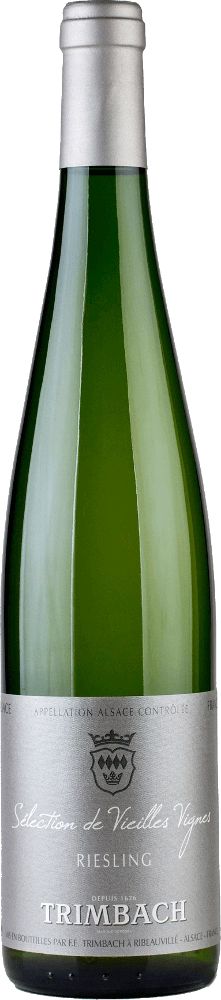
Crossing the borders at Palatinate region we enter France's Alsace region. Almost all of France's Riesling is found in here, where 3,126 hectares are planted along the sunny, well-drained slopes of the Vosges mountains. This region's mild climate and diverse soils, particularly in the 51 Grand Cru vineyards like the granite-rich Schlossberg, produce spectacular Rieslings that range from full-bodied and rich to taut and linear, showcasing remarkable precision and clarity.
Austrian Riesling
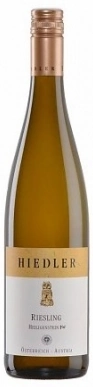
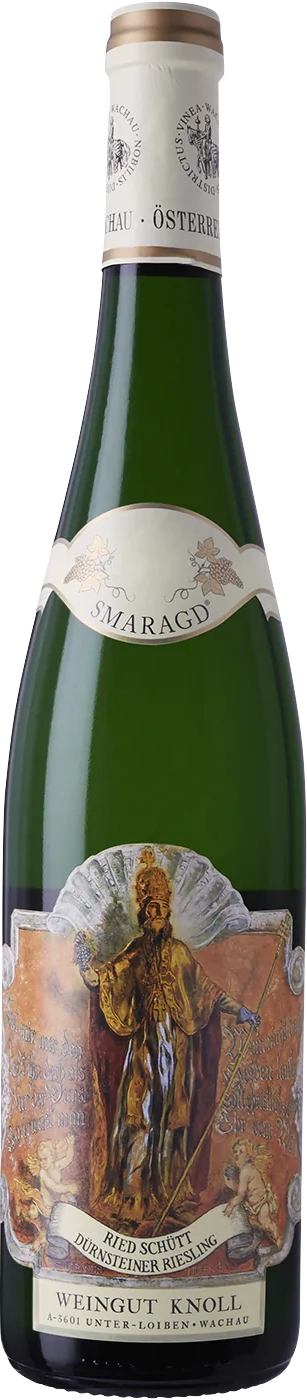
Austria's 1,985 hectares of Riesling, primarily in Wachau, Kremstal, Kamptal, and Traisental along the Danube, are renowned for their intensity, brilliance, and purity. If we put it into contrast of 44.537 hectares total vineyard size it is not that much.
In contrast to Grüner Veltliner which occupies richer soils, Austrian Riesling is grown in the stony, steepest sites and thrives on diverse soils like gneiss, shale, and sandstone, producing full-fruited, bone-dry wines with apricot, peach, and citrus flavors.
Riesling in the US
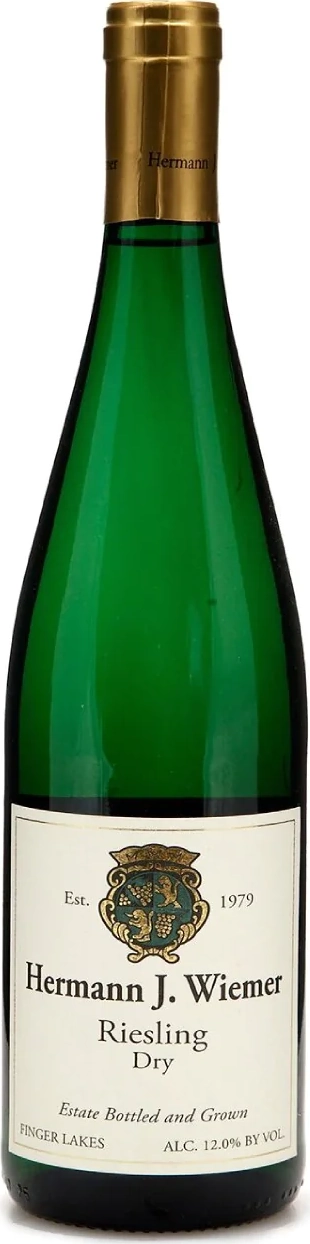
The two main Riesling hotspots in the U.S. are Washington State and New York's Finger Lakes. Washington, with 2,468 hectares of Riesling, benefits from lean soils, a dry climate, and abundant sunlight, producing flavors of Key lime, mandarin oranges, and wet rock, while the Finger Lakes' cooler climate and lake moderation yield delicate Rieslings that excel with age, covering 384 hectares.
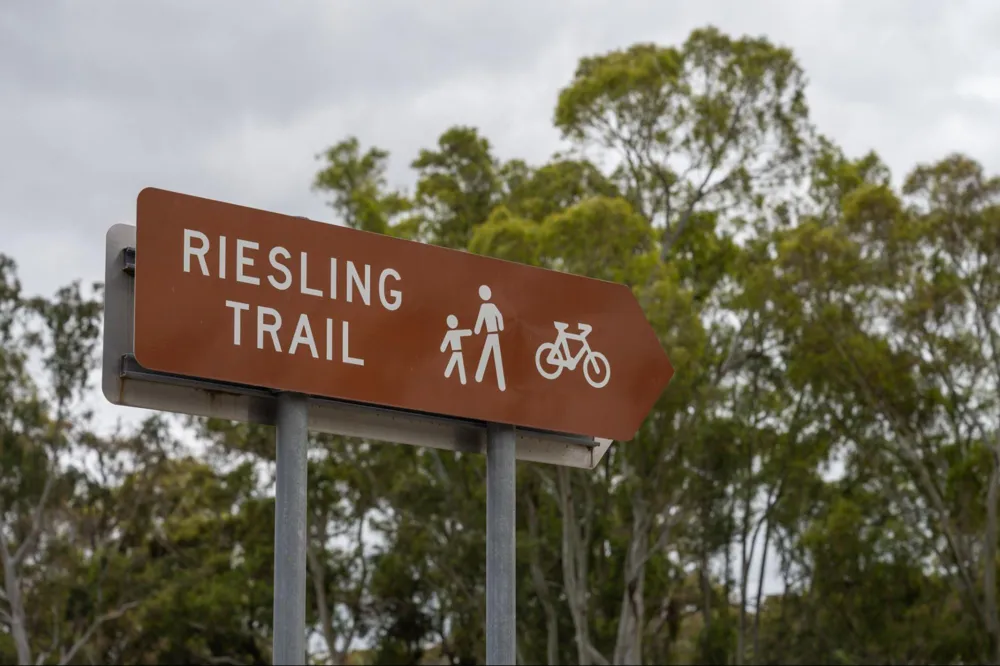
Riesling Trail shared walking and cycling path in Clare Valley, South Australia (Photo: mastersky/stock.adobe.com)
Riesling in Australia
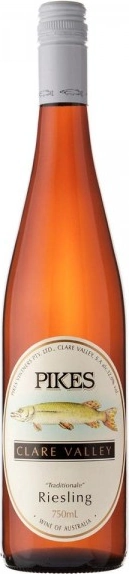
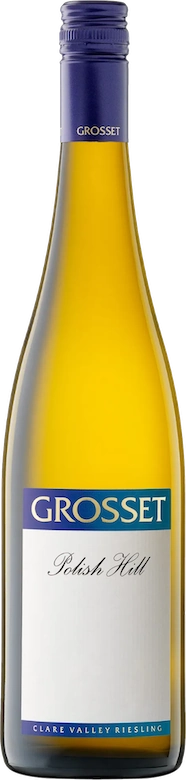
Riesling arrived in Australia in 1837 and remains a key part of the country's wine heritage, with 3,157 hectares currently planted. Renowned for their lime-driven freshness, moderate alcohol, and intense, steely character, Rieslings from South Australia's Eden Valley and Clare Valley develop beguiling aromas with age, thanks to diverse soils and significant temperature variations between day and night.
And Where Else?
The regions named before are key players when it comes to the production of world-class wines. Nevertheless, the variety is widely spread over other countries and continents, too.
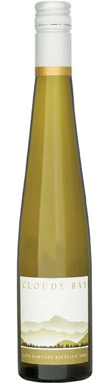
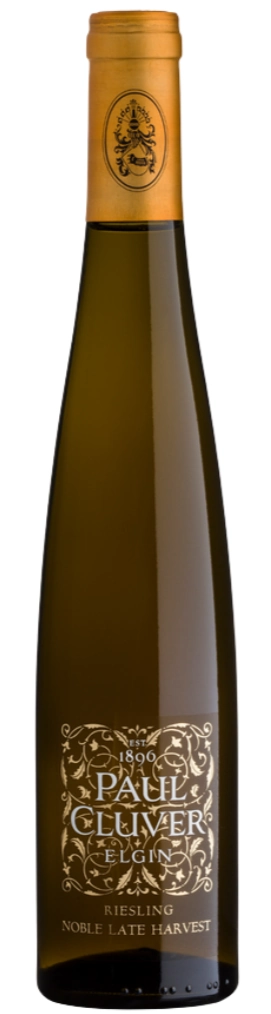
New Zealand for instance has 569 hectares of Riesling, primarily in Marlborough, where the cool but sunny climate fosters aromatic development and acid retention. South Africa has just 126 hectares, mainly in Elgin, benefiting from weathered shale soils, cooling altitude, and maritime influences. Not to be missed on your to-do list when it comes to tasting.
Well, read enough for now, let's go and taste.
Cheers,
Lotte Gabrovits