From Bulk to Buzz: A Fresh Look at Languedoc Wines
Why Languedoc Deserves a Second Look
Often overlooked in favor of France's more prestigious wine regions like Bordeaux or Burgundy, Languedoc is experiencing a renaissance! The affordable land has provided fertile ground for many young winemakers to start their own winemaking projects with little starting capital. These winemakers, motivated by the exciting opportunity that few classic wine regions can offer, are pushing the boundaries of winemaking in Languedoc and exploring forgotten terroirs.
For centuries, Languedoc wines had a bad reputation, as the warm weather of the region allowed the production of large volumes of wines with high alcohol content. Production costs were kept low, as viticulture focused on the flat plains close to the sea, making mechanization possible. Even today, some of the best cheap red wines from France still come from Languedoc!
But there's more to the region than just volume. Languedoc is also home to one of the most important Viticulture and Enology schools in France — Montpellier SupAgro. This is the school that discovered grafting, the solution to the devastating phylloxera crisis, and it continues to be a training ground for winemakers from all over the world, even today.
Languedoc, Roussillon, or both?
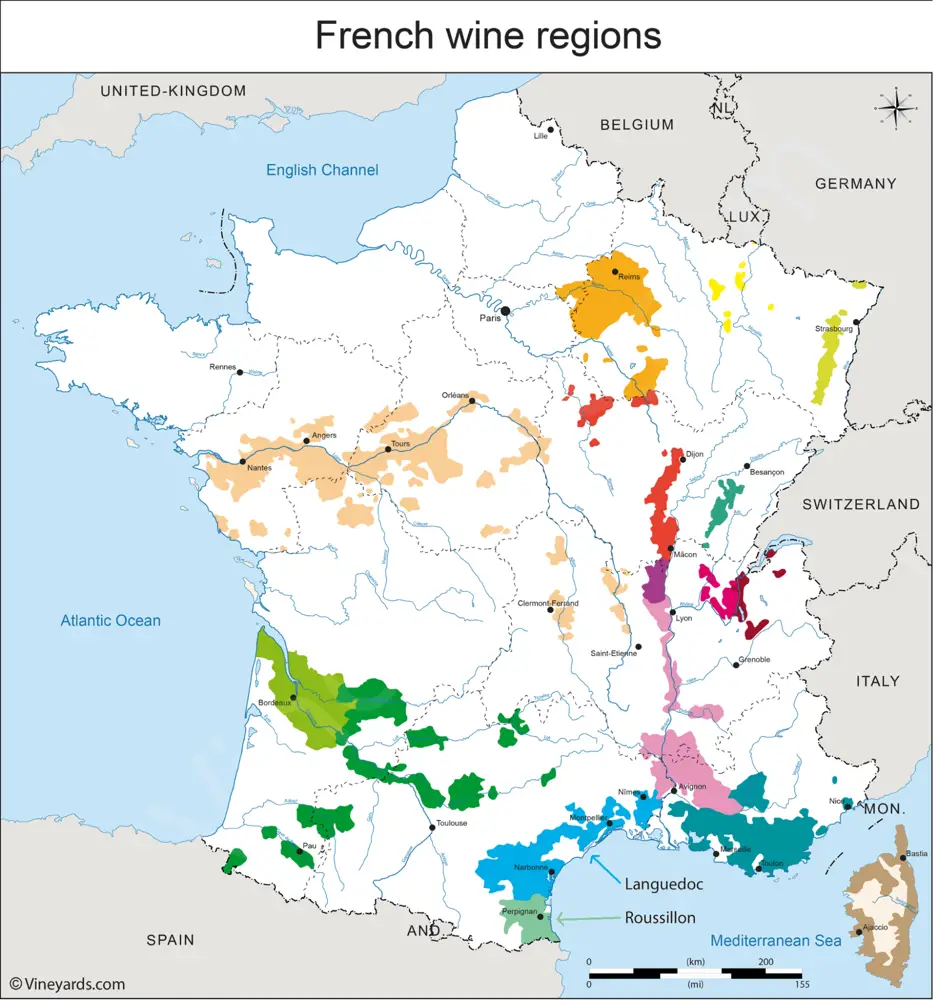
Since the south of France was typically used for the production of cheap red wine, wines coming from the two distinct regions of Languedoc and Roussillon were often blended to facilitate larger wine volumes. Languedoc-Rousillon is a hyper-appellation that encompasses these two regions. Today, the shift from large volume to terroir-driven wine means that the smaller appellations within these regions are used more and more.
3 Trends Redefining Languedoc Wine Today
Trend #1 - Natural Wine Movement
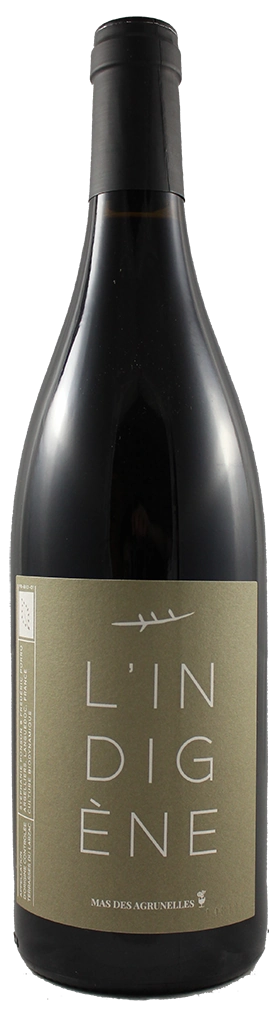
The Languedoc has been one of the early hotspots of natural wine. The affordable land and viticulture heritage made it possible for aspiring winemakers to start their journey there. The warm Mediterranean climate allows the winemakers to adopt organic farming and biodynamic practices in the ineyards, which provides the stepping stone into natural winemaking.
What's more, every year since 2004 the wine fair “Le vin de mes amis” (a.k.a the wine of our friends) is an important meeting point for natural winemakers. It now includes winemakers from all over Europe!
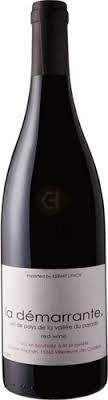
If you enjoy natural wines, make sure to check out the VinoVoss must-read Natural Wine 101 - Natural Wine Regions to Discover
Trend #2 - Elegant White and Rosés
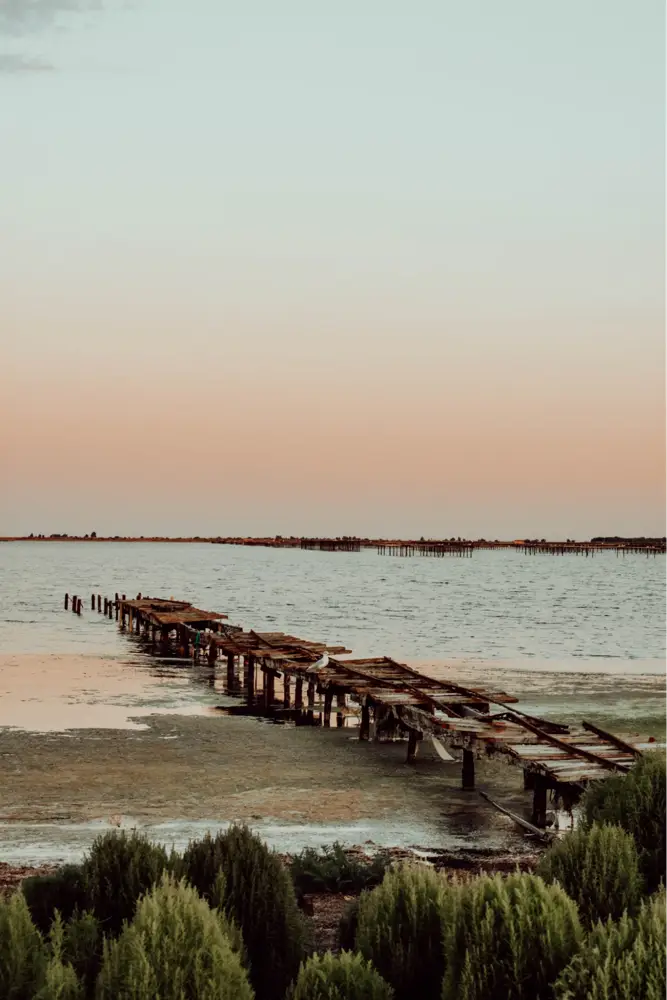
Whites and rosés from the Languedoc are becoming increasingly popular and rightly so! The fresh wind from the sea and local grapes make the wines super attractive and perfect for summer sipping. Stock them up now for your summer enjoyment!
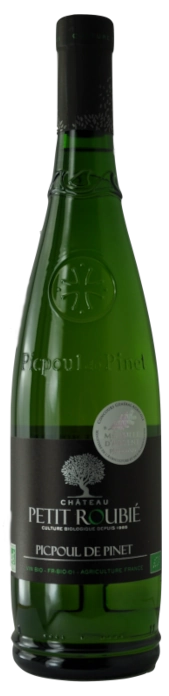
In Languedoc, you can explore classic white varieties, such as Chardonnay and Chenin Blanc, as well as regional specialties. The most unique is perhaps the Piquepoul grape, responsible for the Picpoul de Pinet wines! These crisp, mineral wines bring the sea breezes of the Languedoc in your glass!
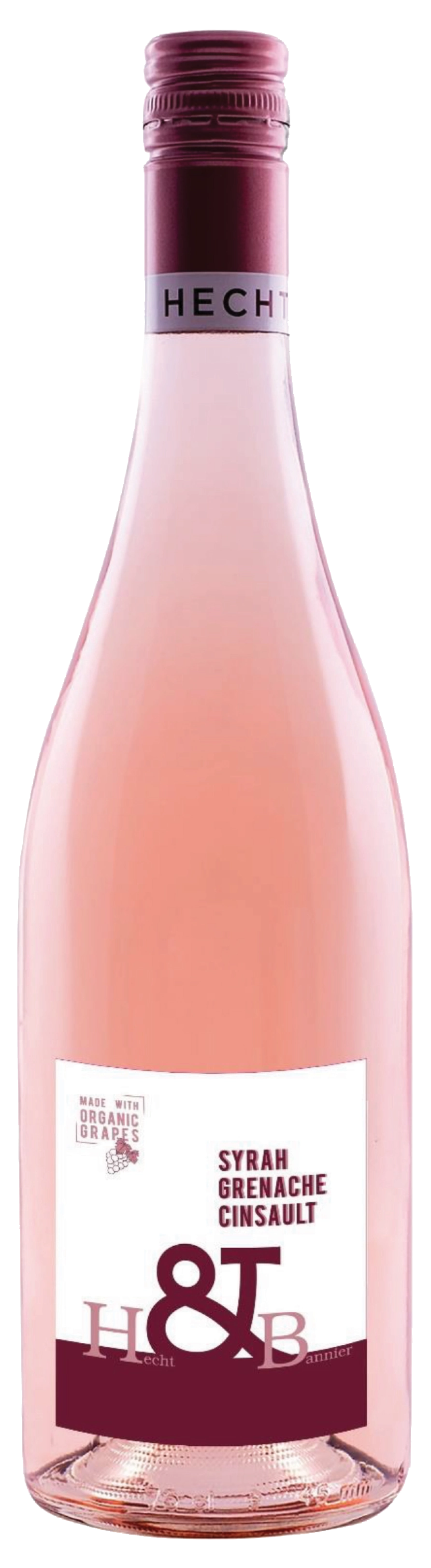
Rosé wines can be made in many styles yet the pale-colored style is increasingly popular. The varieties used are typically Grenache, Cinsault and Mourvedre, just like in neighboring Provence.
Trend #3 - Chillable Reds
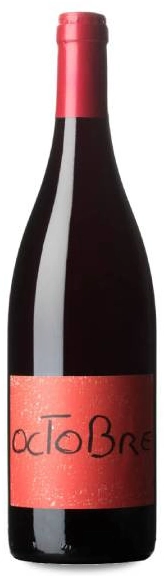
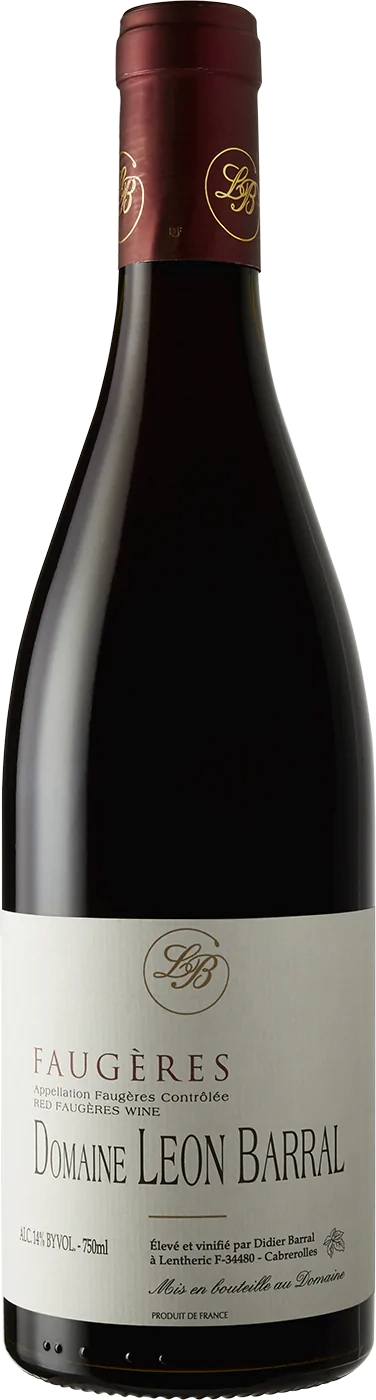
With super dense and bold reds no longer being the darling of today's wine lovers, it's now come time for chillable reds to emerge! The versatility of the Languedoc varieties, especially Grenache Noir, means that the region readily embraced this new style and is offering some amazing wines! In addition to Grenache, Syrah and Mourvedre often complement the blends of these wines.
Ready for more? Find out Why You Should Drink Chillable Red Wine This Summer!
Be sure to explore the wines of the Languedoc region - a hotspot of modern French wine. Whether you're looking for some of the best cheap red wines, a blend of Grenache, Syrah, Mourvedre, natural wines or the up-and-coming Picpoul de Pinet, Langduoc has got you covered!
Evmorfia Kostaki