The Only Guide You Need to Choose the Best Organic Wine
We are what we eat, and even more so, we are what we drink. As we grow more and more conscious about the food and drinks we consume, organic products are gaining popularity. Wine is no exception. You may already have seen the special stickers wine merchants use to make organic wines stand out. You may have heard a thing or two about organic wines being better for your health. But most likely, you find yourself lost. Is organic wine sulfur-free, the alleged culprit behind headaches and hangovers? Is organic wine vegan-friendly? And more importantly, how do you choose the best organic wine you'll truly enjoy without falling for a marketing ploy? Read on, and you will find all your answers in this guide.
What Makes a Wine Organic?
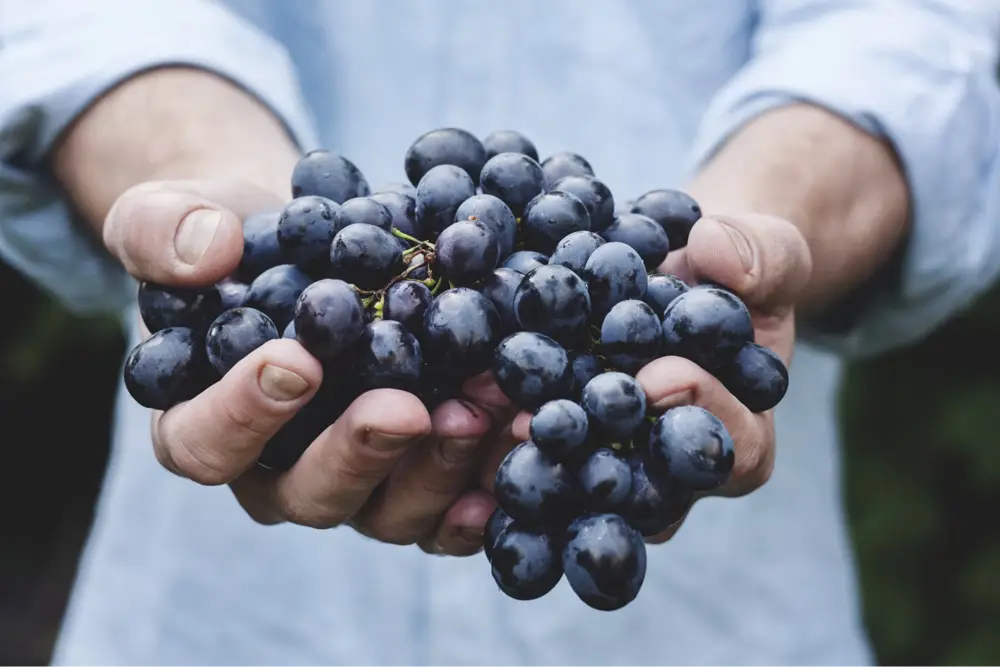
Wine is made from grapes, and organic wines come from organically farmed grapes. Viticulture, like other forms of agriculture, follows similar principles when it comes to organic farming. In simple terms, organic wines are made with organically grown grapes from vineyards that don't use synthetic chemicals like herbicides and fungicides. In organic vineyards, winegrowers treat diseases and weeds with organic products or enhance biodiversity to manage these issues naturally.
Compared to non-organic or conventional wines, the grapes used to produce organic wines won't have chemical residues. In that sense, organic wines are healthier options. However, being organic doesn't mean the wine is free of additives. There are still a few additives allowed within the scope of organic wine production, such as yeast and egg whites. This means organic wines are not naturally vegan.
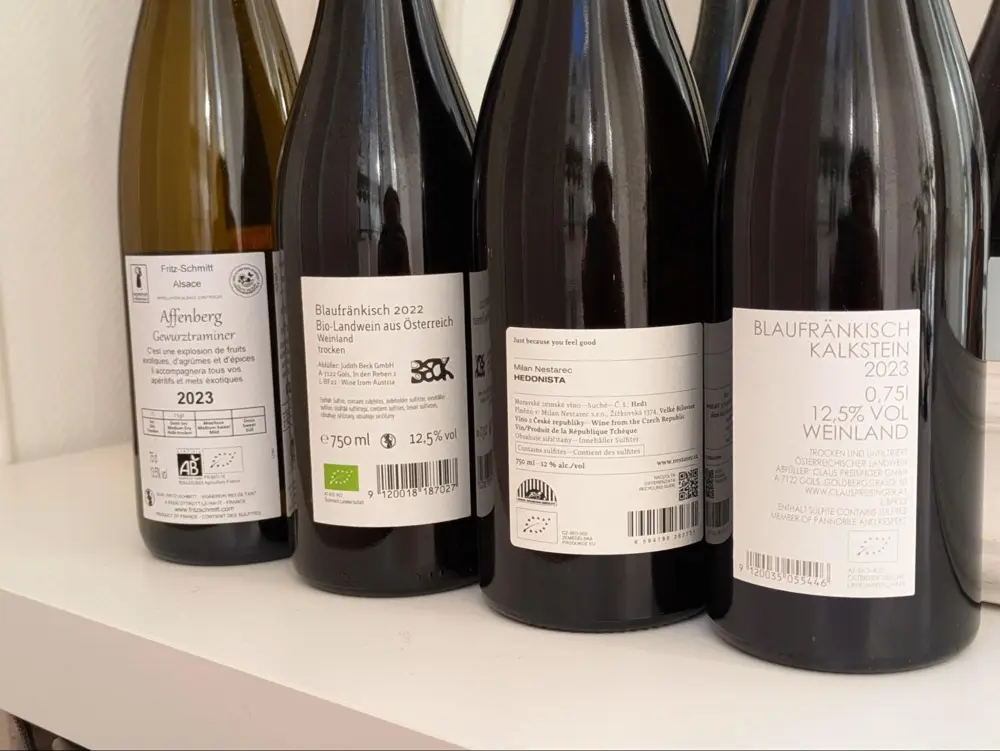
To label a wine as organic, it must have organic certification. Around the world, different certifying bodies regulate organic wine production. It's worth noting that organic certifications apply to vineyards, not producers. This means that if one wine from a producer is organic, it doesn't guarantee that all of their wines are organic too.
There is often confusion between organic wines, biodynamic wines, and natural wines. To put it simply, organic and biodynamic practices focus on farming—how the vineyard is managed and how the grapes are grown. Natural wines, however, must be made from organically or biodynamically farmed vineyards but focus more on limiting intervention in the cellar during the winemaking process.
The Truth About Sulfites in Organic Wine
Some believe that organic wines are sulfur-free. The answer is both yes and no. Sulfites are a natural byproduct of the fermentation process in winemaking, so when people refer to sulfite-free wines, they usually mean wines without added sulfites.
However, regulations vary. In the U.S., organic certification requires that wines contain no added sulfites. In the EU and other countries, organic certification only limits the amount of sulfites that can be added to the wine. This means not all organic wines are sulfite-free.
There are many myths about sulfites. In reality, sulfites act as a preservative and can be found in many food items. Small amounts of sulfites are harmless to human health. The real culprit behind headaches might simply be dehydration caused by higher alcohol content. No direct link has been found between sulfites and headaches.
That being said, sulfites are an allergen, and for those who are sensitive, they can cause skin reactions such as hives or digestive problems like abdominal pain or diarrhea.
Are Organic Wines Really Lower in Sugar?
Organic wines are often marketed as a healthier choice, leading to the assumption that they are lower in sugar. The sugar in wine comes from either the natural sugar content of the grapes or added sugar. Adding sugar to wine serves two main purposes: to adjust the flavor and, more commonly, to help the wine ferment to the desired alcohol level—a process known as chaptalization. This practice is banned in many regions, including California, but allowed with some restrictions in cooler climate regions such as Northern France and Germany.
Organic practices do not regulate the amount of residual sugar in wine. Dry wines usually contain 3-4 grams of residual sugar per liter. Therefore, organic wines do not automatically have lower sugar levels. However, the philosophy of organic winemaking often overlaps with low-intervention practices, meaning that winemakers producing organic wines are less likely to add sugar.
How to Find Good Quality Organic Wine
Choosing a wine can be overwhelming, and choosing an organic wine can be even harder. Without prior knowledge, how do you know if a wine is organic? The easiest way is to check the back label. If a wine is certified organic, you will find an organic logo indicating the certification and the certifying body. However, beyond certification, here are a few tips to help you find the best organic wines you'll enjoy.
Some regions adopt organic farming practices more widely than others. If a region has a significant amount of organic vineyards, it increases the chances that you'll find organic wines there. Spain, Italy, and France account for 75% of the world's certified organic vineyard surface area. In Spain, Castilla-La Mancha has over half of the country's organic vineyard area. In France, the highest concentration of organic vineyards is found in the southern Mediterranean region, though regions like the Loire Valley and Alsace are also known for their organic practices. In Italy, Sicily leads in organic viticulture, accounting for more than one-third of Italy's organic vineyards.
In New World wine regions, New Zealand is known for its sustainability efforts, with more than 30% of Central Otago's vineyards certified organic. If you are looking for the best organic red wines for your taste, try a Nero d'Avola from Sicily if you want something bold and spicy, a Central Otago Pinot Noir for something elegant, or a fruit-forward Garnacha from Castilla-La Mancha in Spain.
For organic white wines, Loire Valley Chenin Blanc or Sauvignon Blanc make great choices as aperitifs or to pair with seafood or fresh salads. If you're looking for something different, try a Grillo from Sicily—you may not have heard of it, but you just might love it.
The Role of Producer Philosophy in Organic Wine
Organic farming requires strict compliance and is not always cost-effective. Many organic wines are produced by small, family-run estates, while larger producers often work through co-ops or négociants.
Good-quality organic wines are made by producers who genuinely believe in growing healthier grapes, respecting nature, and maintaining quality. Because organic viticulture requires more labor and care, it is unlikely that you will find a certified organic wine for just a few dollars. However, many excellent organic wines are available at reasonable prices.
Where to Buy Organic Wines
If you want to explore organic wines in a physical shop, look for retailers specializing in organic, biodynamic, and natural wines. Independent wine shops with a specific niche often carry a well-curated selection. With the growing popularity of organic wines, some fine grocery stores and department store wine cellars now offer organic selections as well.
For online shoppers, many wine merchants now focus on organic selections, while larger retailers have dedicated sections for organic wines. On Vinovoss, for example, you can find an extensive selection of organic and biodynamic wines. The navigation bar allows you to refine your search further based on your preferences, making it easier to find the best organic wines suited to your taste.
If you want to discover new organic wines in an interactive way, attending wine fairs that focus on organic and low-intervention wines, such as RAW Wine, is a great option. Alternatively, subscribing to a wine subscription service that specializes in organic wines can introduce you to new selections tailored to your taste and season.
Finding the best organic wine doesn't have to be complicated. With the right knowledge, you'll find that the best organic wines are not only better for your enjoyment, but also supporting the work of people who are protecting our planet!
Sylvia Ba