Liquid Gold: The Ultimate Guide to Sauternes and Tokaji
We have all read about the news of counterfeit honey from Turkey. But why not glance at the liquid gold in the form of wine? You can enjoy many great liquid alternatives with your dessert—just give them a chance, and they will blow your mind.
Okay, to admit, neither Sauternes nor Tokaj needs to be discovered anew, yet they are due for a revival. Once considered true treasures, especially Tokaji, these wines were so highly revered that King Louis XIV of France is said to have called Tokaji “Vinum Regum, Rex Vinorum”, which translates to “Wine of Kings, King of Wines.”
What Sauternes and Tokaj Have in Common
Both wines share a crucial influence: Botrytis Cinerea, commonly known as noble rot. Despite the association of this fungus with gray mold in agriculture, in viticulture, it is referred to as “botrytis bunch rot”, especially when it appears in wet conditions.
However, some regions such as Sauternes or Tokaj ensure specific circumstances in autumn, when those humid, foggy mornings are followed by dry periods when the sun comes out. This gives the perfect condition for Botrytis Cinerea to ensure the beneficial development of the berries, when the fungus dehydrates the grapes, and then concentrates their sugars and flavors.
The Region: France vs. Hungary
Both wines have a home in places where climatic conditions favor the development of the benevolent form of Botrytis.
Sauternes lies in Bordeaux, France, and gets the climatic influence from the two rivers Garonne and Ciron. Tokaj, in northeastern Hungary, is one of the world's oldest classified wine regions and is famous for its stunning white wines, may they be dry or sweet. Its volcanic soil and the influence of the Bodrog and Tisza rivers provide the perfect setting for noble rot.
The Grape Variety: Sémillon vs. Furmint
Although there are some differences in the winemaking process we won't go too much into detail with this as you could write a book on this topic. It is a science and an art at the same time for itself. The grape varieties used are different ones as well.
In Sauternes, Sémillon is the main grape variety used for those dessert wines. It is known for its thin skins, which make it highly susceptible to noble rot. Sauvignon Blanc and Muscadelle are also used in smaller proportions, adding acidity, and balance and contributing to a certain aromatic complexity.
In Tokaj, the dominant grape variety is Furmint, an indigenous grape, which is naturally high in acidity and has a propensity for botrytis. This makes it ideal for producing rich, long-lived wines. Other varieties being used for blending in are Hárslevelű and Sárgamuskotály (Yellow Muscat) for instance, which add floral and spicy notes at the same time.
In the Vineyard: The Influence of Noble Rot
The process of noble rot formation is slightly different when comparing the two regions.
In Sauternes, the vineyards experience morning mists that allow Botrytis to develop, followed by warm afternoon sunshine that dries the grapes. Harvesting is done by hand, often in multiple passes (“tries successives”) to choose only the best botrytized grapes.
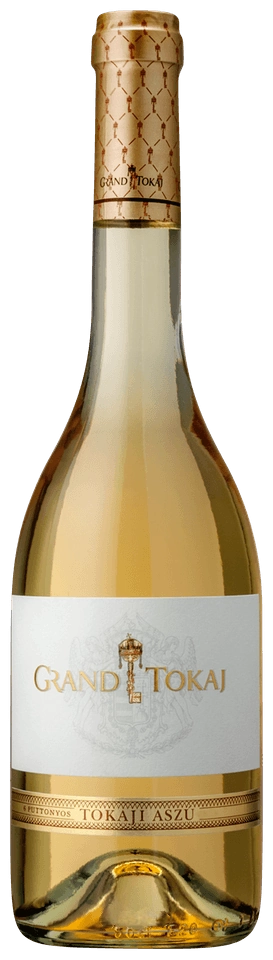
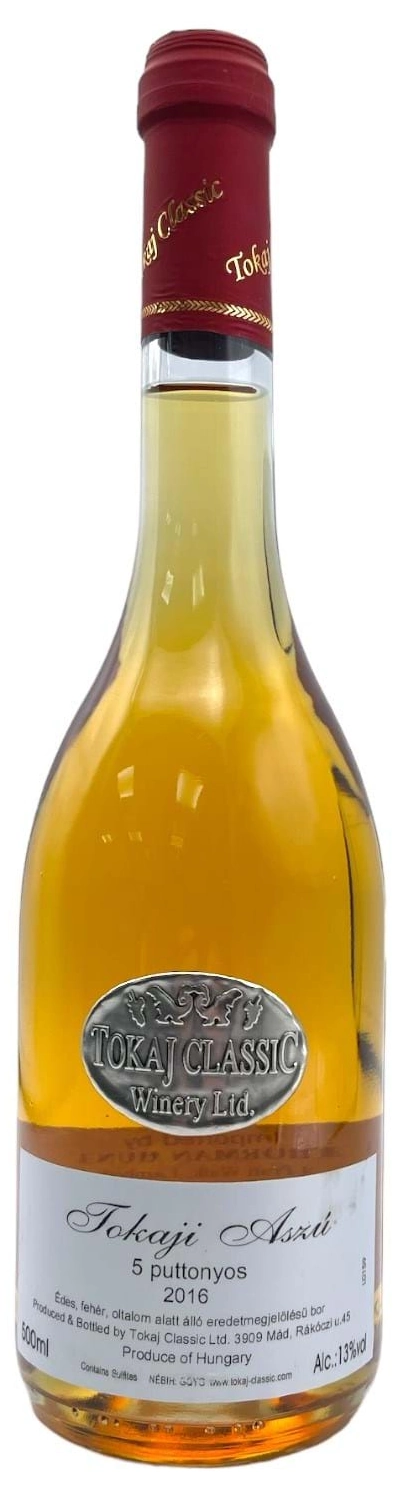
In Tokaj, Aszú berries (botrytized grapes) are picked one by one, to ensure only the most perfectly shriveled, botrytized berries make it into the final blend. The berries are collected in the so-called ‘Puttonys' taking approximately 25 kg of botrytized berries each and added later into either the must, the fermenting must or the final wine made of completely botrytis-free grapes for maceration.
The Vinification: Different Approaches to Sweetness
Once harvested, both Sauternes and Tokaji have very different approaches in terms of vinification leading to those differences in the final wine style.
In Sauternes, after picking those botrytized grapes they go directly into the press. Like that, the highly concentrated juice starts a slow fermentation process. Producers often choose oak barrels for that to impart another dimension to the wine and contribute to its rich honeyed notes combined with a creamy texture.
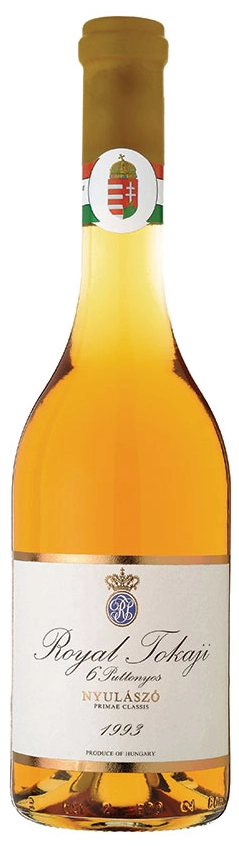
In Tokaj, the traditional process involves macerating the botrytized Aszú berries in a base wine (often made from Furmint). In former times either 3,4 5 or 6 puttonys of botrytised grapes were added into one Gönci barrel with the size of 136l volume of wine, hence the numbers on the label, also indicating the level of sweetness.
One note aside for the geeks: Nowadays you will only find the numbers 5 or 6 on the labels these days since regulations have switched to ensure the highest qualities. Sometimes producers even prefer to simply put ‘Aszú' on the label which is also allowed.
In the case of a ‘Szamorodni' grape bunches would have been harvested ‘as they were grown' with a certain percentage of botrytized grapes and healthy grapes at once and this would have gone into the press.
The final sweet Szamorodni wine is a bit more wild and spicy compared to the very pure and clean Aszú wines and sugar levels would vary according to the amount of botrytized berries in the bunches being picked.
The Final Result: Liquid Gold
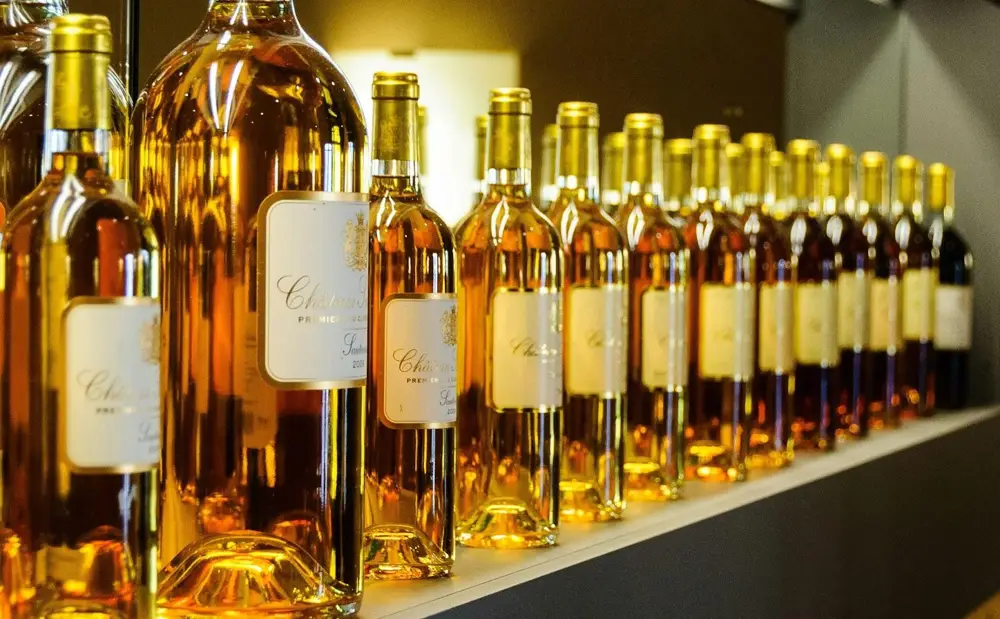
Both wines are almost like rich, golden-hued nectar, though if you taste them side by side their profiles are so different almost like night and day.
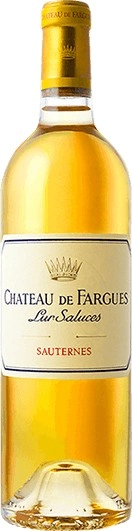
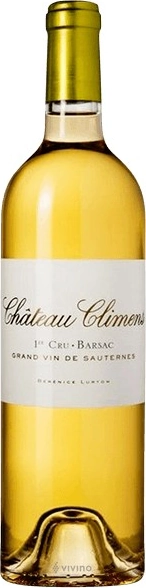
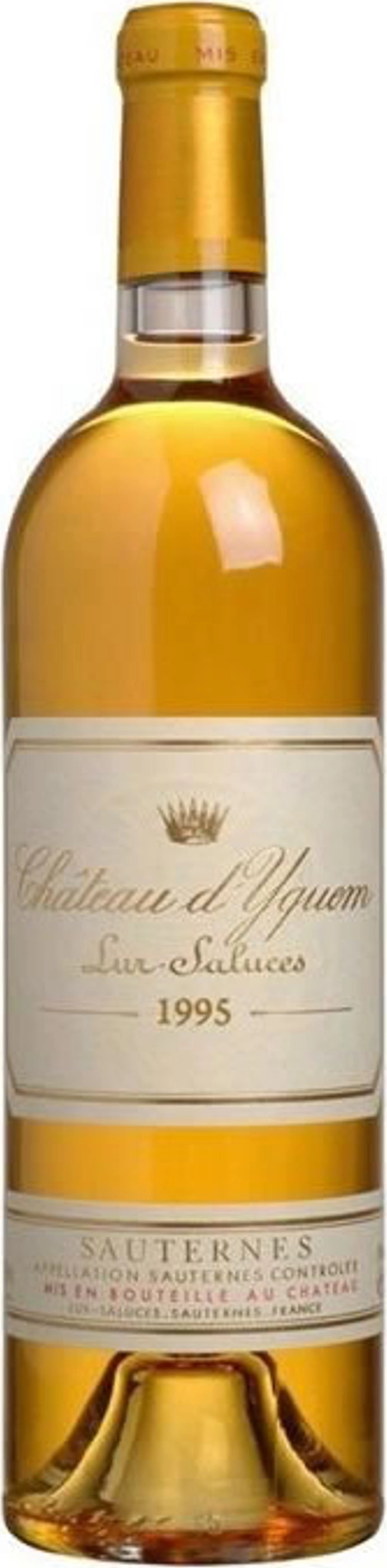
Sauternes often comes along with notes of apricot, honey, tropical fruit, and vanilla, combining a velvety texture with a balanced acidity. The use of oak in the aging process adds subtle toasty and nutty nuances on top of that.
Tokaji Aszú, on the other hand, is rather characterized by dried apricots, orange peel, and has a certain spiciness sometimes even showing ginger notes. Furthermore, there is its absolutely pronounced acidity that balances the sweetness of the wine, hence causing a sensation of freshness.
They both are ideal for aging, with their flavors evolving into deeper more concentrated notes of dried fruits, nuts, and honey.
Perfect Pairings
These exceptional dessert wines are perfect to enjoy by themself but can give even bigger pleasure if paired properly with the right foods.
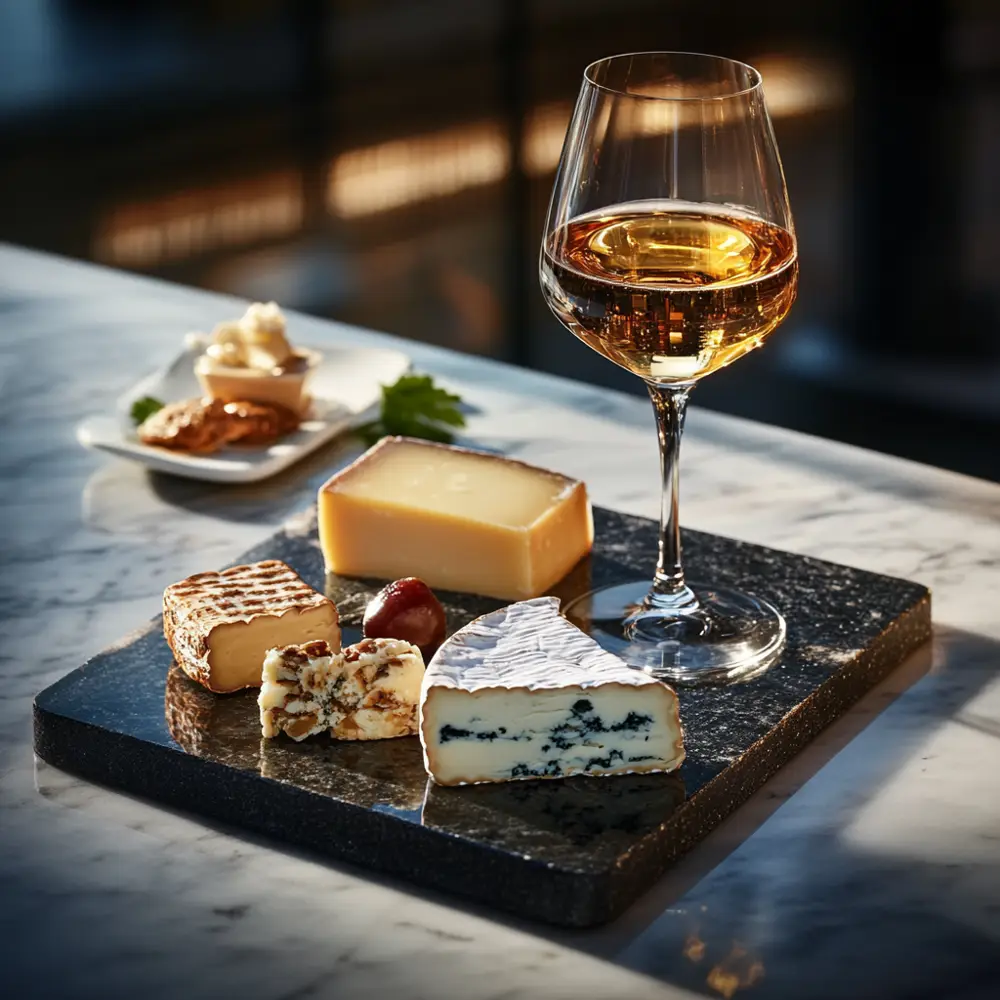
Sauternes complements ideally with foie gras, blue cheese (especially Roquefort), fruit tarts, and crème brûlée. Tokaji Aszú pairs beautifully with nut-based desserts, duck liver pâté, and aged cheeses like Stilton.
A Timeless Indulgence
So it depends on everyone's personal preference, whether you'd rather go for the elegance of Sauternes or the spicy complexity of Tokaji Aszú. Neither won't disappoint you and for all those we have made curious, we have put some wines together for you to taste. So sit down, take your glass and enjoy this fluid treasure.
Cheers.
Lotte Gabrovits