Beyond the Bubbles: Your Insider’s Guide to Prosecco
Prosecco, Italy's most successful sparkling wine, has captured the hearts of wine enthusiasts around the globe. Its playful bubbles and refreshing taste make it the drink of choice for every situation. But is there more to Prosecco than just fizz? Let's explore the unique styles, tastes, and production methods that define this beloved sparkling wine.

The Classic Prosecco Taste Profile
Prosecco is known for its light, crisp, and aromatic qualities at its core. It typically presents a bouquet of green apple, honeydew melon, pear, and floral notes like honeysuckle. On the palate, you can expect a harmonious balance between acidity and fruitiness, with a touch of sweetness that doesn't overpower the freshness.
Prosecco is primarily made from Glera grapes, a white grape variety grown in the Veneto and Friuli Venezia Giulia regions of Italy. The traditional method of producing Prosecco involves a second fermentation process in large steel tanks, known as the 'Charmat' method. This technique helps preserve the wine's fruity and floral characteristics while imparting those defined bubbles.
Exploring the Sweetness Spectrum
One of the lesser-known aspects of Prosecco is its range of sweetness levels. Prosecco generally comes with an “Extra Dry” writing on the label. However, producers are also starting to produce drier styles. Look out for a Brut, or Extra Brut Prosecco and taste the racy acidity and mineral taste profile of the Glera grape!
- Brut Nature: Almost no residual sugar, offering a pure, crisp taste.
- Extra Brut: Very dry with a subtle hint of sweetness.
- Brut: Balanced dryness, making it a versatile choice for various occasions.
- Extra Dry: Slightly sweeter, enhancing the fruit-forward profile.
- Dry: Noticeably sweet, perfect for those who enjoy a richer flavor.
- Demi-Sec: The sweetest style, ideal for desserts or sipping on its own.
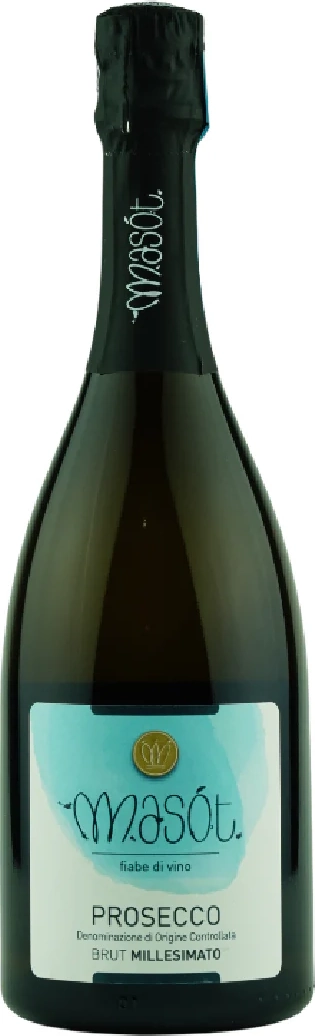
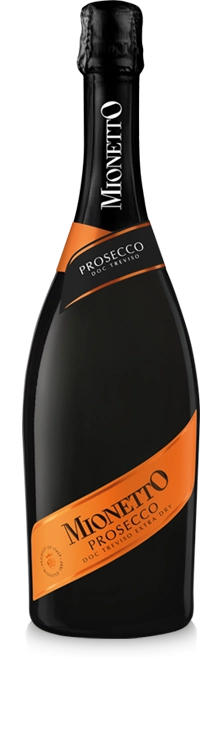
The sweetness is achieved in a different way than with Champagne. In Prosecco, the producer chooses to stop the fermentation in the tank with cooling, and then filter the wine before bottling.
This means the yeast of the second fermentation is removed and can't convert all sugars into alcohol and Carbon Dioxide (the bubbles!). In Champagne, where fermentation is always in a bottle, producers don't have the opportunity to stop the fermentation and can choose to add the “liqueur d'expedition”, which can include grape sugars and even brandy!
The Terroir's Influence
The region where Prosecco is produced plays a significant role in its taste and quality. The most prestigious area is the Conegliano Valdobbiadene Prosecco Superiore DOCG zone, located between the towns of Conegliano and Valdobbiadene. Here, the steep hills and microclimates contribute to the complexity and elegance of the wine. There, the single vineyard “Cartizze” produces some of the most refined Prosecco wines that exist!
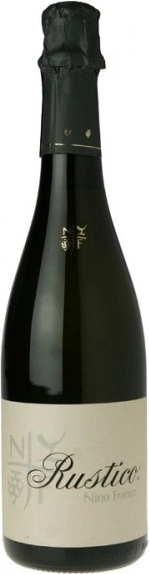
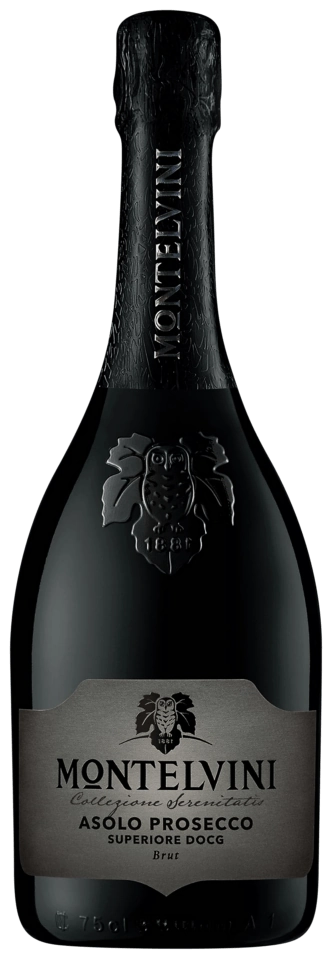
Another notable region is Asolo Prosecco Superiore DOCG, often referred to as "Colli Asolani." This hilly terrain yields wines with a distinctive minerality and fuller body. Both DOCG areas are recognized for their superior standards and strict production regulations, ensuring top-notch Prosecco.
Alternative Production Methods
The Charmat method is often used to make Prosecco. However, some producers are experimenting with different techniques to make their sparkling wine unique.
One such method is the 'Metodo Classico', where the second fermentation occurs in the bottle, similar to Champagne. This process can impart a creamier texture and more complex flavors, with notes of brioche and almond complementing the classic fruitiness.
Another intriguing approach is the 'Col Fondo' style, which translates to "with the bottom." This is also a bottle fermented wine, however, it's not “Spumante” like the Metodo Classico, but “Frizzante” as it has lower pressure in the bottle. Producers then leave the yeast sediment inside, giving it a hazy appearance.
This style is derived from Prosecco's historical roots and offers a different perspective on the wine's potential, however, producers can't officially use it on their labels anymore as it's a copyrighted term by a handful of wineries! While the trademark owners don't take action against producers who still write “Col Fondo” on the labels, turbulence in the region can occur at times, and many see it as an unnecessary risk.
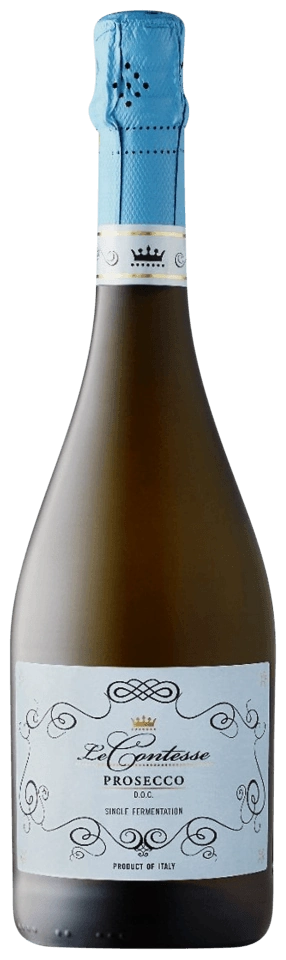
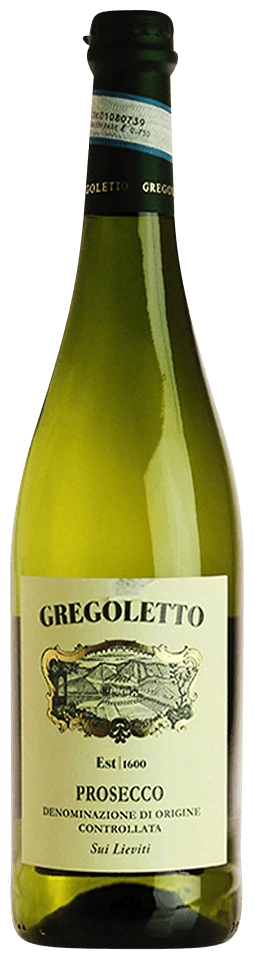
The new kid on the block “Sui Levieti” or more officially “Conegliano Valdobbiadene Prosecco Superiore Sui Lieviti DOCG Brut Nature” is what has come to replace the gap left by the copyright of the term Col Fondo. Therefore the wines are doing the second fermentation in bottle and are never disgorged, staying on the lees - sui levieti. While their hazy appearance can mislead you into thinking it is a Pet-Nat or Ancestral Method wine, these more closely resemble the traditional method.
Rosé Prosecco Please!
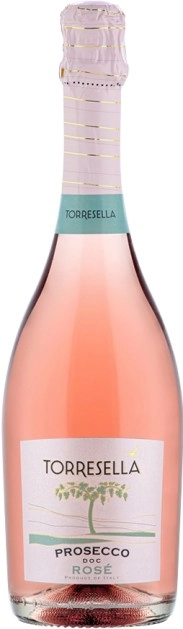
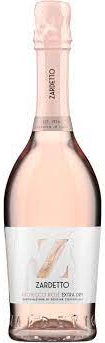
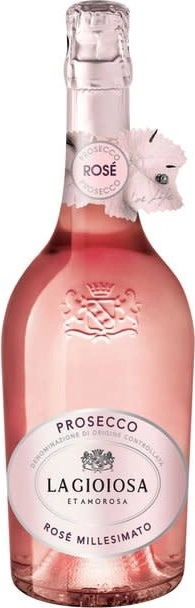
Beyond the typical white Prosecco, there's also Prosecco Rosé, a relatively new addition officially recognized in 2020. This pink-hued wine is made by blending Glera with up to 15% Pinot Noir, adding a dimension of red berry flavors and a touch of sophistication to the wine's profile - not to mention a super attractive color!
Pairing Prosecco with Food
Prosecco's versatility extends to the dining table, where it pairs beautifully with a variety of dishes. Its bright acidity and effervescence make it an excellent companion to sushi, light pasta dishes, and appetizers. Brut and Extra Brut styles pair perfectly with fried vegetables or seafood!
Did you know…? Aperol Spritz, one of the most popular cocktails at the moment, includes Prosecco in its original recipe! You can create a variety of wine-based cocktails using Prosecco and your favorite liquor or sweet wine!
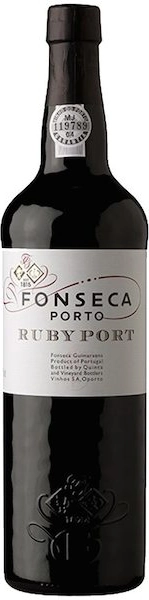
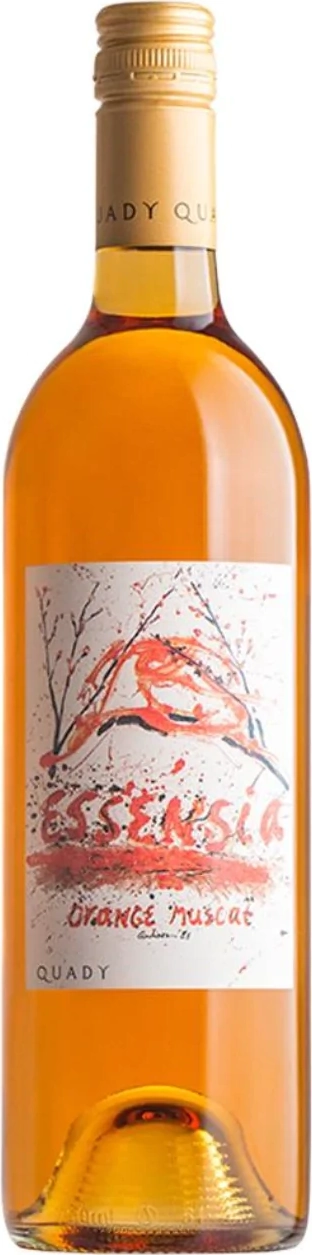
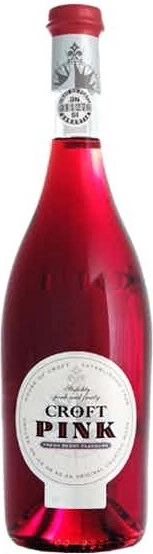
Here are some wines you can mix with Prosecco!
Prosecco is more than just a bubbly beverage; it's a reflection of Italian winemaking heritage, regional diversity, and innovative spirit. Whether you prefer the classic dry style or decide to explore the drier or rosé variations, there's a Prosecco out there for every palate.
Cheers to Prosecco – the star of any occasion!
Evmorfia Kostaki