Does Natural Champagne Exist?
Natural wine is always a topic that sparks discussion. The efforts of winemakers and growers in the natural wine movement have been noticed, accepted, and embraced by consumers. This popularity and market success have driven the movement to expand. Champagne, typically associated with luxury and celebration, isn't often linked with the image of being natural, hipster, rebellious, or radical. Nonetheless, a few Champagne growers are acknowledged within the natural wine community for producing natural Champagne. But does natural Champagne really exist?
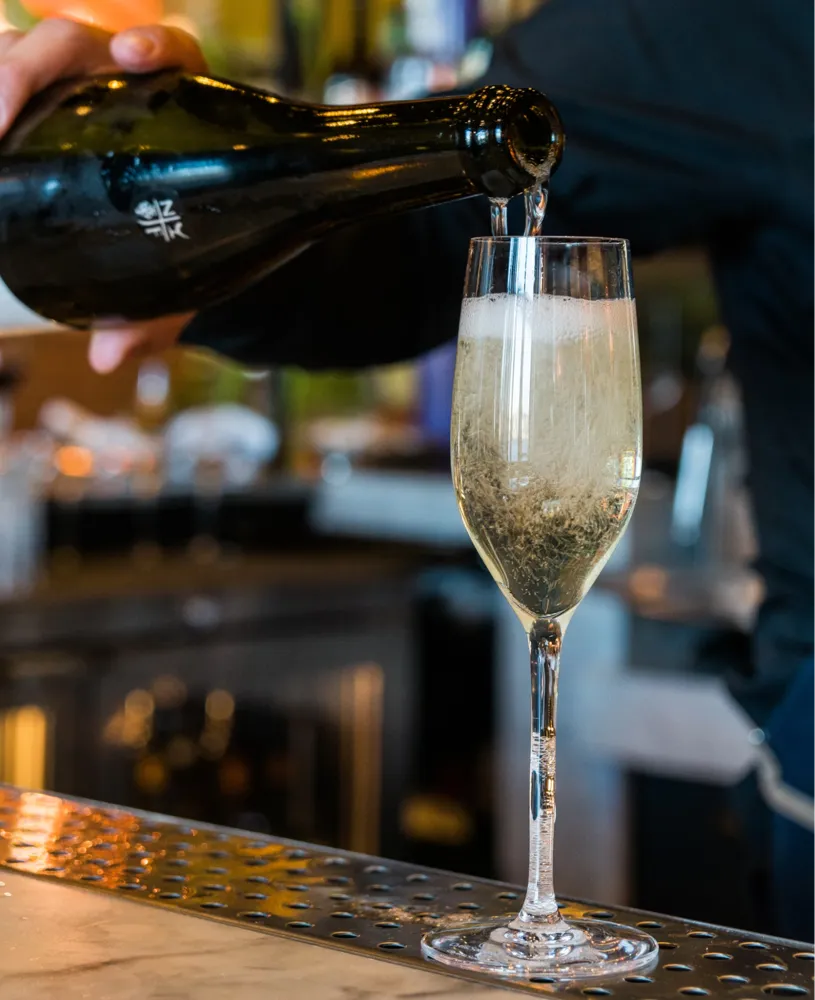
The natural wine movement is also happening in the Champagne region (Photo: Steve Daniel, Unsplash.com)
What Makes a Wine “Natural”?
To put the question into context, we must be clear: what exactly is natural wine, or what makes a wine “natural”? There is no official definition or certification for natural wine, and different organizations have varying standards. However, there are some commonly accepted standards for natural wine.
Natural wine is made from organically grown grapes. That is to say, the vineyard should be managed in a way that respects nature, with no synthetic chemicals, pesticides, or herbicides allowed. Natural wine producers usually practice organic or biodynamic viticulture, sometimes following both principles.
In the cellar, natural wine is made with a minimal intervention approach. This means the wine is made without any physical treatment to change its content, such as reverse osmosis or centrifugation, and without additives like acid, sugar, or flavor enhancers. The only exception is sulfur. The fermentation takes place spontaneously with indigenous or native yeast on the grape skin. Natural winemakers believe that indigenous yeast reflects the true flavor grown in the vineyard, while commercial yeast often influences the taste profile of the wine, causing it to lose its authenticity.
The fermentation process, both alcoholic fermentation and malolactic fermentation, should be free of human intervention, or at least, have no intervention unless necessary. When indigenous yeast cannot start or sustain the fermentation, a common practice is to use a “pied de cuve.” Interestingly, this is similar to making sourdough bread. A small amount of grapes is picked earlier than the harvest date and starts fermenting and later to be added to the crushed grapes when they are harvested.
A heated topic of natural wine is the usage of sulfur. Although different natural wine associations have different standards and individual winemakers have different opinions about it, it is commonly agreed that sulfur use should remain minimal (usually < 40mg/L) for natural wines, and sulfur should only be added before bottling as a preservative.
The Inevitable Intervention of Champagne
As natural winemaking involves many principles and restrictions, Champagne production, as a prestigious region, also follows strict laws.
Let's set aside the fact that the climate conditions in the Champagne region make organic and biodynamic practices very difficult, as the vines are susceptible to mildew, and focus on the winemaking aspect.
The key to Champagne production is the second fermentation in the bottle, which creates the bubbles. To start this second fermentation, adding “liqueur de tirage,” a mixture of still wine, yeast, and sugar, is crucial. Unlike sparkling wine made using the “méthode ancestrale” (e.g., Pet Nat), where the fermentation isn't finished, so the wine continues to ferment in the bottle, creating effervescence, Champagne must start with base wines that have completely finished alcoholic fermentation. Adding “liqueur de tirage” to produce bubbles is the inevitable intervention in the Champagne-making process.
Another inevitable intervention that prevents Champagne from being completely “natural” is the dosage process before final bottling. This involves adding “liqueur de dosage,” also called “liqueur d'expédition,” a mixture of still wine and sugar, after disgorgement (the removal of dead yeast from the bottle) to adjust the sugar level and overall taste profile of the Champagne. Compared to adding “liqueur de tirage,” this step can be circumvented. Champagne that isn't dosed is called Brut Nature, or zero dosage Champagne. With climate change, the maturity of grapes in Champagne has made it increasingly possible to produce high-quality Brut Nature Champagne, which is becoming a trend.
Natural Champagne: Sulfur-Free? Zero Dosage?
So, if true “natural” Champagne doesn't really exist, what are those natural Champagne? Sulfur-free? Zero Dosage? Like natural wine, winemaking cannot be completely free of human intervention. Some radical natural wine advocates insist that real natural wine should be zero/zero, meaning nothing added and nothing taken away from the original wine. However, the effort of low intervention among Champagne producers aims to make authentic Champagne that expresses the terroir.
Ultimately, Champagne is still Champagne. It can be as “natural” as possible, and some winemakers are pushing the boundaries by making high-quality Champagne with lower and lower amounts of added sulfur and dosage.
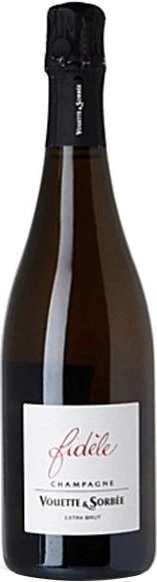
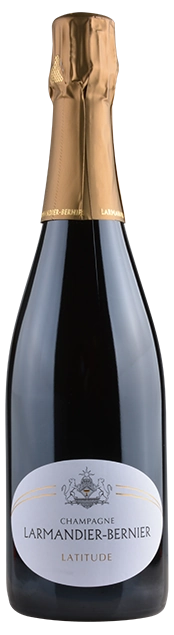
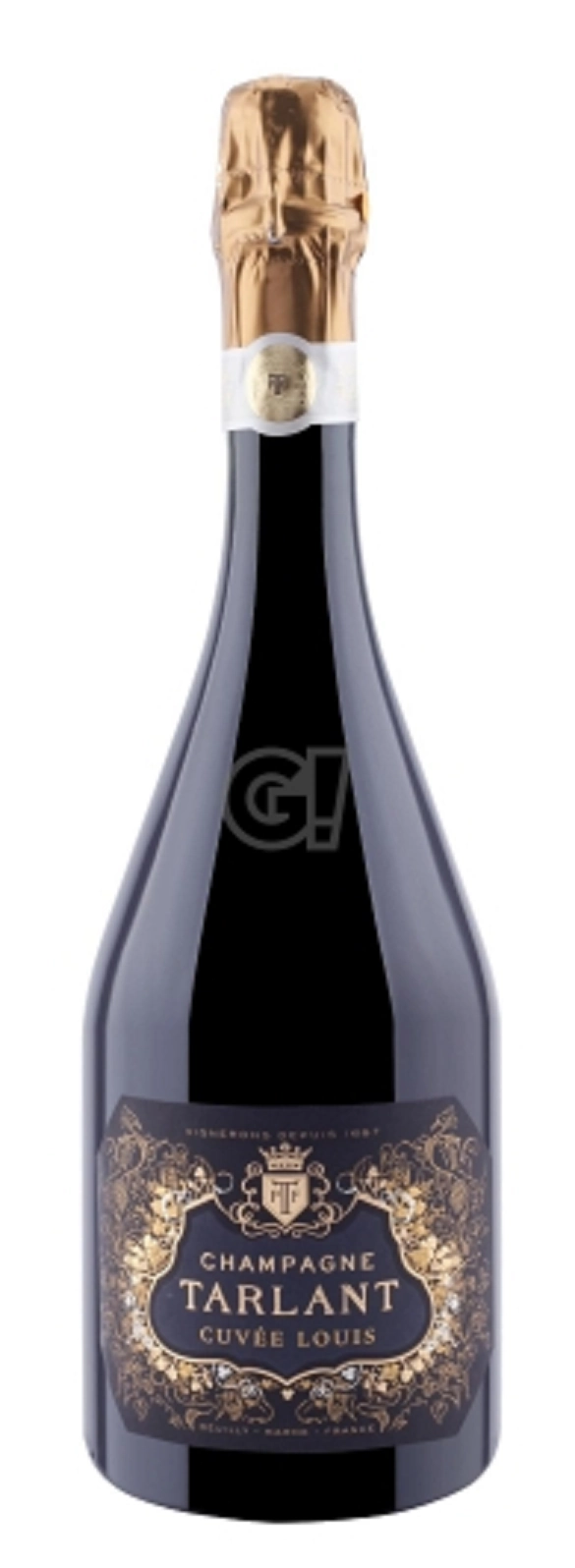
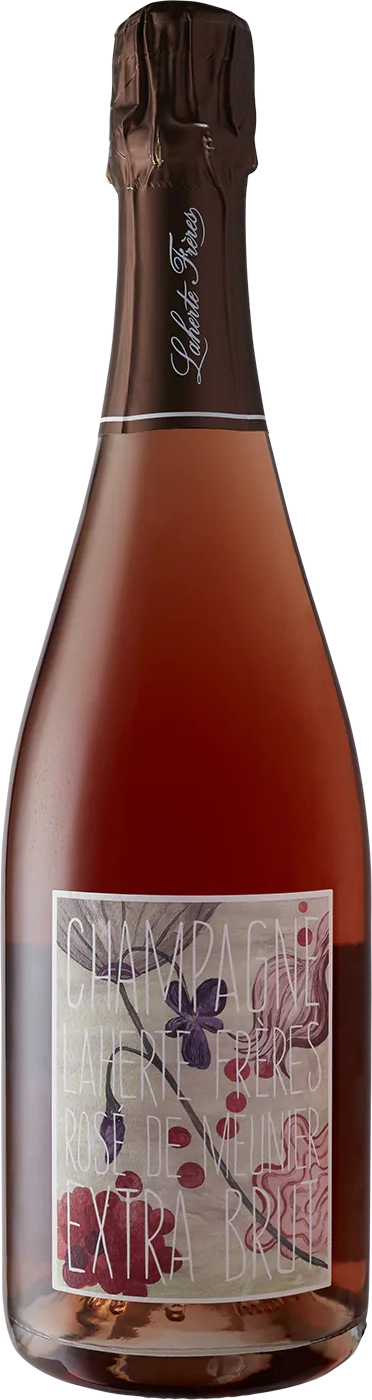
If you are curious about “natural” Champagne, here is a list of Champagne made under the biodynamic principles and the minimal intervention approach for you to try out:
Sylvia Ba