Meet the Wild Child: Everything You Need to Know About Sauvignon Blanc
Originating from the region of Bordeaux, located on France's Atlantic Coast, Sauvignon Blanc is the world's third most planted white grape variety for winemaking. It derives its name from the French for wild, “Sauvage”, referring to its growth in the wild. This variety has achieved mainstream recognition amongst consumers for its lively, refreshing wines, and popularity with growers for its ability to thrive in a range of climates and soil types, producing some of the best white wine in the world.
What Does Sauvignon Blanc Taste Like?
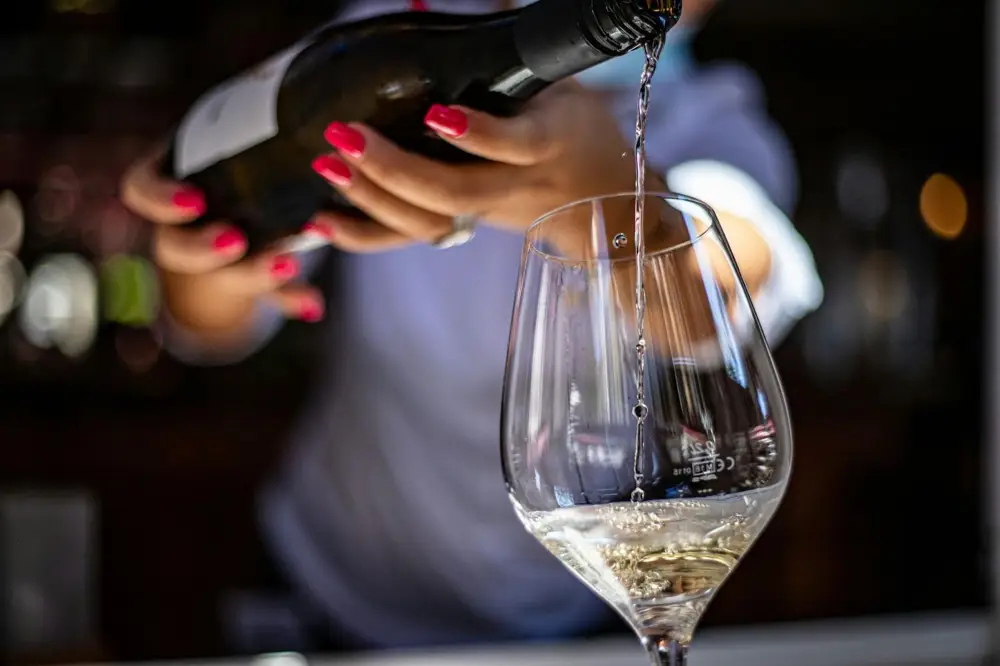
Cat's pee, grass, and nettles are just a few descriptors commonly used to express the aromatic profile of Sauvignon Blanc. On this basis, it is perhaps unsurprisingly seen as a divisive variety; its strong personality and recognizable character mean it is loved and despised in equal measure.
Whilst capable of expressing terroir, Sauvignon retains its marked grassy character making it easy to identify wherever it is grown. Planted in a cool climate, Sauvignon Blanc typically exhibits citrusy notes, often reminiscent of lemon, lime, and grapefruit, compared to moderate temperatures, where the profile tends to nudge into the stone and tropical fruit spectrum.
Whilst you may be more familiar with unoaked expressions of Sauvignon Blanc, maturation in new oak is common in certain regions, helping to curb its intensely herbaceous character and contributing textural breadth.
Sauvignon Blanc in the Vineyard
In the vineyard, Sauvignon Blanc is a notoriously vigorous variety, meaning that it tends to crop excessively and grow rapidly. This requires diligent vineyard management and careful yield restriction to produce wines of sufficient depth and concentration.
Sauvignon Blanc Around the World
France: Loire Valley Sauvignon Blanc and Bordeaux Whites
Starting with its native country of France, the Loire Valley and Bordeaux are two of the regions that best express Sauvignon Blanc's potential. In the cooler, northerly located Loire Valley, Sancerre and Pouilly-Fumé are capable of creating some of the world's most nuanced and mineral-driven examples.
Further south, Sauvignon is often blended with a proportion of Semillon, which contributes body and stone fruit flavors. Generic Bordeaux Blanc and the whites of Entre-Deux-Mers tend to yield wines of limited aging potential, whilst those hailing from Péssac-Léognan may have the potential to improve in bottle for decades, developing layers of nuts and honey.
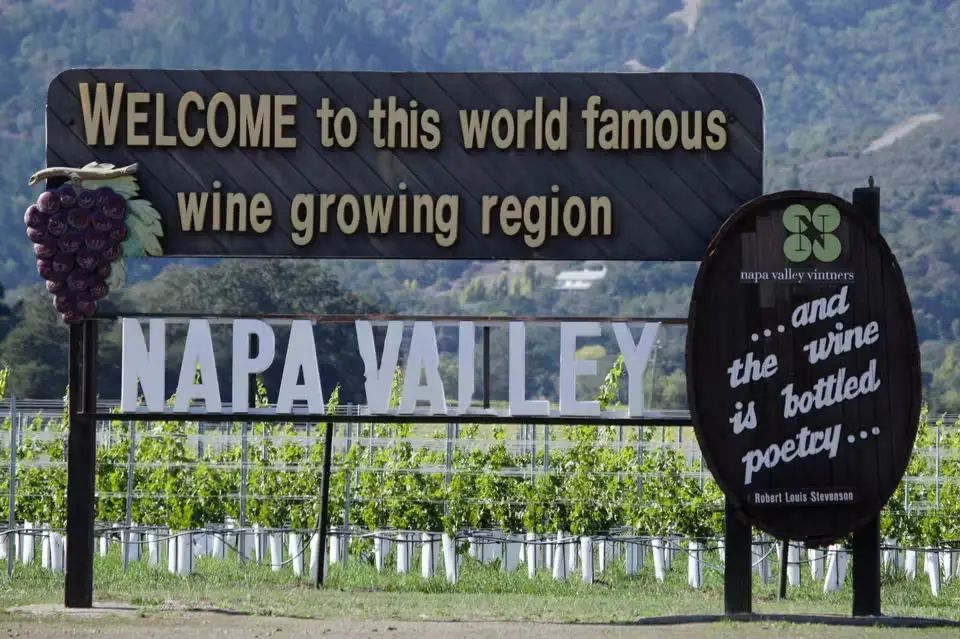
USA: Discovering Fumé Blanc and Napa's Take on Sauvignon
“Fumé Blanc” is an oaked style of Sauvignon Blanc, a confusing term coined by Napa Valley pioneer Robert Mondavi, who was seeking to create a richer, more opulent expression of the variety to cater to the American palate. These wines tend to show greater weight and richness, bursting with tropical flavors that are complemented by hints of nougat and vanilla cream.
New Zealand Sauvignon Blanc: Why Marlborough Is a Global Favorite
Widely accepted as New Zealand's flagship variety, and undoubtedly its most successful vinous export, Marlborough Sauvignon Blanc began to appear in the 1970's, offering a refreshing alternative to the heavily oaked, ultra buttery Chardonnays that were all the rage. Suffice it to say, this pungent, grassy style won over the hearts of consumers and remains wildly popular to this day.
Australian Sauvignon Blanc: From Margaret River to Adelaide Hills
Whilst Chardonnay may be the poster child of white wines in Australia, there are several fine examples of Sauvignon Blanc produced throughout the country. Given the wide range of climates and terroirs in Australia, there is a huge diversity of styles available to consumers, ranging from Bordeaux-style whites from the Margaret River to incisive, nervy wines from the Adelaide Hills.
Chile's Sauvignon Blanc: Fresh, Zesty, and Affordable
Think freshly cut bell peppers and lime juice. Living up to its reputation for providing excellent value wines, Chile once again delivers with Sauvignon Blanc. The Casablanca and San Antonio Valleys are two coastal regions that enjoy the cooling influence of the Humboldt Current that flows up from the Antarctic. This moderating effect prolongs the growing season, allowing for greater flavor development and wines with a signature brightness and vibrancy.
South African Sauvignon Blanc: Elegant and Diverse
From the fuller, broader wines of Stellenbosch, and the earthy, dusty styles from Durbanville, through to the leaner styles found at high elevation in the vineyards of Elgin, South Africa has plenty of regions to explore for those seeking richer styles of Sauvignon without the overt fruitiness typical of some of the non-European counterparts.
Best Sauvignon Blanc Food Pairings
Given Sauvignon Blanc's naturally grassy character, classic pairings include goat's cheese with a regional match made in heaven of Sancerre and the local Crottin de Chavignol, a sublime pairing and personal favorite of mine.
Its sharp acidity also means it can stand up to lemon or vinegar-based foods without appearing flabby or dull, allowing it to work well with dressed salads and tangy vegetarian dishes.
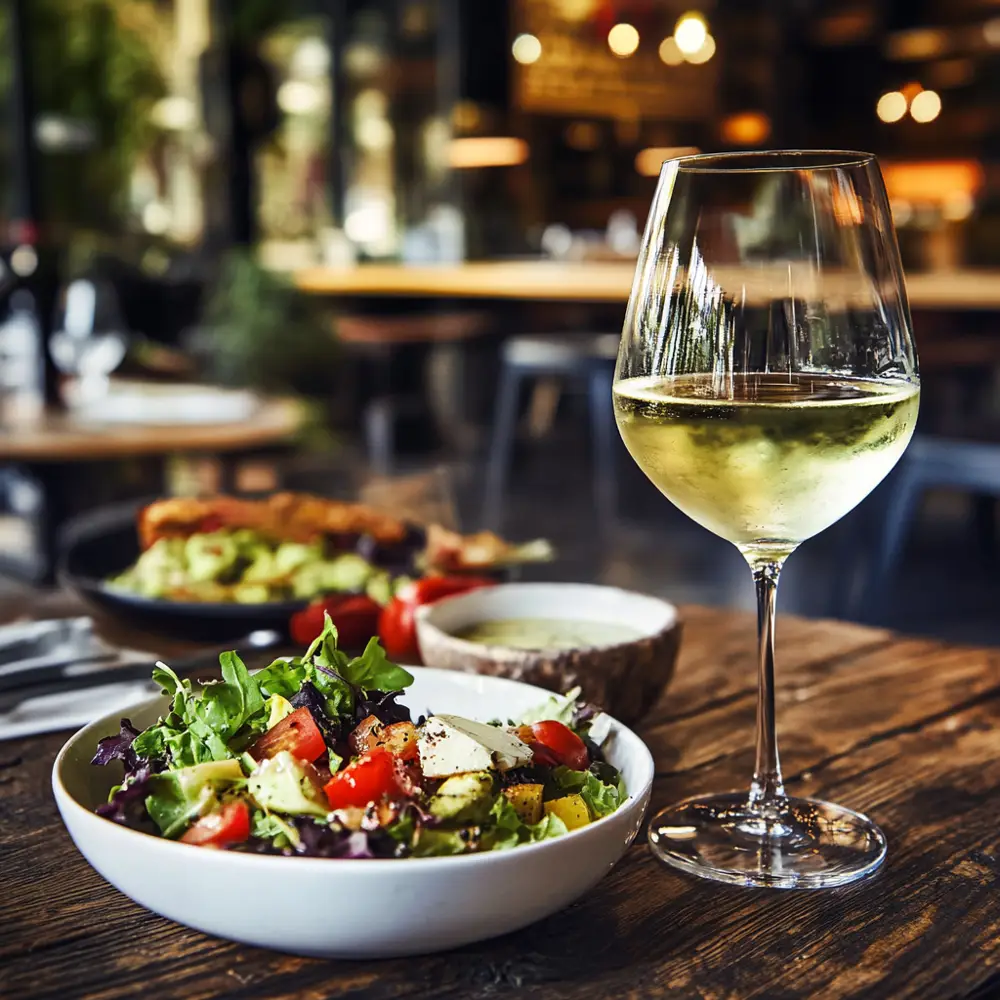
Whitefish, poultry, or pork dishes laced with herbs can provide an interesting gastronomic combination, with the Sauvignon adding an invigorating bright zestiness and herbal edge that cleanses the palate. Why not try pairing a Chilean Sauvignon Blanc with a sea bass ceviche, by tying in flavors of capsicum and lime juice, for a stunning pairing that is sure to impress?
How to Choose a Sauvignon Blanc: Classic Picks and New Discoveries
Whilst the pungent, gooseberry-scented profile that typifies Marlborough of Sauvignon Blanc remains a staple for many wine drinkers, there are a plethora of forgotten, as well as up-and-coming examples that are worth discovering. The barrel-matured, age-worthy wines of Pessac-Leognan make some of the best Sauvignon Blanc /for the money and may well qualify as the most underrated whites in the whole of France, with classified growths selling for little more than regional-level Bourgogne Blanc.
Conversely, avant-garde winemakers across the world are experimenting with the skin-contact style, commonly known as orange wine, and alternative vessels like amphorae to create textural, intellectual, and thought-provoking wines that demand serious consideration. The Styria region of Austria can provide a good starting point for those of an inquisitive disposition.
Sauvignon Blanc's Aging Potential Beyond Youthful Zest
The majority of Sauvignon Blanc sold is intended to be consumed in its youth; to revel in its abundance of pungent, upfront zesty fruit and wild allure. However, the best examples unquestionably have the ability to improve in bottle, thanks in part to its characteristically mouthwatering acidity. With further time in the bottle, it can gain layers of honey and smoke, achieving greater textural breadth and roundness.
Wine Geek Corner: Sauvignon Blanc Fun Facts
- 1. Sauvignon Blanc often plays an important role in the sweet wines of Sauternes, where it provides acidity and freshness to the blend.
- 2. Alongside Cabernet Franc, Sauvignon Blanc is one of the parents of the world’s most planted red variety: Cabernet Sauvignon.
- 3. In 2024, Sauvignon Blanc was by far Marlborough’s most planted variety, making up 66% of New Zealand's total producing area.
Sanya Abhay