How Dry Farming is Changing the Viticultural Landscape
You may have encountered the term "dry-farmed wine" in a wine description or on the website of a local winery. Wine producers often take pride in their dry farming practices, suggesting it's more sustainable and results in better quality and more authentic wines. But what exactly does dry farming entail, and are dry-farmed wines better?
What Is Dry Farming?
Water is of utmost importance in agriculture, including viticulture. Dry farming, despite the name, does not mean farming without water. Dry farming is the practice of cultivating crops without the aid of irrigation, relying solely on the natural precipitation that falls on the land.
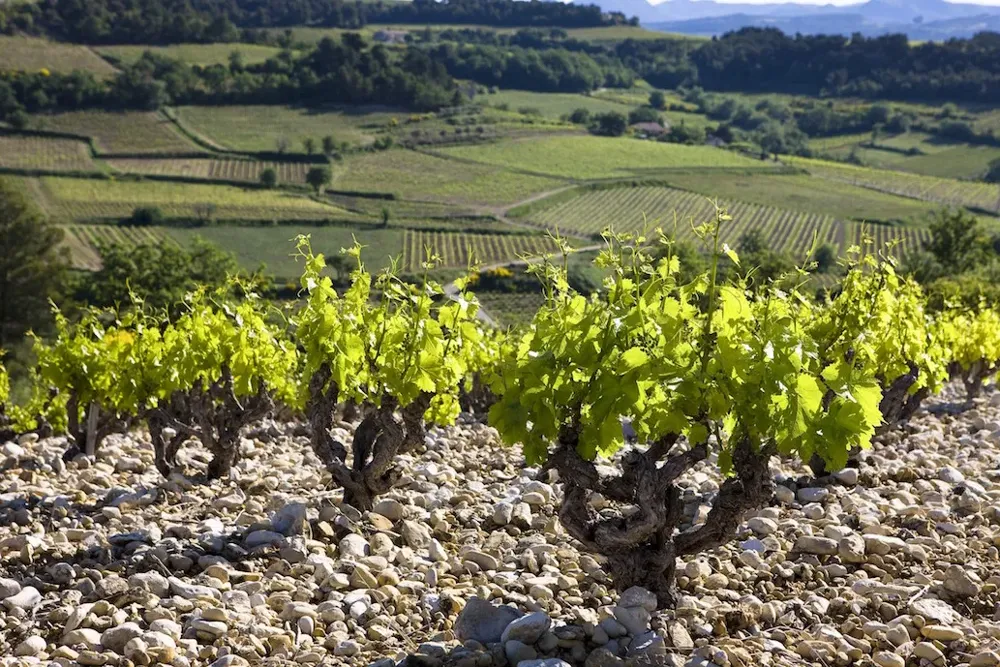
Dry farming in viticulture has long been common in Mediterranean regions, where summers are hot and dry. This method encourages vines to develop deep root systems to access moisture stored in the soil. It is more prevalent in European wine regions, while less common in places like California since the 1970s due to irrigation, which increases yields and economic profitability. In fact, irrigation is strictly prohibited or only allowed in emergency situations in most European wine regions.
Is Dry-Farmed Wine Better?
To determine if dry-farmed wine is inherently better, it is important to understand how irrigation impacts the vines and the resulting wine.
Irrigated vines receive a controlled amount of water throughout the growing season, leading to higher yields since the vines experience less stress and can produce larger grapes. The ample water supply promotes vegetation growth, directing nutrients not only to the grape berries but also to the leaves. As a result, irrigated vines often develop a more shallow and expansive root system, which can sometimes lead to less concentrated fruit flavors. Consequently, the grapes may have more diluted flavors and less complexity.
On the other hand, dry-farmed vines are pushed to dig deeper in search of moisture in the soil, which forces them to develop a deeper root network. The roots dig further to absorb the nutrients found in the deeper levels of the soil, giving the grapes distinctive complexity. The absence of irrigation also means that the vines are less likely to suffer from overly lush vegetative growth, allowing the energy to go into ripening the fruit rather than supporting excessive foliage. The lack of water often leads to grapes with smaller berries and a higher skin-to-juice ratio. Since much of the wine's flavor comes from phenolic compounds, which are mainly found in the skin, these smaller, more concentrated berries can produce wines with a richer, more intense flavor profile.
Dry farming often results in lower yields, but the grapes that do develop are typically packed with more complex flavors. This is why dry-farmed wines are sometimes marketed as higher quality. The stress-induced concentration of flavors and the unique expression of the vineyard's terroir can create wines with depth and character.
Dry Farming in the Context of Climate Change
As climate change intensifies, the practice of dry farming is becoming increasingly relevant and, in some cases, contentious. The changing climate brings more frequent and severe heatwaves and droughts, putting added pressure on vineyards and winegrowers.
In California, where drought conditions have become a frequent reality, dry farming has gained traction as a way to cope with water scarcity. The practice not only conserves precious water resources but also helps vines adapt to changing conditions. Vines that are dry-farmed are often more resilient to heat and drought because their deep root systems allow them to tap into water reserves that might be unavailable to irrigated vines. In recent years, many producers have converted their vineyards to dry farming practices to seek more sustainable solutions.
However, dry farming is not without its challenges. In regions where droughts are prolonged or temperatures soar to unprecedented levels, the stress from insufficient water can damage the vines. In Europe, particularly in countries like France and Italy, where dry farming has been a traditional practice, recent heatwaves and droughts have led to efforts and debates to reintroduce controlled irrigation to protect the vines.
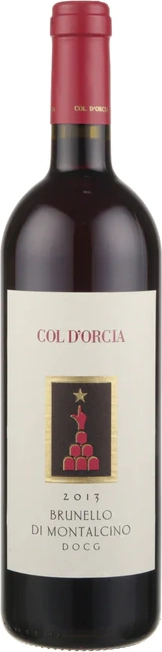
In France, for instance, while traditional regulations often banned irrigation to preserve wine quality, recent climate realities have forced a reevaluation. In certain appellations, limited irrigation is now allowed to combat extreme weather conditions and prevent vine damage. The same situation occurred in Italy after the 2013 heatwave. The most prestigious wine regions, like Brunello di Montalcino, suffered from water stress and lost crops. This shift acknowledges that while dry farming can offer many benefits, it also requires flexibility in the face of environmental changes.
Dry farming offers a range of benefits that align well with the ideals of sustainable agriculture. By conserving water and reducing reliance on human inputs, it supports more environmentally responsible vineyard management. The deeper root systems developed through dry farming lead to vines that are generally more resilient and capable of producing grapes with concentrated flavors.
Yet, limitations of dry farming exist. It is not a universal solution and works best in specific climatic, soil conditions, and grape varieties. Regions experiencing extreme weather or where rainfall is insufficient may find it challenging to rely solely on dry farming. The practice often results in lower yields, which can impact the economic viability of some wine producers.
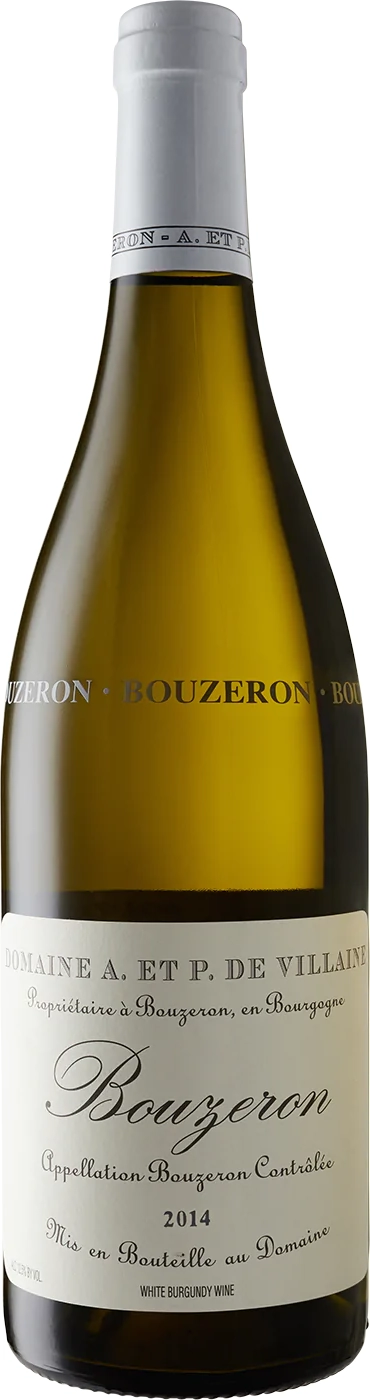
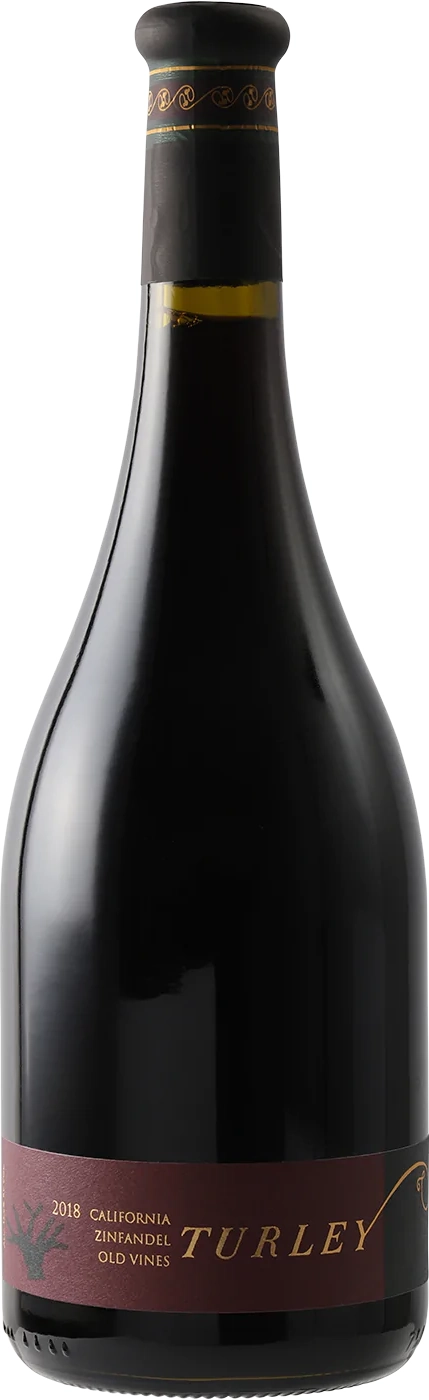
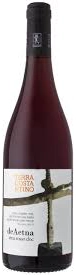
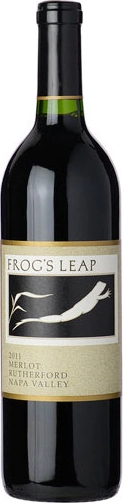
For wine lovers, dry-farmed wines offer a glimpse into a method of viticulture that values tradition, resilience, and a deep connection to the land. Here are some dry-farmed wines selected by VinoVoss wine experts for you to try:
Sylvia Ba