All You Need to Know About Syrah, Shiraz and... Petite Sirah
The appearance of similar words, such as Shiraz, Syrah, Petit Sirah, and Petite Sirah, on wine labels is a source of confusion and doubt. If you have ever found yourself wondering “Are these wines made from the same grape variety?”, or “Is Shiraz sweet or dry” then this article was written just for you.
Read on to discover the answer to not only these questions but also others including “What is the difference between Syrah red wine and Shiraz red wine styles”. You'll even find suggestions about what to try first if you feel unsure if Syrah, or Shiraz, is the variety for you.
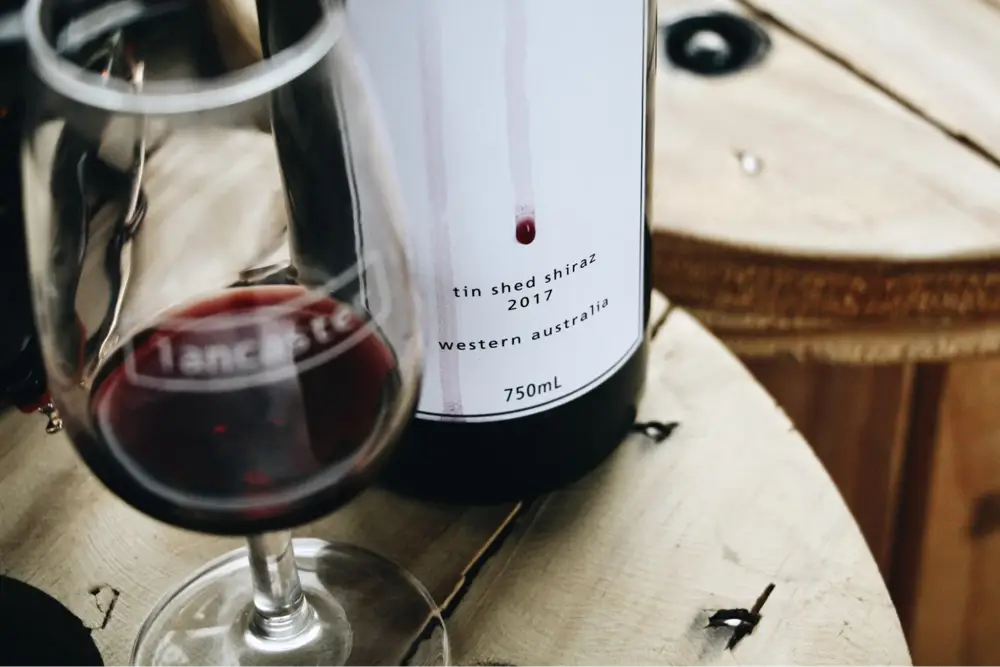
Names Can Be Confusing
What do people call a soft drink where you are from? In the northern parts of the United States some people may refer to a can of soft drink as a can of pop. This contrasts with the south of the United States where some may refer to a can of soft drink as a coke no matter what brand of drink it contains. Names can be confusing, especially in the field of wine. If you wish life could be simpler, read on.
Shiraz vs. Syrah: Same Grape, Different Name
Shiraz and Syrah are different names used to denote the same grape variety. Syrah entered into English usage from French. In Australia, Syrah was transformed into Shiraz through a process of folk etymology. Locally, it was believed that the grape variety originated from the Persian city of Shiraz. This was later proven to be false but by that time its use was already well established.
The use of the two terms to describe one grape variety has led to the two terms often being described as synonyms. In actuality, they are not synonyms because they are not fully interchangeable. The use of Syrah and Shiraz is an example of lexical variation. The word used is predicated upon the style of the wine and the intent of the winemaker. While the selective use of Syrah and Shiraz to reflect intent is consistent, the use of the terms as an indicator of style has become less marked over time.
For the sake of simplicity, Syrah will be used within this article when referring to the Shiraz/Syrah grape variety.
What About Petite Sirah and Petit Sirah?
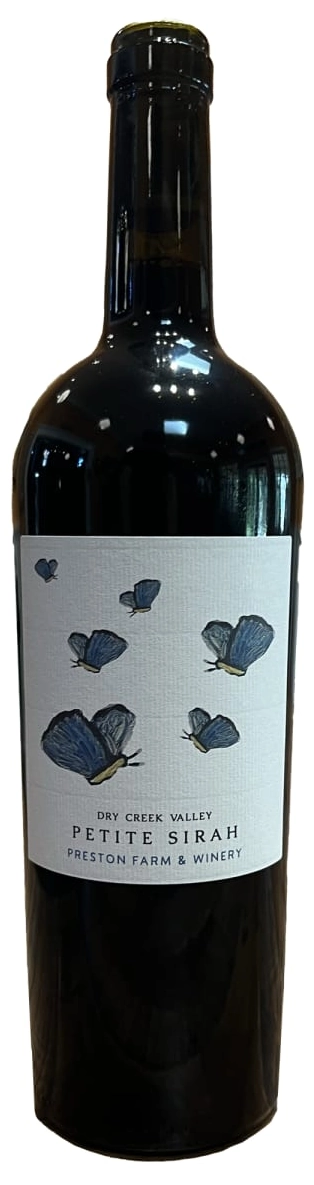
Petit Sirah and Petite Sirah are two different ways of spelling the name of a single grape variety. Of the two spellings, Petite Sirah is the correct one to use. However, if you do spell the variety Petit Sirah by accident, your intent will still be understood.
Petite Syrah is a French name used to denote a mutated form of the Syrah vine which consistently produces smaller than average grapes. When the Petite Syrah vines were first imported into the United States, the spelling of Syrah was Americanized to Sirah.
Identifying grape varieties by sight is difficult and subsequently unreliable. Before genetic testing existed to confirm the varietal identity, imported vines would occasionally turn out to be of a different variety than the one that was expected.
This was the case with Petite Sirah, which turned out not to be a type of Syrah but a different grape variety, which is known as Durif in other parts of the English-speaking world. Thus, Petite Sirah is a different grape variety that has no direct relationship to either Syrah or Shiraz despite the similar name.
The Winemaker's Choice: You Say Shiraz and I Say Syrah
Wine production is resource-intensive. In recompense for the expended resources, many winemakers hope that their wines will stand out as a product, distinct from other wines. This desire is not exclusive to winemakers, entire wine regions share this desire, wanting their wine to be associated more with its origin than with the grape variety. Changing the name used to describe the grape variety is one way that the winemaker, or region, can work towards this goal.
Australia produces large volumes of Shiraz from grapes grown in the fertile riverlands that cover much of the inland south-eastern part of the country. Due to the volumes made, these uncomplicated, fruit-forward wines are often sold at lower prices in many export markets.
Like their land masses, the wine industries of Australia and New Zealand are of different scales. Australia is capable of producing more bottles of wine from Shiraz than New Zealand makes wine. If winemakers in New Zealand referred to their wine as Shiraz too, they would risk it potentially getting lost in the volumes of Shiraz available from the Southern Hemisphere. However, if they change the way they describe it to Syrah the wine stands out more. Even better, it prompts people to enquire about the difference between Syrah and Shiraz, giving them the chance to talk about their wine or justify its sale at a higher price point.

Shiraz vs. Syrah: The Stylistic Variation Behind The Name
The use of different names for the same grape variety can also reflect the different styles of wine that a single grape variety can be made into. Variation in the use of Shiraz and Syrah reflects this. Read on to find out how the styles differ
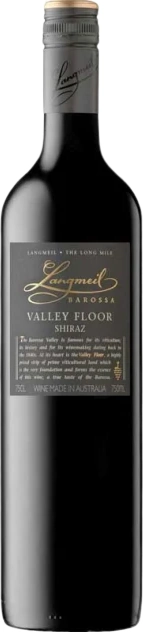
The use of the term Shiraz is most marked, but not limited to, Australia and South Africa. Wines that are labeled as Shiraz tend to display many, if not all, of the following characteristics; a very intense aroma and flavor, a jammy fruit ripeness, a black fruit expression, flavor accents of; licorice, smoke, meat jerky, and black pepper, a very high level of ripe, sticky tannins, notes of toasted coconut from a high-level application of small, new, American oak, an opulent, full body, a warming alcohol level, rarely below 14.5%, A dry palate with no residual sweet taste.
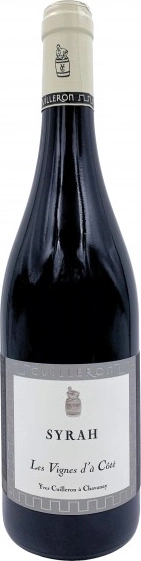
In contrast, the use of the Syrah is most marked, but not limited to, France. Although it is worth remembering that France prefers the geographical labeling of wine to the varietal labeling of wine. More of the focus upon style within France is upon region and less falls upon variety.
Wines that are labeled, or described as being Syrah tended to display many, If not all, of the following characteristics; a moderate intensity of aroma and flavor, a savory fruit ripeness, a black fruit expression, flavor accents of violets, meat jerky, and black pepper, a high level of powdery tannins, notes of cedar & dill from a low level application of French oak - a small proportion of which was new, a medium body, a balanced alcohol level, rarely above 13.5%, A dry palate with no residual sweet taste.
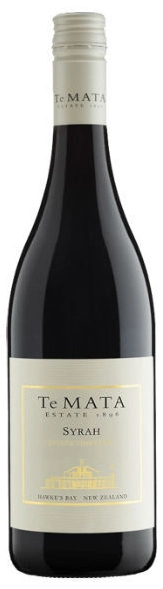
The Evolving Styles of Syrah and Shiraz
Wine is never one thing. Instead, it is many things, all at once. Wine is in a constant state of flux, changing as the planet it is made on and the people who make it change over time. This has led to a convergence between the different styles of Shiraz and Syrah. Differences still exist but they are not as marked, not as uniform.
The warming climate has resulted in Syrah from France having higher alcohol levels than before. It is now capable of displaying a ripe, baked fruit profile, and often has a fuller body with an alcohol level that has reached as high as 16% in some warm vintages across the late 2010s and early 2020s.
At the same time, many makers of Shiraz have begun using French oak instead of American oak. Additionally, the barrels being used are often larger and a greater percentage of them are older. Both styles are moving closer to a mid-point. At some point in the future, they may become more divergent again.
Love Cotes du Rhone or Chateauneuf du Pape? You Might Already Love Syrah
Syrah is not a popular grape variety in the United States. In value terms, the sales of Syrah equate to 14% of Pinot Noir sales and 6% of Cabernet Sauvignon sales. It is possible that you might not have bought a bottle of Syrah before. If you are worried that Syrah might not be for you, do not be. Superheroes wear disguises. You might have already tried wines influenced by Syrah but have not been aware of it.
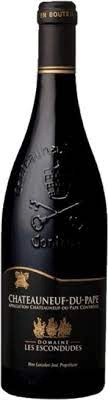
Syrah is often, but not always part of two wines made from a blend of grapes that are very popular in the US market and worldwide, Cotes-du-Rhone and Chateauneuf-du-Pape. If you tried and enjoyed either of these wines, then you may enjoy wines made from Syrah.
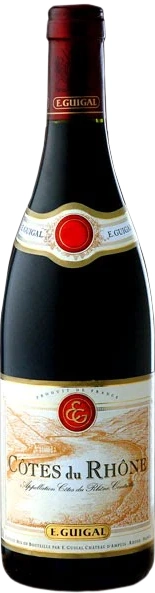
The two appellations differ in size, price and style. Cotes-du-Rhone is a much larger area, covering 180,000 acres compared to the mere 8,000 occupied by Chateauneuf-du-Pape.
The bigger size of Cotes-du-Rhone means more grapes are available, lowering their value. This is reflected in the cost of the wine with Cotes-du-Rhone often retailing around $15, making it an affordable wine for casual drinking and dining. The relative rarity of grapes from Chateauneuf-du-Pape means that they command much higher prices. This can be seen on the shelf where examples below $50 exist but are harder to find. The wines of both regions show a juicy ripeness of fruit dominated by red berry notes with spicy accents and a supple, full-bodied mouthfeel.
Where to Start: Finding the Right Syrah or Shiraz for You
Petite Sirah is different from both Shiraz and Syrah. However, Shiraz and Syrah are the same grape variety but wines made from it can be called different names, and made in different ways. With so much variation surrounding the Syrah variety, trying a wine that often includes Syrah, like Cotes-du-Rhone or Chateauneuf-du-Pape first is a great litmus test to see if you enjoy it before exploring either the Shiraz or Syrah styles in detail.
Matthew Cocks