Best Sauvignon Blanc Under $20
Most Sauvignon Blanc under $20 is forgettable. A good share of it is not, and the difference is no accident. It comes down to a handful of regions worth trusting, the style the label is pointing at, and what a sound bottle should show in the glass. This guide is the shortcut to all three.
Sauvignon Blanc is the most outspoken of the great white grapes. It ripens easily, holds its bracing acidity even under the sun, and announces where it grew more loudly than almost any other variety. That is its gift to anyone chasing value: a cellar has little to hide behind, so a cool site and a careful hand show up plainly in the glass. Look for zip, clarity and a green or tropical lift that makes your mouth water. Everything else is flat, dilute water wearing a borrowed label.
Key takeaways
Cool sites win: Marlborough, the Loire, coastal Chile, Sonoma.
Buy an established producer's cheapest bottle.
Pick a style first: zesty tropical or flinty and green.
Want zip and aromatics, not flat or dilute fruit.
Drink the latest vintage young and cold.
People also ask from Voss AI:
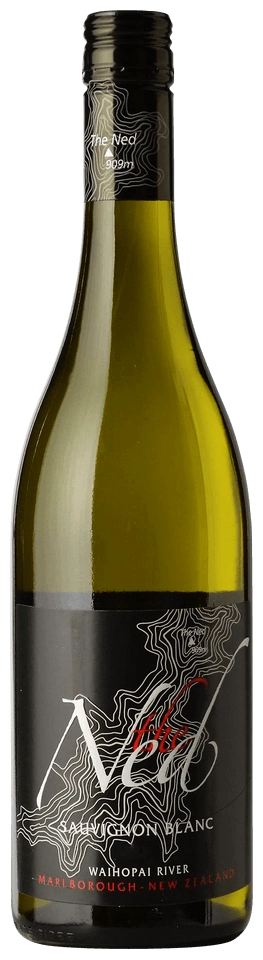
Top sauvignon blanc picks
See all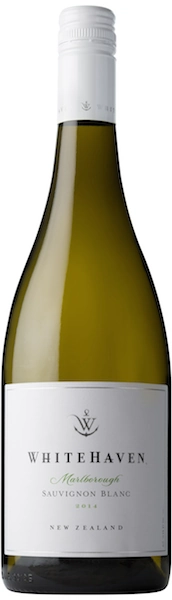





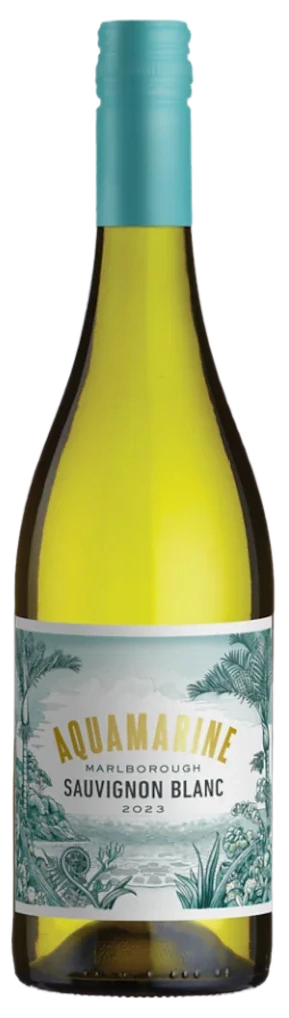
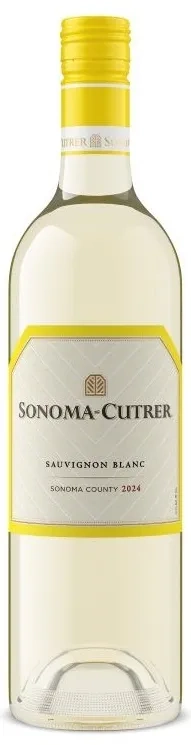


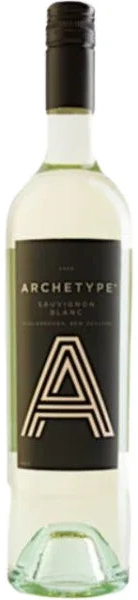


People also ask from Voss AI:
What to look for
Sauvignon Blanc under $20 lives or dies on two things: where the fruit was grown and how fresh it reaches your glass. Climate matters more here than with almost any other white. Sauvignon Blanc is loud and aromatic by nature, and those aromatics are fragile, so a cool site holds on to the zesty lime, gooseberry and grassy lift that make the wine worth drinking, while a hot one bakes them into something flat and broad. Freshness is the other half of the story. This is a wine built for youth, and a bottle that has sat too long on a warm shelf loses the very thing you bought it for. Cool origin and a recent vintage are most of the battle.
Marlborough is where value Sauvignon Blanc was reinvented. The region at the top of New Zealand's South Island turns out wines of startling clarity for $13 to $18, all passionfruit, lime and freshly cut grass over a line of bright acidity. No other region offers as much character for the money, which is why a Marlborough bottle is the safe default when you are not sure what else to reach for. The style is loud and immediate, made in steel to keep the fruit pure, and it rarely disappoints at a party.
France offers the quieter, more savoury side of the grape. The Loire is its spiritual home, where Sancerre sets a flinty, mineral standard, though that name usually sits above $20. The value lies one step down, in the broader Loire around Touraine, and in dry white Bordeaux from the everyday districts between its two rivers. These wines trade tropical fruit for cut herbs, white flowers and a chalky finish, and they suit the table more than the patio. If New World Sauvignon shouts, the French version speaks.
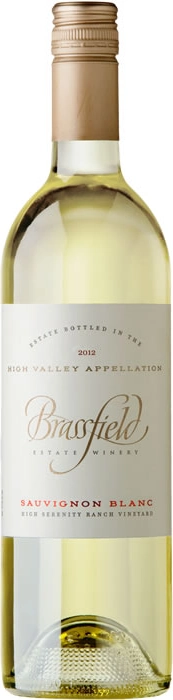
California takes the grape somewhere riper and rounder, often under the Fumé Blanc name, with melon and fig in place of the green snap. The cooler coastal pockets keep it honest, and the western edge of Sonoma is where the better value sits. Further afield, Chile and South Africa have become two of the smartest buys on the shelf. Coastal Chilean zones such as Casablanca and Leyda, and the cool South African sites of Elgin and Durbanville, deliver fresh, citrus driven Sauvignon Blanc from as little as $10, frequently organic and consistently clean.
Producers to trust at this tier
The single most reliable shortcut is to buy an established estate's cheapest bottle. A producer who has spent years building a reputation has a great deal to lose by putting its name on a $14 wine that disappoints, so the cheaper bottle is held to a standard the anonymous bulk label never has to meet. With Sauvignon Blanc this matters less for cellar skill, which is minimal, and more for fruit sourcing and freshness: a serious house picks better vineyards and moves its wine while it is alive. The bottles to be wary of are the ones with no track record above the budget shelf, made for volume rather than for drinking.
The label points you to the style as much as the quality. A New Zealand or Chilean name promises the loud, tropical version; a Loire or Bordeaux one promises restraint and flint; and the words Fumé Blanc usually signal a rounder, riper California wine with a touch of oak. A specific cool district on the label, rather than a broad country name, is the other cue worth trusting. The narrower the named place, the more often the wine has earned it.
One practical habit is worth mentioning. Once a bottle has proved itself, buying a case of six or twelve usually lowers the price per bottle by something like 10 to 15 percent, and it spares you the weekly hunt along the shelf. Since Sauvignon Blanc is best drunk young and cold, a case sized to how quickly you actually drink it is rarely a gamble.
Vintage and freshness advice
Sauvignon Blanc is the freshest of the popular whites, and it rewards drinking young more than any of them. Most bottles are at their peak within a year or two of the vintage, when the aromatics are loudest, so the simple instinct at the shelf is to grab the most recent year on offer. A few better white Bordeaux and top Loire wines will deepen into something waxy and savoury over several years, but they are the exception and rarely the ones under $20. If you do hold a bottle, keep it somewhere cool, dark and steady, and serve it well chilled. Otherwise drink it within the year and you will catch it at its best.
Vintage matters here in its own way. Sauvignon Blanc depends on a cool, even growing season to build its aromatics, and a hot year can leave even a good producer's wine broader and less lifted than usual. This is the other reason a name on the label earns its keep: a careful house manages a warm vintage better than a bulk operation does, picking earlier and protecting the fruit. Buy recent, buy from someone with something to protect, and the vintage will mostly look after itself.
How we picked these wines. Every bottle below is in stock today and ranked on critical consensus and value for money against its peers. Placement is never paid for, and any merchant relationship is disclosed.
Food pairings
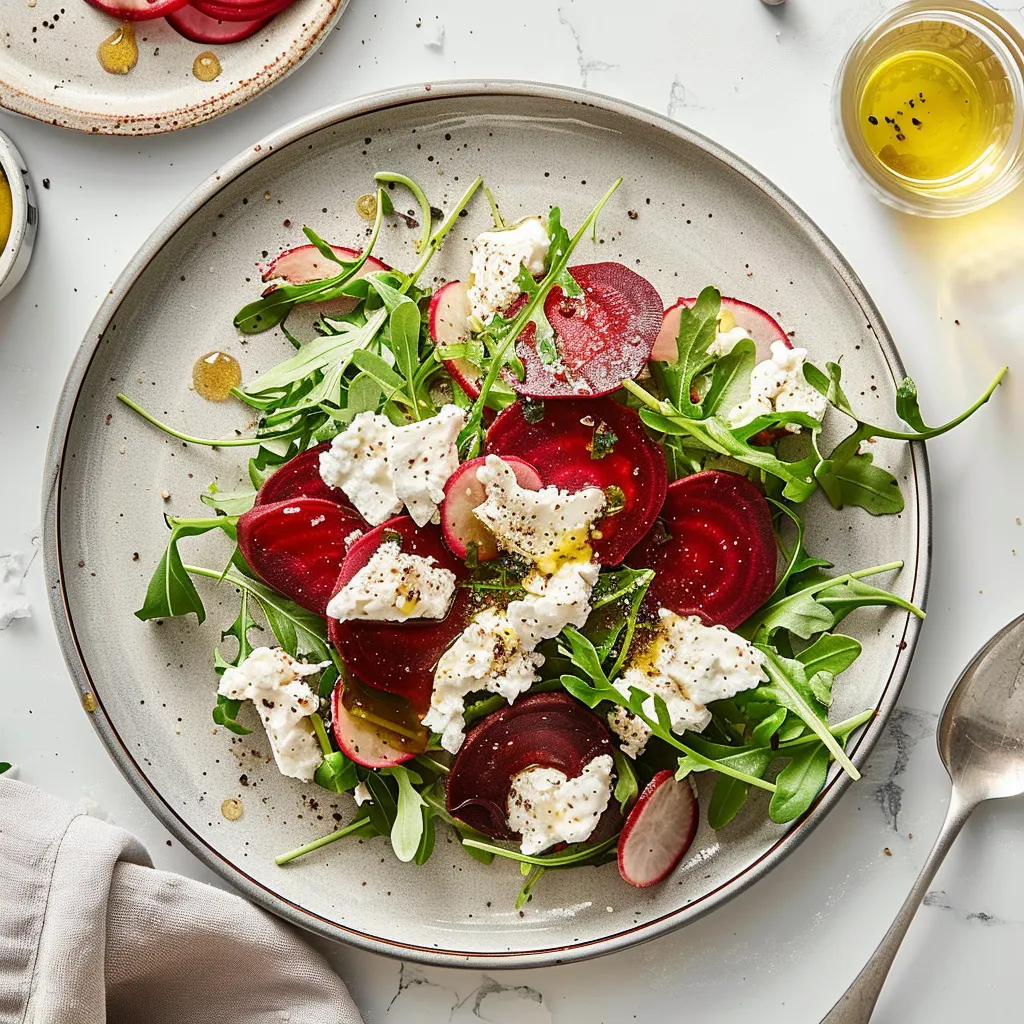
Beet and goat cheese salad
Goat cheese and Sauvignon Blanc are one of the great wine pairings, and the beet adds an earthy sweetness. The wine's acidity cuts the cheese and lifts the whole plate.
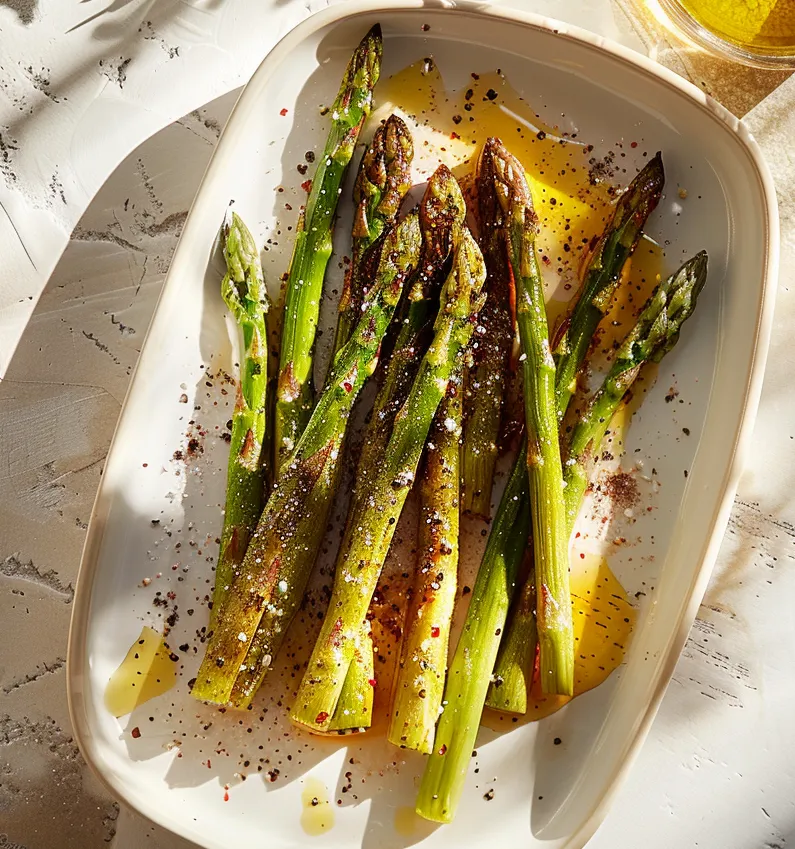
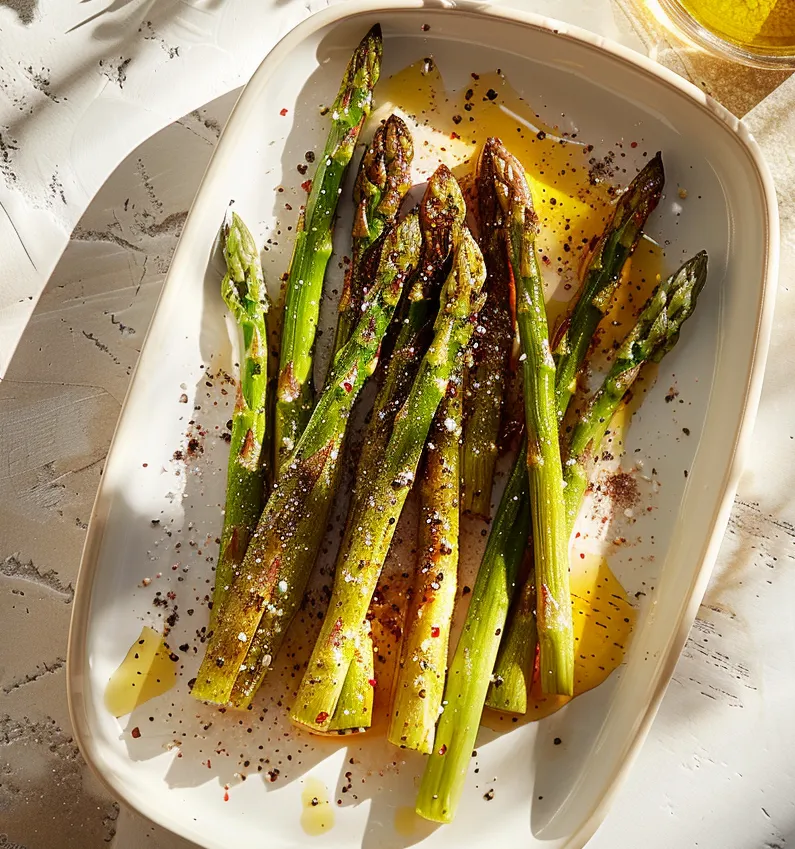
Roasted asparagus
Asparagus defeats most wines, but Sauvignon Blanc is the classic exception. Its green, grassy edge meets the vegetable head on rather than clashing.
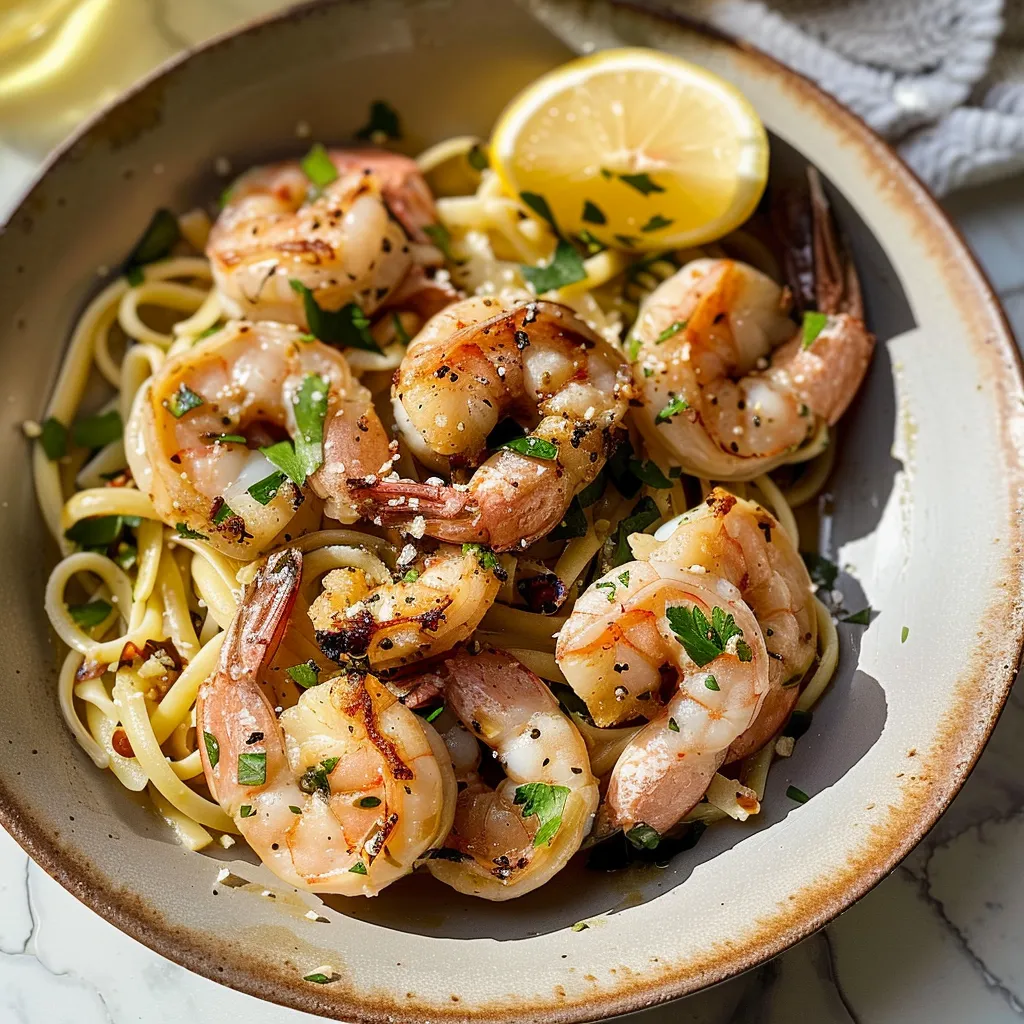
Shrimp scampi
Garlic, butter and lemon were made for a crisp Sauvignon Blanc. The wine echoes the lemon and cuts straight through the richness.
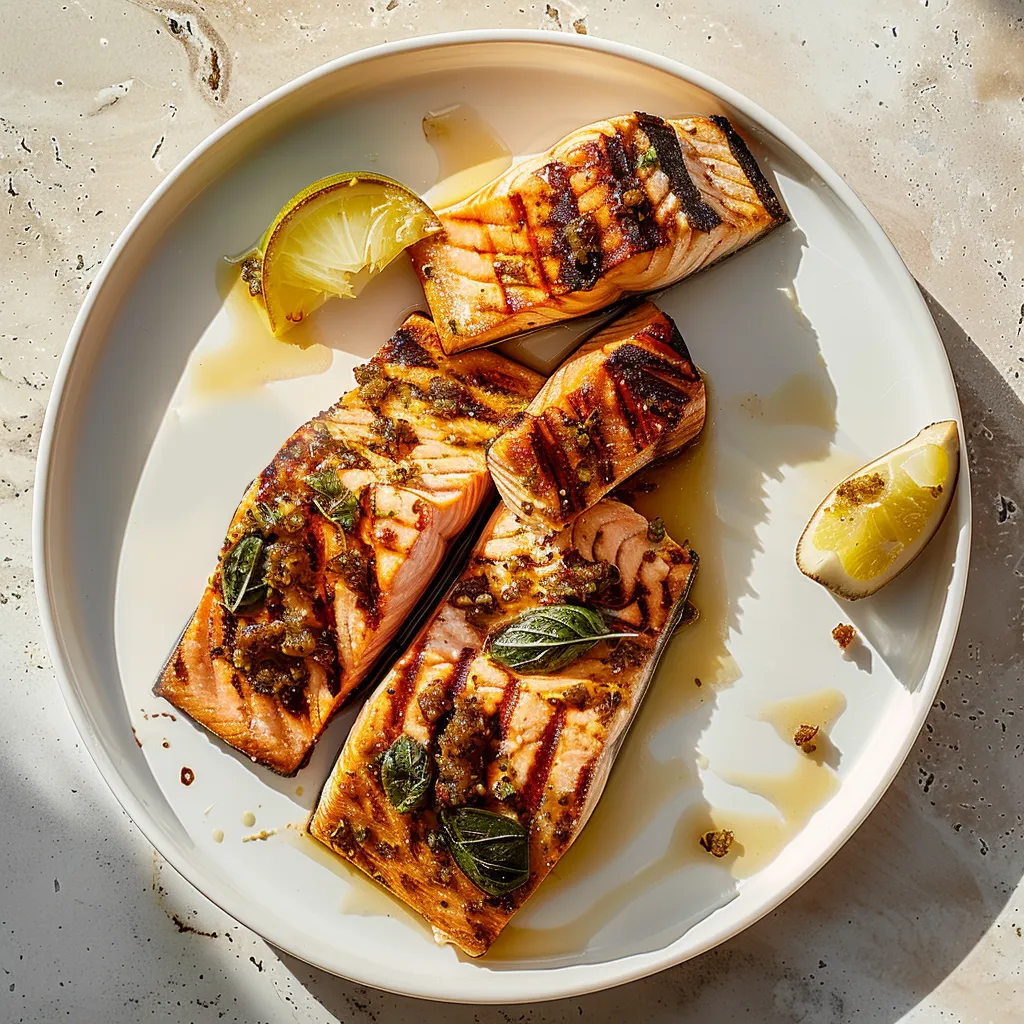
Grilled salmon
A herbal, citrus driven white holds its own against oily fish. The acidity keeps the palate clean while the aromatics lift the flesh.
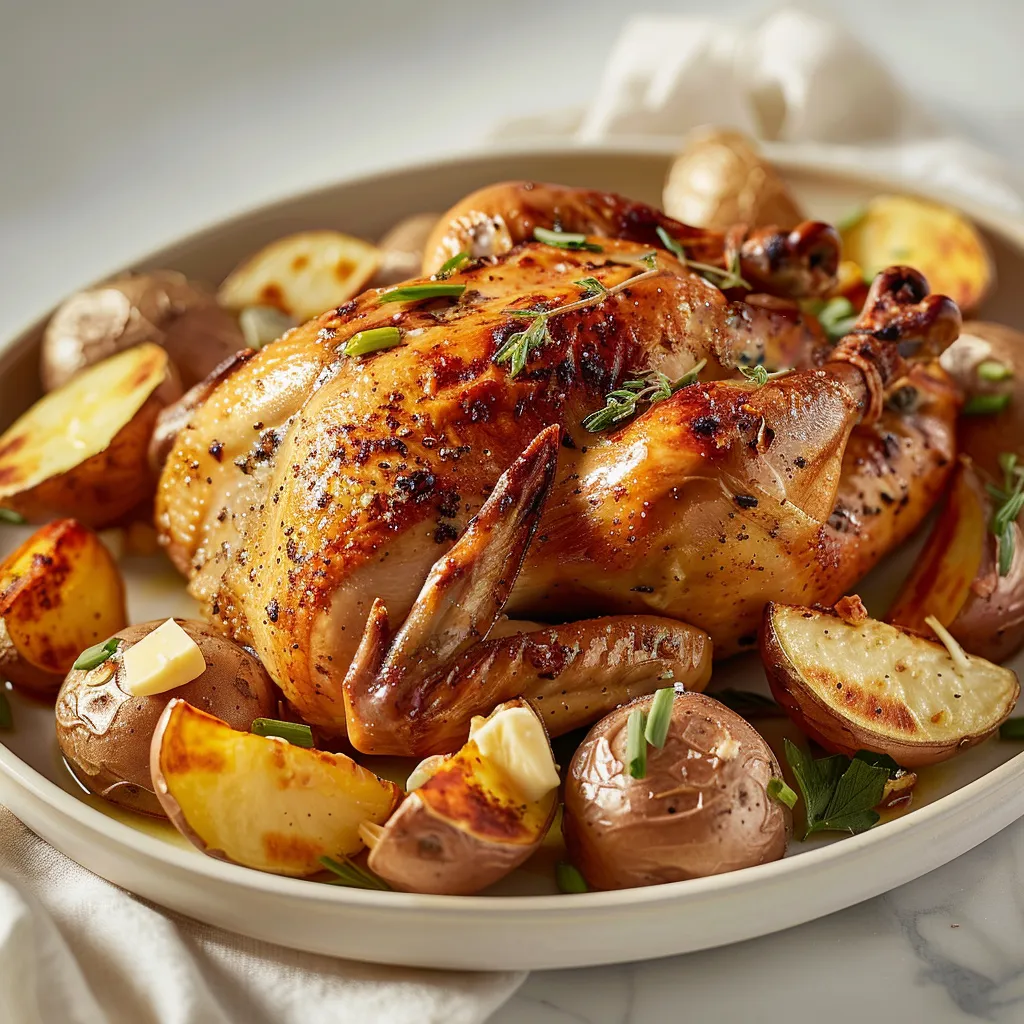
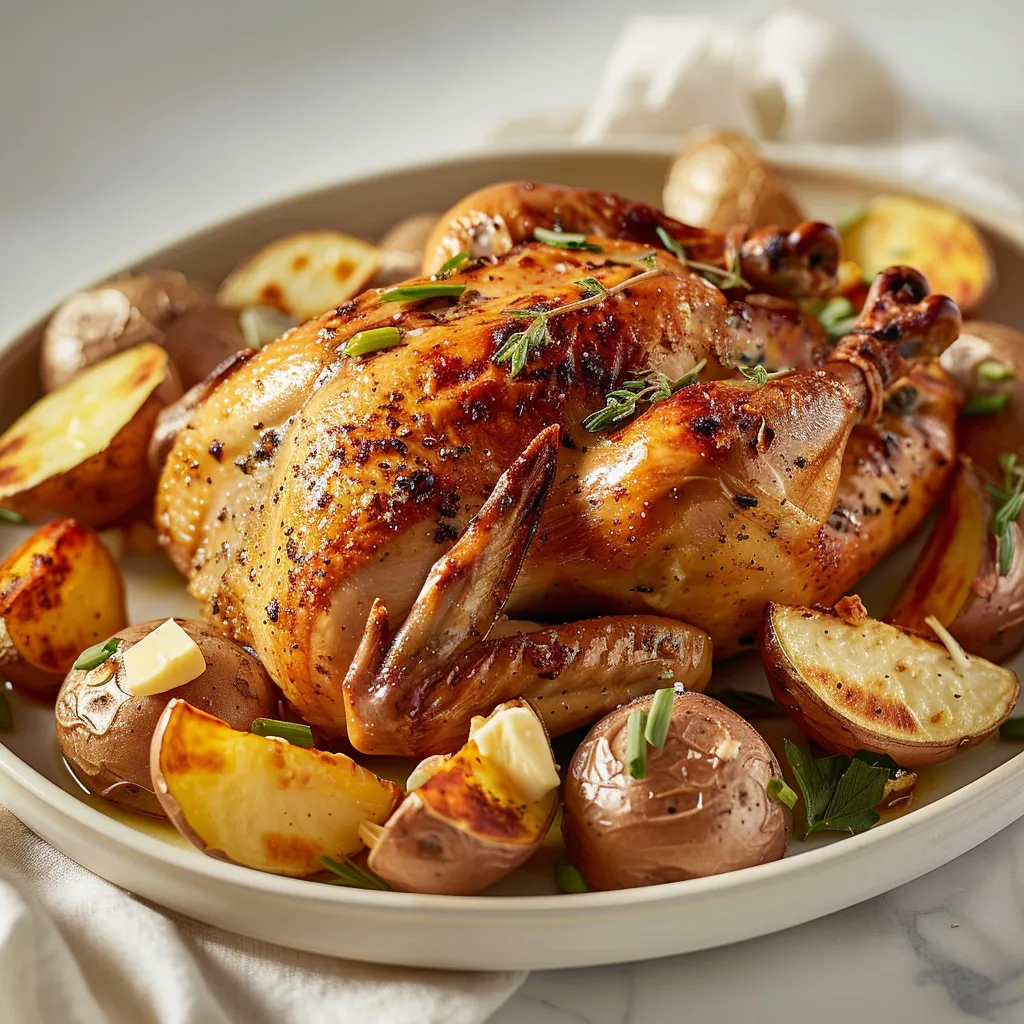
Roast chicken
A simple roast chicken with plenty of herbs is a low risk match. Lean towards a riper New World bottle so the fruit stands up to the skin.
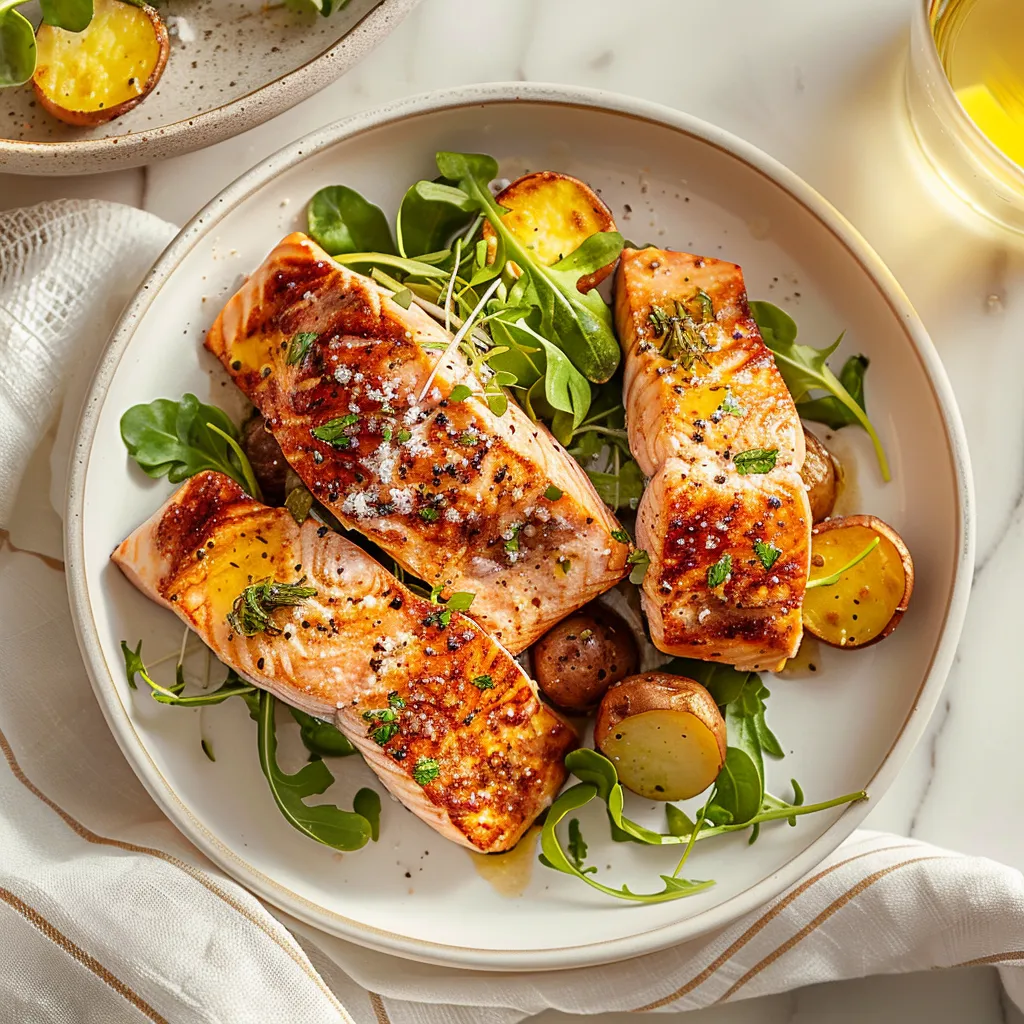
Roasted trout
Delicate white fish loves a herbal, zesty Sauvignon Blanc. The wine's acidity keeps each bite fresh while its green edge flatters the trout.
How to shop sauvignon blanc
Five patterns worth trusting when you are standing in front of the shelf. They cover where to look, what the label is telling you about the style, and what to leave behind.
Pick your style first
Sauvignon Blanc comes in two broad styles. New World bottles from places like New Zealand burst with passionfruit and gooseberry; Old World ones from France lean flinty, herbal and restrained. Decide which you want and half the shelf disappears.
Marlborough is the value benchmark
No region delivers more character per dollar. New Zealand bottles from Marlborough sit around $13 to $18 and define the punchy, aromatic style, with bright lime, passionfruit and a cut of fresh acidity. Kim Crawford, Whitehaven and Villa Maria turn up reliably.
French restraint on a budget
For the flinty, mineral style, skip pricey Sancerre and look to its neighbours. Touraine Sauvignon from the Loire and dry white Bordeaux sit near $15, drier and more savoury than their New World cousins, and built for the dinner table.
Cool corners of the New World
Chile and South Africa quietly make some of the best value Sauvignon Blanc on the shelf. Coastal Chilean zones like Casablanca and Leyda, and the South African sites of Elgin and Durbanville, deliver fresh, citrus driven bottles from $10 to $16, often organic.
Buy by the case
Once a producer has earned your trust, a case of six or twelve lowers the unit cost and spares the weekly shelf hunt. Sauvignon Blanc drinks best young and fresh, so buying by the case matches your habit.
Frequently asked
Can you really get good Sauvignon Blanc under $20?
Yes, and arguably more easily than any other white. Marlborough in New Zealand delivers world class character for $13 to $18, while the Loire, coastal Chile and South Africa add their own value styles. The bottles to leave behind are the dilute, over sulphured supermarket wines with no track record. Stay with established producers and recent vintages and you will rarely be let down.
What does Sauvignon Blanc taste like?
It is the most aromatic of the popular whites, built on high acidity and a green or tropical streak. New World bottles lead with passionfruit, gooseberry and lime, while French ones lean flinty, herbal and mineral. The common threads are freshness, a mouth watering tang and aromas that jump from the glass. Almost all of it is dry.
Which countries make the best cheap Sauvignon Blanc?
New Zealand leads the value field through Marlborough, France through the Loire and white Bordeaux, and Chile and South Africa through a run of cool coastal regions. California makes a riper style under the Fumé Blanc name. The common thread is climate: Sauvignon Blanc needs cool sites to keep its acidity and aromatics, so the best cheap bottles come from places that provide them.
How long can I keep a $20 Sauvignon Blanc?
Drink it young. Most are at their best within a year or two of the vintage, when the aromatics are at full volume. A small number of better white Bordeaux and Loire bottles can take on a waxy, deeper character with a few years, but they are the exception. As a rule, buy the most recent vintage on the shelf and open it sooner rather than later.
What foods pair best with Sauvignon Blanc under $20?
It is the great partner for green and tangy food. Goat cheese, asparagus, green salads, herby sauces and fresh shellfish all sing alongside it, because the wine's acidity and grassy edge meet flavours that flatten richer whites. Oysters, ceviche and grilled white fish are safe bets, and a herb roast chicken works with a riper New World bottle.
What temperature should I serve Sauvignon Blanc under $20?
Serve it properly cold, colder than you would a Chardonnay. Around 7 to 9 degrees Celsius keeps the acidity crisp and the aromatics tight and refreshing. Too warm and it turns flabby and loses its zip. Take it straight from the fridge, and stand the bottle in an ice bucket on a warm day so it holds its chill.
Glossary
- Marlborough
- The region at the top of New Zealand's South Island and the value benchmark for Sauvignon Blanc. It defined the modern punchy, aromatic style of passionfruit, gooseberry and lime.
- Fumé Blanc
- A marketing name, coined in California, for Sauvignon Blanc that is often aged in barrel into a riper, rounder style. It signals a fuller, less zesty wine than the New Zealand norm.
- Pyrazines
- The aroma compounds behind Sauvignon Blanc's green notes of grass, bell pepper and nettle. Cooler sites and earlier picking keep them high, while heat and ripeness burn them off.
- Diurnal swing
- The gap between daytime and nighttime temperature. Wide swings, common in good Sauvignon Blanc country, preserve the acidity and aromatic lift that cheap warm climate bottles often lack.
- Sancerre
- The benchmark Loire appellation for Sauvignon Blanc, all flint and minerality. It usually sits above $20 itself, but it sets the style that cheaper Loire bottles aim at.
- #best-sauvignon-blanc-under-20
- #cheap-sauvignon-blanc-under-20
- #affordable-sauvignon-blanc
- #sauvignon-blanc-under-20
- #value-sauvignon-blanc