Best Chardonnay Under $20
Most Chardonnay under $20 is forgettable. A good share of it is not, and the difference is no accident. It comes down to a handful of regions worth trusting, the winemaking the label is hinting at, and what a sound bottle should show in the glass. This guide is the shortcut to all three.
Chardonnay is the most adaptable of the great white grapes. It ripens easily, grows happily almost anywhere, and takes its character far more from the cellar than from the vineyard. That flexibility is its blessing and its trap: the same grape that gives the world its greatest dry whites also fills supermarket shelves with sweet, heavily oaked filler. Look for fresh acidity, real fruit and oak that supports rather than smothers. Everything else is butter and vanilla wearing a borrowed label.
Key takeaways
Cool sites win: Mâconnais, coastal California, Australia, Chile.
Buy an established producer's cheapest bottle.
Choose oaked or unoaked before you choose a region.
Want fresh acidity and real fruit, not butter and weight.
Pick the latest vintage and drink it young.
People also ask from Voss AI:
Top chardonnay picks
See all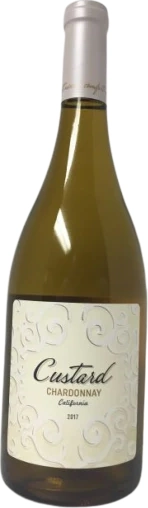


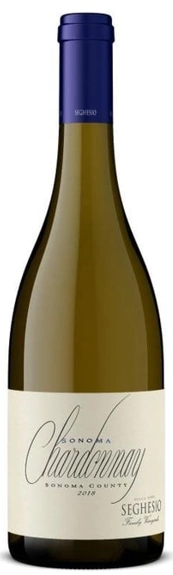


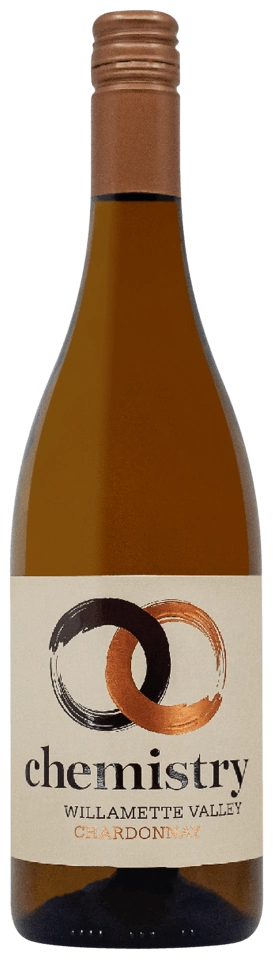


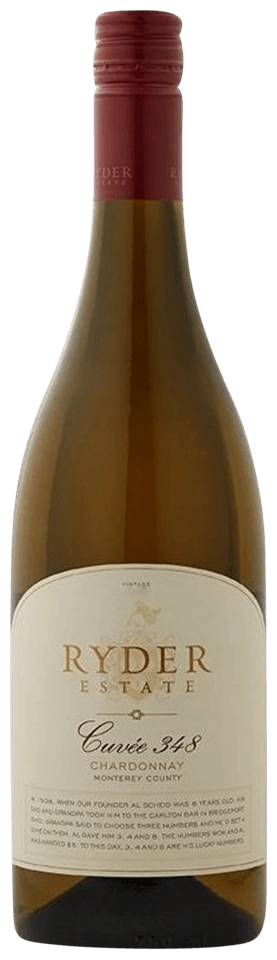

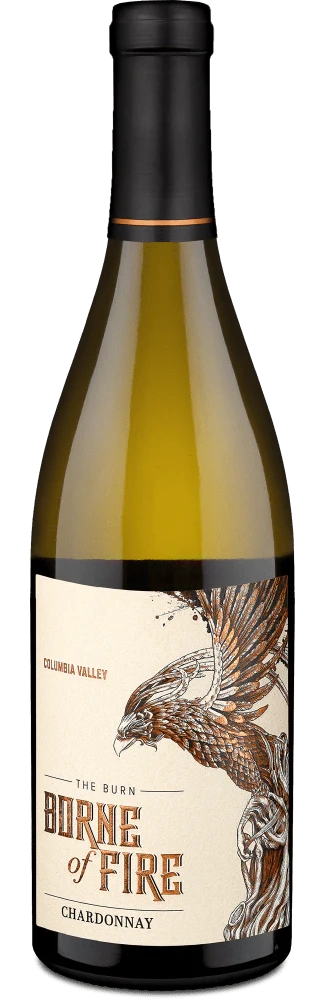

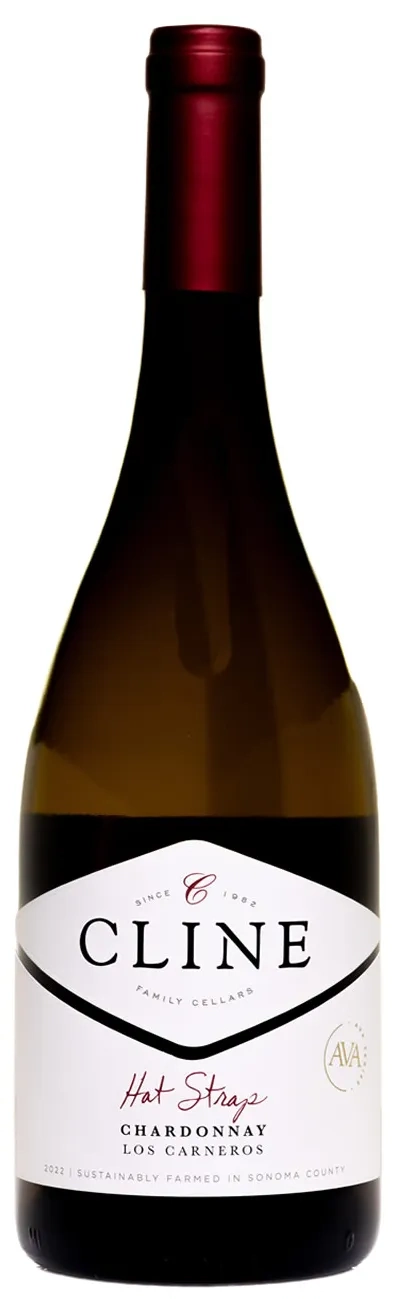

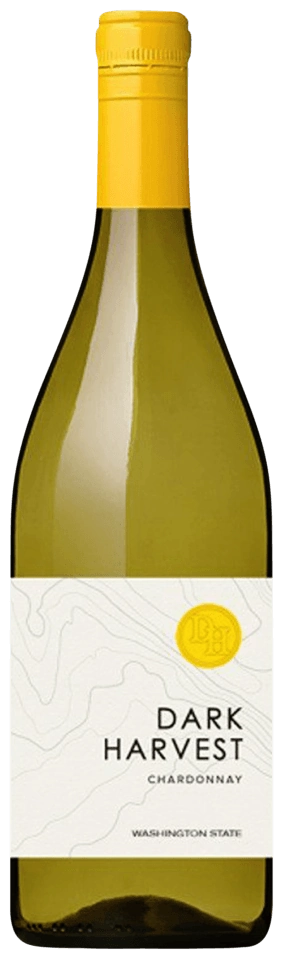


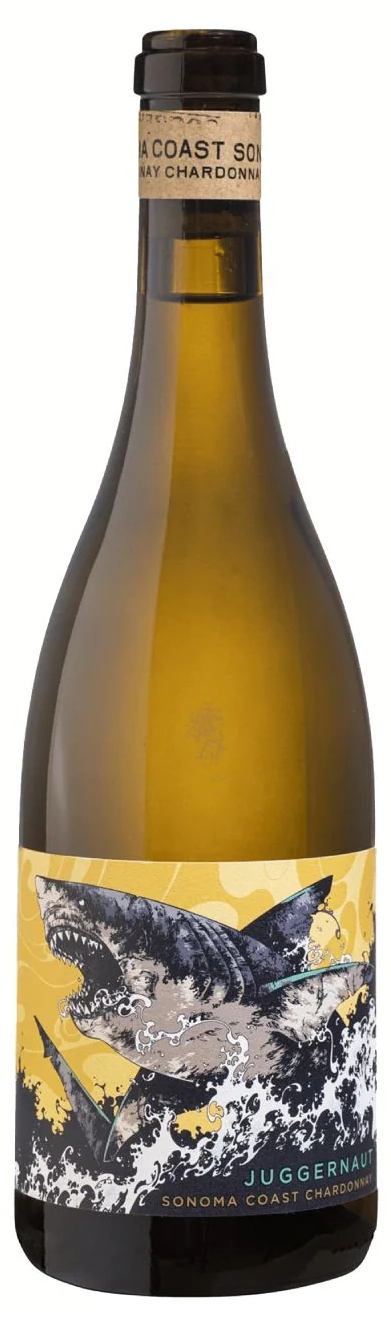

People also ask from Voss AI:
What to look for
Chardonnay under $20 lives or dies on two decisions: where the fruit was grown and what the winemaker chose to do with it. The second matters more here than with almost any other grape. Chardonnay is close to neutral on its own, a canvas that takes whatever shape the cellar gives it, so the same price can buy a crisp, mineral white or a soft wash of butter and vanilla. Cool sites and a light hand hold on to the acidity and orchard fruit that make the wine worth drinking, while warm sites and heavy oak push it towards the sweetish, tiring style that fades by the second glass. That does not mean every warm region fails and every cool one succeeds. It means the cool regions, and the makers who trust their fruit, give you far better odds.
Burgundy is the benchmark, and its value lives at the southern end. The Mâconnais turns out village wines from the large négociant houses at roughly $15 to $20, with the chalky cut and restraint that made white Burgundy famous. At the cooler northern edge, the cheaper bottlings of Chablis bring the same restraint in a leaner, steelier form. These are the same houses and the same cellar philosophy behind far pricier wine; the humbler bottle is simply younger vines and broader sourcing. Pour it with fish or a roast chicken and it behaves well above its price.
California makes more inexpensive Chardonnay than anywhere on earth, which is exactly why it asks for the most care. A great deal of it comes from the warm interior and leans sweet and heavily oaked, the style that gave the grape its reputation for excess. The honest value sits nearer the coast. Cooler zones such as the western edge of Sonoma, Monterey and Santa Barbara keep the fruit fresh, and the better large producers hold a cheaper bottle in the range while their reserve wines sell for a good deal more. Washington State is the quiet alternative, with night cooling that gives its Chardonnay a firmer line of acidity.
The southern hemisphere has rewritten the value rule book. Australia, in cool sites like Margaret River, the Adelaide Hills and the Yarra Valley, has moved on from its old style of sunshine and oak to something fresher and more precise, often for $12 to $18. Chile does the same from the coastal cool of Casablanca and the far northern Limarí, frequently organic and keenly priced. Mendoza adds bottlings from high vineyards whose cool nights keep the fruit bright. None of these carries the prestige of Burgundy, which is precisely why the wine costs what it does rather than more.
Producers to trust at this tier
The single most reliable shortcut is to buy an established estate's cheapest bottle. A producer who has spent years building a reputation on $40 to $60 wine has a great deal to lose by putting its name on a $15 bottle that disappoints, so the cheaper wine is held to a standard the anonymous bulk label never has to meet. Quality at the top tends to hold up the bottom. The bottles to be wary of are the ones with no track record above the budget shelf at all, built for shelf turnover rather than for drinking.
With Chardonnay, the label tells you as much about style as about quality. The words "unoaked", "unwooded" or "naked" promise a crisp wine fermented in steel and built on citrus and acidity; their absence, along with talk of barrel fermentation or time on the lees, points to a richer, creamier glass. Neither is better, but knowing which you are buying is the difference between a wine you enjoy and one you quietly leave. A specific cool district on the label, rather than a broad statewide California, is the other cue worth trusting: the narrower the named place, the more often the wine has earned it.
One practical habit is worth mentioning. Once a bottle has proved itself, buying a case of six or twelve usually lowers the price per bottle by something like 10 to 15 percent, and it spares you the weekly hunt along the shelf. Since Chardonnay at this price is best drunk young, a case sized to how quickly you actually drink it is rarely a gamble.
Vintage and ageing advice
Chardonnay at this price is built for drinking soon. Most $15 to $20 bottles are at their best within about two years of release, and the sensible instinct at the shelf is to reach for the most recent vintage on offer. A small number of better Chablis and Mâconnais wines will take another two or three years and repay it with a rounder, nuttier complexity, but they are the exception rather than the rule. If you do decide to keep a bottle, lay it somewhere with a steady temperature around 10 to 12 degrees Celsius and out of the light, since white wine is more easily spoiled by warmth and sun than red. Otherwise drink it within a year of buying and you will rarely be disappointed.
Vintage matters less here than it does for serious wine, but it has not vanished. Chardonnay reflects its growing season, and a cool, wet year or a heat spike at harvest can leave a mark even on inexpensive bottles. This is the other reason a producer's name earns its keep: a good house manages an awkward year far better than a bulk operation does. Buy recent, buy from someone with a reputation to protect, and the vintage will largely look after itself.
How we picked these wines. Every bottle below is in stock today and ranked on critical consensus and value for money against its peers. Placement is never paid for, and any merchant relationship is disclosed.
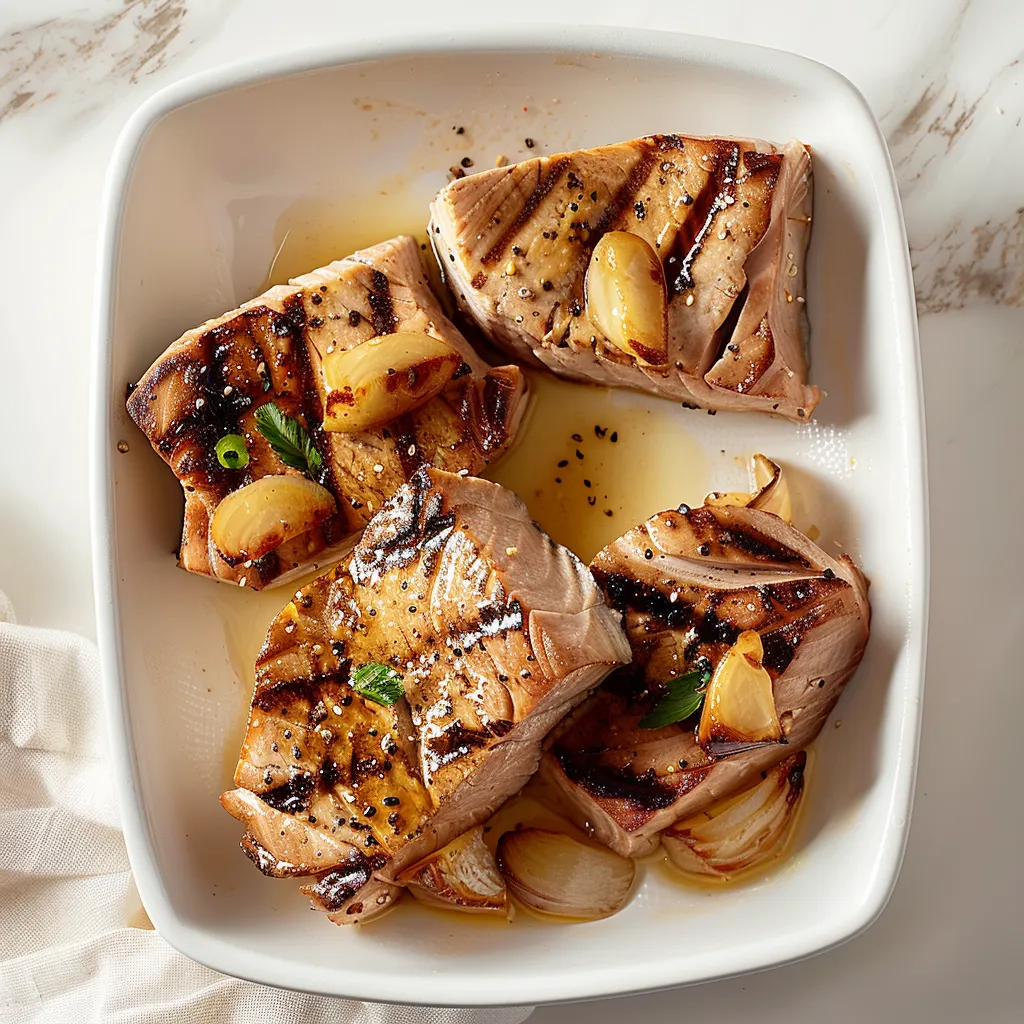
Food pairings
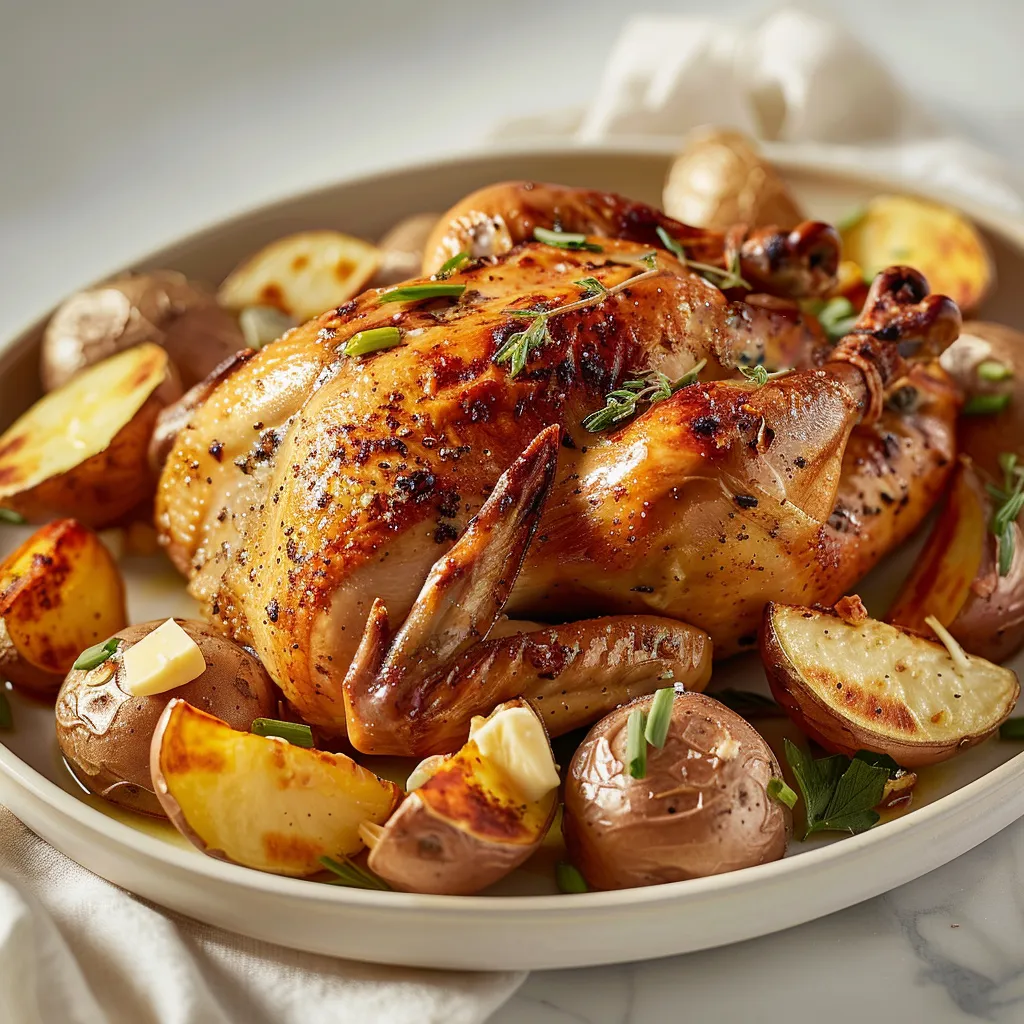
Roast chicken
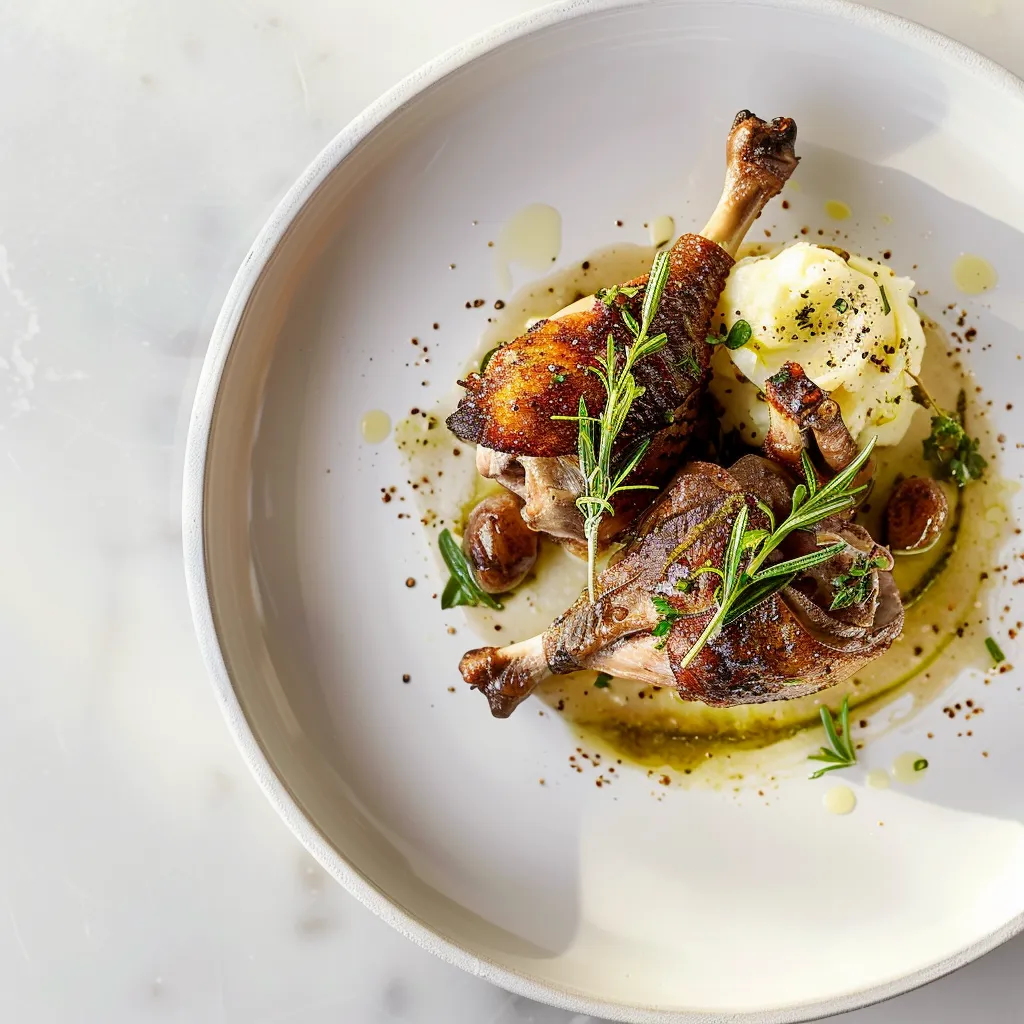
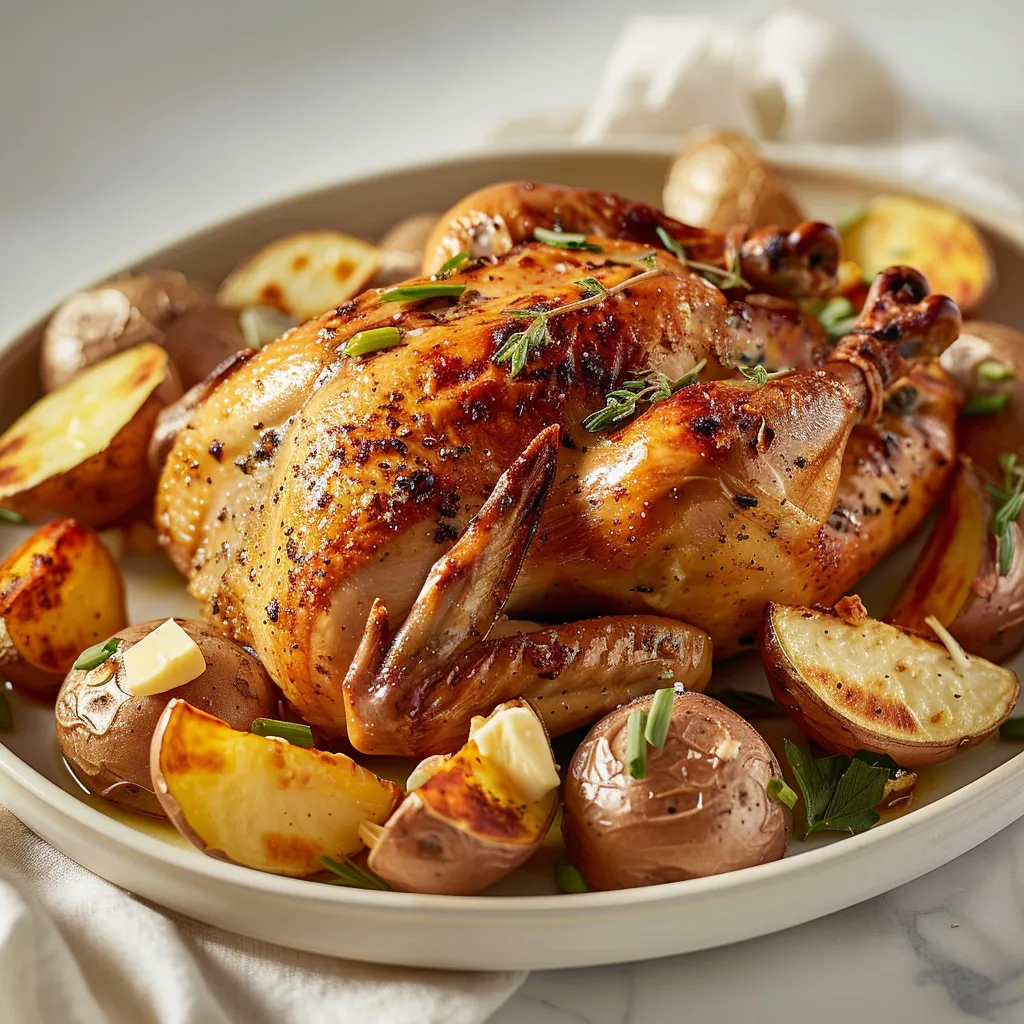
The safe, classic choice for Chardonnay at any price. A richer, lightly oaked bottle meets the crisp skin and pan juices; a fresher one lifts the white meat.
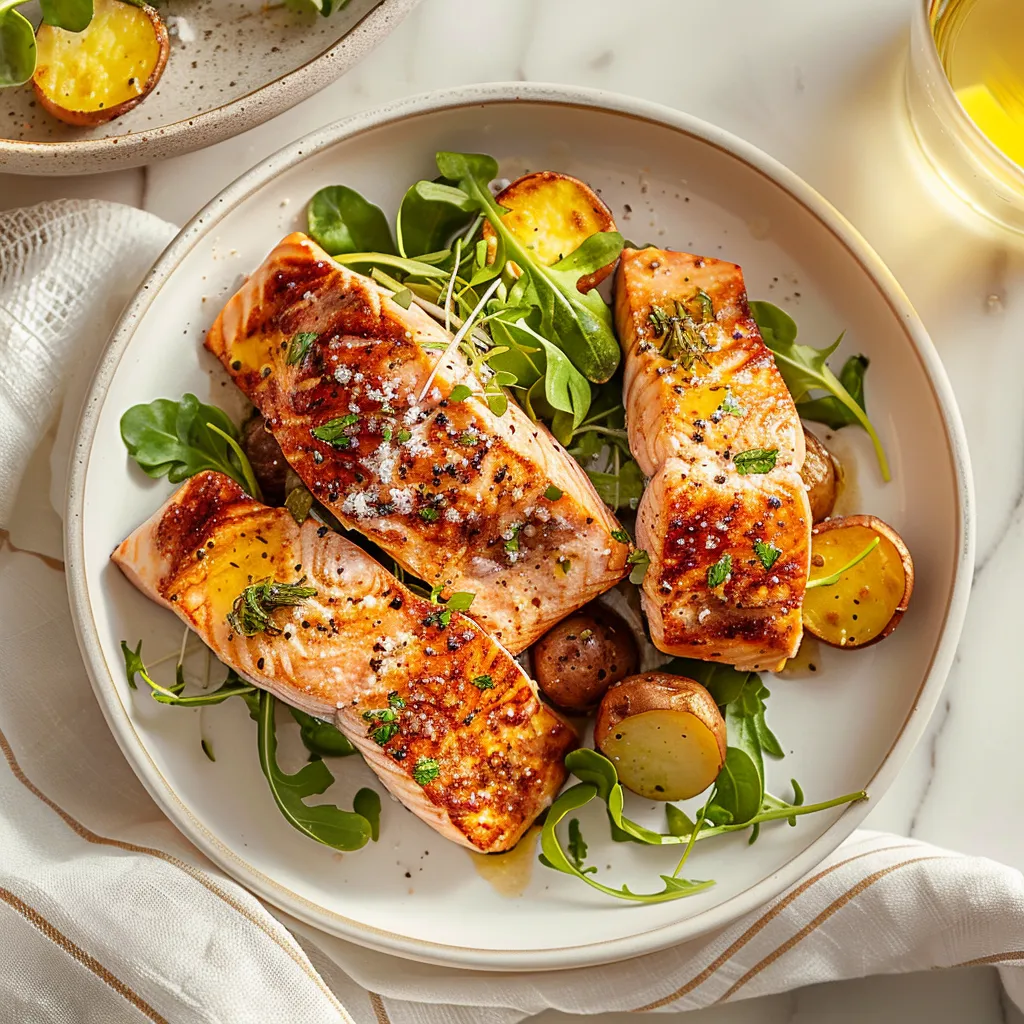
Roasted trout
Delicate white fish and a crisp, unoaked Chardonnay make a natural match. The wine's acidity frames the trout without burying its flavour.
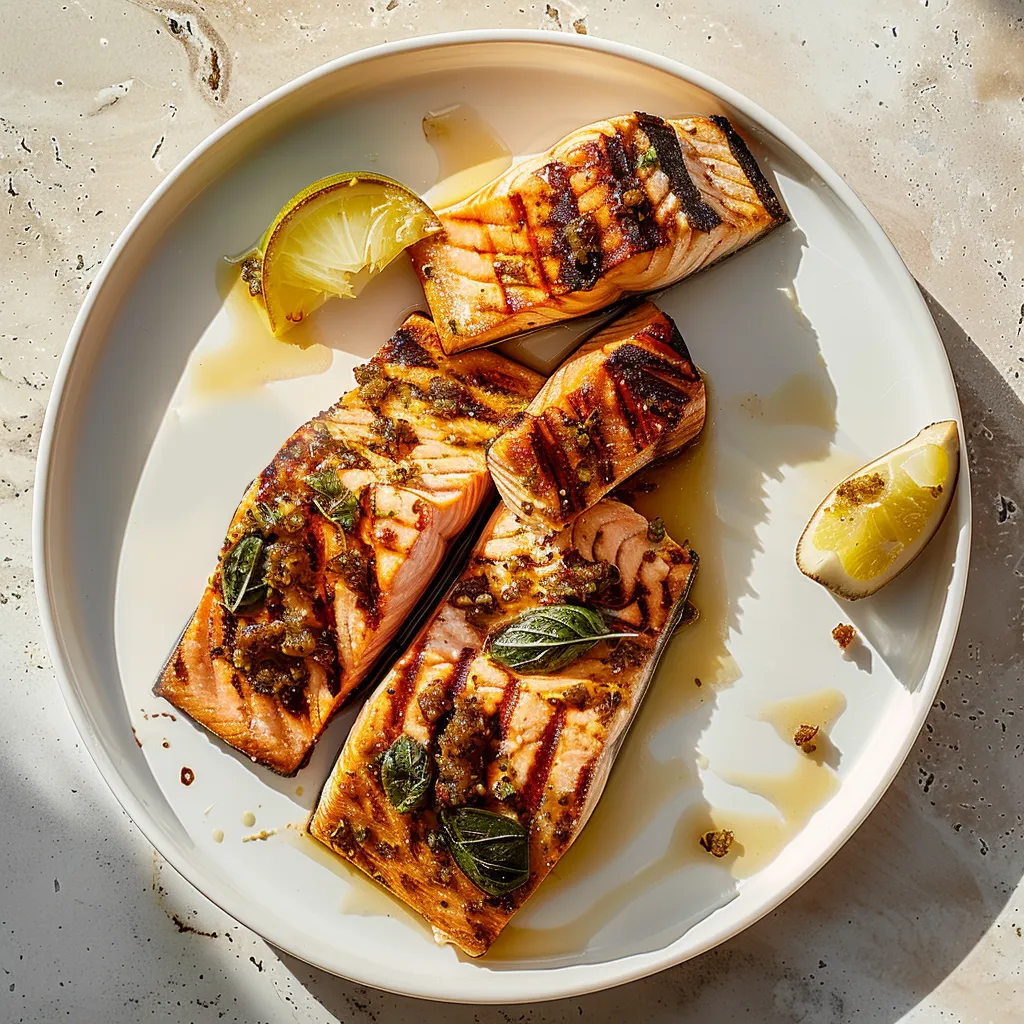
Grilled salmon
Fatty fish needs a white with body, and Chardonnay has it. A touch of oak handles the richness; the acidity keeps each bite clean.
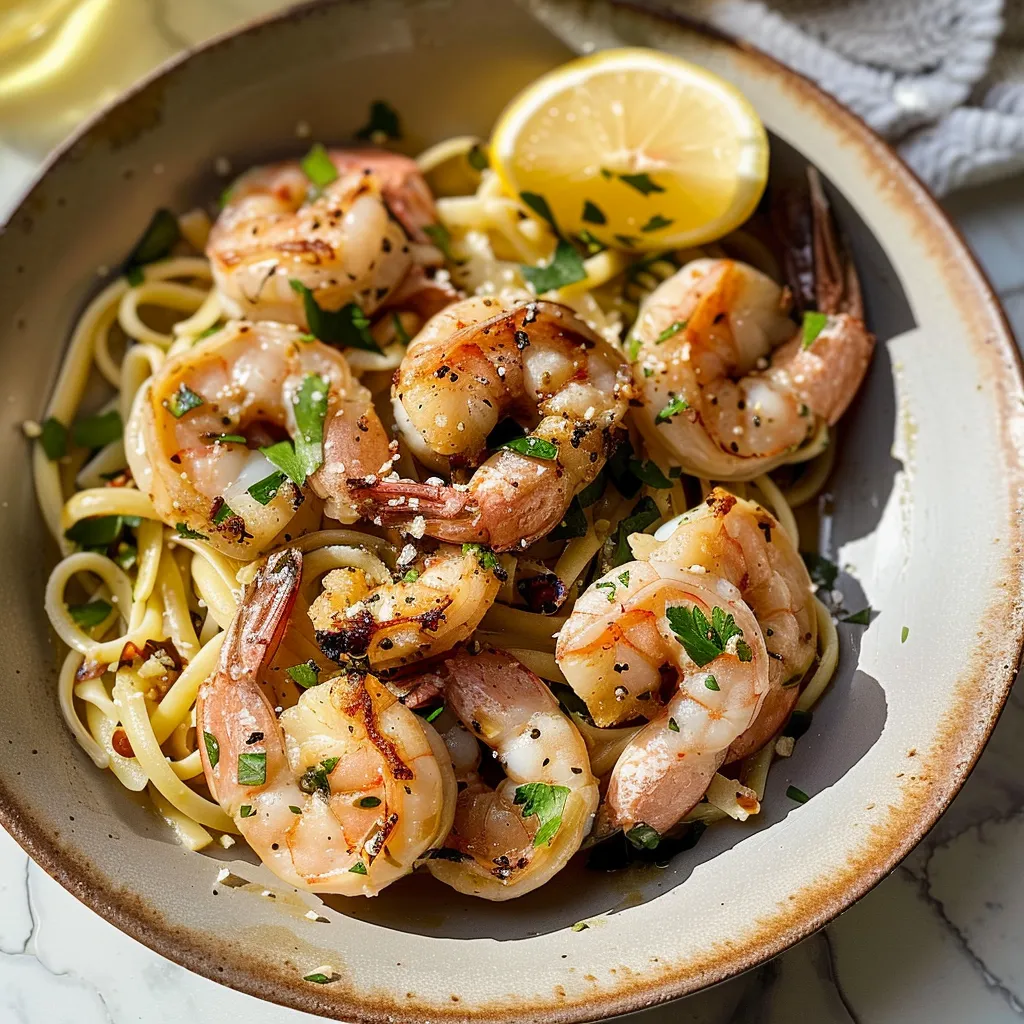
Shrimp scampi
Garlic, butter and lemon all sit happily beside a fresh Chardonnay. Lean towards an unoaked style so the wine echoes the lemon rather than fighting it.
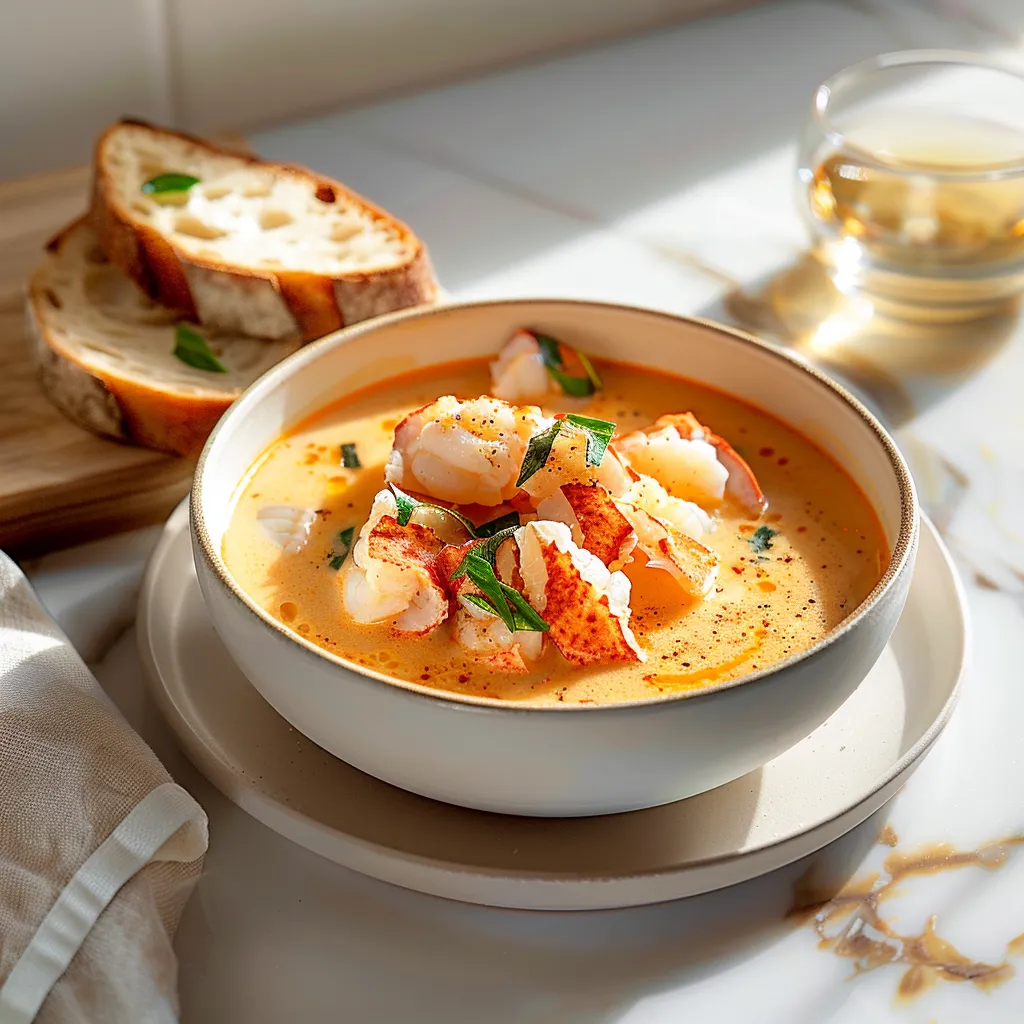
Lobster bisque
Creamy, indulgent soup is where a Chardonnay aged in barrel earns its place. Its weight and toast meet the richness directly.
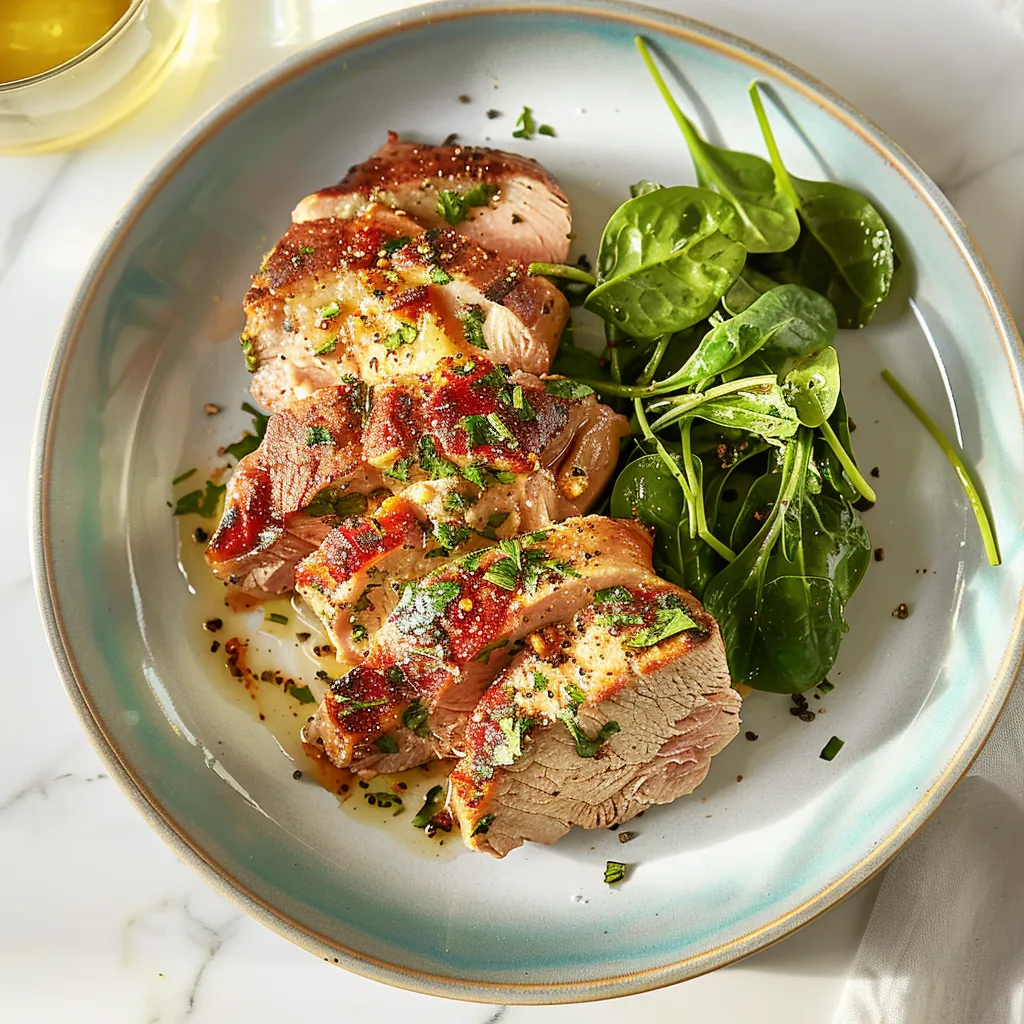
Pork tenderloin
White meat with a little richness suits a fuller Chardonnay. Works best with a riper, gently oaked bottle rather than a lean, steely one.
How to shop chardonnay
Five patterns worth trusting when you are standing in front of the shelf. They cover where to look, what the label is telling you about the style, and what to leave behind.
Decide oaked or unoaked first
Chardonnay splits in two before region even matters. Unoaked bottles fermented in steel are crisp and lemony; those aged in barrel bring vanilla, toast and a creamy weight. Decide which you want and half the shelf disappears.
Affordable white Burgundy
The Mâconnais is the value heart of white Burgundy. Its village wines from négociants like Louis Latour, Joseph Drouhin and Bouchard Père et Fils sit around $15 to $20, chalky and restrained. Cheaper Chablis brings the same cut in a leaner form.
Cooler California and the Pacific Northwest
Skip the sweet, oaky bulk from the warm interior. Look to cooler coastal zones such as Sonoma, Monterey and Santa Barbara, and to Washington State, where night cooling keeps the fruit fresh. Big houses' entry bottles are the safe play.
Southern hemisphere value
Australia and Chile have rewritten the rule book. Margaret River, the Adelaide Hills, Casablanca and Limarí turn out fresh, gently oaked Chardonnay from $12 to $18, often organic. Argentine vineyards high in the Andes join them.
Buy by the case
Once a producer has earned your trust, a case of six or twelve lowers the unit cost and spares the weekly shelf hunt. Chardonnay at this price drinks best young, so buying by the case matches your habit.
Frequently asked
Can you really get good Chardonnay under $20?
Yes, though it pays to know where to look. The Mâconnais in southern Burgundy, the cooler coastal pockets of California, and value sites in Australia and Chile give you the best odds. The bottles to leave behind are the sweet, heavily oaked supermarket wines with no track record. Stay with established producers and recent vintages and a $20 Chardonnay will show you the grape's real character.
Should Chardonnay under $20 be oaked or unoaked?
Neither is better; they are two different wines. Unoaked Chardonnay is crisp and lemony, built for shellfish and salads. Oaked Chardonnay is rounder, with vanilla, toast and a creamy weight that suits chicken, lobster and richer dishes. Decide which you are in the mood for before you reach for a bottle, and the label will usually tell you which it is.
Which countries make the best cheap Chardonnay?
France leads through the Mâconnais and cheaper Chablis, the United States through cooler coastal California and Washington State, and Australia and Chile through a string of cool, modern regions. The common thread is climate: Chardonnay needs cool nights to keep its acidity and freshness, so the most dependable cheap bottles come from places, or sites within places, that provide them.
How long can I keep a $20 Chardonnay?
Most are at their best within one to three years of release. The better Chablis and Mâconnais bottlings may improve for another two or three years, turning rounder and nuttier, but they are the exception. A useful rule: if a $20 Chardonnay does not please you on opening, it is unlikely to improve in a cupboard. Buy recent and drink it while it is fresh.
What foods pair best with Chardonnay under $20?
Chardonnay is one of the most flexible whites on the table. Crisp, unoaked styles suit oysters, scallops, goat cheese and green salads, while richer, oaked bottles handle roast chicken, lobster, creamy pasta and pork. Match the weight of the wine to the weight of the dish and you will rarely go wrong, whichever style you have opened.
What temperature should I serve Chardonnay under $20?
Cool, but not freezing. Chilling it too hard mutes the fruit and hides what you paid for. Serve a crisp, unoaked bottle at around 8 to 10 degrees Celsius, and a richer, oaked one a touch warmer at 10 to 12, which lets its texture and toast show. Twenty minutes out of the fridge before pouring is usually about right.
Glossary
- Mâconnais
- The southern district of Burgundy and the value heart of white Burgundy, home to its most affordable village wines. It is the source of most cheap Burgundian Chardonnay.
- Unoaked
- Chardonnay fermented and aged in steel or concrete rather than barrel, which keeps the wine crisp and lemony with no vanilla or toast. Often labelled "unoaked", "unwooded" or "naked".
- Malolactic conversion
- A natural process that softens sharp malic acid into rounder lactic acid, giving Chardonnay the creamy, buttery texture of its richer styles. Producers can encourage it or hold it back.
- Diurnal swing
- The gap between daytime and nighttime temperature. Wide swings, common in good Chardonnay country, preserve the acidity and freshness that cheap warm climate bottles often lack.
- Négociant
- A French merchant house that buys grapes or finished wine from growers and bottles it under its own name. The major Burgundy négociants are the source of most affordable white Burgundy.
- #best-chardonnay-under-20
- #cheap-chardonnay-under-20
- #affordable-chardonnay
- #chardonnay-under-20
- #value-chardonnay