Best Cabernet Sauvignon Under $30
Most Cabernet Sauvignon under $30 is solid. The best of it is genuinely exciting, and the difference is no accident. It comes down to a handful of regions that overdeliver at the price, what the label is promising about origin and oak, and what a serious bottle should show in the glass. This guide is the shortcut to all three.
Cabernet Sauvignon ages better than almost any red, and $30 is where that potential becomes real. The extra money buys riper, more sharply defined fruit, tannins that are firm but polished, and the cedar, graphite and tobacco notes that mark a wine made with care rather than haste. Look for depth, balance and a long savoury finish. Everything else is a cheaper wine dressed up in a smarter bottle.
Key takeaways
The $30 band is Cabernet's value sweet spot.
Look to Napa's neighbours, Washington and the Médoc.
Firm but polished tannins, not heavy or green.
Most of these reward three to seven years of age.
A named district beats a broad country every time.
People also ask from Voss AI:
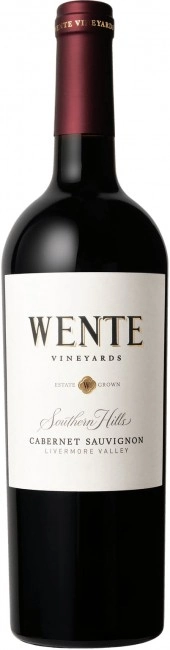
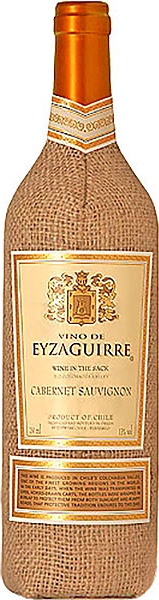
Top cabernet sauvignon picks
See all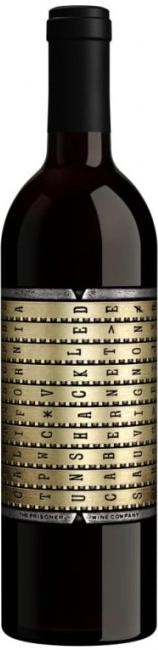



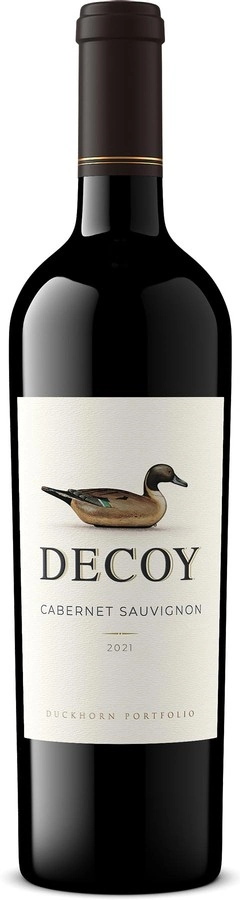
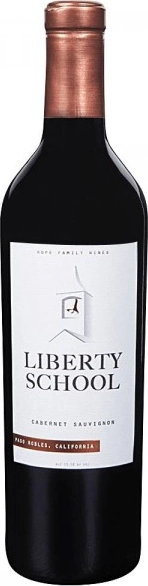
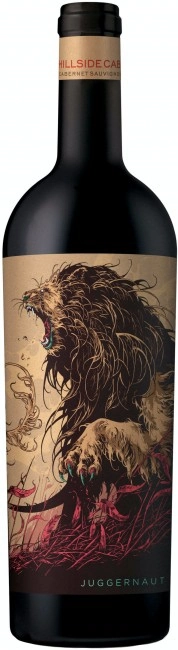

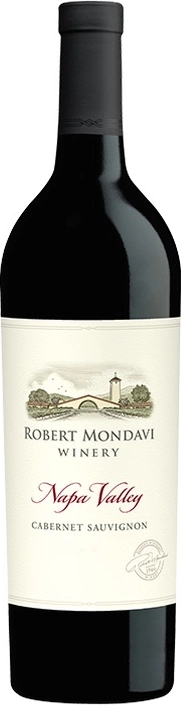
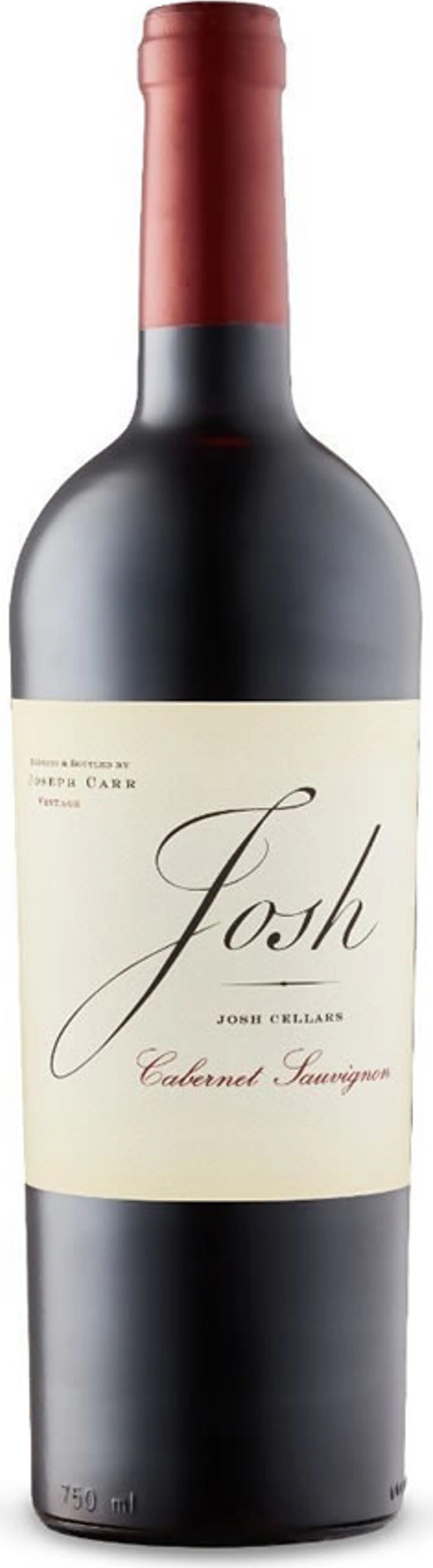


People also ask from Voss AI:
What to look for
Cabernet Sauvignon under $30 is the quiet sweet spot of the red wine shelf. The jump from $20 buys more than a slightly nicer bottle: it buys riper, more clearly defined fruit, tannins that are firm but smooth, and the savoury complexity that turns a pleasant glass into a memorable one. Just as important, $30 is the point where a wine's origin starts to matter, where a named district means something specific rather than a vague regional blend. The catch is that this is also where famous names begin to charge for their reputation, so the goal is to find the regions and producers that put the money in the bottle rather than on the label.
Washington State is the single smartest buy in American Cabernet at this price. Its long, sunny days and cold nights give the grape deep colour, ripe blackcurrant and a firm, savoury structure that often reads like a wine costing far more. The Columbia Valley and Walla Walla turn these out in quantity, and because the region still lacks the fame of its neighbours to the south, the prices stay honest. If you buy one $30 Cabernet on trust, make it a Washington bottle.
In California the trick is to look just outside the spotlight. The celebrated Napa Valley names sit well above $30, but the districts around them do not. The cooler reaches of Sonoma, in particular the Alexander Valley, along with Paso Robles and the Sierra Foothills further inland, offer the same plush, sun filled style for the price of an everyday Napa label, often made by the very same winemaking teams. This is where a little label reading pays off: a specific valley name is worth far more than a broad California one.
France becomes properly interesting at $30. This is the level where Bordeaux offers real wines with a track record: Cru Bourgeois and village Médoc bottles with cedar, graphite and a fine, dry grip that the New World rarely matches for savoury restraint. The southern hemisphere is just as strong. Mendoza brings concentrated, high altitude Cabernet, while Australia's Coonawarra and Margaret River and South Africa's Stellenbosch all deliver structured, ageable bottles in the $20 to $30 band. The choice between them is really a choice of style, from polished and fruit driven to firm and savoury.
Producers to trust at this tier
At $30 the surest path to a good bottle is still an established producer, but the calculation shifts. Here you are no longer just avoiding faults; you are paying for genuine craft, so the question becomes who delivers the most wine for the money rather than who merely avoids disappointing. Estates with a serious flagship often make a second or regional wine in this range, built in the same cellar from younger vines or declassified fruit, and these can be remarkable value. The bottles to be wary of are the famous names trading on reputation, where a chunk of the price is paying for the label rather than what is inside it.
The label tells you both the style and the ambition. A specific district, a single vineyard or a quality tier like Cru Bourgeois all signal a producer willing to be judged on a particular place. New World names from Washington, Sonoma or Coonawarra promise riper, more polished fruit; a Médoc or Stellenbosch bottle leans firmer and more savoury. Mentions of new oak or barrel ageing point to a richer, more structured wine, which at this price usually means better barrels used with a lighter hand.
One habit pays off more at this price than any other: buy a few and lay some down. A $30 Cabernet from a good source is built to improve, so splitting a purchase between bottles to drink now and bottles to forget for a few years costs little and teaches you a great deal about how the wine evolves. A mixed case usually trims the unit price by something like 10 to 15 percent into the bargain.
Vintage and ageing advice
This is where vintage and cellaring start to earn real attention. A $30 Cabernet from a strong, warm year has the concentration to improve for five to ten years, its tannins softening and its fruit turning from primary blackcurrant towards cedar, leather and dried herb. Weaker, cooler vintages are still enjoyable but are better drunk young, while the bottle is fresh. Reaching for the most recent year is no longer the automatic move it is with cheaper wine; a well stored older vintage can be the better buy if the price is right.
Warmth still matters most for the grape, but at this level a good producer manages a difficult year with real skill, picking selectively and declassifying anything that does not measure up. That is why a trusted name is worth even more here than at $20: it is your insurance against an awkward season. Buy from a proven region, favour a strong vintage when you can, and store the bottles somewhere cool, dark and steady, and a $30 Cabernet will reward the care far beyond its price.
How we picked these wines. Every bottle below is in stock today and ranked on critical consensus and value for money against its peers. Placement is never paid for, and any merchant relationship is disclosed.
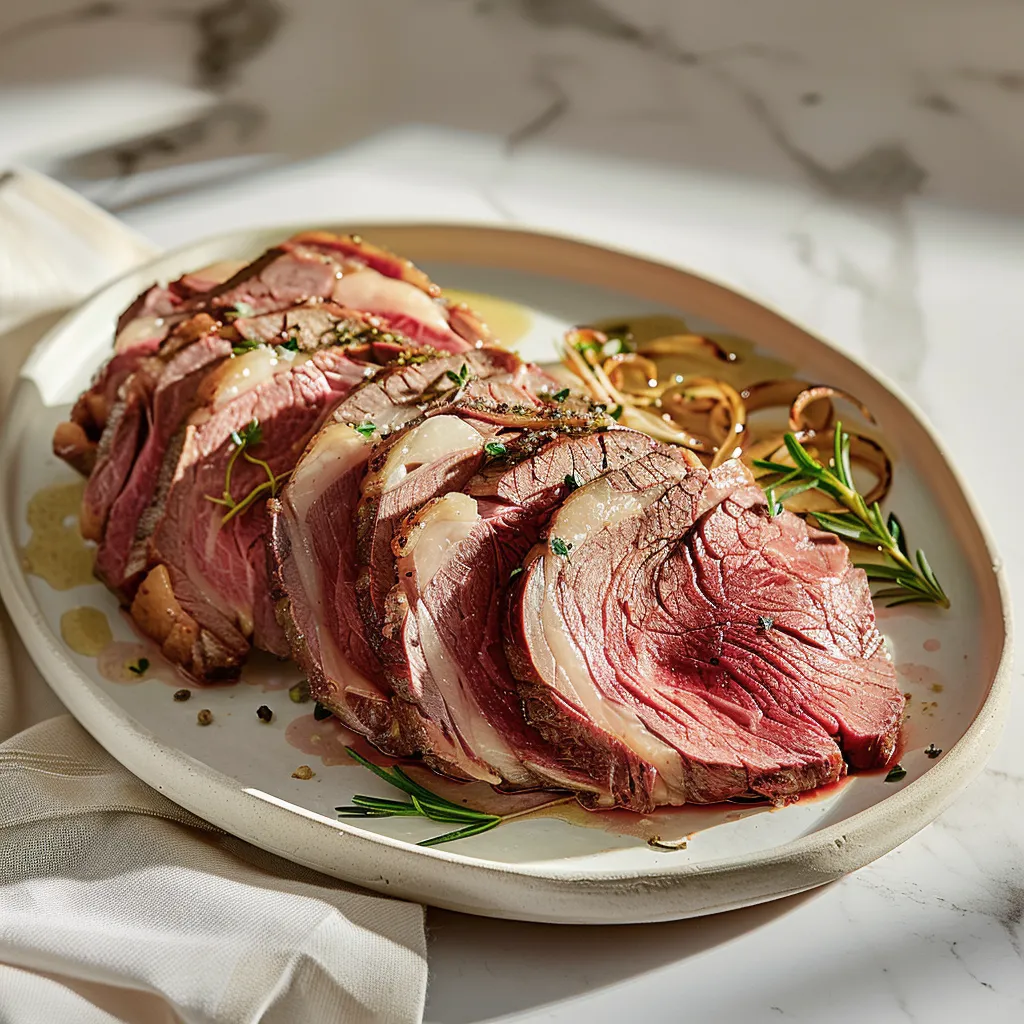
Food pairings
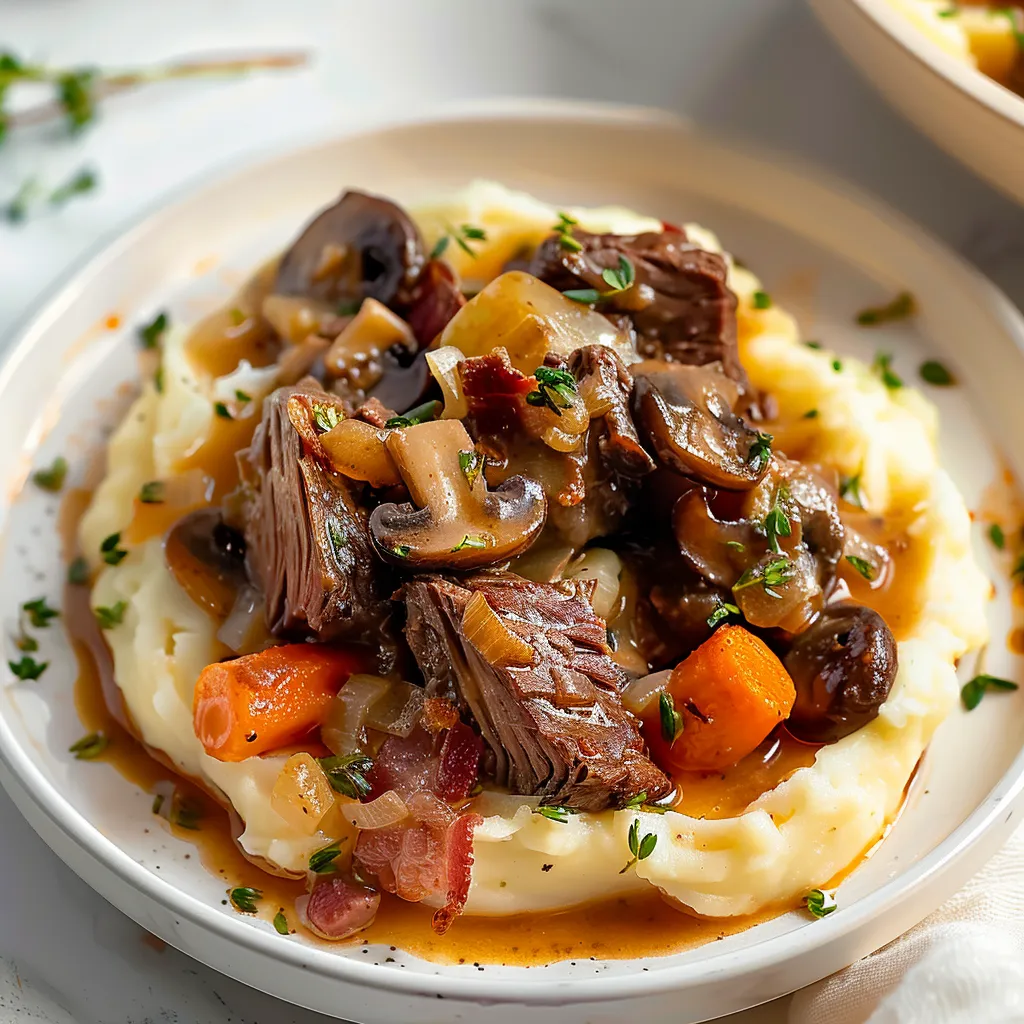
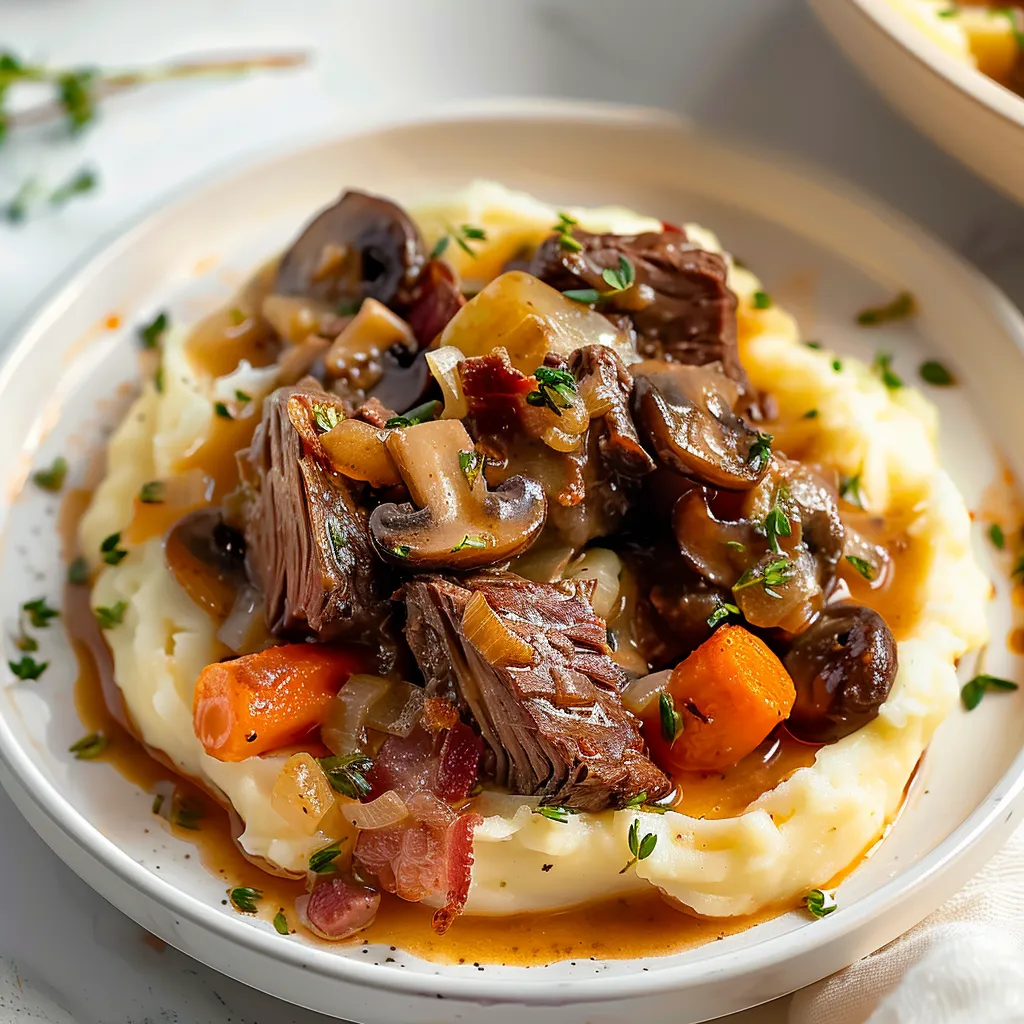
Braised beef
A long braise and a serious Cabernet are a classic for a reason. The wine's polished tannins frame the rich meat, while its dark fruit and savoury depth echo the sauce.
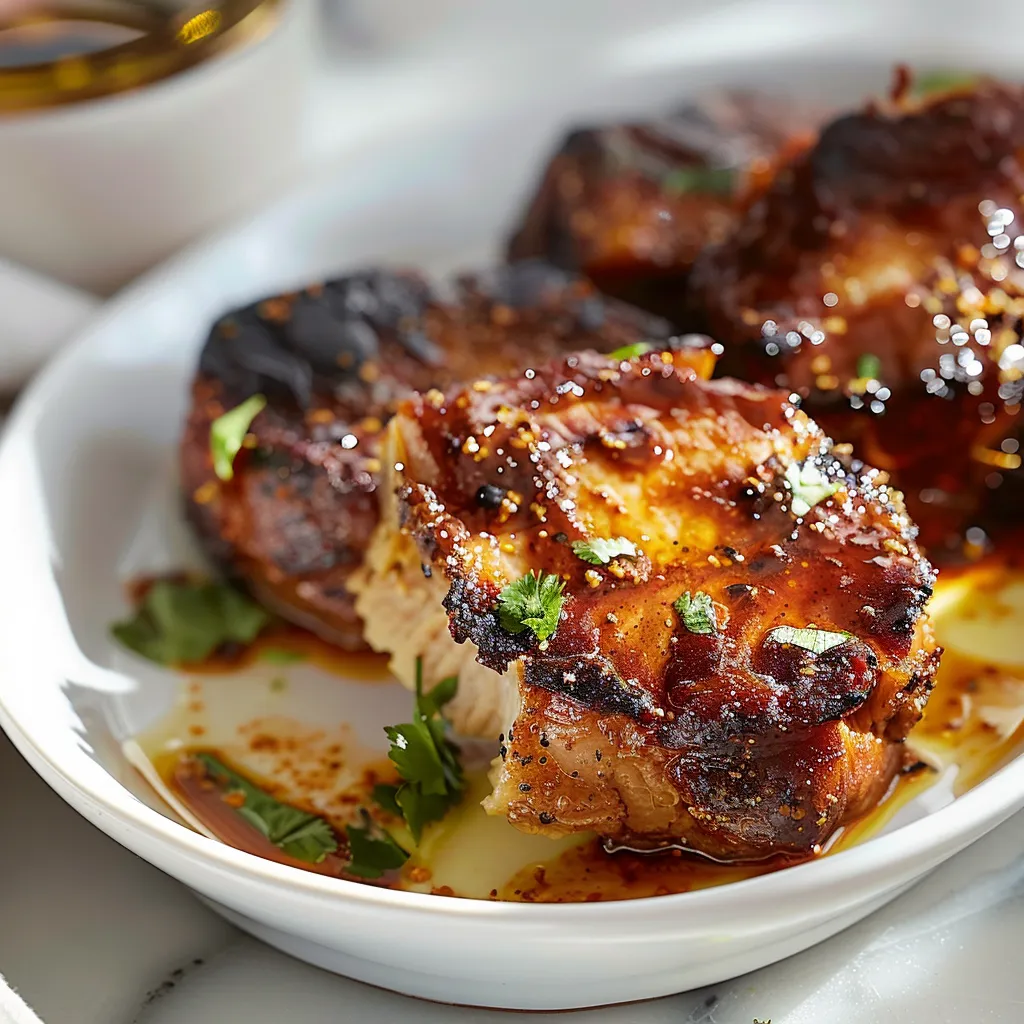
Kansas city style bbq
Sweet, smoky barbecue needs a wine with ripe fruit and real grip. A riper New World Cabernet at this price has the weight to match the sauce without being flattened.
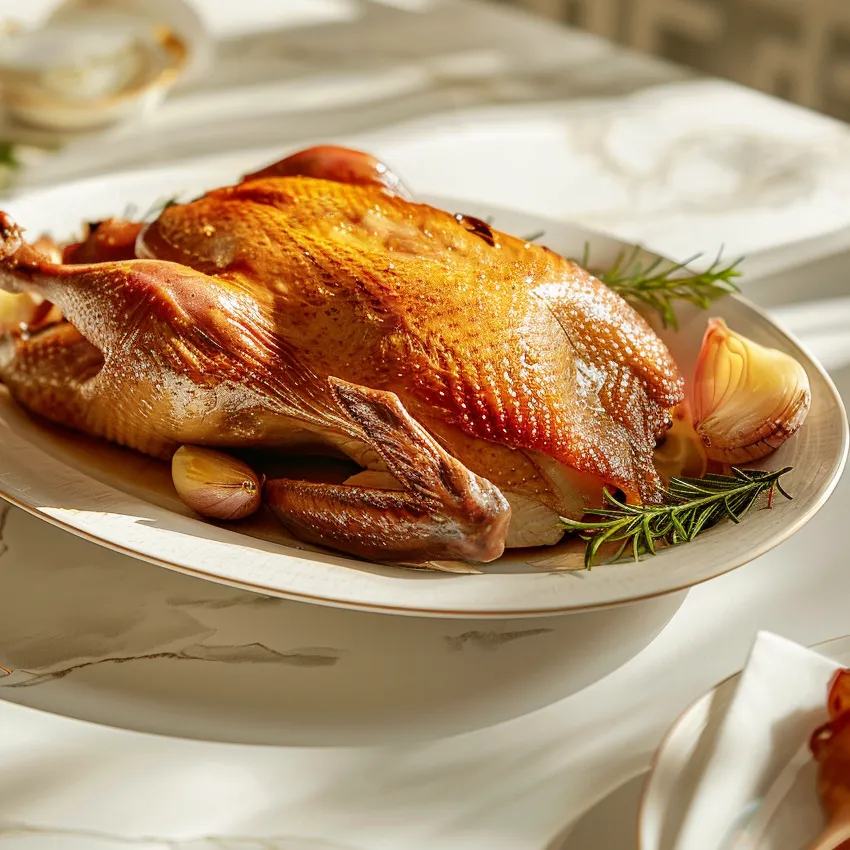
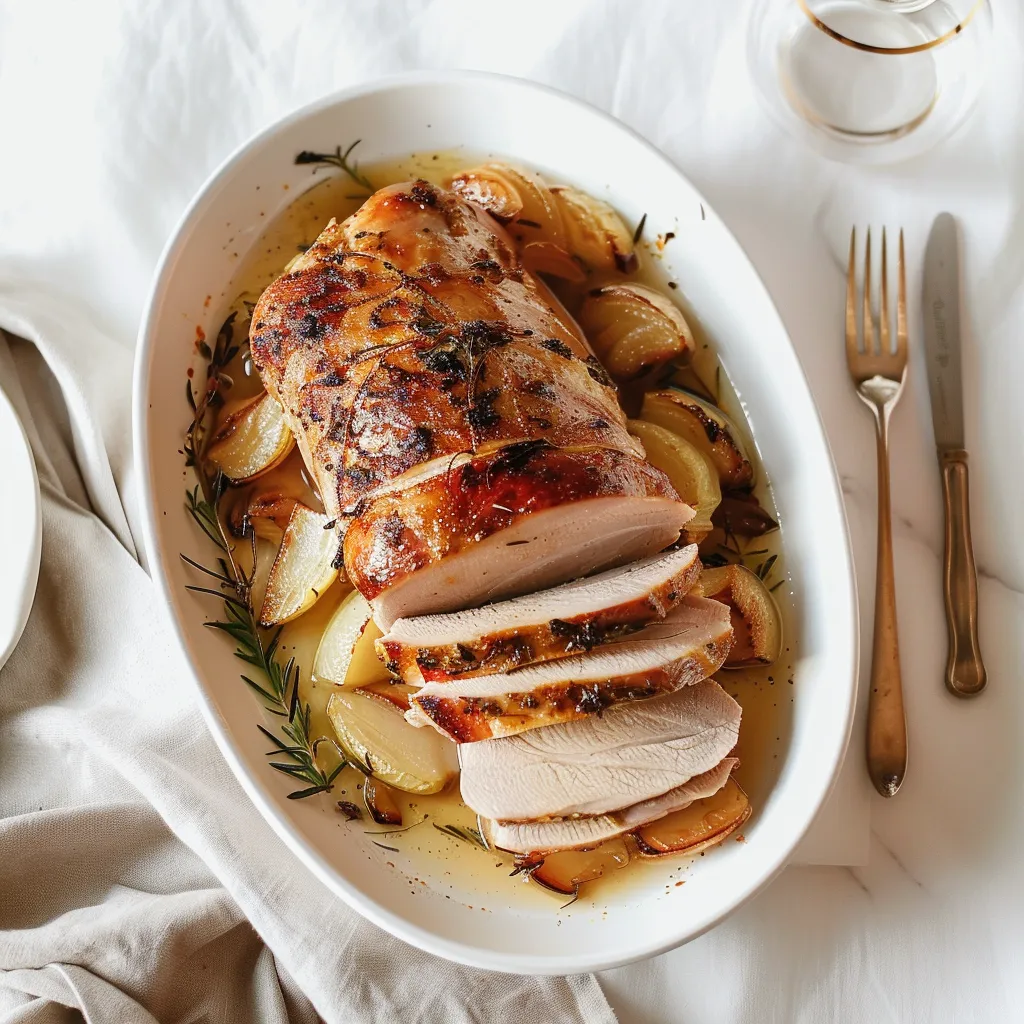
Roast duck
Dark, fatty poultry calls for structure, and a $30 Cabernet has it in spades. The firm tannins cut the fat while the cedar and cassis lift each slice.
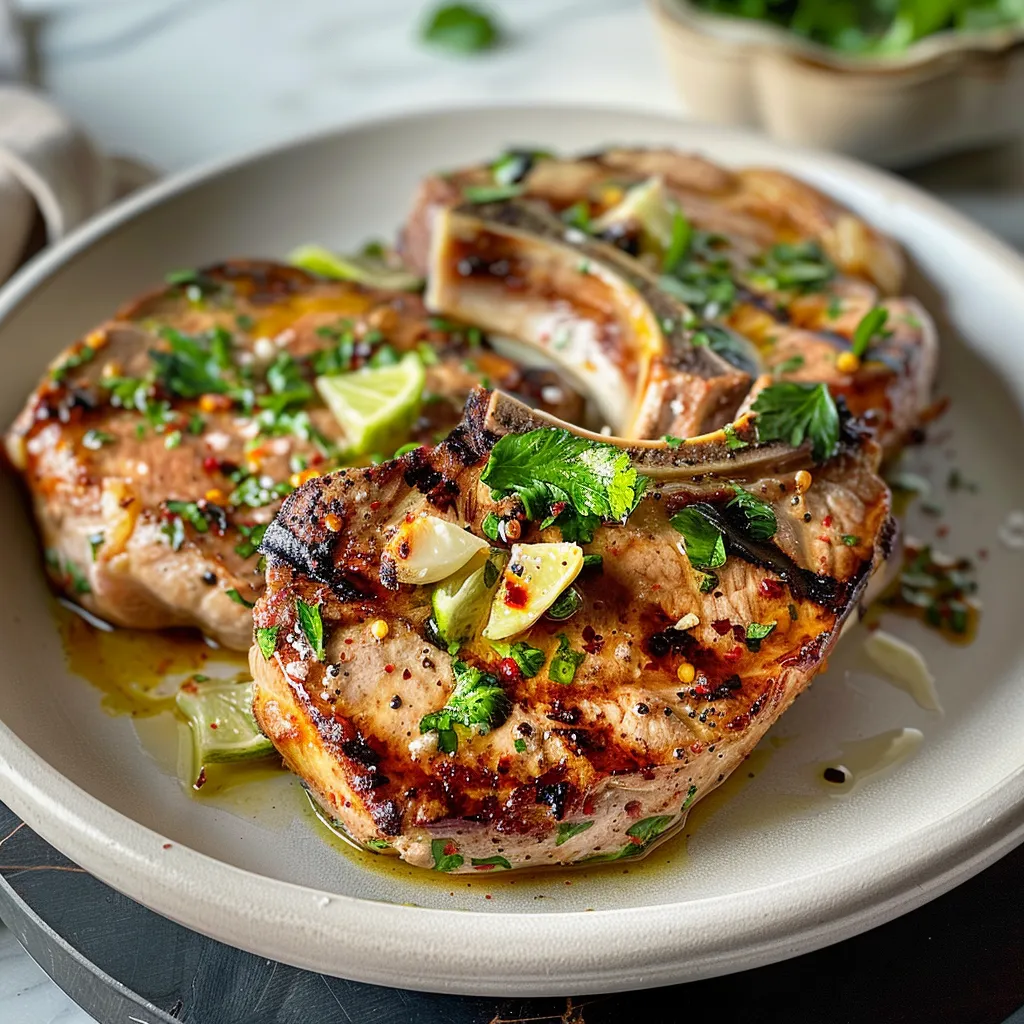
Pork chops
A thick, seared pork chop gives Cabernet enough richness to lean on. Choose a rounder, fruit forward style so the tannins stay friendly against the lean meat.
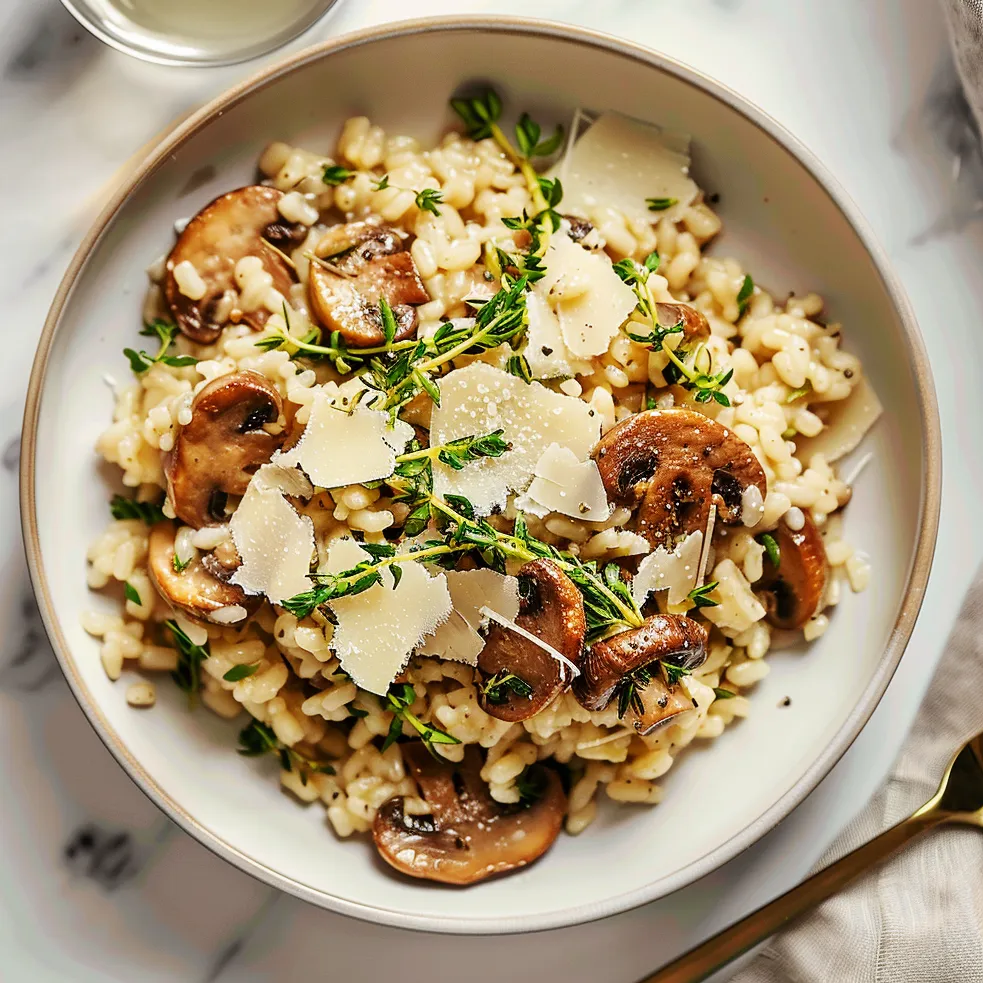
Mushroom risotto
Earthy mushrooms pull out the graphite and forest side of a good Cabernet. A more restrained Bordeaux style bottle suits this better than a bold, fruity one.
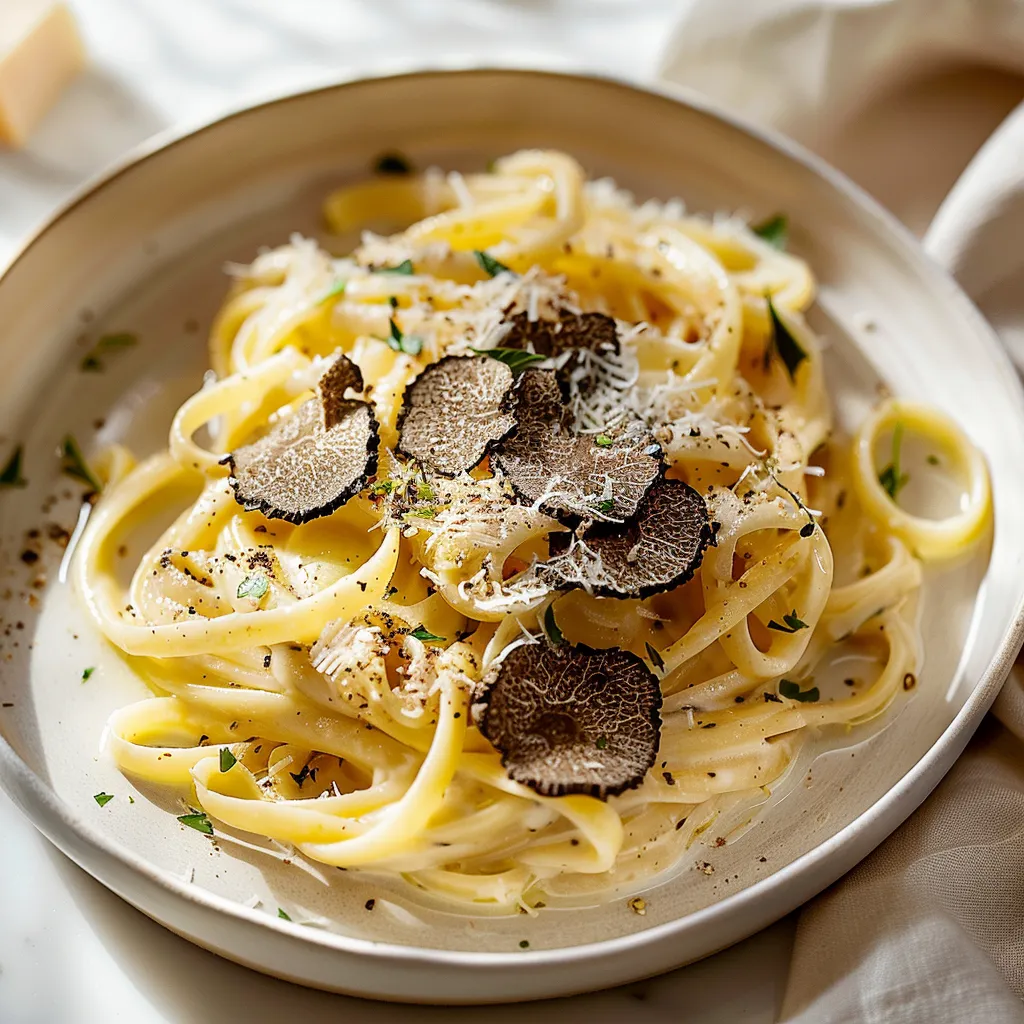
Truffle pasta
Truffle and mature Cabernet share the same savoury, earthy register. This is where an older, more developed bottle from your cellar comes into its own.
How to shop cabernet sauvignon
Five patterns worth trusting when you are standing in front of the shelf. They cover where to look, what the label is telling you about the style, and what to leave behind.
Napa's neighbours, not Napa itself
Napa Cabernet is mostly priced out of this range, but the districts around it are not. Look to Sonoma's Alexander Valley, Paso Robles and the Sierra Foothills for the same plush, sunny style at $25 to $30, often from the same winemaking teams.
Washington hits above its price
Washington State is the smartest buy in American Cabernet at $30. The Columbia Valley and Walla Walla deliver dense colour, ripe blackcurrant and firm structure that reads like a far pricier wine, with a savoury edge the warmer California sites lack.
Real Bordeaux at last
At $30 you reach genuine Bordeaux with a track record. Cru Bourgeois and village Médoc bottles bring cedar, graphite and a fine, dry grip built for the table, more restrained and more ageable than their New World rivals at the same price.
Southern hemisphere stars
Australia and South Africa shine here. Coonawarra and Margaret River give Cabernet a mineral, structured edge, while Stellenbosch in South Africa adds dark, savoury power. All three sit comfortably between $20 and $30 and age well.
Buy a few, lay some down
Cabernet at this price rewards patience, so a mixed case lets you drink some now and cellar the rest. The unit price usually falls by something like 10 to 15 percent, and you build a small run of bottles that improve over the next few years.
Frequently asked
Is Cabernet Sauvignon under $30 worth it over a $20 bottle?
Usually yes. The jump from $20 to $30 is one of the most rewarding in red wine, buying riper fruit, finer tannins and far more complexity. You move from wines that simply taste correct to ones with real depth and a sense of place. If you enjoy Cabernet, this is the band where it starts to show what the fuss is about.
Which regions give the best Cabernet under $30?
Washington State and the districts around Napa lead in the New World, offering serious quality just below the famous names. In France, Cru Bourgeois and village Médoc bring genuine Bordeaux into reach. Australia's Coonawarra and Margaret River and South Africa's Stellenbosch round out the field with structured bottles that age well.
How long can you age a $30 Cabernet Sauvignon?
Many will improve for five to ten years, and the best for longer. At this price the tannins and fruit are concentrated enough to evolve rather than simply fade, softening into a savoury, cedary maturity. A serious Bordeaux or Washington Cabernet from a good vintage is a safe bet for the cellar. Lighter, fruit driven styles are better enjoyed within three or four years.
What does a $30 Cabernet taste like?
Expect concentrated blackcurrant, blackberry and plum, layered with cedar, graphite, tobacco and sweet spice from better oak. The tannins are firm but fine grained, giving a long, structured finish rather than a simple fruity one. Compared with a $20 bottle, the flavours are clearer, deeper and better integrated, and the wine carries through a whole meal.
What food pairs best with Cabernet Sauvignon under $30?
It is built for rich, savoury food. A good steak, rack of lamb, braised beef or aged hard cheese all flatter the wine's structure, and its tannins cut effortlessly through fat. Mushroom and truffle dishes draw out its earthy side. With a more polished bottle you can serve simpler cuts and let the wine be the star of the plate.
Should you decant a $30 Cabernet Sauvignon?
Often, yes, and for longer than a cheaper bottle. A young, structured $30 Cabernet can be tight on opening, and an hour in a decanter lets the fruit and aromatics unfold and the tannins settle. Older bottles from your cellar need gentler handling, since their flavours can fade quickly once poured. When in doubt, taste it first.
Glossary
- Cru Bourgeois
- A quality ranking for Médoc estates below the famous classed growths. Cru Bourgeois bottles are the heartland of serious, affordable Bordeaux Cabernet, and many sit right around $30.
- New oak
- Fermenting or ageing wine in fresh barrels, which adds cedar, vanilla and sweet spice. At $30 a producer can afford better barrels, so the oak tends to season the wine rather than mask it.
- Single vineyard
- A wine made entirely from one named plot rather than blended across many. It signals ambition and a specific site character, and at $30 it is a sign the producer chose to be judged on a particular piece of land.
- Diurnal swing
- The gap between daytime and nighttime temperature. Warm days ripen Cabernet's tannins while cool nights preserve its fruit and acidity, which is why the best value regions pair plenty of sun with cool evenings.
- Médoc
- The strip of gravelly land north of the city of Bordeaux that is the spiritual home of Cabernet Sauvignon. Its village and Cru Bourgeois wines are the benchmark for the savoury, structured style.
- #best-cabernet-sauvignon-under-30
- #cheap-cabernet-sauvignon-under-30
- #affordable-cabernet-sauvignon-under-30
- #cabernet-sauvignon-under-30
- #value-cabernet-sauvignon-under-30