Best Cabernet Sauvignon Under $20
Most Cabernet Sauvignon under $20 is forgettable. A good share of it is not, and the difference is no accident. It comes down to a handful of regions worth trusting, what the label is promising about ripeness and oak, and what a sound bottle should show in the glass. This guide is the shortcut to all three.
Cabernet Sauvignon is the most structured of the great red grapes. It ripens late, carries firm tannins, and needs real warmth to round them out, which is why a cool or careless year leaves it green and hard. Get the ripeness right and you have cassis, blackberry and cedar over a frame that holds the wine together. Look for dark fruit, supple tannins and a savoury edge. Everything else is thin, stalky red wearing a borrowed label.
Key takeaways
Warm sites win: Chile, Washington, Bordeaux, Coonawarra.
Buy an established producer's cheapest bottle.
Want ripe tannin and dark fruit, never green or stalky.
A little oak helps; a wall of vanilla hides thin wine.
Most drink well now, the best rest a year or two.
People also ask from Voss AI:
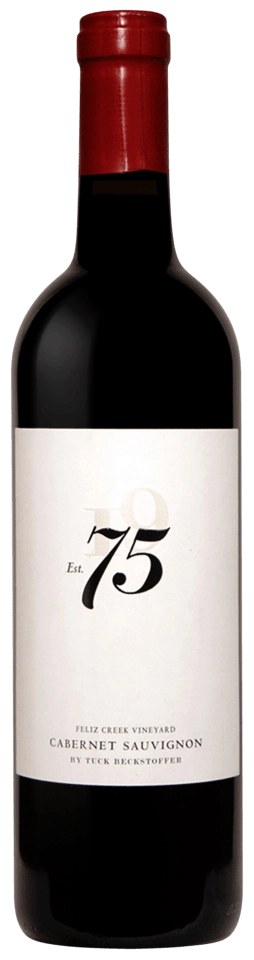
Top cabernet sauvignon picks
See all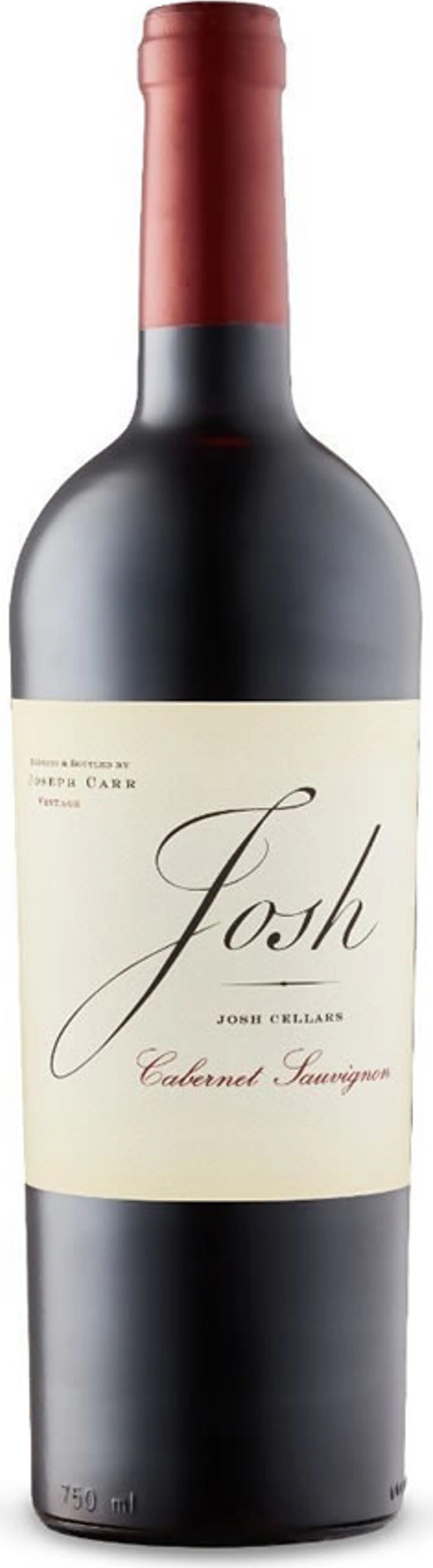


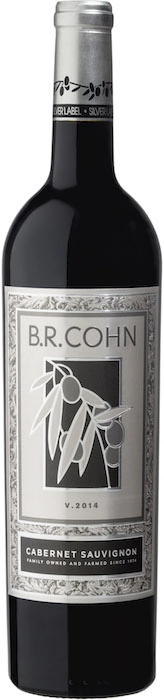

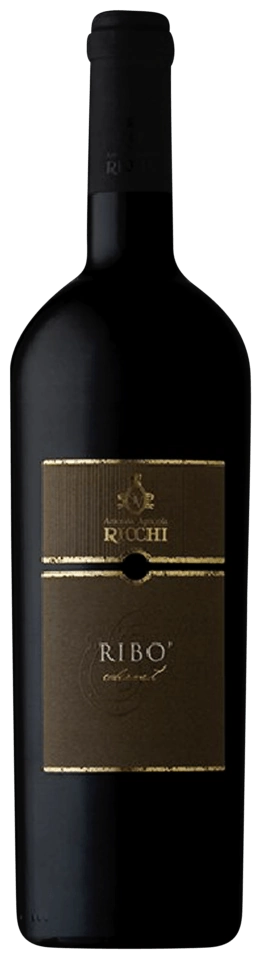


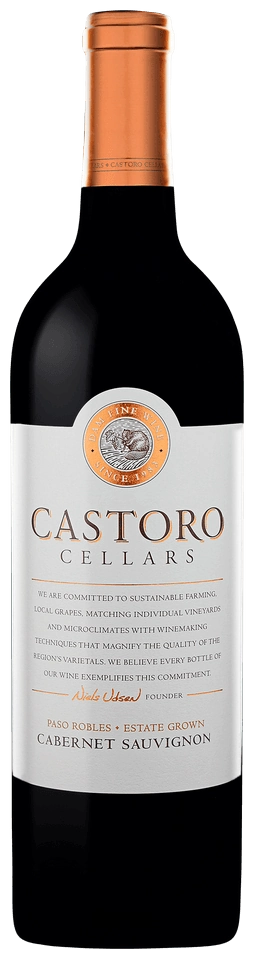


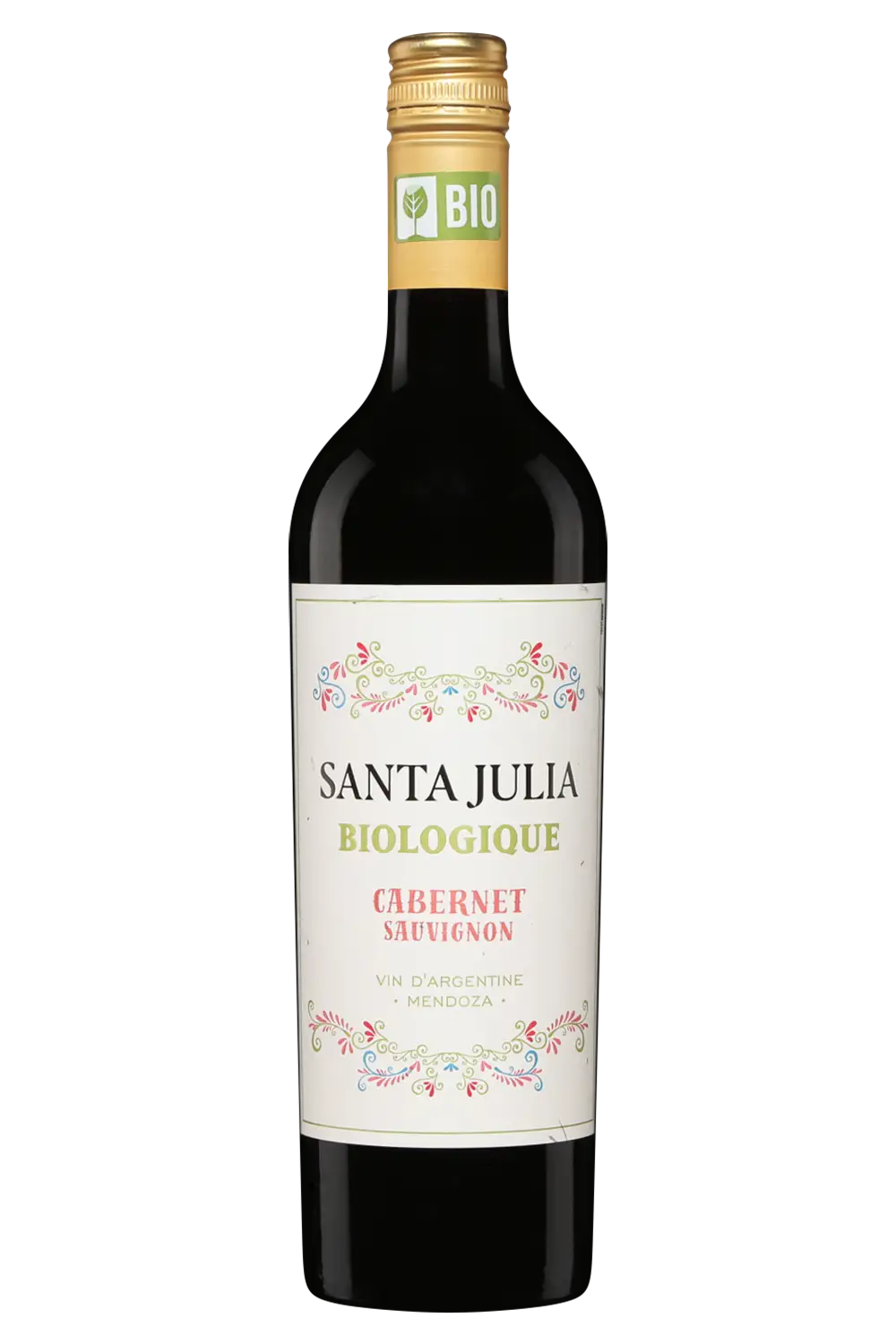
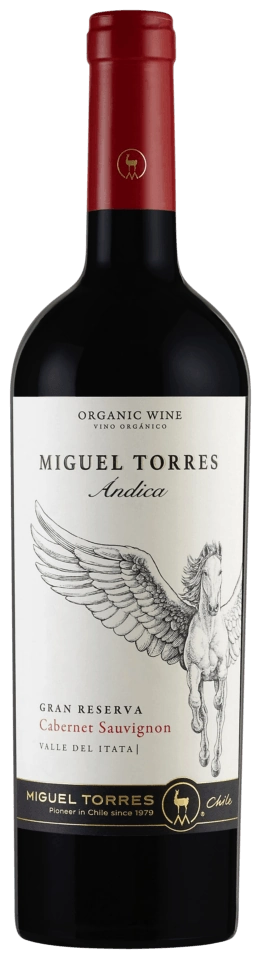
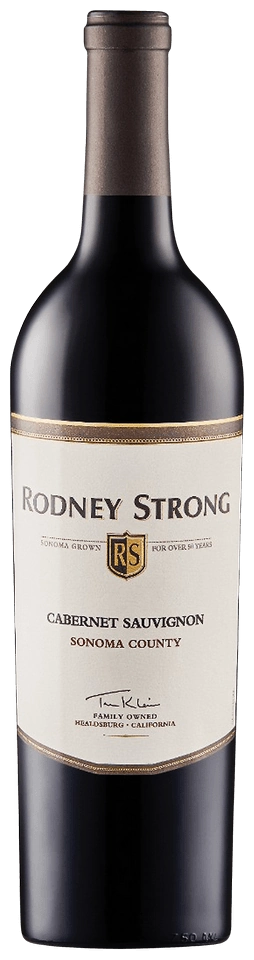

People also ask from Voss AI:
What to look for
Cabernet Sauvignon under $20 lives or dies on ripeness. The grape carries more tannin than almost any other, and tannin that has not ripened tastes green and hard, so the single most important thing a cheap Cabernet needs is a warm enough place to grow. Get that right and the firm structure becomes an asset, framing dark fruit and giving the wine its backbone. Get it wrong and you are left with something stalky and bitter that no amount of oak can rescue. That does not mean every warm region succeeds and every cool one fails. It means the warm regions, and the producers who pick at the right moment, give you far better odds.
Chile is where value Cabernet was perfected. The warm, sunny Central Valley, and cooler subzones like Maipo and Colchagua set between the coast and the Andes, ripen the grape fully while holding on to freshness, and they do it at prices no one else can match. A Chilean bottle in the $10 to $16 range is the safe default: ripe cassis, a savoury herb edge and tannins that are firm but smooth. It is the first place to look and the hardest to beat.
California spans everything from jammy bulk reds to serious bottles, so the trick is knowing where the value hides. Skip the famous and pricey Napa Valley names, which almost never appear under $20, and look instead to warmer inland zones like Paso Robles and Lodi, where Cabernet turns plush and fruit forward for around $15 to $20. To the north, Washington State is the quiet star, its long sunny days and cool nights giving Cabernet deep colour, ripe tannin and a firm line of acidity that many cheap reds lack.
Bordeaux is the grape's homeland, and its everyday tier is easy to overlook. Generic Bordeaux and Bordeaux Supérieur bottlings sit near $15 and offer the original blueprint: cedar, graphite and blackcurrant over a firm, food friendly grip, leaner and more savoury than the New World style. Further south, Mendoza brings high altitude Cabernet with deep colour and softer tannins, while Australia's Coonawarra adds a distinctive minty, structured take. None of these needs to cost much, because Cabernet grows almost everywhere it is warm enough, and steady supply keeps the everyday bottles honest.
Producers to trust at this tier
The single most reliable shortcut is to buy an established estate's cheapest bottle. A producer who has spent years building a reputation on serious wine has a great deal to lose by putting its name on a $15 Cabernet that disappoints, so the cheaper bottle is held to a standard the anonymous bulk label never has to meet. With Cabernet the difference often shows in ripeness and oak handling: a good house picks fruit that is properly ripe and uses oak to season the wine rather than to mask it. The bottles to be wary of are the sweet, heavily oaked reds with no track record, built to taste impressive on the first sip and tiring by the third.
The label gives away the style. A Chilean, Australian or warm California name promises ripe, fruit forward Cabernet; a Bordeaux one promises restraint, cedar and a firmer, drier grip. Heavy use of the words reserve or barrel aged points to a richer, oakier wine, which can be a plus or a mask depending on the producer. A specific warmer district on the label, rather than a broad country name, is the other cue worth trusting. The narrower the named place, the more often the wine has earned it.
One practical habit is worth mentioning. Once a bottle has proved itself, buying a case of six or twelve usually lowers the price per bottle by something like 10 to 15 percent, and it spares you the weekly hunt along the shelf. Cabernet at this price drinks well young but is sturdy enough to keep for a year or two, so a case sized to how you actually drink is rarely a gamble.
Vintage and ageing advice
Cabernet at this price is built mostly for drinking now, but it holds up better than most cheap wine. Its firm tannins and dark fruit let a good $20 bottle rest for two or three years, softening and turning more savoury, so there is no rush to open the most recent vintage the day you buy it. Beyond that window the fruit tends to fade faster than the structure, leaving the wine lean and hollow, so there is little reward in waiting longer. If you do hold a bottle, lay it on its side somewhere cool, dark and steady, and it will repay the short wait.
Vintage matters here through warmth more than anything. Cabernet needs a hot enough season to ripen its tannins, and a cool or wet year can leave even a decent producer's wine green and hard, while a very hot one can bake it into something soft and jammy. This is the other reason a name on the label earns its keep: a careful house manages an awkward year far better than a bulk operation does. Buy from a warm region, buy from someone with a reputation to protect, and the vintage will mostly look after itself.
How we picked these wines. Every bottle below is in stock today and ranked on critical consensus and value for money against its peers. Placement is never paid for, and any merchant relationship is disclosed.
Food pairings
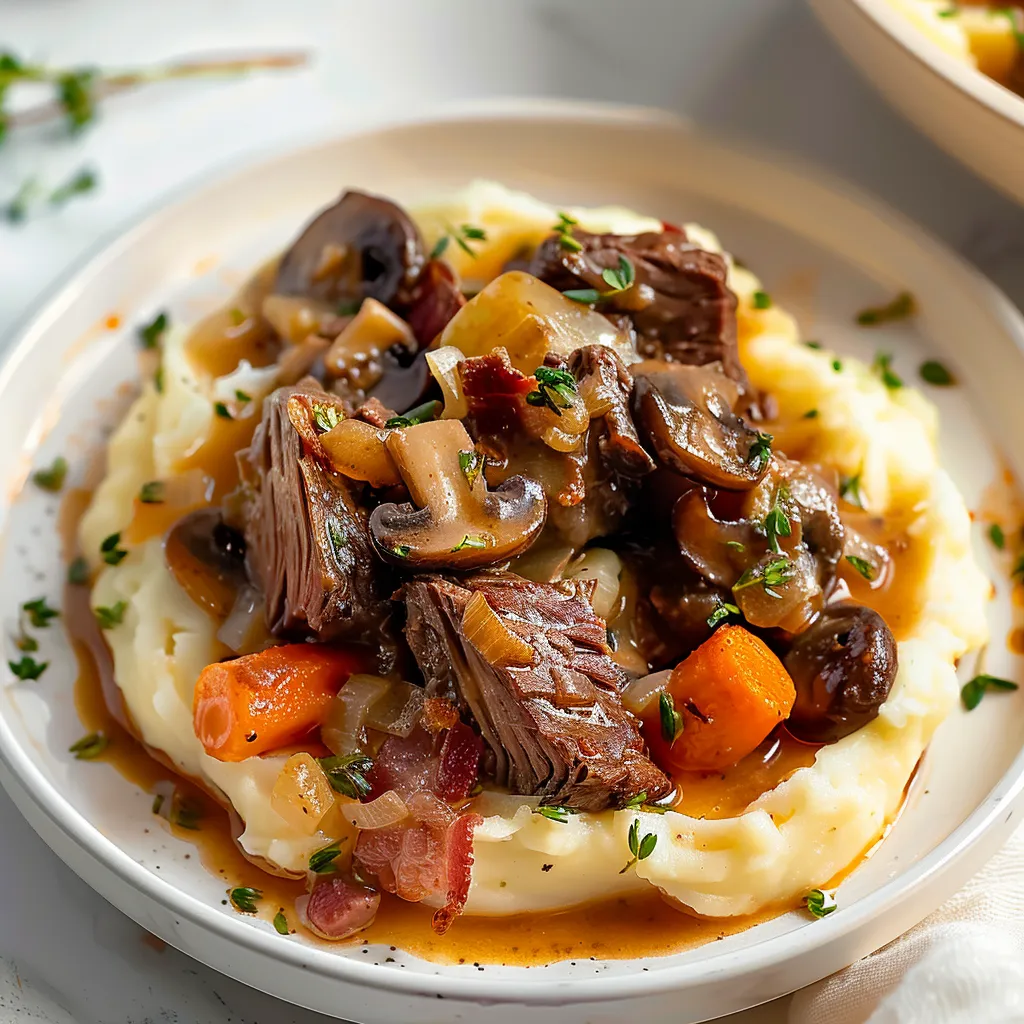
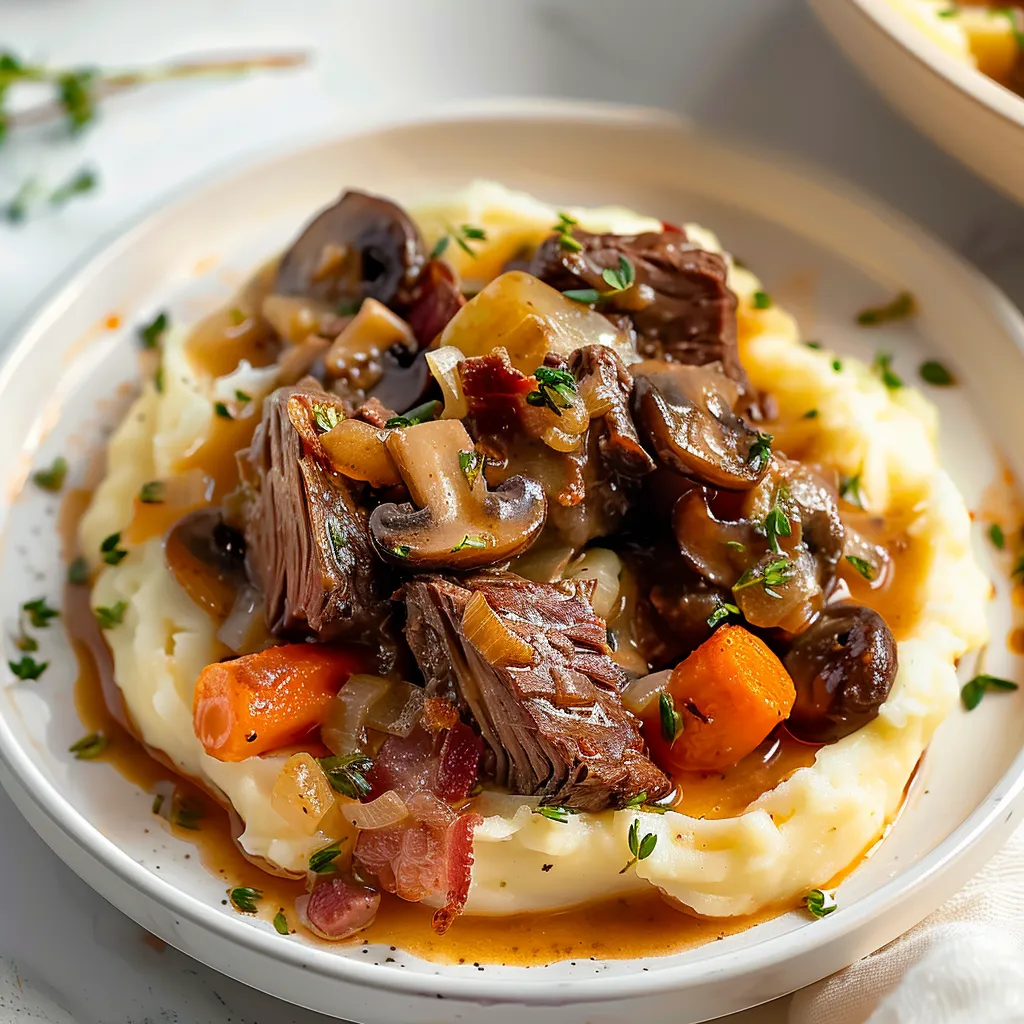
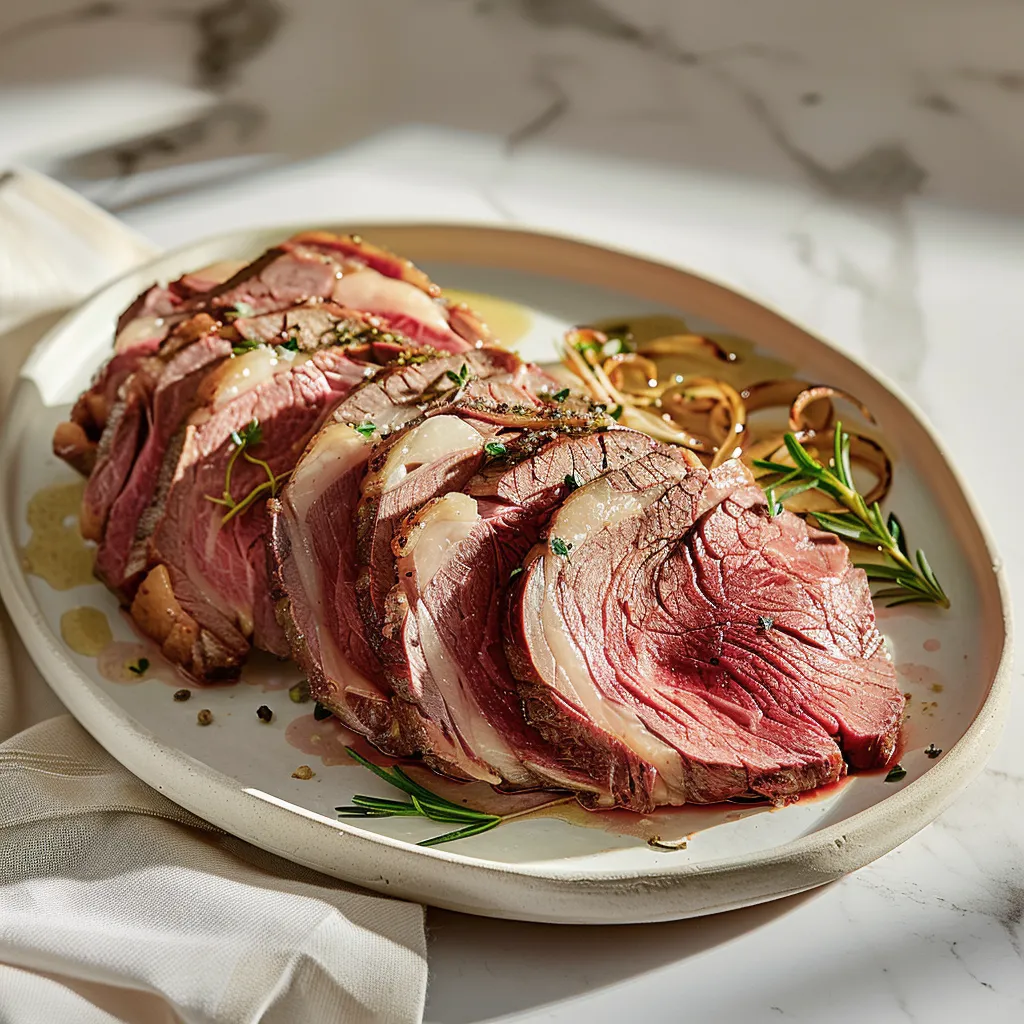
Braised beef
Slow cooked beef and a structured Cabernet are a benchmark pairing. The wine's firm tannins cut the richness while its dark fruit echoes the deep, savoury sauce.
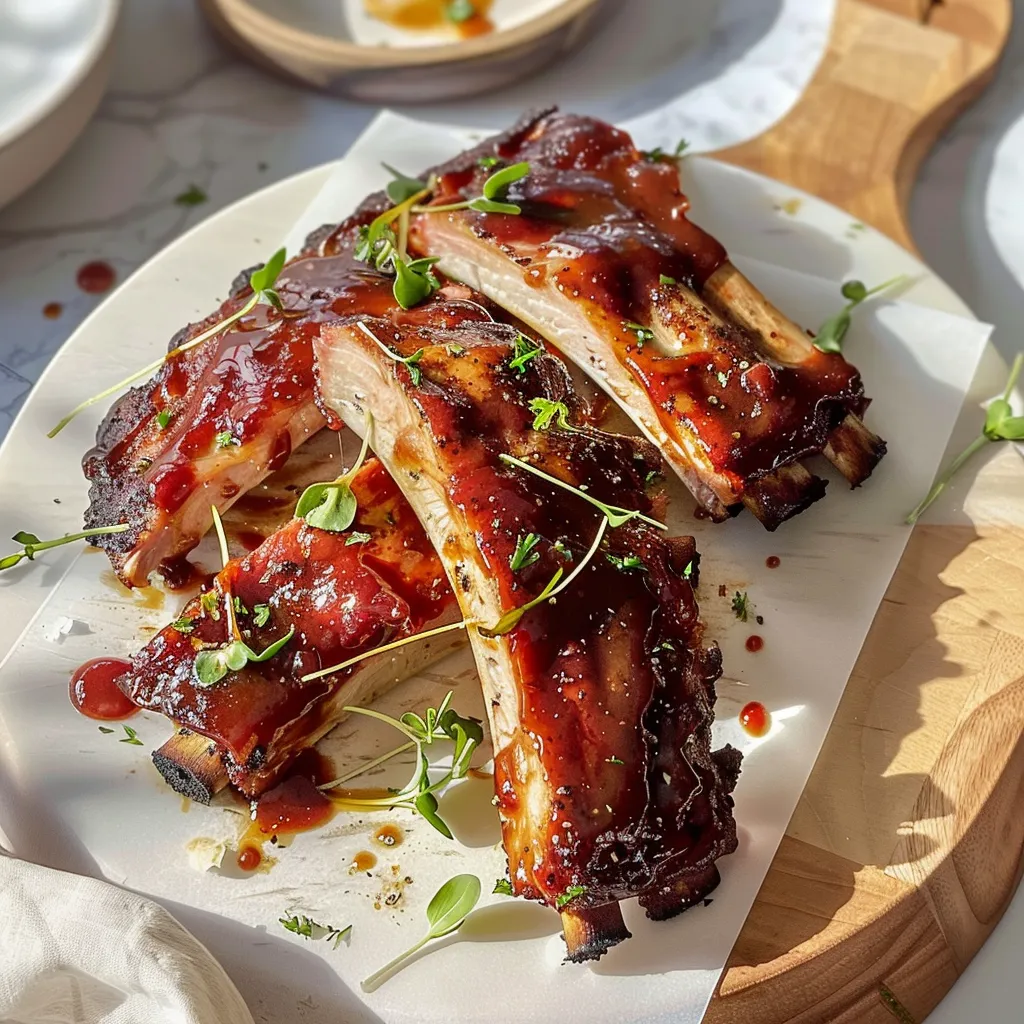
Baby back ribs with barbecue sauce
Smoky, sticky ribs need a wine with weight and ripe fruit, and Cabernet brings both. A riper New World bottle stands up to the sweet and smoky glaze.
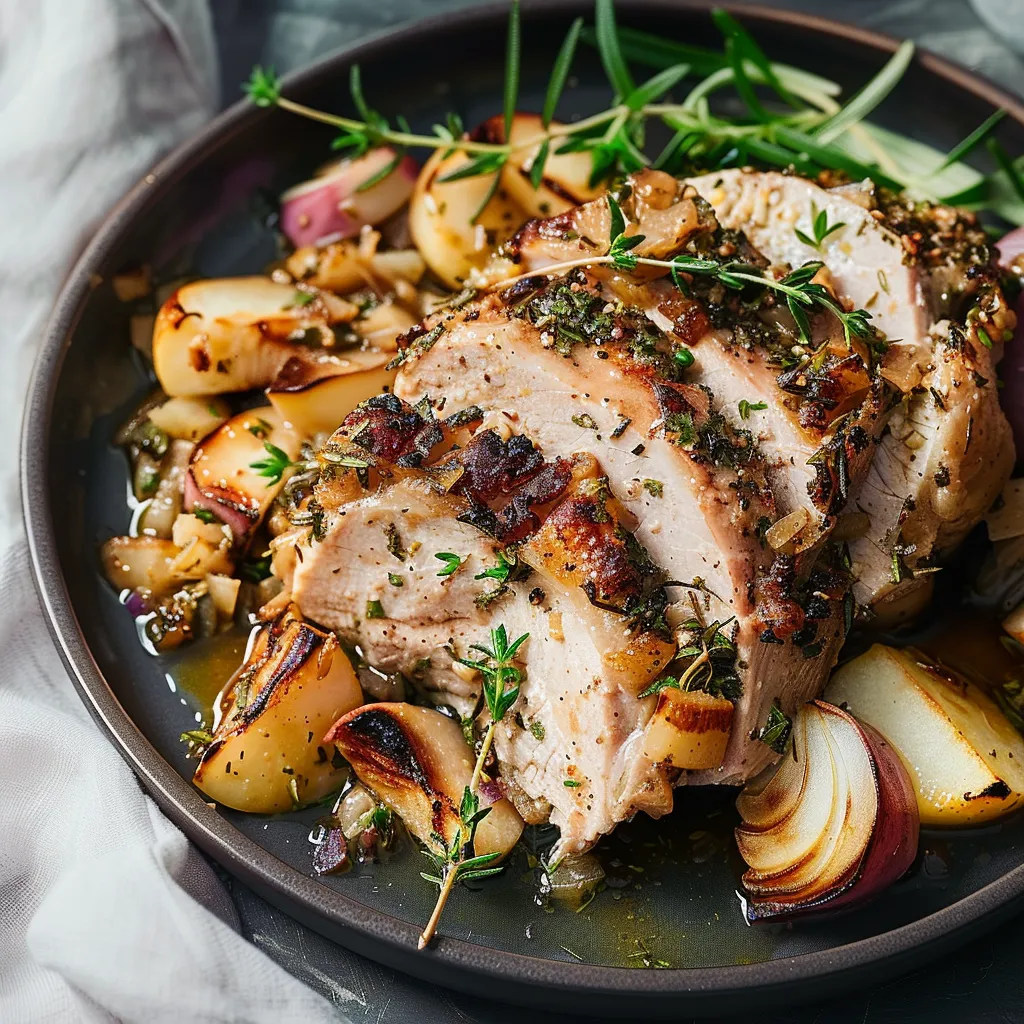
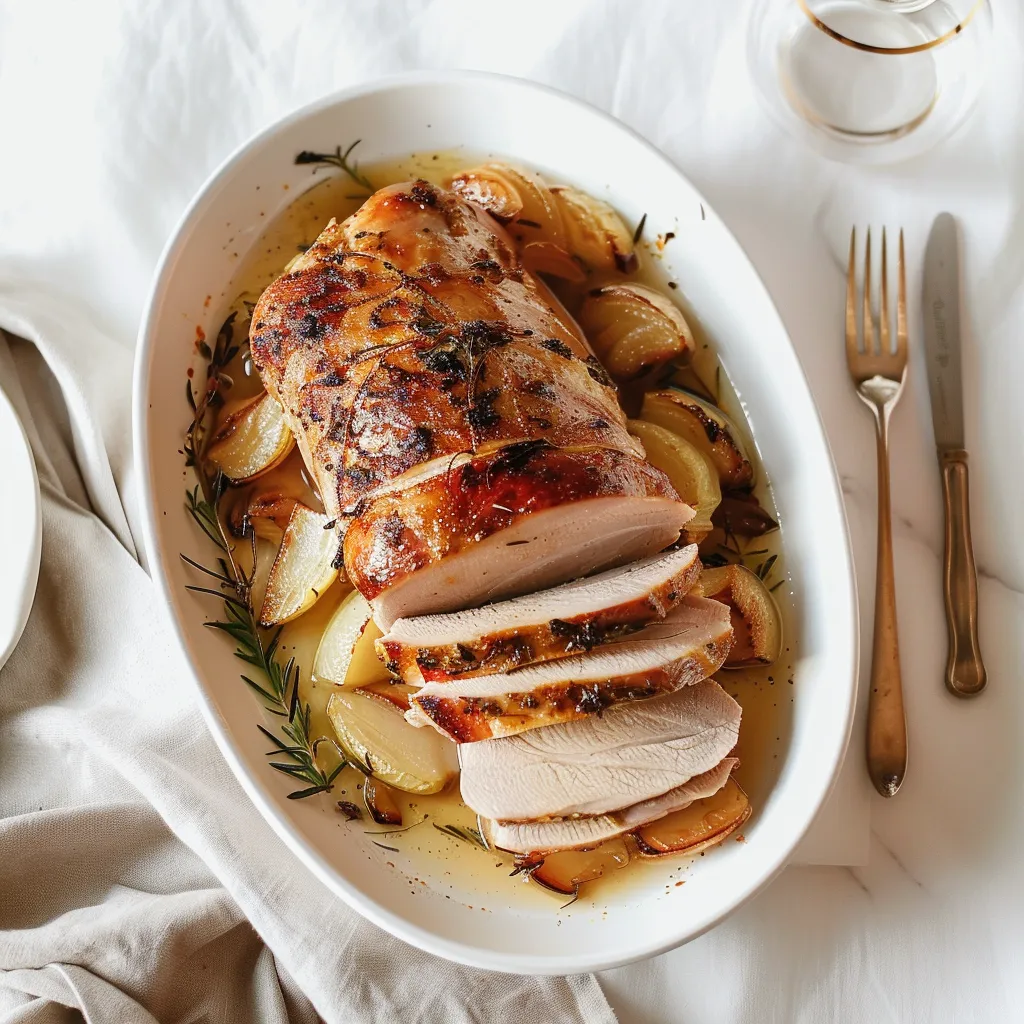
Herbed roast pork
A herb crusted pork roast gives Cabernet enough richness to work against. Lean towards a softer, fruit driven style so the tannins do not turn harsh.
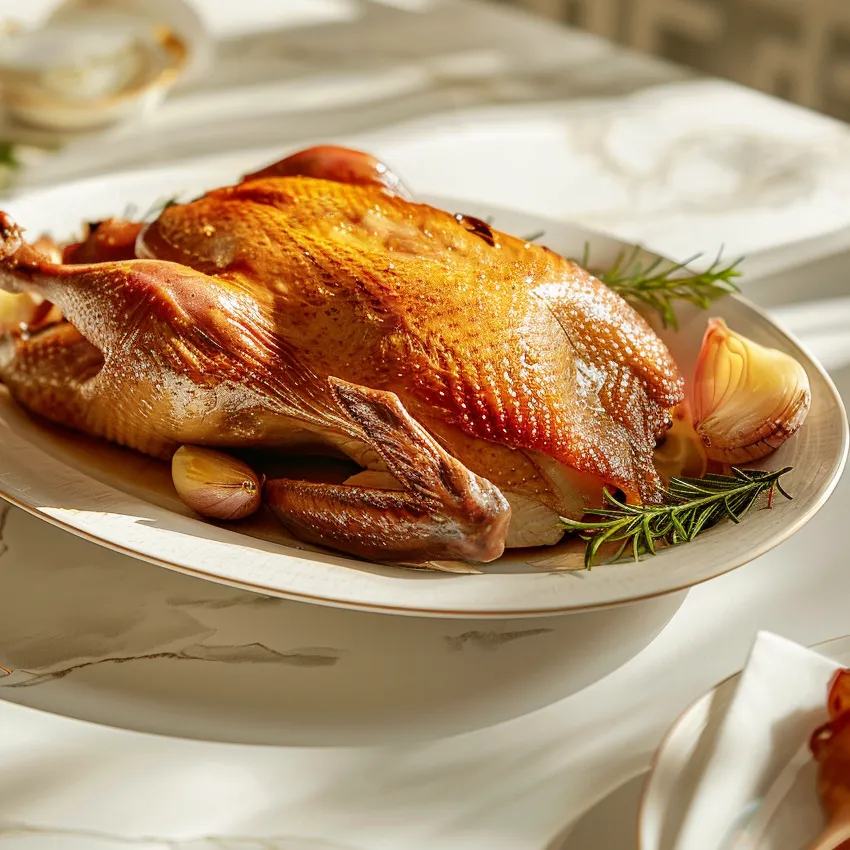
Roast duck
Rich, dark poultry meets its match in a savoury Cabernet. The wine's grip handles the fat while its cedar and cassis lift the meat.
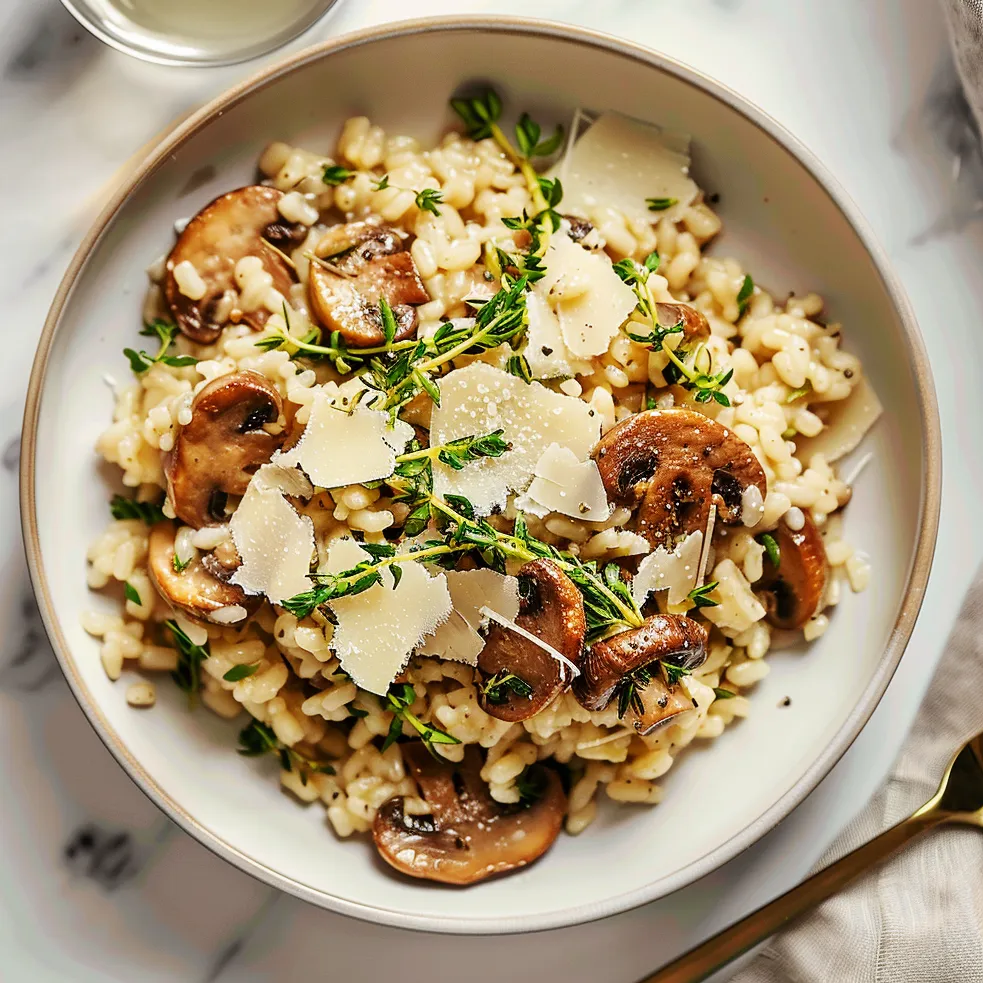
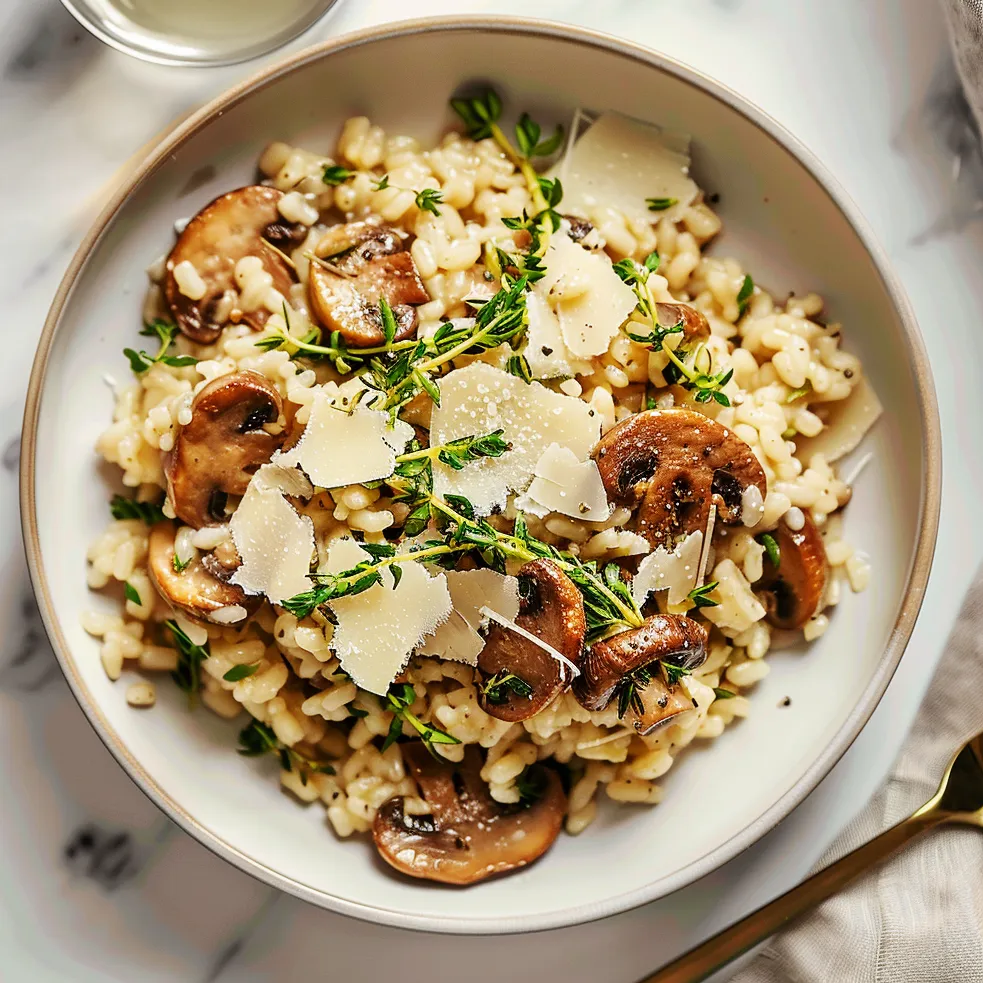
Mushroom risotto
Earthy mushrooms draw out the savoury, graphite side of Cabernet. Choose a more restrained Bordeaux style bottle rather than a jammy one.
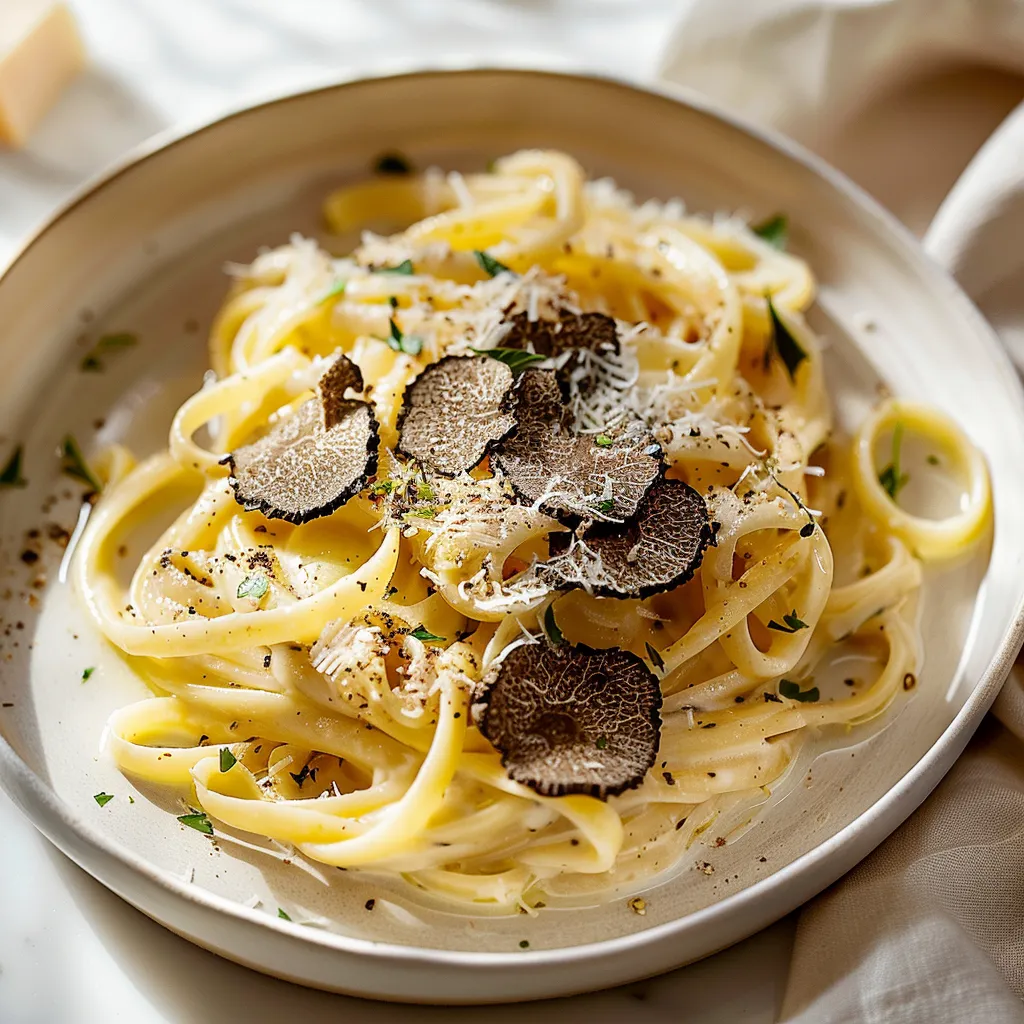
Truffle pasta
Truffle finds an echo in mature Cabernet's cedar and forest notes. It works best with an older, more savoury bottle that has softened its edges.
How to shop cabernet sauvignon
Five patterns worth trusting when you are standing in front of the shelf. They cover where to look, what the label is telling you about the style, and what to leave behind.
Chile is the value benchmark
No country gives you more ripe, honest Cabernet for the money. Chilean bottles from the Maipo and Colchagua valleys sit around $10 to $16, with cassis, a touch of fresh herb and tannins that are firm but ripe. Concha y Toro, Santa Rita and Errazuriz turn up reliably.
Washington and value California
The Pacific side of the United States is the other reliable well. Washington State and warmer California zones like Paso Robles and Lodi deliver plush, fruit forward Cabernet around $15 to $20. Look past the famous Napa names, which rarely dip under $20.
The Bordeaux homeland on a budget
Cabernet was made famous in Bordeaux, and its everyday tier is quietly good value. Generic Bordeaux and Bordeaux Supérieur bottlings sit near $15, leaner and more savoury than New World Cabernet, with cedar, graphite and a firm grip built for food.
Southern hemisphere structure
Australia and Argentina round out the value field. Coonawarra in Australia gives Cabernet a minty, structured edge, while Argentine Mendoza adds high altitude bottlings with deep colour and soft tannins. Both sit comfortably from $12 to $18.
Buy by the case
Once a producer has earned your trust, a case of six or twelve lowers the unit cost and spares the weekly shelf hunt. Cabernet at this price drinks well young but takes a short rest, so a case is rarely a gamble.
Frequently asked
Can you really get good Cabernet Sauvignon under $20?
Yes, if you shop by region. Chile leads the value field, with Washington State, warmer parts of California and everyday Bordeaux close behind. The bottles to leave behind are the thin, green ones from cool sites and the confected, over oaked supermarket reds with no track record. Stay with established producers and warm origins and a $20 Cabernet will show real character.
What does Cabernet Sauvignon taste like?
It is the most structured of the popular reds, built on firm tannins and dark fruit. Expect blackcurrant, blackberry and plum, often with cedar or vanilla from oak and a savoury hint of graphite or tobacco. Underripe examples show a green, bell pepper note. The defining feel is grip: a firm, mouth coating texture that suits rich food.
Which countries make the best cheap Cabernet Sauvignon?
Chile is the standout, with Maipo and Colchagua offering ripe, polished Cabernet for very little. The United States competes through Washington State and value California, France through everyday Bordeaux, and Australia and Argentina add their own warm climate styles. The common thread is warmth: Cabernet needs heat to ripen its tannins, so the best cheap bottles come from places that provide it.
Can you age a $20 Cabernet Sauvignon?
A little, more than most wines at this price. The firm tannins and dark fruit of a good $20 Cabernet let it rest for two or three years, softening and turning more savoury. Beyond that the fruit usually fades faster than the tannins, leaving the wine hollow. Most are made for drinking now, so there is no need to wait unless you want to.
What foods pair best with Cabernet Sauvignon under $20?
It is the classic red for red meat. Steak, lamb, braised beef, burgers and ribs all suit it, because the wine's tannins cut through fat and protein that would overwhelm a lighter red. Hard aged cheeses and mushroom dishes work too. Match a riper New World bottle to barbecue, and a leaner Bordeaux style one to a simple roast.
Should I decant a $20 Cabernet Sauvignon?
It often helps. Young Cabernet at this price can show tight, slightly harsh tannins on opening, and twenty to thirty minutes in a decanter or open glass softens them and opens the fruit. The riper, more modern styles benefit most. There is little risk in trying, since a sturdy young red rarely fades from a short airing.
Glossary
- Tannin
- The drying, grippy compounds in red wine that come from grape skins, seeds and oak. Cabernet is naturally high in tannin, which gives it structure and the ability to age, but needs ripeness to feel smooth rather than harsh.
- Cassis
- The blackcurrant aroma at the heart of classic Cabernet Sauvignon, ripe and slightly sweet. Its presence is one of the clearest signs that the fruit reached full ripeness.
- Bordeaux Supérieur
- An everyday Bordeaux appellation with slightly riper fruit and a touch more ageing than basic Bordeaux. It is one of the best places to find genuine French Cabernet blends under $20.
- Bell pepper
- A green, vegetal aroma caused by underripe Cabernet, linked to the same pyrazine compounds found in Sauvignon Blanc. A little can add interest, but a lot signals fruit that never ripened, common in cheap bottles from sites that are too cool.
- Claret
- The traditional British name for red Bordeaux, the original Cabernet based blend. It still appears on some labels and signals the savoury, food friendly style rather than a fruit forward New World one.
- #best-cabernet-sauvignon-under-20
- #cheap-cabernet-sauvignon-under-20
- #affordable-cabernet-sauvignon
- #cabernet-sauvignon-under-20
- #value-cabernet-sauvignon