What Is Grower Champagne?
When you think of Champagne, you probably picture iconic brands like Moët & Chandon or Veuve Clicquot. But did you know there's a rising movement of independent Champagne producers crafting unique, terroir-driven wines? Enter grower Champagne—small-batch, handcrafted sparkling wines made by the same people who grow the grapes. These bottles are gaining popularity among wine enthusiasts and sommeliers who crave authenticity, artistry, and value.
So, what exactly are grower Champagnes, and how does it vary from the more common international Champagne brands?

In general, most Champagne producers fall into one of three categories: grower, négociant, and cooperative. Growers are independent winegrowers or families who cultivate their own grapes and produce their own wines. Négociants, commonly known as Champagne houses, obtain grapes from various growers throughout the Champagne region and skillfully produce cuvées that reflect their particular house style. Cooperatives, on the other hand, represent a collaborative approach to wine production. Multiple producers pool their resources and grapes to produce wines as a collective group
Three Key Differences Between Grower Champagne and Big Champagne Houses
1. Production Process
The key difference between grower Champagne and house Champagne lies in the production process. House Champagnes, produced by renowned Champagne houses such as Moët & Chandon and Veuve Clicquot, are made from grapes sourced from numerous winegrowers from vineyards across the Champagne region. These grapes are mixed to achieve a consistent house style year after year, regardless of fluctuations in the grape harvest.
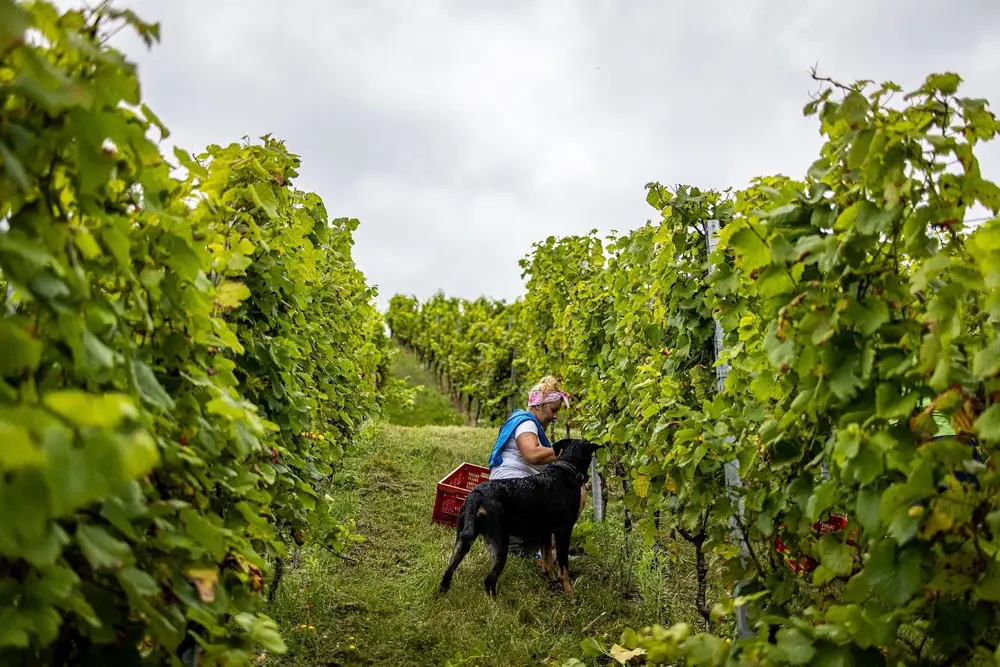
In the case of grower Champagne, the grape producer also serves as the winemaker, having complete control over the wine's development at every stage. This means that there is a close relationship between the people growing the grapes and the ones executing the fermentation, from vineyard to bottle. This hands-on approach allows for a more profound expression of the vineyard's distinct terroir, resulting in wines with a distinct hallmark of their origin.
2. Style
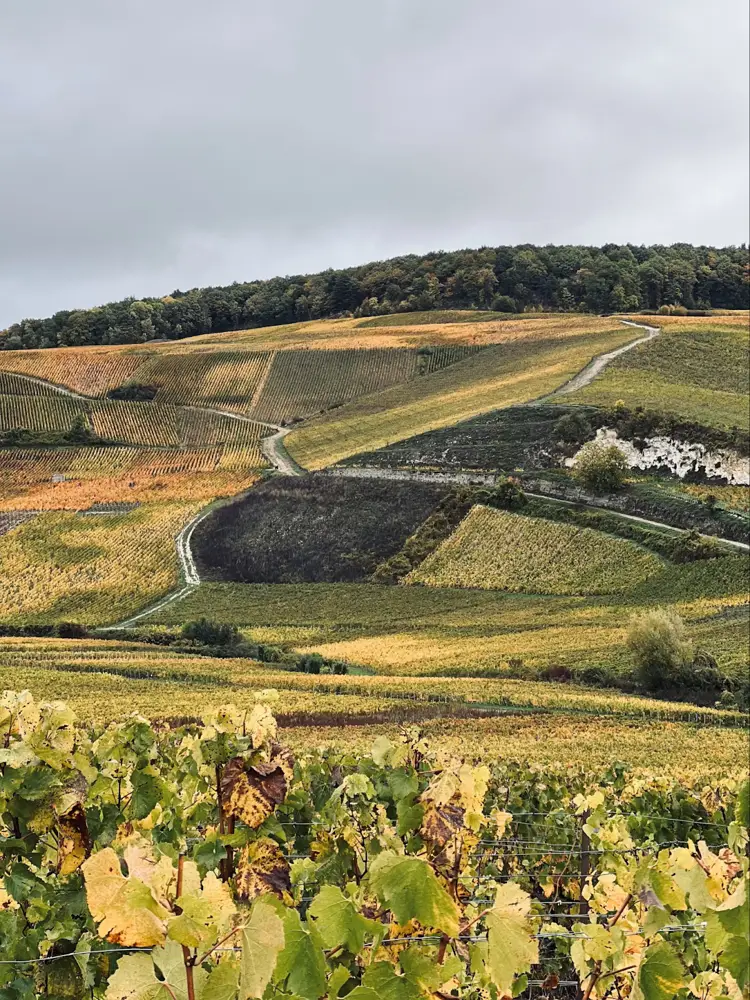
Grower Champagne styles are often more diverse and expressive than big-brand Champagnes. Unlike major houses that prioritize consistency, grower Champagnes reflect the specific vineyard, vintage, and winemaker's vision. Independent Champagne winemakers are not bound by the rigorous constraints of a house style, allowing them to create wines that represent their own preferences as well as the distinct terroir of their vineyards. Expect more variation between bottles, showcasing the nuances of subregions like Montagne de Reims, Côte des Blancs, and Vallée de la Marne, or even specific vineyard parcels.
In contrast, house Champagne values consistency above everything else. Large Champagne houses mix grapes from multiple vineyards in different subregions to keep a consistent taste profile and quality. This ensures that customers can rely on their favorite brand for a consistent and familiar taste.
3. Price & Availability
While grower Champagne offers a more artisanal experience, it is also more affordable in terms of price. Many grower Champagnes are reasonably priced when compared to their larger, more established counterparts, who spend millions of dollars on marketing each year. This makes grower Champagne an appealing option for both discerning connoisseurs and those looking to explore Champagne without breaking the bank.
However, grower Champagnes are not always readily available at every liquor store, let alone large-scale supermarket chains. Their presence can be limited compared to widely distributed house Champagnes. Nonetheless, the quest for a bottle of grower Champagne is often rewarding, as it often leads to the discovery of hidden gems of unique terroir and the vision of the winemaker.
How to Spot a Grower Champagne
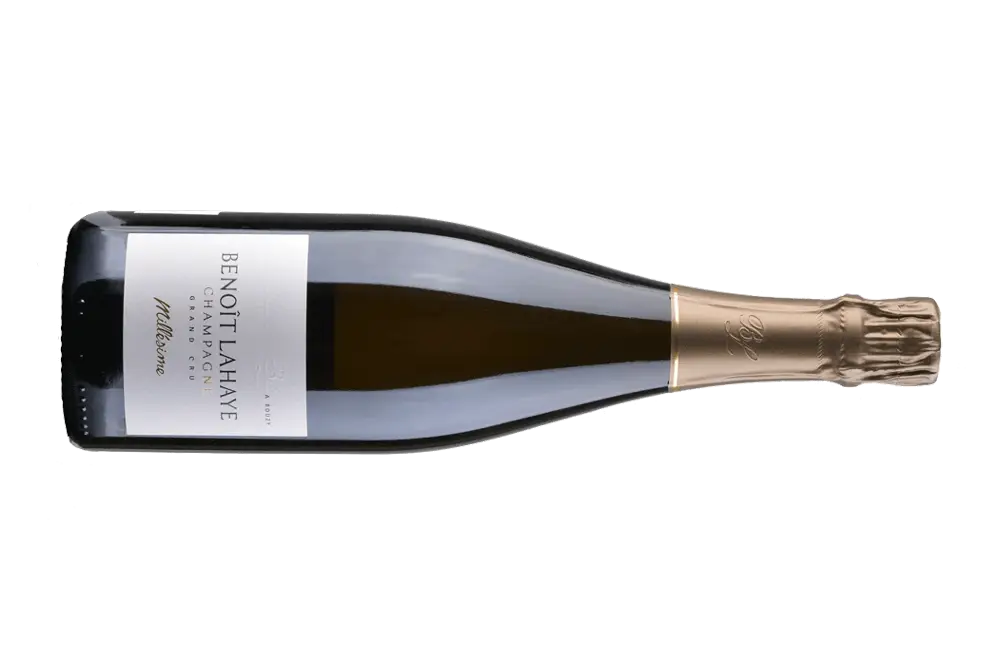
Identifying a Grower Champagne in a sea of sparkling wines is not as difficult as it may seem. Look for the abbreviation “RM” on the bottom of the wine label, which stands for “Récoltant Manipulant.” This indicates that the grapes used to make the wine were grown by the same company that bottled it.
Grower Champagne is more than just a phenomenon, it's a testament to the dedication and artistry of the winemakers. While house Champagne offers consistency and prestige, grower Champagne offers a glimpse into the diverse terroirs of the Champagne region.
Ready to experience authentic, terroir-driven Champagne? Explore our curated selection of top grower Champagnes at VinoVoss.com—crafted by independent producers who capture the true essence of Champagne.
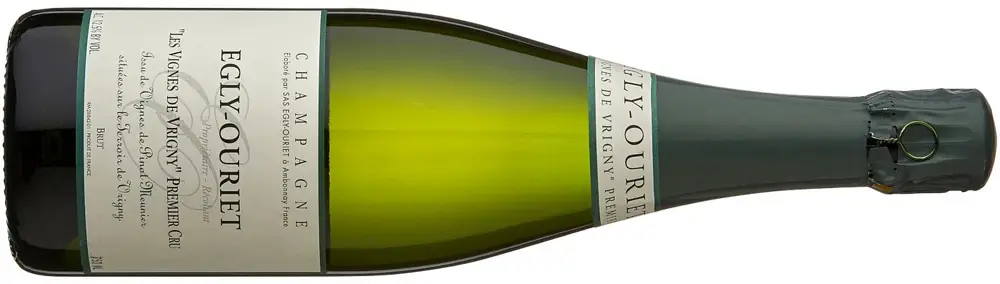
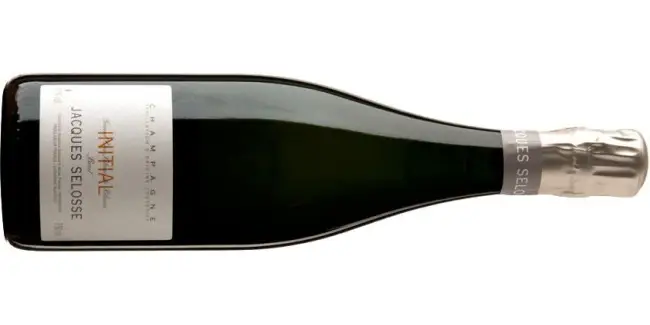
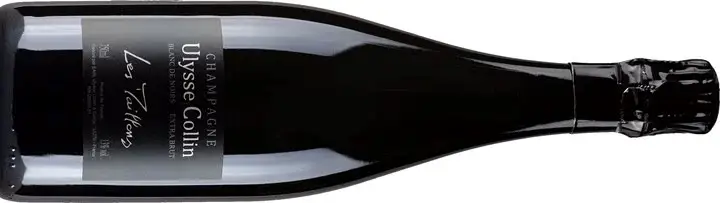
Grower Champagnes To Try:
Sylvia Ba