Port Wine 101: Unlocking the Magic of Portugal’s Sweet Treasure
A rich and delicious fortified wine from Portugal, Port embodies a timeless tradition that has captured the hearts of wine lovers worldwide. If you are curious about new flavors, this sweet, dessert-friendly gem is the perfect place to start.
Whether you are new to wine or want to try something different, Port is a great choice. It offers a rich taste, an interesting history, and many styles to explore.

What Exactly is Port?
Port is a fortified wine originating from the Douro Valley in northern Portugal.
Being "fortified" means that grape spirit, also known as aguardente or brandy, is added during fermentation. This process increases the alcohol content and helps keep the natural sweetness.
The result? A sweet, indulgent wine that's perfect as a dessert companion or a cozy evening sipper.
Origin and Production
Port's story begins in the Douro Valley, where vineyards known as quintas (the Portuguese word for estates) line steep hillsides.

The grapes grown here are mainly Portuguese indigenous varieties, including Touriga Nacional, Touriga Franca, and Tinta Roriz (also known as Tempranillo in Spain), other varieties are Tinta Barroca and Tinta Cão.
Each grape brings its own set of flavors: for example, Touriga Nacional contributes hints of blueberry and vanilla while Touriga Franca can add vibrant raspberry and cinnamon notes.
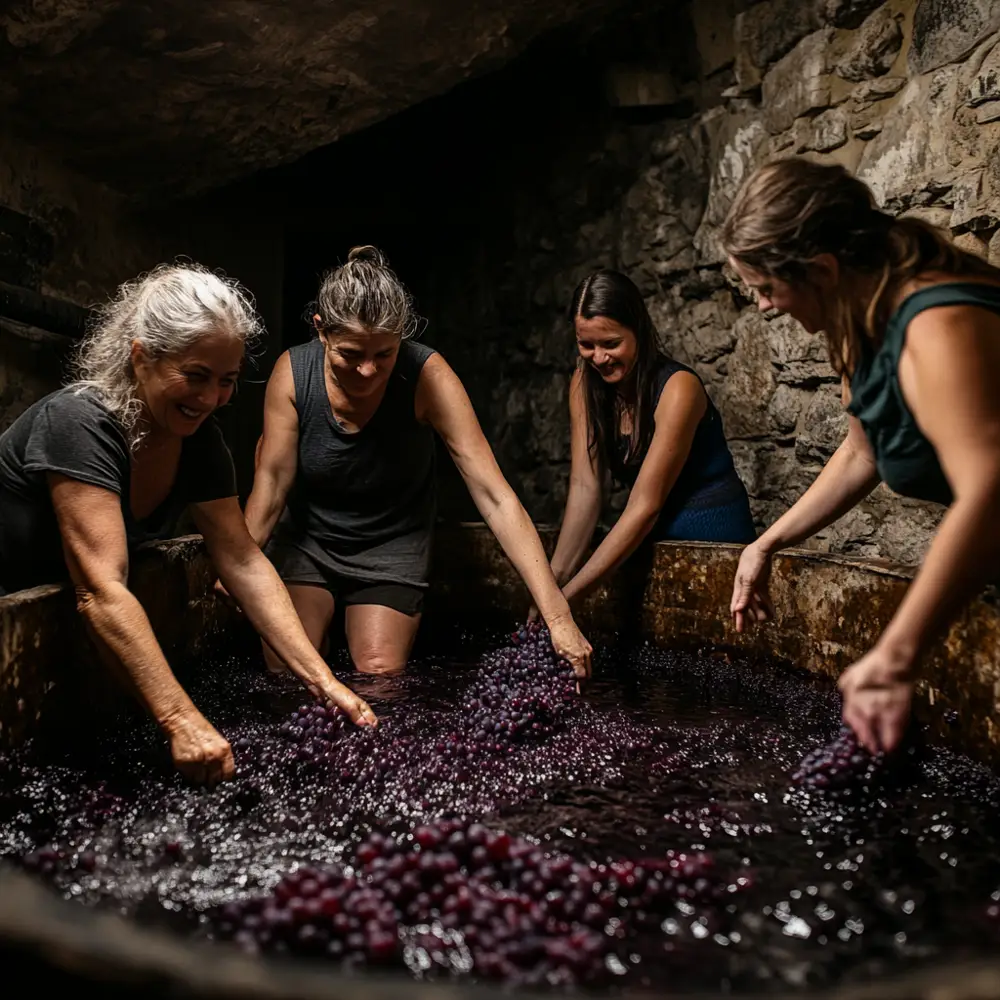
In the past, people crushed grapes by foot in big stone tanks called lagares. This method helped extract color and flavor quickly without breaking the seeds. Modern wineries now rely more on technology, but the dedication to quality and distinctive regional character remains. After fermentation, the wine is fortified and then aged—either in bottles or barrels—before heading to the market.
Four Common Styles of Port
While there are many official categories, most Ports can be grouped into four main styles:
Ruby Port
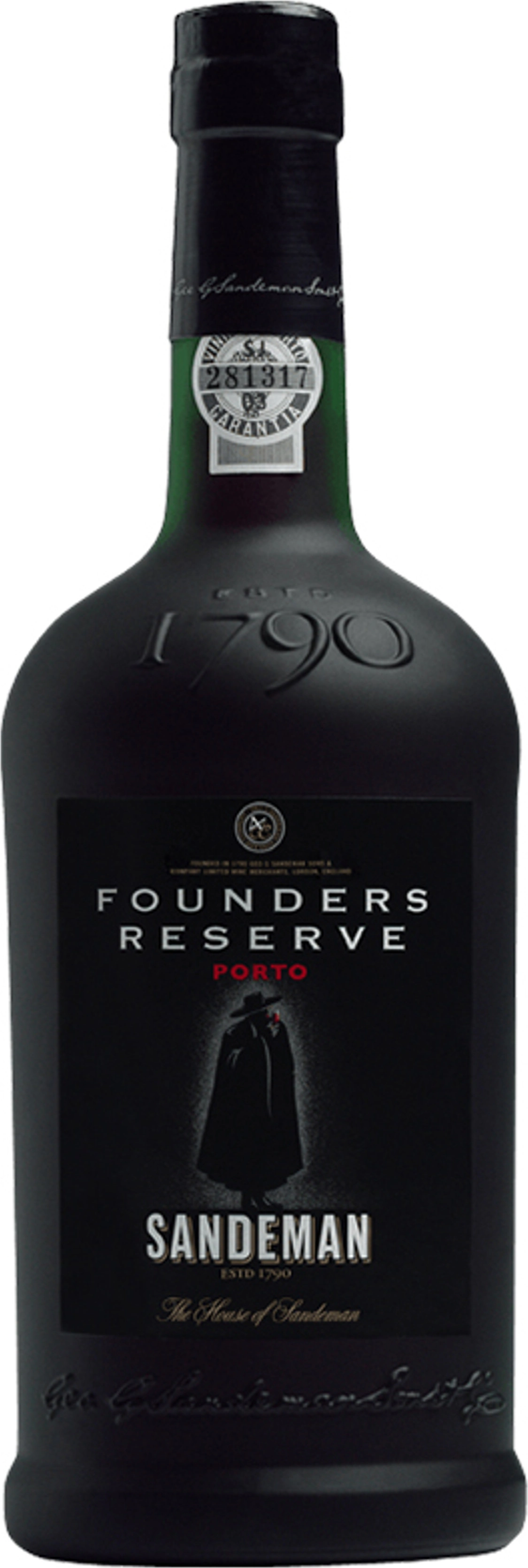
Ruby Port, or red Port wine is known for its deep color and bold fruity flavors. It includes sub-categories like Vintage Port, Late-Bottled Vintage (LBV), Crusted, and classic Ruby. If you love rich berry tastes with a hint of chocolate, Ruby Port is a great place to start.
Tawny Port
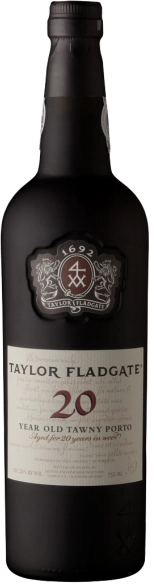
Tawny Port is aged in barrels. This aging lightens the color and changes the flavors.
It develops nutty and caramel-like notes. The sweetness level can be quite pronounced, and older Tawnies can get incredibly nuanced in taste. If you enjoy dessert flavors like butterscotch and toasted nuts, this is the style for you.
White Port
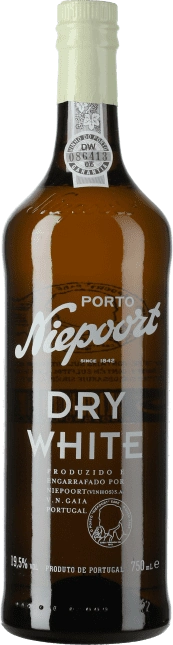
Crafted using indigenous white grapes such as Rabigato, Viosinho, Gouveio, and Malvasia, white Port can range from dry to very sweet. You might taste citrusy, floral, or even honeyed notes. You can enjoy it chilled on its own or use it in cocktails as a lower-alcohol substitution for gin and tonic.
Rosé Port
A relatively newer category made similarly to rosé wine, Rosé Port offers strawberry, violets, and caramel notes. Its lighter, fruity character is a refreshing twist on classic Port styles.


What Does Port Taste Like?
Port's flavor profile is generally sweet and intense, showcasing notes of raspberry, blackberry, caramel, cinnamon, and chocolate. Some styles emphasize berry and chocolate nuances, while others highlight caramel and nutty undertones. This wide taste spectrum makes Port especially appealing to those new to wine—particularly if you have a soft spot for desserts.
Serving and Food Pairing Tips
Port is best served slightly below room temperature, around 60°F (16°C). In warmer months, you might even spot people sipping a Ruby Port on the rocks with a twist of lime—a fun and refreshing way to enjoy it with a meal.
When it comes to food pairings, Port shines alongside rich, flavorful dishes. Port pairs well with many treats. It goes nicely with blue cheeses and chocolate desserts.
Caramel pastries and smoked or salted nuts also complement its sweetness and body. Even sweet-smoky meats like barbecue can be a surprisingly tasty combination—imagine the balance of smoky spices with the wine's fruity richness.

Storage and Shelf Life
Most everyday Port options are meant to be enjoyed soon after purchase, but how you store it makes a difference:
- Ruby-style Port stays fresh for about two weeks once opened (up to a month if kept cool and sealed).
- Tawny Port generally lasts a bit longer, about a month.
Keep your bottle in a cool, dark place, and consider using a vacuum preserver to remove oxygen each time you open it. This helps maintain the flavors for as long as possible.
Aging Potential
For serious wine collectors, a Vintage Port—which uses a traditional long cork—can be cellared for decades. Some legendary Ports continue to taste spectacular even after 100 years! However, most Ports you find in supermarkets use a plastic-topped cork cap and are best enjoyed without extended aging.
Final Thoughts
Port's sweet, luxurious nature and fascinating array of flavors make it a fantastic introduction to the world of dessert wines. It's a great way to expand your palate beyond standard table wines, and the variety of styles ensures there's a Port for everyone—whether you're craving bold fruitiness, creamy caramel, or something in between. With its Portuguese heritage, rich history, and delicious versatility, Port is sure to impress and delight at dinner parties, holidays, or simply a laid-back night in.
Exploring Port doesn't have to be intimidating. Start with a small glass, pair it with your favorite chocolate or cheese plate, and let your taste buds guide you from there. Cheers to discovering your new go-to dessert wine!
Krystal Wen