Discovering America's Most Popular Biodynamic Wines
Wine shoppers today are more concerned with social responsibility than ever. The Organic Trade Association (OTA) reports that 75 million millennials in the U.S. regularly consume organic foods and beverages. This trend is changing the way people are buying wine.
According to the latest research by the International Wine and Spirits Record (IWSR), about half of the consumers in America in 2022 preferred wines that are related to sustainability or environmental factors. As people become more conscious of the effects of their consumption on the environment, organic wine, natural wine, and especially ‘biodynamic wine' are getting people's attention. But what is biodynamic wine, and does it taste any different?
What Is Biodynamic Wine?
Biodynamic wine producers treat their entire vineyard as a single, living ecosystem. They follow a holistic farming philosophy. Because they believe that nature is interconnected and influenced by natural energetic patterns. The interconnection between elements extends beyond vineyard boundaries to encompass celestial objects, including the moon and planets, and stars. Hence, the main objective of biodynamic winemaking involves creating energy equilibrium between vines and soil and people and the universe.
Biodynamic farming is not a new concept. It exists as a practice that draws its origins from ancient times. People have used celestial directions for agricultural purposes since the time of Greek and Egyptian civilizations. Traditional American farmers still use the "Farmer's Almanac" which guides their operations through lunar and celestial pattern observations.
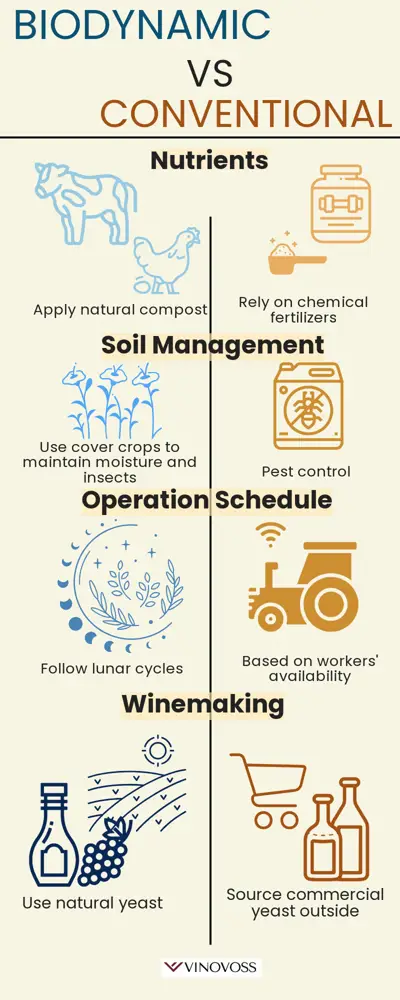
Biodynamic winemaking differs from conventional or even organic vineyards, where biodynamic producers attempt to work with almost no off-farm inputs to establish a balanced natural system in their farms. The practice of biodynamic farming includes maintaining farm animals for natural compost production and using cover crops to enrich soil quality and conducting vineyard operations by lunar time cycles.
How to Tell If a Wine is Biodynamic?
Getting your hands on biodynamic wines can be a bit difficult because not all the wineries that practice biodynamics have to get certified. The certification process can also be lengthy and expensive, particularly for smaller wineries. For this reason, some wineries practice biodynamic farming without having the certification.

Despite that, to find certified biodynamic wines, look for the Demeter logo on the label. When purchasing wines that are not certified, you can also go to specialty wine stores or shops where the staff is familiar with the wineries that use the biodynamic farming methods.
Do Biodynamic Wines Taste Different?
In short, no, not necessarily.
The taste of biodynamic wines is generally similar to that of conventional wines. But there are some wine enthusiasts and producers who claim that the biodynamic wines provide a more authentic representation of where the wine comes from and can taste a slight vibrancy and clarity in these wines.
Lalou Bize-Leroy the owner of Domaine Leroy and Domaine d'Auvenay said that the biodynamic practices improve vine vigor and grape intensity, resulting in deeper, more authentic wines. Likewise, Mimi Byers, the general manager of Johan Vineyards and Cowhorn Vineyard in Oregon, has noticed a clear ”aliveness” and balance in the wines made from the biodynamically farmed grapes.
Well-known producers like Domaine Leroy, Littorai and Bonny Doon practice biodynamic farming without changing the style of their traditional wine. These wines taste traditional while also highlighting environmentally friendly and sustainable vineyard management.
Biodynamic Wines to Try
Here are some excellent biodynamic wines in the United States worth exploring:
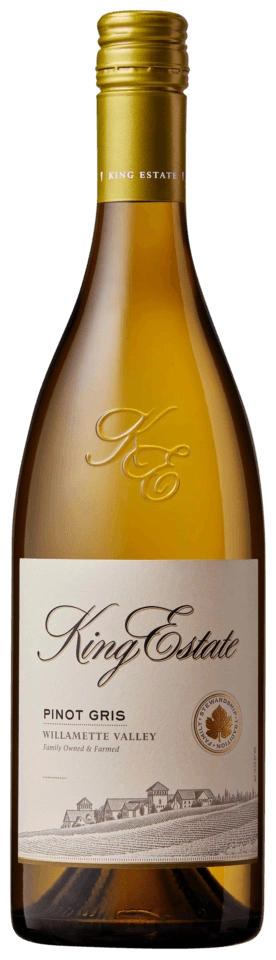
King Estate Domaine Pinot Gris
Winery Highlights:
King Estate is located in Oregon's Willamette Valley, famous for its organic and biodynamic practices. The winery is environmentally friendly, and the vineyards are well-kept.
Tasting Notes:
King Estate Domaine Pinot Gris is fresh, lively, and fruity, with a taste of Oregon. It is perfect for seafood, salads, and light pasta dishes due to its crisp flavors of pear, apple, and floral hints.
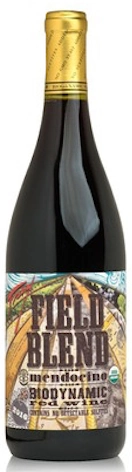
Frey Biodynamic Field Blend
Winery Highlights:
Frey Vineyards, situated in Redwood Valley, California, is the first American winery to be certified organic and biodynamic and was certified by Demeter in the 1980s. They focus on organic winemaking and do not add sulfites to their wines.
Tasting Notes:
Frey Vineyards' full-bodied field blend has blackberry and blueberry scents and a hint of pepper. This wine is great for grilled vegetables and barbequed meats, and it is a great, full-bodied drink.
Biodynamic: A Global Movement
The biodynamic wine movement has gone international and there are more than 620 biodynamic wine growers worldwide. Biodynamic wines are now made in the United States, France, Germany, Spain, Italy, Eastern Europe, Chile, Argentina, India and Australia. The advocates of biodynamic farming argue that these methods result in wines that are more expressive of their vineyard's site and the ecosystem's balance.
Overall, choosing biodynamic wines helps promote sustainable agriculture while providing a chance to savor wines that truly express the character of their terroir. As the public continues to become more aware, more biodynamic wines are available and there are more choices. The next time you are in the market for a bottle of wine, try to look for one that is environmentally friendly and discover the biodynamic wine world.
Krystal Wen