Champagne Alternatives You Should Try for the Holiday Season
The holiday season is upon us, and the call for Champagne is getting louder. While this iconic bubbly is a favorite celebratory beverage for many, the world of wine offers a range of exciting alternatives that deserve your attention. Champagne is often enjoyed for its multi-layered aromas of fruit and brioche, finishing with a searing and elegant acidity. Yet, not all sparkling wines meet these lofty criteria, and some remarkable options exist that may surprise your palate and your wallet.
Corpinnat and Cava
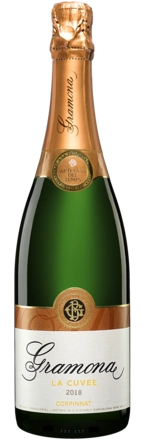
It's rare to see Cava and its innovative offshoot, Corpinnat, mentioned together, but these two Spanish sparkling wines share a commitment to quality. Corpinnat represents a collective of small, independent organic wineries that have opted out of the official Spanish quality hierarchy to craft sparkling wines that reflect their unique philosophies and practices.
What sets Corpinnat apart from Cava is its stringent requirement that grapes must come from owned organic vineyards and be vinified on the winery's premises. Each bottle must mature for a minimum of 18 months, surpassing Champagne's minimum requirement by six months. Many producers opt for extended aging, with some wines maturing for 60 months or longer.
This extended bottle maturation allows the wines to evolve from fresh fruity aromas into complex nutty and bread-like flavors, enriching the overall tasting experience. In contrast, Cava, while often perceived as more industrial, can also produce exceptional wines. Major producers like Freixenet and Codorniu dominate the market, leaving smaller-scale artisans with limited exposure. Like Corpinnat, Cava is primarily based on the indigenous grapes Xarel-lo, Macabeo, and Parellada, which deliver a delicate, fruity profile with a light body.
The German and Austrian Powerhouses
Cool climates are renowned for producing wines with vibrant acidity—the backbone of sparkling wine. This principle underpins the German and Austrian passion for their sparkling creation, known as Sekt.
In these countries, Riesling often takes center stage, although you may also encounter Pinot Noir, Chardonnay, and other varietals that can rival high-end Champagnes. Germany and Austria pride themselves on their quality sparkling wines.
Austria has recently launched a new Charta, establishing a hierarchy for “Sekt Austria.” This pyramid includes “Grosse Reserve” (big reserve), “Reserve,” and the foundational “Sekt Austria” quality, with aging requirements ranging from a minimum of 6 months on the lees to at least 36 months for the highest tier. This commitment to quality has garnered increased interest from both tourists and consumers alike, prompting Austria to appoint Andreas Vitasek as their new sparkling wine ambassador.
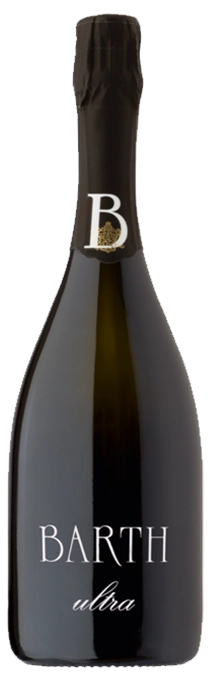
When exploring German Sekt, focus on renowned regions like Mosel, Rheingau, and Rheinhessen. Notable producers include Kallfelz, Barth, and Raumland. In Austria, look for high-end offerings from Bründlmayer, Loimer, and Domäne Wachau.
Crémant de Bourgogne
If you prefer to stay in France, consider heading south to Bourgogne. The region primarily produces sparkling wines from Chardonnay and Pinot Noir, with Aligoté providing a refreshing exception. Crémant de Bourgogne offers a lighter, fruit-driven experience, illustrating a frothy texture that dances on the palate—an excellent alternative to its more famous cousin.
Emerging Regions
Beyond the traditional producers, numerous up-and-coming regions are crafting outstanding sparkling wines. The United Kingdom, Argentina, and cooler areas of California are all making their mark in the sparkling wine scene, offering fresh and innovative options for consumers looking to diversify their holiday toast.
As the holiday season approaches, consider exploring new sparkling wine alternatives to Champagne. Each option brings its unique character and charm, ensuring that your celebrations are filled with delightful flavors and memorable moments.
Peter Douglas