Aiming for Perfection – Red Blends Explained
Blending wine, especially red wine, is a practice that has been used since ancient times. We go back some millennia where the practice of blending wines has been used to mitigate the effects of Mother Nature, the inconsistencies in weather patterns.
Just imagine: Grape varieties were mixed in one parcel and vinified all together. These were the so-called field blends, which are experiencing a certain kind of revival, especially in parts of Austria. Sogrape in Portugal is also conducting research into the optimised CO2 footprint of this type of production compared to monoculture.
It was only in the 19th century when viticulture and winemaking became more commercial that monoculture took over. But the art of blending—whether by parcel, grape variety, or even vintage—has continued to evolve. Today, you'll find blended wines in some of the most diverse and renowned wine regions: from Bordeaux to Tuscany, Rioja to the Douro Valley, and in parts of the New World like California and Australia's McLaren Vale.
Before we dive into the most notable red blends of the world, let's look at why they're such a big opportunity for both winemakers and wine lovers.

What Is Wine Blending?
The process of blending wine is both an art and a science. The winemaker needs years of experience to find the perfect combination. To blend two or more different wines together in order to create a final product with desired characteristics, such as balance, complexity, consistency, and enhanced flavours, takes patience and expertise.
Common Blending Practices: Grapes, Plots, Vintages
The opportunities with blending wine are enormous.
The most obvious approach is blending different grape varieties. For example, a Bordeaux blend might include Cabernet Sauvignon, which contributes grippy tannins and cherry fruit, while Merlot adds lush fruit and softens the texture.
Blending can also mean combining wines from different vineyard plots—either to bring together unique terroirs or to balance acidity and ripeness, such as mixing grapes from cooler, north-facing sites with those from warmer parcels.
Blending across vintages is another common practice. In Port and Champagne, for example, it allows winemakers to create a consistent house style, even as each year presents different growing conditions.
Finally, blending wines with different oak treatments adds another layer of complexity. For instance, a fruit-forward Pinot Noir from stainless steel might be blended with another aged six months in French oak, enhancing the wine with texture, volume, and notes of vanilla.
Why Winemakers Blend Wines
Blending red wine is all about refining taste, building complexity, creating consumer-pleasing profiles, and maintaining consistency. It also allows for flexibility in difficult vintages when some grapes may not perform as expected.
1. Enhanced Taste Profile
Different grapes bring different characteristics to the glass. Take the famous GSM blends, originally from the Rhône Valley and now embraced in California and Australia. Grenache adds ripe red fruit and body, Syrah brings spice and darker tones, and Mourvèdre contributes tannin and earthy complexity. The result? A more layered, complex wine that appeals to a broader range of palates.
2. Consistency Across Vintages
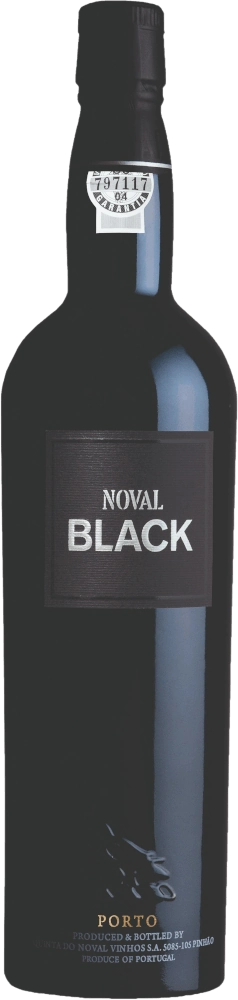
Nature is not always consistent, but wine can be. Blending across plots or vintages helps producers maintain a recognizable house style year after year. This is particularly important for established brands like Quinta do Noval in the Douro Valley.
3. Scale and Volume for Commercial Brands
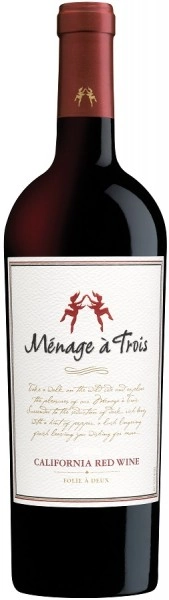
Blending enables larger production volumes without sacrificing quality. For commercial wineries aiming to meet market demand, this is crucial. A good example is Menage à Trois Red from California, combining Zinfandel, Cabernet Sauvignon, and Merlot to create a gentle, crowd-pleasing blend.
4. Fixing Flaws in Difficult Years
In tough vintages, blending is often essential. A grape that didn't ripen well can be balanced by another that thrived. In years like 2014 in Bordeaux, this strategy saved many wines from being unbalanced or flawed.
Are Red Blends Better Than Single-Varietal Wines?
It's a common question: are single-varietal or single-vineyard wines superior? The answer depends on what you're looking for.
Single-varietal wines showcase purity and place, often highlighting a grape's characteristics or terroir. But red blends offer a broader canvas—they can balance structure with fruit, soften harsh edges, and deliver a more consistent product. Neither is inherently better, but blends provide more flexibility and creative potential in the winemaker's toolbox.
Regions Where You Can Find Great Red Blends
If you're looking to explore red wine blends, here are some key regions where they thrive, each offering its own expression of the art of blending:
Bordeaux, France
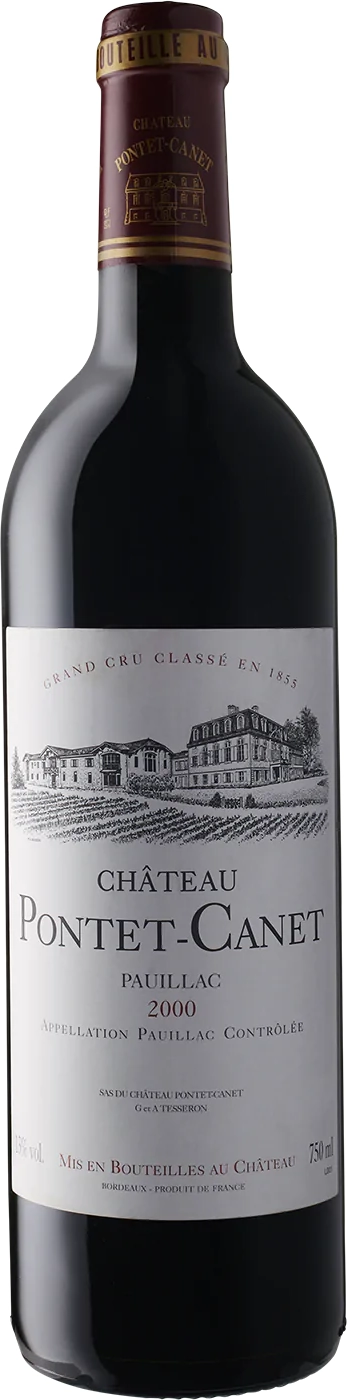
Bordeaux has ever since been and still is the epitome of red wine blends, with grape varieties used such as Cabernet Sauvignon, Merlot, Cabernet Franc, Petit Verdot, and Malbec. The Left Bank leans more Cabernet Sauvignon dominant, while the Right Bank favors Merlot. These blends are known for their elegance, aging potential, and balance. A side note to add here: due to climate change issues in 2021, France's national appellation body INAO has allowed the usage of 6 more grape varieties: Touriga Nacional, Marselan, Castets, Arinarnoa, and the two white grapes, Alvarinho and Liliorila. This style of blend has established itself elsewhere in the world of wine. Under the term Bordeaux blend, you can find similar styles in Australia or even Canada.
Rhône Valley, France & GSM Regions Worldwide
The Rhône Valley is especially known for its GSM blends – Grenache, Syrah, Mourvèdre – which offer a combination of fruit intensity, spice, and depth. G stands for Grenache, which adds ripe red fruit and body, while Syrah brings pepperiness and dark fruit, and Mourvèdre contributes structure and earthy complexity. This blend is not only popular in France but is also widely adopted in the New World, particularly in McLaren Vale (Australia) and parts of California.
Tuscany, Italy – Super Tuscans and Chianti
It all started with a rebellion against strict DOC regulations: Super Tuscans blend international varieties like Cabernet Sauvignon with Sangiovese. What we get here are bold, structured wines, some of which are ranked among the top wines globally. Sangiovese adds to the wilder, spicy style, in contrast to simply recreating a Bordeaux blend. In contrast, Chianti, originally focused solely on Sangiovese, now allows small additions of Canaiolo or even Cabernet Sauvignon to enhance body and complexity.
Rioja, Spain
In Rioja, we find blends of Tempranillo with Garnacha, Mazuelo, and Graciano. These wines are loved for their harmony and aging capacity, often enhanced by extensive oak maturation. The use of American and French oak lends additional complexity to the final blend, making it one of the most recognisable red blends in Europe.

Douro Valley, Portugal
Famous for Port, the Douro also produces stunning dry red blends from indigenous varieties like Touriga Nacional and Touriga Franca. These wines offer a unique mix of fruit intensity and structural depth. The region's dramatic landscapes and schist soils give the wines remarkable concentration and ageability.

California & Australia – New World Red Blends
From Napa to Paso Robles and from Barossa to McLaren Vale, red blends in these New World regions are equally diverse. Whether Bordeaux-style blends or GSM-based wines, what we get here are generally fruit-forward, smooth, and generous styles. Brands like Menage à Trois or Conundrum in California, or bold GSMs from Australia, show how blending can meet broad consumer tastes while delivering enjoyable and accessible wines.
Lotte Gabrovits