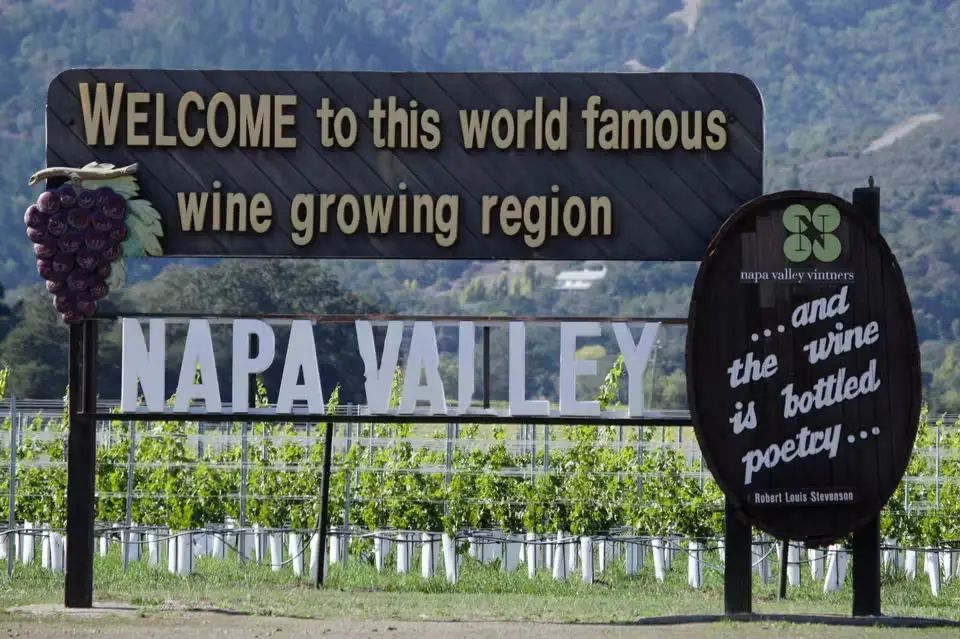
Regions to Discover for Cabernet Sauvignon
Nearly every corner of the world offers Cabernet Sauvignon wines, as it is the most planted grape globally. The question arises: why is it such a popular choice?
Cabernet Sauvignon is popular because it can grow well in various weather and soil conditions. This grape grows well in warm climates. Surprisingly, it also makes great wine in colder regions like Baden in Germany and Negev in Israel. Experts recognize the latter as one of the world's most arid and warmest wine-producing areas.
Cabernet Sauvignon, grown anywhere, makes wines with dark fruits, herbal flavors, balanced acidity, and a strong structure. This distinctive profile has endeared it to both winemakers and consumers.

In our previous article, we provided a detailed exploration of the world's most renowned wine regions for Cabernet Sauvignon. Even in less famous wine regions, Cabernet Sauvignon remains prominent. It produces intense and complex wines that truly showcase the distinct qualities of the land.
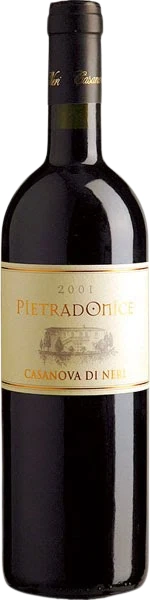
Tuscany, Italy
While France stands as the Old World representative of Cabernet Sauvignon, Italy boasts significant plantings of this grape. Many wine regions in the country use Cabernet Sauvignon, mainly to blend with local grape varieties. In northwest Friuli-Venezia-Giulia, Cabernet Sauvignon, Merlot, and Cabernet Franc combine to make Bordeaux-style blends. However, it is in Tuscany that Italian Cabernet truly contends with the finest Bordeaux or Napa Valley offerings.
In the 1970s, Tuscan winemakers planted different grapes like Cabernet Sauvignon and Merlot, breaking tradition. This bold action aimed to create high-quality wines outside DOC rules, resulting in the creation of "Super Tuscans".
Tuscany boasts a warm climate with abundant sunshine, providing an ideal environment for Cabernet Sauvignon to thrive. The soil has clay, sand, and limestone, which helps with drainage and stops vines from growing too much. This results in wines that are concentrated and expressive.
Tuscan Cabernet Sauvignon wines have a unique taste, combining the grape's boldness with the region's soil and climate. The wines are well-known for their strong flavors of dark fruits. They also have hints of cassis, herbs, balsamic, and a touch of earthiness. Tuscany's Cabernets often exhibit a refined elegance, with well-integrated tannins contributing to a smooth and lingering finish.
Cabernet Sauvignon from Tuscany to Try
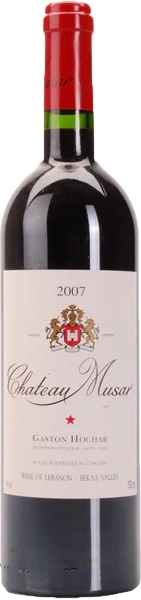
Bekaa Valley, Lebanon
The captivating Cabernet Sauvignon wine has made the old Bekaa Valley, with its long history, well-known. France influenced Lebanon's wine culture during the French Mandate after World War I. The Bekaa Valley is now Lebanon's main wine region.
The Bekaa Valley is a small area for farming and wine production located between the Lebanon and Anti-Lebanon mountains. It stretches about 65 kilometers north-south. The mountains, located at a high altitude of 1,000 meters (3,000 feet), act like a natural theater for the valley. They protect the valley from the deserts in the east and shield the vineyards from rain coming from the west.
The climate and soil properties of the Bekaa Valley make it extraordinarily suitable for growing Cabernet Sauvignon. The grapes flourish in warm summer days and chilly nights at elevated heights. This environment allows them to ripen perfectly and maintain acidity. The soil, made of clay, sand, and limestone, helps make the wines more concentrated and expressive.
Cabernet Sauvignon in Bekaa Valley has a distinct flavor. It has a spicy aroma and hints of pepper. Additionally, the taste of ripe dark fruits accompanies it.
Winemakers in the area mix Cabernet Sauvignon with Mediterranean or Rhône grapes like Grenache, Cinsault, Syrah, or Mourvedre. This shows the history and skill of winemaking, highlighting the special qualities of the Bekaa Valley.
Cabernet Sauvignon from Bekaa Valley to Try
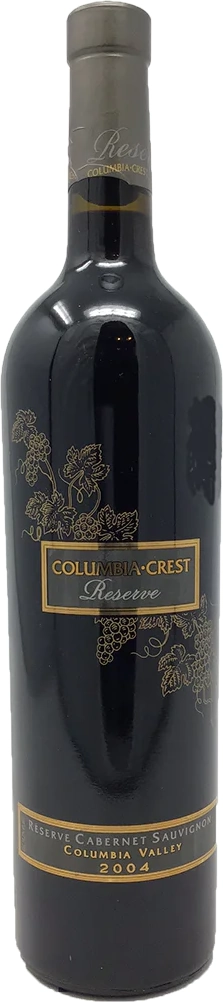
Columbia Valley, Washington State
In the Pacific Northwest, the Columbia Valley has garnered recognition for its diverse terroir and high-quality Cabernet Sauvignon. Situated at a latitude similar to Bordeaux, the Columbia Valley enjoys the ideal climate conditions for cultivating Cabernet Sauvignon. However, in contrast to Bordeaux's maritime climate, the Columbia Valley experiences a dry continental climate. Hot days and cool nights make the growing season longer, helping grapes ripen fully while keeping their important acidity.
The Columbia Valley's diverse terroir encompasses volcanic, alluvial, and windblown materials throughout the region. The soil textures range from silt to gravel to sand, providing a dynamic canvas for cultivating Cabernet Sauvignon. This varied soil composition, in conjunction with the region's unique climate, imparts a distinctive character to the wines.
Washington State has gained renown for its outstanding, brightly fruity Cabernet Sauvignons. The wines are not as strong and organized as Napa Valley Cabernet Sauvignons. However, they do have rich fruit flavors, firm tannins, lively acidity, and hints of spice and herbs.
When young, they are easy to approach and, importantly, they are a great value compared to expensive Napa Cabs. Exploring Cabernet Sauvignon from the Columbia Valley is an excellent option for special occasions and casual drinking.
Cabernet Sauvignon from Columbia Valley to Try
Mendoza, Argentina
Mendoza's high-altitude vineyards have proven to be an ideal terroir for Cabernet Sauvignon. Vineyards situated at elevations exceeding 1,000 meters significantly influence the grapes.
The sunny days and chilly nights in Mendoza help Cabernet Sauvignon grapes ripen slowly. This gradual ripening process allows the grapes to achieve optimal flavor development while retaining essential acidity, resulting in wines of notable complexity.
Mendoza's good soils help with drainage and keep the grapevines healthy. Alluvial deposits make them up. The rocky soil keeps the vines warm at night by holding onto heat, even when it's colder outside.
Cabernet Sauvignon in Mendoza yields wines that express the region's terroir and the grape's inherent characteristics. Mendoza's Cabernet Sauvignon is fruitier and spicier than Chile's, with a lighter and smoother taste than other famous ones.
Much like Columbia Valley, top-quality Cabernet from Mendoza doesn't come with a hefty price tag. This is a great example of high-altitude Cabernet Sauvignon. It lets wine lovers enjoy the unique qualities of this grape in a way that is easy and impressive.
Cabernet Sauvignon from Mendoza to Try
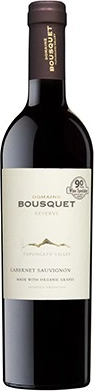
Ningxia, China
While traditionally not associated with winemaking, Ningxia, China, has emerged as a fascinating and promising region for Cabernet Sauvignon. China started making wine in the late 1800s when Western priests brought vines from Europe. In China, skilled winemakers who learned in famous wine regions like Bordeaux now make excellent wines. The country's taste preferences, particularly favoring Bordeaux, and the significant French influence in winemaking have led to extensive plantings of Cabernet Sauvignon.
Ningxia lies in north-central China. It has a continental climate with clear seasons. This climate leads to extreme differences between hot summers and cold winters.
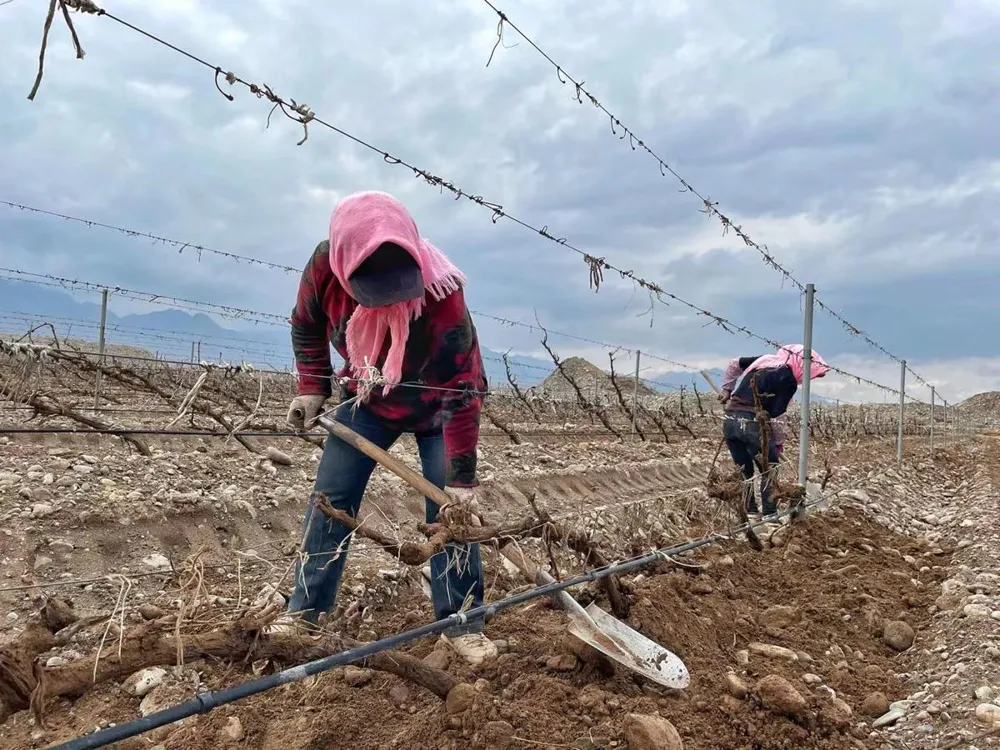
The high altitude of the vineyards receives intense sunlight during the day, followed by much cooler nights. The temperature change during the day, made worse by the dry air, slows down the ripening of the grapes. This results in a delightful blend of tastes and a refreshing flavor. To protect the vines from freezing temperatures during the long, cold winter, wine growers bury the vines.
The Yellow River gives enough water for farming, and the dry land has become suitable for growing grapes for wine. The soil in Ningxia helps Cabernet Sauvignon grow well with a mixture of sand and pebbles. These well-draining soils, with low fertility, regulate water retention and prevent excess vine vigor. The balance is important for Cabernet Sauvignon to show its character and capture the terroir's essence.
Ningxia's Cabernet Sauvignon-based wines exhibit a unique profile, showcasing ripe fruit flavors, structured tannins, and vibrant freshness. As this region continues to develop its winemaking identity, wines from Ningxia are increasingly gaining international acclaim for their quality and distinctiveness. For enthusiasts seeking new and exciting expressions of Cabernet Sauvignon from Ningxia is undoubtedly a region worth discovering.
Cabernet Sauvignon is a wide-ranging wine with many flavors and styles that wine lovers all over the world enjoy. From Bordeaux to China, different places show us the different sides of Cabernet Sauvignon. We can enjoy its beauty in many ways, whether we're exploring old vineyards or new regions.
Sylvia Ba