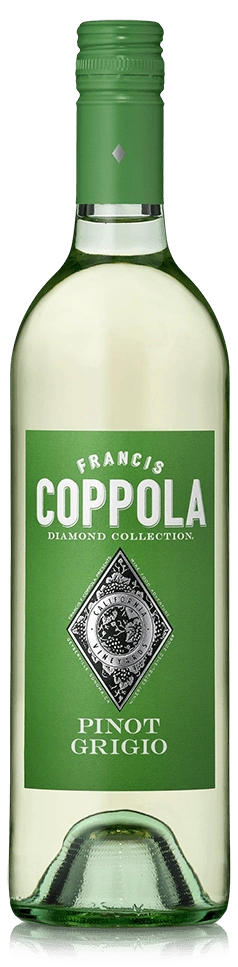
Pinot Grigio: Everyone's Darling
It can be smooth, it can be light, it can be round, it has no biting acidity nor is it too much. It's Pinot Grigio. Thanks to its rather neutral character it can be combined with a huge range of dishes from all over the globe, hence the reason for its great success.
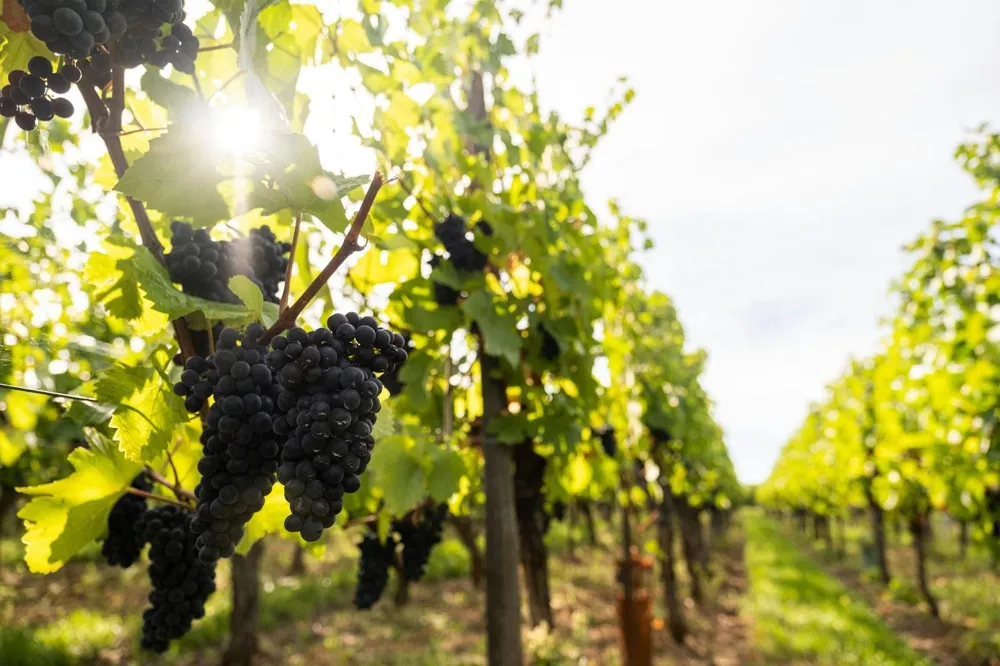
The grey hue of the skins is the reason for its name (Credit: Brian Gouwy, unsplash.com)
In the US alone it is the second most consumed white wine right after Chardonnay, as IWSR data shows from a 2022 survey. 42% of the people participating in the survey claimed to have drunk Pinot Grigio in the month before they were surveyed. For Chardonnay this number was 47%, followed by Pinot Grigio and then after by Sauvignon Blanc with 36%.
So let's delve a bit deeper into the world of Pinot Grigio, its origin, its wine styles, and its success story.
The Roots of Pinot Grigio
The history of Pinot Grigio is linked to Italy, which is not completely true. It is rather a mutant form of the grape Pinot Gris which originates from the dark-skinned Pinot Noir, having turned from dark blue to something with greyish hints, hence the name Pinot Gris or Pinot Grigio.
It was in the 1300s when it was eventually brought from France over to Switzerland and then further to Italy.
Thanks to the popularity of its flavor profile this grape has made it to other countries outside of Europe, too. One such country for instance is the US where it is grown predominantly in California, or the Willamette Valley but it can be found elsewhere in New World Countries preferring cooler climates and volcanic soils such as those in New Zealand.
Global Citizen
Today Pinot Grigio has found a home, especially in the northeastern parts of Italy, within regions like Lombardy, the Veneto, Friuli, Trentino, and Alto Adige. Beyond that, it has spread all over Europe in areas like Alsace in France, Switzerland, or even Germany where it used to be called Ruländer in the past thanks to Johann Seeger Ruland who has selected and spread the grape variety from Speyer.
The name Grauburgunder or Grauer Burgunder is the common name used in German-speaking countries.
It was in 1375 when Charles IV brought the grape to Hungary where it is known under the name Szürkebarát, which translates to “Grey friend”.
Everyone's Darling
But what was the region for its huge success? Well, the short answer we have given in the intro already.
It is a grape variety that doesn't harm anyone. There are no biting acid levels, its wines are round and fruit-driven with hints of citrus, melon, green apple, and peach, and on top of that, a range of wine styles starting from reductively vinified, primary fruit focussed wines over to botrytised lusciously sweet wine styles such as those found in Alsace called ‘Sélécion des Grains Nobles' can be found on the market.
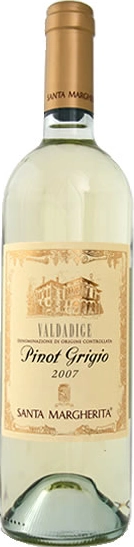
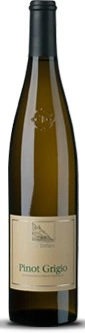
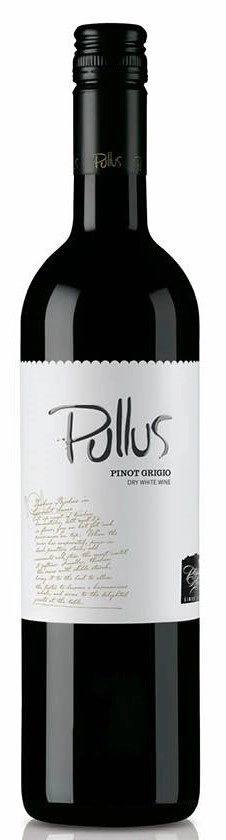
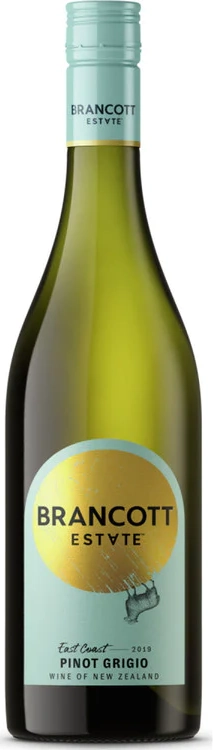
As we are starting into the weekend, we thought of putting together a small list of wines for you to check out.
So relax, enjoy the sun and your glass of slightly chilled Pinot Grigio.
Lotte Gabrovits