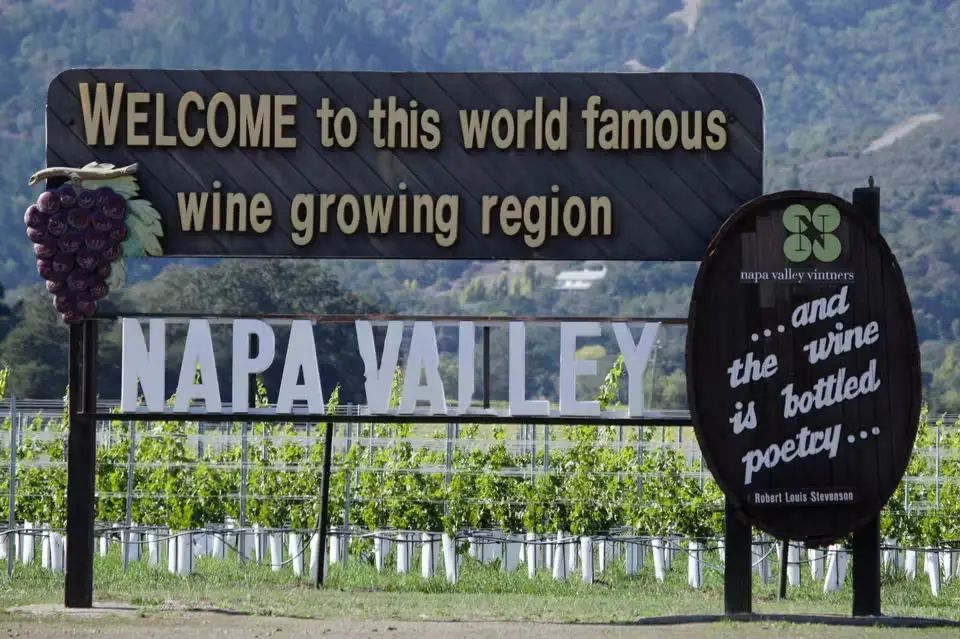
'New World' vs. 'Old World' wine regions
Reading between the lines
The world of wine offers a huge range of flavors and styles, with each region offering its unique expressions.
Two commonly used terms to categorize wines are ‘Old World' and ‘New World'. While these terms are often used casually, understanding their nuances is not as clear.
Old World: A Legacy Etched in Time
The term ‘Old World' refers to wines produced in regions considered the birthplace of winemaking. These regions, primarily located in Europe and the Middle East, look back to a long and illustrious history stretching back centuries.
France, Spain, Italy, for instance, but also Germany, Portugal, Austria, Georgia, Greece, and many other countries fall under this category.
Characteristics of ‘Old World' Wines
- Lighter Body: ‘Old World’ wines tend to be lighter-bodied compared to their ‘New World’ counterparts. This translates to a more delicate and nuanced mouthfeel.
- Restrained Style: These wines have a subtle flavor profile with a focus on minerality, earthiness, and secondary characteristics from aging.
- Lower Alcohol: Typically, ‘Old World’ wines have lower alcohol levels compared to ‘New World’ expressions. This contributes to a lighter texture and mouthfeel.
- Emphasis on Tradition: ‘Old World’ wine regions are known for their strict regulations and adherence to time-tested practices. Appellation systems, such as DOC and DOCG in Italy, dictate grape varietals, viticulture methods, and winemaking techniques, ensuring a consistent regional character.
The Charm of Tradition
"One of the most interesting aspects of 'Old World' wines is their link to history. Each bottle tells a story, spanning generations of winemakers who have passed down their craft."
‘New World': Embracing Innovation
‘New World' wines originate from regions that have experienced historical influences, including the United States, New Zealand, Argentina, Chile, Australia, and South Africa. Generally, their climates are warmer, leading to a distinct style compared to 'Old World' wines.
Characteristics of ‘New World' Wines
- Fuller Body: ‘New World’ wines are generally fuller-bodied, with a more concentrated and weighty mouthfeel.
- Bolder Fruit Flavors: Warmer climates contribute to riper grapes, resulting in wines with pronounced fruit flavors like blackberry, plum, and tropical notes.
- Higher Alcohol: ‘New World’ wines tend to have higher alcohol levels compared to ‘Old World’ offerings. This can contribute to a perception of warmth and intensity.
- Experimentation and Innovation: ‘New World’ wine regions are less bound by tradition and more open to experimentation. Winemakers readily embrace modern technology and innovative techniques to create unique styles.
The Spirit of Exploration
‘New World' wines embody a spirit of exploration and pushing boundaries. They offer a vibrant and fruit-forward drinking experience, often catering to contemporary palates.
Transcending the Binary
It's important to remember that these classifications are generalizations. There are exceptions within each category. For instance, some regions in Southern Italy, like Sicily, are known for producing fuller-bodied wines that challenge the typical Old World profile.
The UK and Sweden have new wine regions because of global climate change. Even though they might seem like ‘New World' countries, they are actually considered ‘Old World' because they are in Europe.
Explore Both Worlds
The beauty of wine lies in its incredible diversity. Both Old World and New World wines offer unique experiences.
Don't be swayed by trends or preferences for one style over the other. Instead, use these distinctions as a starting point to embark on your own vinous exploration. With each bottle you open you'll discover the many facettes and stories that the world of wine has to offer.
VinoVoss: Your Trusted Guide to the World of Wine
At VinoVoss, we love helping wine lovers discover and enjoy everything the wine world has to offer. We provide comprehensive resources, expert insights, and recommendations to help you navigate the vast selection of wines available. Whether you're a wine expert or just starting, Vinovoss is here to help you explore and learn about wine.
Lotte Gabrovits