Little Guide to Portuguese Wine
Part 3
You definitely could write a book about the country, its wines, the culture, and all the beauty it entails. Portugal is a complex country, which we are going to break up into small bites.

Backpacker woman enjoys hiking along a cliff overlooking the sea and the rugged foothills of Madeira's coast in the morning. Ponta do Bode, Madeira Island, Portugal (Photo: Michael/stock.adobe.com)
This time, we're exploring Madeira, an island 480 miles southwest of Lisbon in the Atlantic Ocean. Due to its remote location, it was a main transshipment center for ships on trade routes in the past. The island's wines were merchandise and provision for these voyages, with brandy added to each barrel to enhance their preservation. The heat from the ship's hold transformed the wine, enriching its complexity and stability, allowing it to age indefinitely. With the first appearance of steel ships, so-called juggernauts, in the 18th century, shipping became more efficient. To maintain their markets, the winemakers started to replicate this process on land.
Canteiro or estufagem
Initially, they used the sun's heat to warm the barrels, a method known as the Canteiro process, which remains in practice today. Following fortification with a neutral 96% grape spirit, the wines are aged in casks ranging from 300 to 650 liters in lodges where temperatures can exceed 30°C and humidity can reach 90%. This aging process leads to the evaporation of about 4-5% of the wine, enhancing its concentration.
The evolution of Madeira wine production saw the introduction of 'ovens' or estufas to heat the barrels. Modern estufas use stainless steel containers with hot water jackets to maintain the wine at 45-50°C for three months. These estufa can be quite large, holding between 20,000 to 100,000 liters. After heating, the wines are gradually cooled and rigorously tested for quality and aging potential.
The decision on how long to age the wine depends on its quality and desired style.
Madeira wines are aged in old wooden barrels and categorized as 3, 5, 10, or 15-year-old wines. The finest Madeira wines are labeled as vintage, requiring a minimum of 20 years in cask.
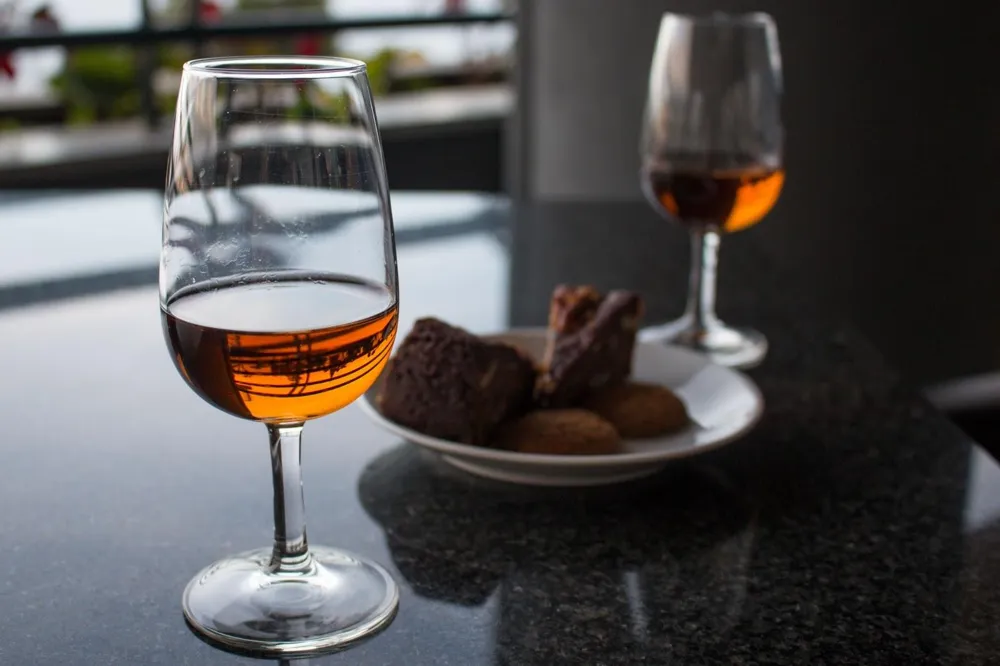
Bolo de Mel da Madeira is a delicious honey cake which pairs well with some of the fortifieds of that island (Photo: pixs:sell/stock.adobe.com)
Blended Madeira Styles
Tinta Negra is a leading grape variety generally used by producers for Rainwater and blends. These versions are perfect for casual drinking and often come with an age statement. 'Finest Madeira' does not mean the best quality, but rather a 3-year-old blend made mainly from the Tinta Negra grape.
The term ‘Reserve' holds specific meanings in Madeira. There are three types of aged wines: 'Reserve', 'Special Reserve', and 'Extra Reserve'.
Winemakers age 'Reserve' wines for 5-10 years, 'Special Reserve' wines for 10-15 years to achieve superior quality, and 'Extra Reserve' wines for 15-20 years.
A 20-Year-Old Madeira is a blend of wines from different years. It has been confirmed by a panel to be at least 20 years old, and sometimes even older.
The 30 Year Old and 40 Year Old Madeira wines follow this same multi-vintage blending pattern. But the reward comes with its taste.
Single Varietal Wines
Sercial
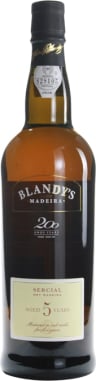
Sercial wines, known for their extra dry or dry style, are among the lightest in color and body within the Madeira varietal spectrum. Their very high bracing acidity makes the wines seem more dry than they actually are. Sercial wines features distinctive notes of citrus peel and nuts, making them a refreshing choice for those seeking a crisp and invigorating taste.
Verdelho
Verdelho wines, characterized by their medium-dry style, offer a richer body and rounder texture compared to Sercial, thanks to their higher residual sugar content. This slight sweetness enhances flavors reminiscent of candied fruits and imparts a slightly darker color, making Verdelho a delightful choice for those who enjoy a balanced and nuanced wine.
Bual
Bual wines, known for their medium-sweet style, are fuller and sweeter than Verdelho, offering a richer tasting experience. With a darker color, Bual wines delight the palate with flavors of caramel, chocolate, and candied nuts, making them a perfect choice for those who appreciate a dessert-like complexity in their wine.
Malmsey
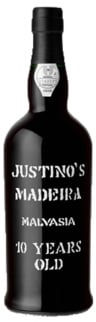
Malvasia, also known as Malmsey, represents the sweetest style of Madeira wine, characterized by its full body and often brown color. Despite its sweetness, Malvasia remains balanced by refreshing high acidity, with delightful notes of raisins and caramel that enhance its rich flavor profile.
To remember the four key varieties and their sweetness levels, think of the mnemonic, Some Very Best Madeira, S.V.B.M (Sercial, Verdelho, Bual, Malmsey). It may help you remember the four key Madeira grape varieties, along with their increasing levels of sweetness.
Tinta Negra Mole
Tinta Negra wines, which since 2015 can be varietally labeled, offer versatility by being produced at any level of sweetness. This adaptability allows Tinta Negra to offer a wide range of flavors, making it a unique and appealing option not only for Madeira wine enthusiasts.
Terrantez
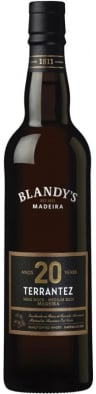
Terrantez wines are available in medium dry or medium sweet styles, offering a delicate balance despite their relatively high sugar levels. These wines feature enticing aromas of citrus peel, caramel, and occasional floral notes, making them a sophisticated choice for wine enthusiasts.
Reasons to Love Madeira
Madeira wines are generally renowned for their exceptional longevity. A vintage Madeira can last over a century and, once opened, can be stored and enjoyed for months without losing its quality. This remarkable durability and the complex aging process make Madeira wines some of the longest-lasting quality wines in the world.
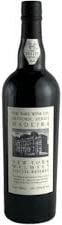
And to make sure, you can convince yourself, we have again a few wines for you to try.
Saúde!
Lotte Gabrovits