Exploring the New World in the World of Wine

The wine industry is often characterized by a nostalgic adherence to traditional terms like "Old World" and "New World." While the Old World refers to European wine regions with centuries of history, the New World encompasses countries discovered after the 15th century. European settlers brought grapevine cuttings to these new lands, planting them in diverse climates and soils.
Over time, a wide range of grape varieties, including Mission, Vidal, Zinfandel, Fiano, and countless others, have been cultivated worldwide. This modern approach has liberated New World wine regions from the constraints of traditional grape varieties and regional profiles, allowing for greater experimentation and expression.
Valley of Opportunities
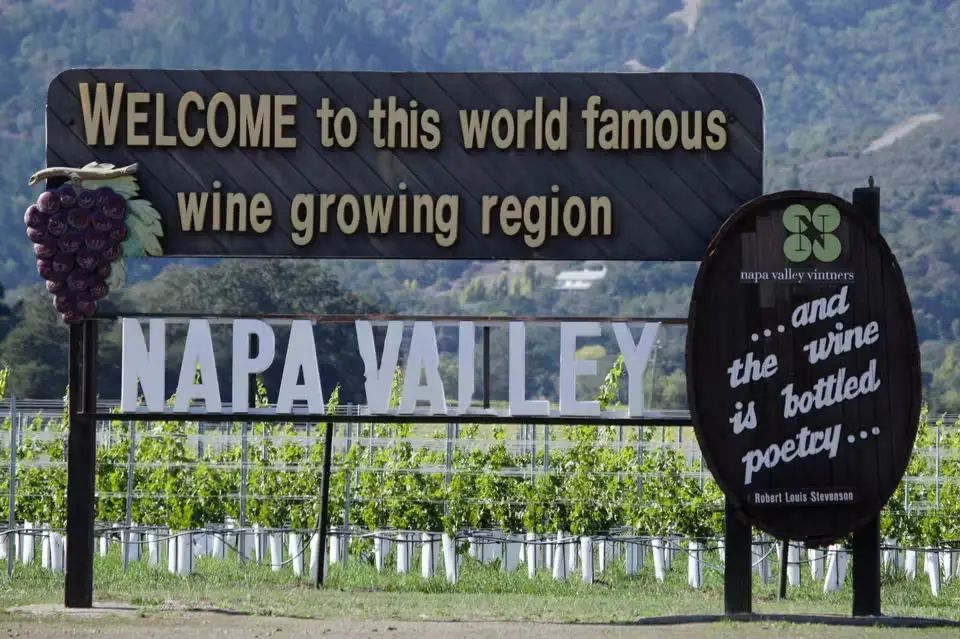
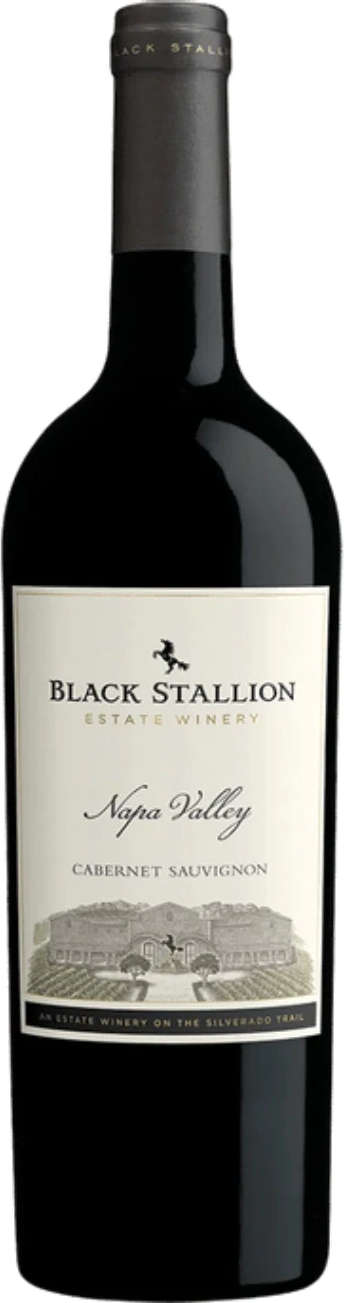
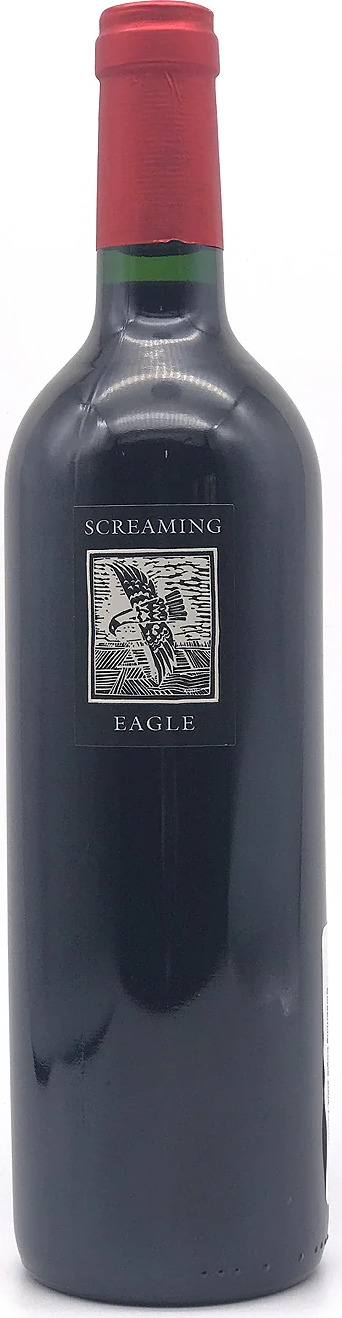
California's Napa Valley is a cornerstone of the New World wine industry. Located just 50 miles northeast of San Francisco, it is a popular tourist destination renowned for producing some of the world's finest wines. From premium to ultra-premium expressions, Napa Valley offers a diverse range of styles, exemplified by the iconic Black Stallion or the fine wine Screaming Eagle. These wines are often characterized by their power, full-bodied structure, and intense cassis fruit, complemented by nuanced flavors of oak, spice, and hints of tobacco.
In 2024, the San Francisco Chronicle announced the designation of a new official wine region within Napa Valley: Crystal Springs. Located beneath the Howell Mountain AVA, Crystal Springs benefits from the influence of fog, which imparts a refreshing quality to its wines.
Mexican Powerhouse
South of the American border, Baja California offers a unique winegrowing environment influenced by the Pacific Ocean and the Gulf of California. The region's arid climate necessitates irrigation, while cool coastal winds contribute to the freshness of the grapes. Vallee de Guadalupe, one of the oldest grape-growing regions in the Americas, is home to over 100 vineyards and produces approximately 90% of Mexico's wine.
Wine enthusiasts seeking powerful reds will find outstanding expressions of oak barrel aged Tempranillo, Nebbiolo, and Cabernet Sauvignon, while those who prefer whites can enjoy crisp Sauvignon Blanc and delicate Chardonnay. Boutique wineries like Monte Xanic are gaining international recognition, solidifying Mexico's place on the global wine map.
The Land of Poets
Across the Panama Canal lies the South American country Chile, a country renowned for its diverse topography and climates. While the country is long and narrow, its most significant climatic variation is between the Pacific coast and the Andes Mountains. The Humboldt Current brings cool breezes to coastal vineyards like Casablanca and Limari, producing exceptional Sauvignon Blanc and Riesling. In the higher altitudes of the Coquimbo region, vineyards reach up to 6,500 feet, resulting in wines with a refreshing acidity.
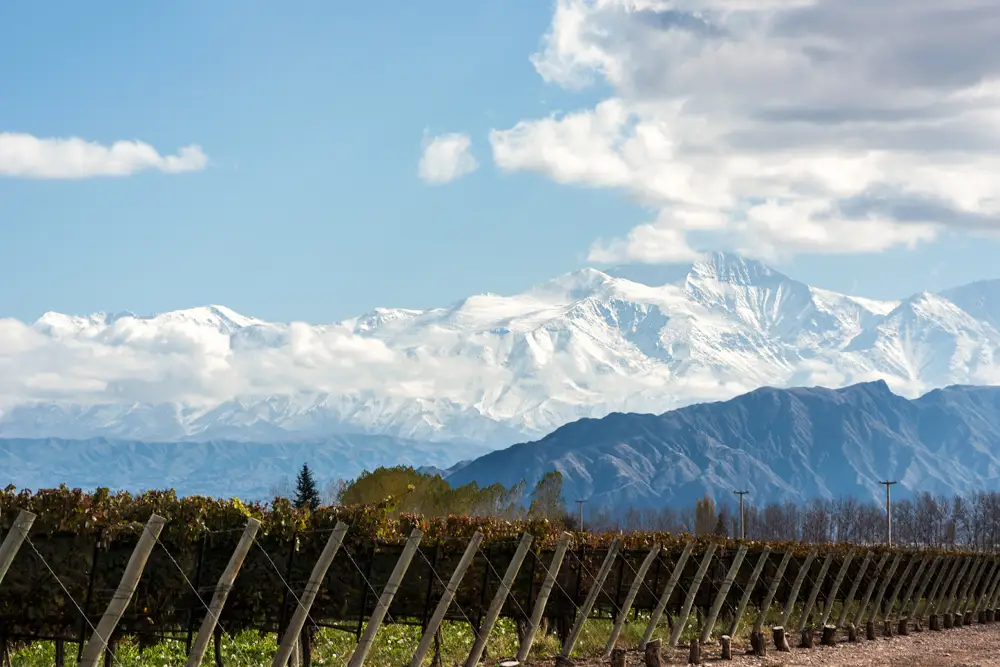
Chile's wine industry has benefited from its isolation from the devastating Phylloxera pest, which ravaged vineyards in neighboring Argentina. By planting vines on their own roots, Chilean producers have avoided the need for grafting, a common practice in other regions.
A Blend of Old and New
South Africa's wine history dates back to the early 17th century when Dutch settlers arrived at the Cape of Good Hope. Over time, the region has developed a unique wine style that often combines elements of European tradition with New World characteristics.
Pinotage is perhaps the most famous South African grape variety, but the industry is evolving. Initiatives like the Old Vine Project (OVP) are dedicated to preserving ancient vineyards, which produce low-yield, high-quality wines. These efforts are contributing to the increasing recognition of South African wines on the global stage.
Completing the Circle
The wine journey concludes in Australia and New Zealand, two countries that roughly share a geographic location but have distinct winemaking styles. Australia is celebrated for its Cabernet Sauvignon and minty Shiraz, while New Zealand is renowned for expressive Sauvignon Blanc and fine Pinot Noir. Both countries produce fruit-driven, powerful, and elegant wines that have gained a loyal following worldwide.
Peter Douglas