Crazy Grapes: Exploring the Weird varieties
Welcome, fellow vinoVossers, to "Crazy Grapes," where the language of wine is as rich and diverse as its flavors. Across our planet, from sun-kissed hills to misty valleys, vine whisperers in every corner speak of heritage and passion through their craft. This brings us an exquisite array of grape varieties, some with names that dance on the tongue as playfully as their wines in our glasses.
Ever stumbled upon the lyrical rolls of Pošip (POH-ship), or the robust resonance of Touriga Nacional (too-REE-gah nah-syon-AL)l? How about the intriguing whispers of Klingelberger (KLING-el-ber-ger) or the melody of Ribolla Gialla (ree-BOL-la JAL-la), affectionately known in some circles as Rebula? Then there are those names that challenge the palate and the pronunciation alike: Refosco (reh-FOHS-koh), Rumeni Plavec (ROO-meh-nee PLAH-vets), or Teran (TEH-ran)—distinct from the echoes of Tehran in distant Iran.
The diversity of languages within the wine world is a reflection of the cultural richness across its regions. From the melodious Italian names for grape varietals to the resonant consonants of Georgian appellations, each language contributes its own hue to the wine's identity. Whether it's Riesling in Germany or Rizling in Hungary, Pinot Noir in France or Spätburgunder (SHPAYT-bur-gun-der) in Austria, Plavac Mali in Croatia or Zinfandel in the United States, language intricately weaves with tradition and heritage. These elements, much like every aspect of our lives, have so profoundly influenced the local wine scenes that at times, it's easy to lose track.
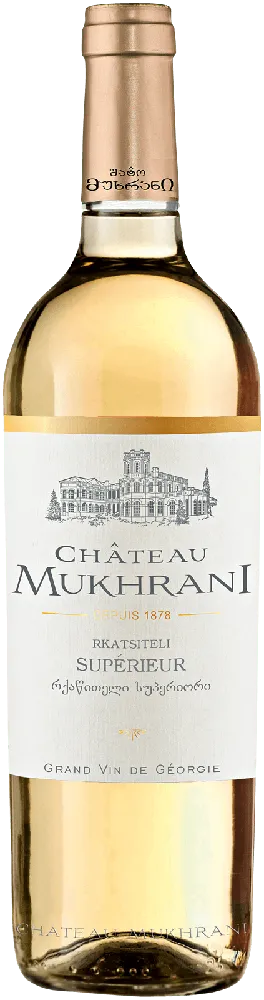
Dare your friends, those VinoVossers like yourself, to artfully pronounce Alfrocheiro Preto (al-froh-SHER-oy PREH-toh). Or delve into the Georgian heritage, viniculture's ancient cradle, offering varieties such as Budusheri Saperavi (boo-DOO-sheh-ree sah-peh-RAH-vee), Asuretuli Shavi (ah-soo-reh-TOO-lee SHAH-vee), and the elegant white Mukhamtsvane (moo-khahm-TSVAH-neh)—crowned by the national gem, Rkatsiteli (rkah-tsee-TEH-lee).
To elevate your wine wisdom and infuse your conversations with historical depth, we've curated a select few varietals. Not only do they possess a moderate challenge in pronunciation, but they also offer a profound idea into the soul of their respective regions.
Let's uncork the reds
Touriga Nacional - (too-REE-gah nah-syon-AL)The backbone of quality Port wines and a revered chapter in every wine enthusiast's book. Despite its prominence in literature, this variety composes a modest fraction of the Douro Valley's yield. With thick skins imparting a rich ruby hue, its high sugar content predestines it for luscious sweet ports as well as prestigious vintage and crusted varieties. Yet, its true hallmark is the pristine dark cassis scent, woven with floral whispers—an exceptional grape that Portuguese vintners cherish for wines meant to be aged and savored.
Cabriz Touriga Nacional Dão
Teran (TEH-ran) - Continuing in Croatia, this varietal stems from ancient viticultural traditions. Thriving in Istria's coastal embrace, Teran yields a deep, nearly purple elixir with an unmistakable fruity bouquet peppered with berry and peppery notes. Its vibrant acidity and sturdy tannins, paired with moderate alcohol levels, typically culminate in a wine best enjoyed young. Paired with "Istarski pršut" (Istrian dried ham), robust cheeses, or game, Teran becomes an authentic regional indulgence.
Agiorgitiko (ah-yor-YEE-tee-ko) - this Greek marvel might tie tongues, but its flavor liberates the senses. Hailing from the Nemea region of the Peloponnese, Agiorgitiko presents a voluptuous body, seamless tannins, and a warmth that embraces gamey dishes with grace. However, its harder to pronounce then the Greek variety Xinomavro (ksee-NO-mav-ro), which is similar to the Italian variety Nebbiolo, found in Piemonte.
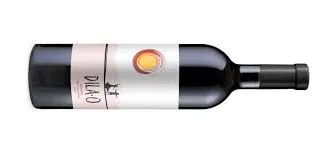
Budusheri Saperavi (boo-DOO-sheh-ree sah-peh-RAH-vee) - Or simply Saperavi, is Georgia's vinous pride. Known for rustic hues and robust tannins, this variety offers an earthy depth with a herbal twang. Fermented in traditional clay Qvevri, these wines can exhibit a Burgundian finesse, complete with funky peppery notes, contributing to their distinctive allure.
Dila-o Saperavi Dry Red
Check out those Crazy White Varieties
Pošip (POH-ship) - Often likened to Italy's Greco di Tufo, Pošip is a Croatian enigma with an earthy demeanor and restrained fruit notes. Its full body, soaring alcohol content, and striking acidity make it a rare treasure, primarily hidden within its homeland's vineyards.
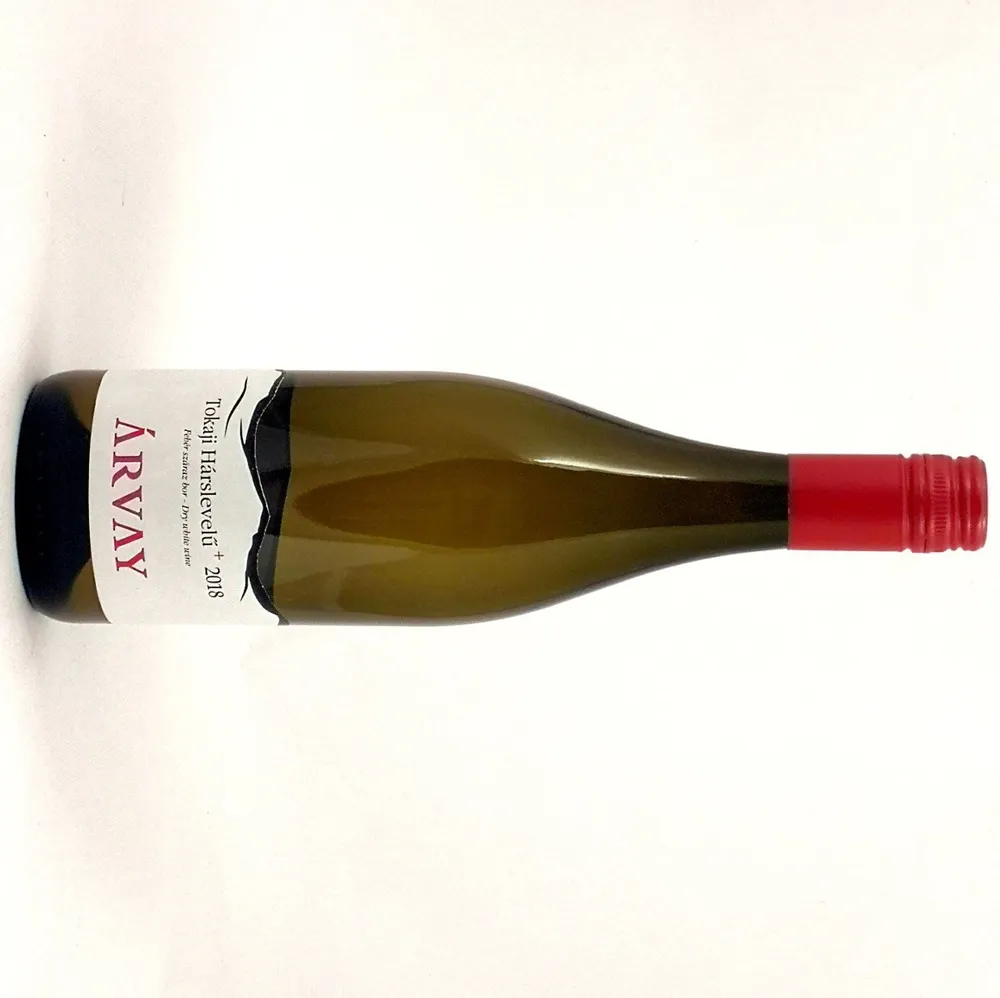
Hárslevelű (HAHRSH-leh-veh-loo) - A tongue-twisting delight that stands tall as a key component in the fabled Tokaj wines. Paired with Furmint's biting acidity, Hárslevelű is predisposed to high sugar concentration and noble rot, elevating its herbal intensity. Whether in dry solo performances or harmonious blends, it offers a joyful complexity to those lucky enough to encounter it.
Árvay Tokaji Hárslevelű
Mukhrani Rkatsiteli Supérieur
Peter Douglas