Chianti Wine Guide: From Black Rooster Legends to Modern Classics
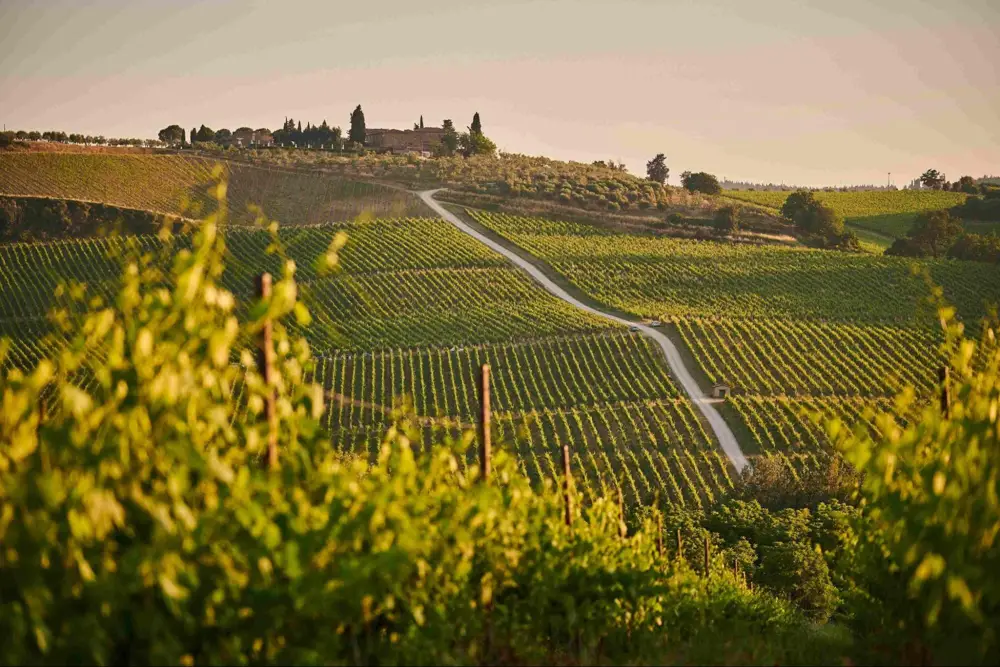
Nestled in the heart of Tuscany, the Chianti wine region boasts picture perfect landscapes, charming villages, and mouth-watering, food-friendly wines.
At its centre lies the Roman city of Florence, a bustling and touristic hub, noteworthy for being the birthplace of the Italian Renaissance as well as being home to visionaries like Michelangelo and Leonardo da Vinci.
Whether you're a wine lover or a curious traveller looking to embark on a Chianti wine tour, the wine from Chianti encapsulates the rustic charm of the Etruscan countryside, leaving you just a cork-pull away from being transported to cypress tree-lined hills and being immersed in Italy's rich gastronomic culture.
The Legend of the Black Rooster
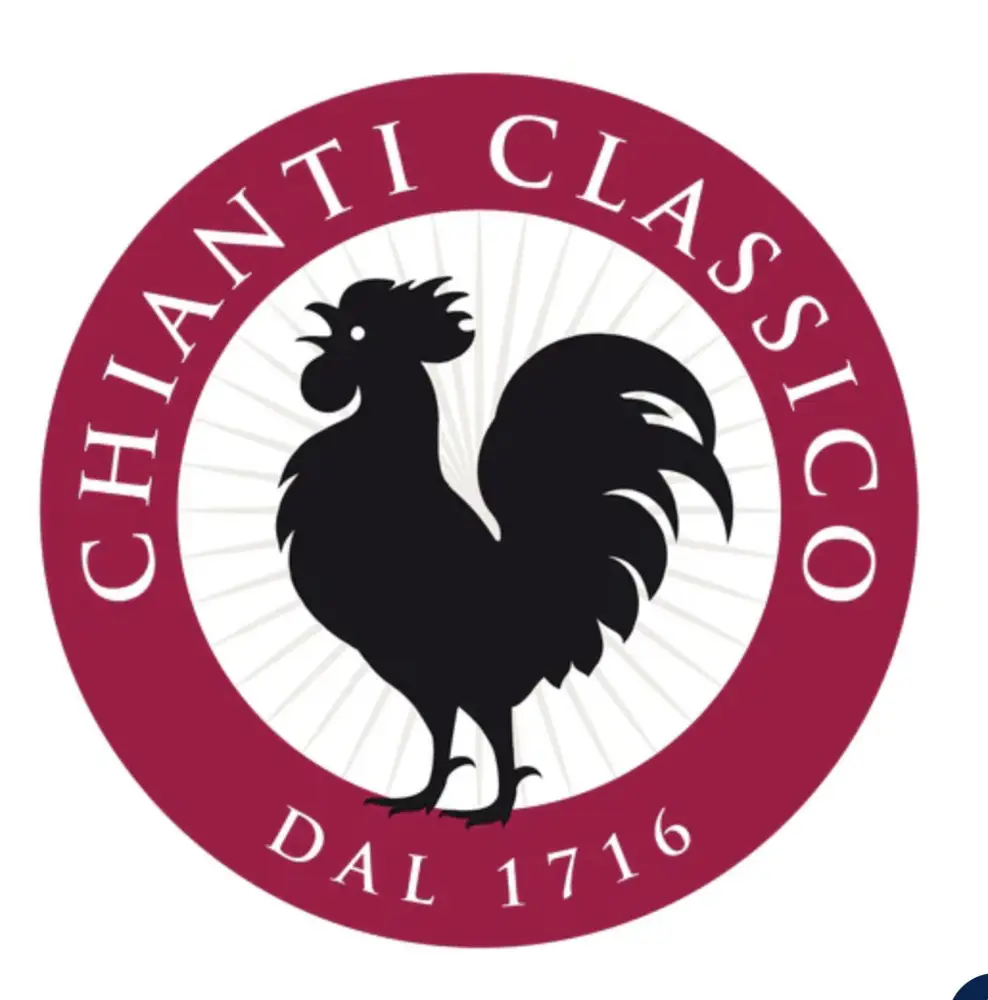
Behind the emblem that adorns the neck of each bottle of Chianti Classico lies the story of the El Gallo Nero (Black Rooster). Around the turn of the 18th century, the neighbouring cities of Florence and Siena were at war. After centuries of bloodshed, and heavy losses on both sides, the two cities sought to find a peaceful solution to demarcate territories.
After much negotiation, a settlement was reached: awakened by the crow of a rooster, two knights would ride from their respective cities; the point at which their paths crossed would determine the region's boundaries. The Sienese nurtured their most highly prized white rooster to wake their knight, supplying it with water and grain. The day of reckoning arrived. Before the crack of dawn, the Florentines' dishevelled black rooster that had been left without food let out a loud squawk rousing its knight, whilst its well-nourished counterpart lay fast asleep. With every minute the white rooster lay dormant, the Florentine knight gained ground, extending Florence's boundaries and taking control of the Chianti Classico zone.
Chianti Wine Origins: From the Etruscans to Today
The origins of Chianti can be traced back to the 13th century, where it was first mentioned by Ser Lapo Mazzei, a Florentine poet and winemaker. The apocryphal tale of the Black Rooster imparts a touch of romanticism, but in truth, it was the Grand Duke of Tuscany, Cosimo III de' Medici who delineated the boundaries that would eventually mark the Chianti Classico zone, thus laying the foundations for one of the world's most famous wine region.
Sangiovese: The Heart & Soul of Chianti Wine
In Chianti, Sangiovese rules the nest. This indigenous variety gains its name from the Latin «sanguis Jovis», meaning ‘blood of Jove'. Characterised by its bracing acidity, high level of sandy-textured tannins and deceptively pale colour, it tends to give aromas of sour cherry, tomato leaf, black tea and dried herbs.
Alongside Sangiovese, local varieties like Colorino and Canaiolo can be used to add softness and fruitiness to the firmly structured Sangiovese. White grape varieties like Trebbiano Toscano and Malvasia can reduce the intensity to yield a wine that is lighter and more approachable. Additionally, a smattering of international varieties like Merlot, Syrah and Cabernet Sauvignon can be included, but given their strong personalities can often overwhelm the autochthonous varieties.
Chianti DOCG & Subzones: A Guide to Chianti Wine Regions
Ruling the roost over Italian wine exports, and with the inception of the nation's appellation system in the 1960's, Chianti expanded beyond the historical Classico area. The Italian government granted a further seven subzones Chianti DOCG status. Whilst some may argue that this extension represented a drop in quality, it undoubtedly offers a greater diversity of terroirs for Chianti lovers to explore.
Chianti Classico DOCG which covers the original, historic heartland of the region remains the most reliable source for those seeking serious, age-worthy Chianti. Here, the regulations have stricter blending and aging requirements and are no longer permitted to use white grape varieties. The resulting wines tend to show greater finesse and depth than those from Chianti DOCG. However, it's certainly worth exploring outside the Classico boundary. Here's a bird's-eye view of the Chianti DOCG subzones:
- Rufina- The smallest subzones, located at higher elevation and furthest inland, meaning it can ripen slower and has the greatest day-night temperature swings, leading to and known for producing wines that are capable of rivalling Chianti Classico.

- Montespertoli- The smallest and newest of the subzones. It tends to produce slightly lighter wines than Colli Fiorentini, of which it used to be part.
- Montalbano- A smaller, northerly located area planted on hills west of Florence, producing wines that tend to be a little fresher than lower lying areas.
- Colli Fiorentini- Planted around the city of Florence, these wines tend to produce simpler, juicy reds that tend not have the longevity or structure of Classico. Requires the longest minimum aging of the subzones alongside Rufina.
- Colli Aretini- Marked by the Arno River that meanders through the area, these wines are often considered a lesser source of Chianti.
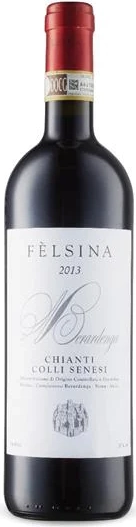
- Colli Senesi- The largest of the Chianti subzones, this non-contiguous area tends to give easy-going, charming wines.
- Colline Pisane- Surrounding Pisa and its leaning tower, these lower lying vineyards that are close to the coast, giving it a milder climate. The resulting wines are lighter and more approachable than neighbouring areas.
Chianti Wine's Fiasco Era and Its Renaissance
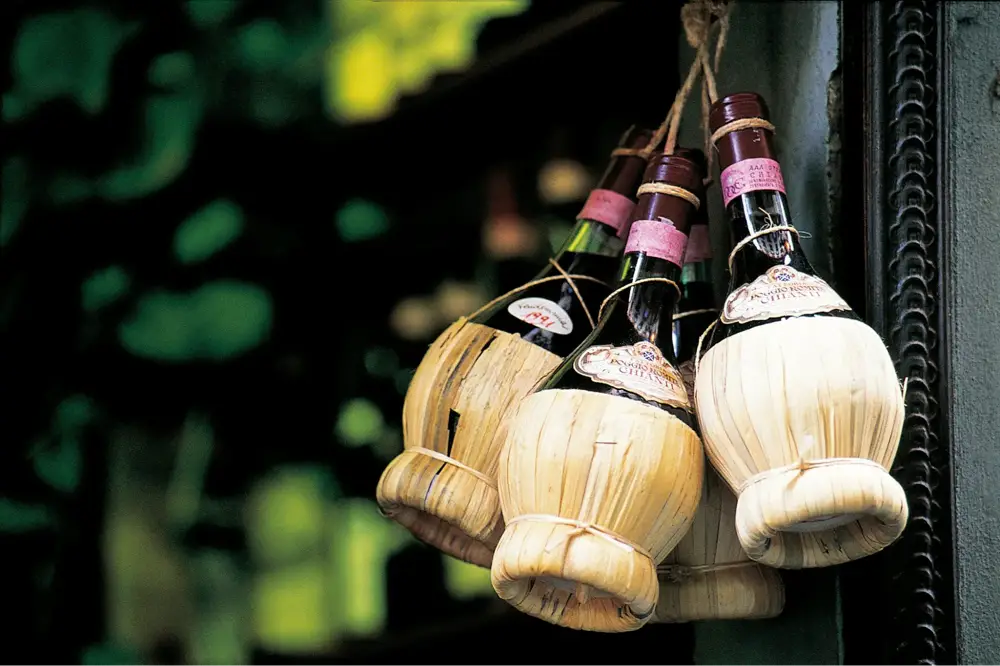
Primed with their newly acquired DOC status and riding the wave of popularity, growers sought to capitalize on the demand, leading to overproduction, and resulting in thin, insipid wines bottled in the squat, straw-lined fiascos. Decades passed, philosophies changed and its pre-eminence as one of Italy's great wines has been fully restored. To complete the transformation and distance themselves from the mediocre wines of the past, most quality-conscious producers now opt for traditional high-shouldered Bordeaux bottles.
Chianti Wine Styles & Food Pairings
Whilst Hannibal Lecter's thoroughly disconcerting pairing of choice consisted of “(human) liver, fava beans, and a nice Chianti”, suffice to say the wines have huge gastronomic potential.
The subregions of Chianti exhibit their own distinct personalities, but the different quality tiers provide an idea of their depth and concentration. Given that a fundamental aspect of food and wine pairing is based on matching their intensities, understanding the quality hierarchy provides a rough idea of how to pair them.
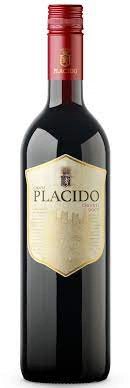
- Chianti- Entry level that offers quaffable, sour cherry-scented gratification. Perfect for those seeking an uncomplicated, crunchy red to serve with a tomato and basil bruschetta, or close your eyes and imagine sipping this in Florence’s stunning Piazza del Duomo on a summer’s day.
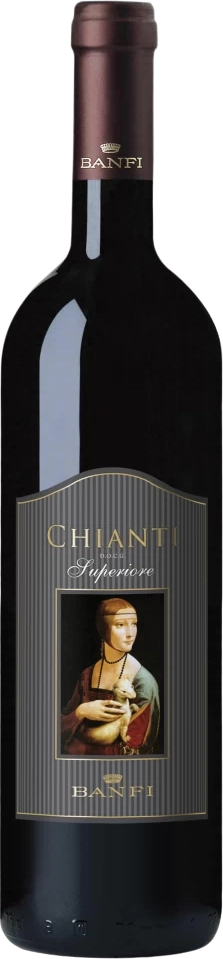
- Chianti Superiore- A little step-up in quality, yielding wines that generally exhibit greater depth and concentration. Try with a Tuscan wild boar ragu pasta.
- Chianti Riserva- Mandatory longer barrel and bottle maturation before release creates wines that display enhanced richness and structure. These can be an ideal match for heartier dishes like rich Tuscan stews or braised meats.
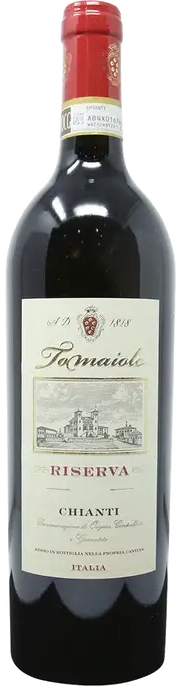
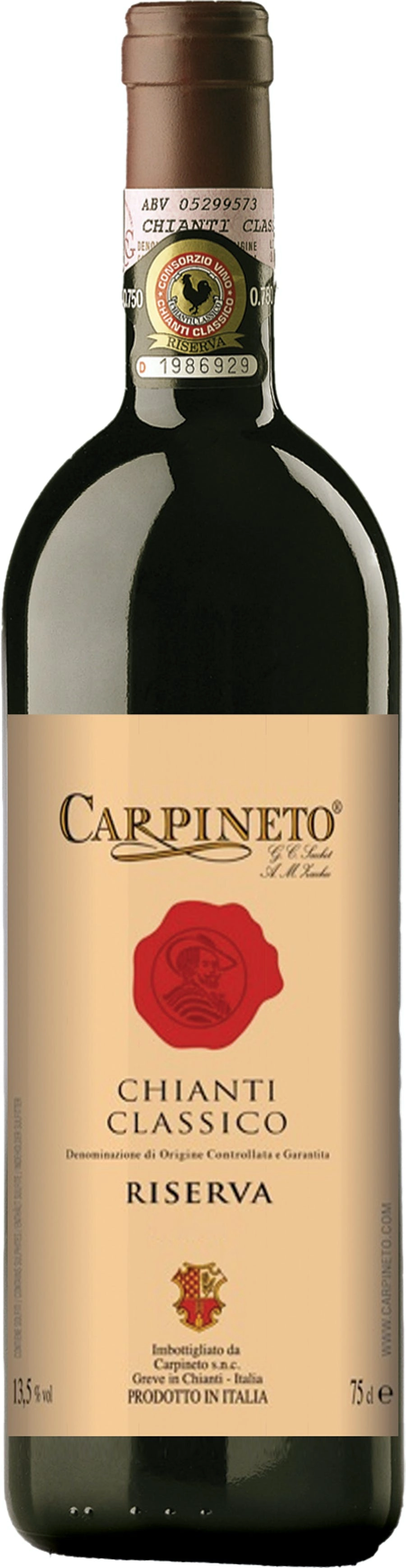
- Chianti Classico Gran Selezione- Applies solely to the Classico zone, considered the best Chianti wine. These wines benefit from extra cellaring and can often improve for 10-15 years or more. From 2027 they must include one of the 11 UGAs (Grand Cru Sites) with the aim of promoting single-site wines and the ultimate terroir expression of Chianti. Seek out a dry-aged Bistecca alla Fiorentina to partner with a mature example of Gran Selezione for the ultimate pairing.
[insert:san-felice-il-grigio-chianti-classico-gran-selezione]
Chianti Wine Today: Travel, Taste & Timeless Charm
Like the rolling hills of Tuscany, Chianti has experienced its fair share of ups and downs from the subpar wines and fiasco bottles, to experiencing its own renaissance and the current day where it rightfully enjoys its reputation as one of Italy's great wines. It's also a must-visit destination if you're up for Tuscany wine tours. Whether you're enjoying a glass in a sunlit vineyard or savoring it with a rustic Tuscan stew, raise a glass and toast to the timeless charm of Chianti. Cin Cin!
Sanya Abhay