Wine Vintage: Does it Matter? Why and Why Not?
It is all about numbers, birthdays, anniversaries, vintages. When we glance at the bottles of wine we receive from a dear friend or order one at a restaurant, the vintage - seen as a year on the label - often seems to be an important factor of choice. But what exactly does the term "vintage" mean in wine, and does it truly matter when choosing a wine?
The answer to this question is not simply to be put in black and white. So let's dive into this question of why vintage matters (and sometimes why it doesn't) to help demystify this a bit.

What Does Vintage Mean in Wine?
It is quite simple: the vintage of a wine is defined as the year in which the grapes were harvested. With this number, we get a glance into the qualities and typicities of a growing season all together with the weather conditions the vines experienced.
Especially important vintages become for regions with variable climates. Bordeaux, with its warm, dry growing season in a particular year might yield ripe, bold wines, for instance, while a cooler, more humid year could result in more restrained, delicate bottles.
Why Vintage Matters
Climatic Influence on Quality
In wine regions like Burgundy or Rioja, where we experience a lot of fluctuating weather, the vintage is crucial. It is the amount of sun, rain, frost, or hail— that drastically can influence grape ripeness and flavor. A warm year can lead to riper, more concentrated wines. In contrast, a cooler year produces wines that are higher in acidity and lower in alcohol.
For instance, a celebrated Bordeaux vintage like 2010 produced wines of immense depth and longevity because of ideal conditions. Conversely, a challenging year like 2013 faced excessive rain, leading to lighter wines with less aging potential.
Age-Worthy Wines
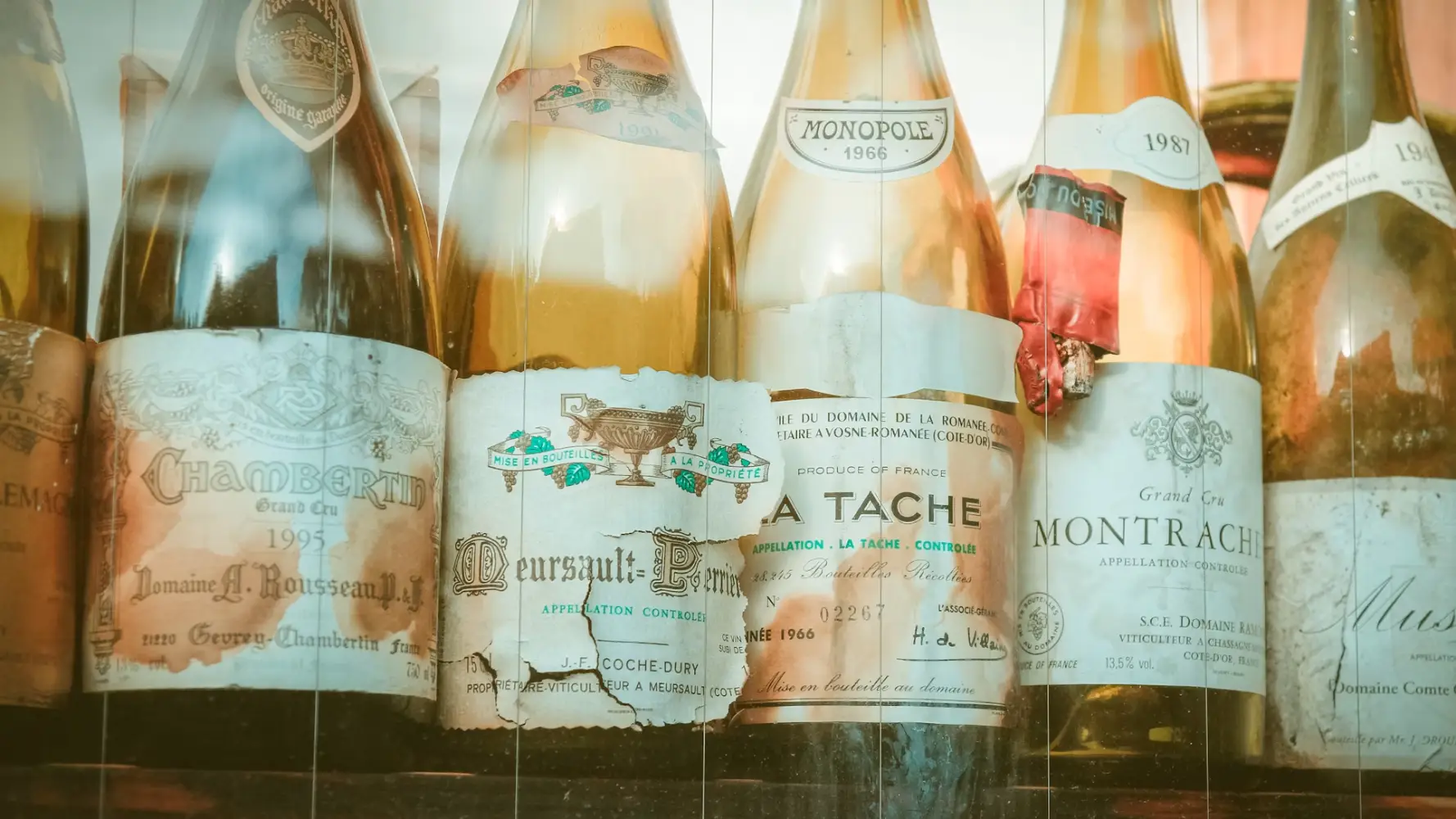
Some vintages are known for their great aging potential. For collectors, the vintage is crucial because the wine's structure—if the tannins, the acidity, the alcohol, and all the structural components are in balance— will develop with time to result in even more complexity and bring more pleasure.
Regional Uniqueness
In regions with less consistent weather, vintage adds diversity. Each year offers a unique expression of the terroir. This variability is part of the charm for enthusiasts who enjoy comparing bottles from the same producer across different years.
Why Vintage Might Not Matter
Consistent Winemaking Practices
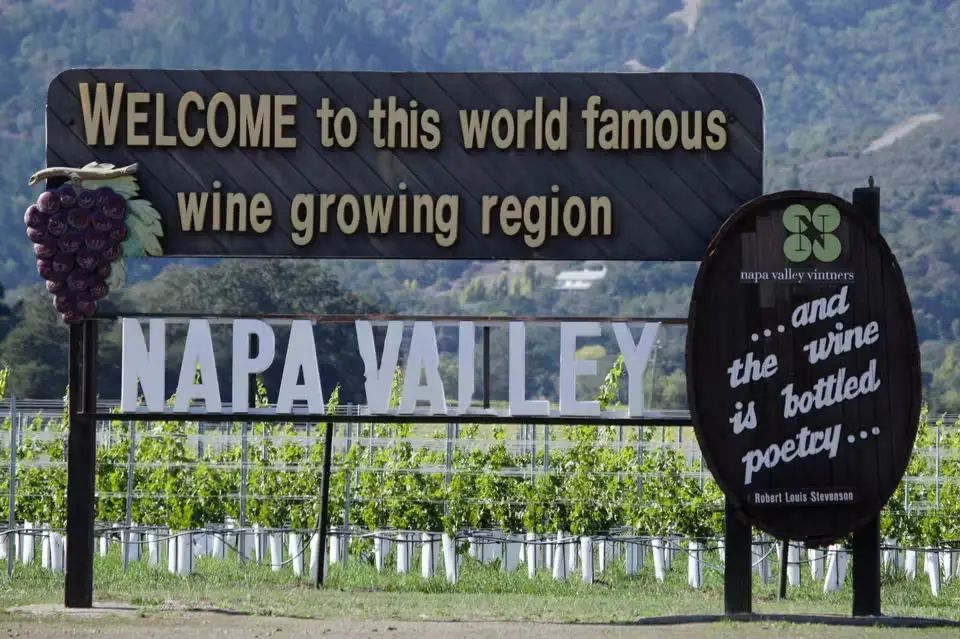
With the development of farming practices and viticulture, more winemakers have the necessary equipment and know-how available to mitigate influences on wine quality due to poor weather conditions. In regions like Napa Valley or Australia's Barossa Valley, favorable climates and skilled winemakers ensure consistent results regardless of vintage.
Non-Vintage Wines
With the option to blend multiple vintages such as with sparkling wines like Champagne one is able to achieve a consistent house style and a more or less consistent quality too. This is a tool that prioritizes the brand's signature flavor over the characteristics of a single year.
Everyday Wines
For wines meant for immediate enjoyment, vintage isn't as significant. These wines are crafted to be approachable and enjoyable in their youth, often showcasing fresh, fruit-forward profiles that remain consistent over the years.
When to Focus on Vintage
If you're more into wines from Old World regions where the weather varies greatly on top—like Burgundy, Bordeaux, or the Mosel—vintage becomes more relevant. Consulting vintage charts or a trusted wine shop can help identify standout years.
Collectors and enthusiasts seeking age-worthy bottles should also pay close attention to vintage. Wines from iconic producers in great years are investments in flavor and longevity.
When to Relax About Vintage
For wines from regions with stable climates, like California, Argentina, or South Australia, vintage plays a less critical role. In these New World wine regions, the vintage is less important than the brand, the producer, the region, or the grape variety.
On top of that, if you're selecting wines for casual drinking, the producer and grape variety might be more important than the vintage. A reliable winemaker or brand will often deliver consistent quality no matter the year.
A Balanced Perspective
Vintage can be both a guiding light and an overhyped factor in wine selection. Understanding the context—region, style, and purpose—helps determine its significance. For a casual wine night, focus on trusted producers and styles you enjoy. For collectors or those exploring prestigious regions, vintage research can add depth to your choices.
In the end, wine is about pleasure and discovery. The vintage might shape the journey, but the joy comes from the experience of sharing and savoring it. Whether you're sipping a storied Bordeaux from an epic year or enjoying a non-vintage sparkling wine, what truly matters is the connection it fosters.
So, does vintage matter? Yes, sometimes—but not always.
Lotte Gabrovits