Wine Jargon Explained: Co-Op
The wine world is full of jargon that can make many wine lovers feel a bit lost. Whether it's understanding the difference between ‘terroir' and ‘tertiary aromas' or deciphering the cryptic codes on a wine label, the language of wine is rich and complex. One term you might have come across, particularly on Champagne labels marked with ‘CM' for Coopérative de Manipulation, is ‘co-op'. But what exactly is a co-op in the context of winemaking, and why does it matter? This article will explain the ins and outs of yet another wine jargon to you, the co-op.
What is a Co-op?
A cooperative winery, or co-op, is a collective of vineyard owners who join forces to produce and market wine. These cooperatives are member-owned, which means that each vineyard owner who contributes grapes is also a part-owner of the winery. This collaborative approach allows small vineyard owners to share resources, reduce costs, and gain access to better winemaking facilities and expertise than they could afford independently.
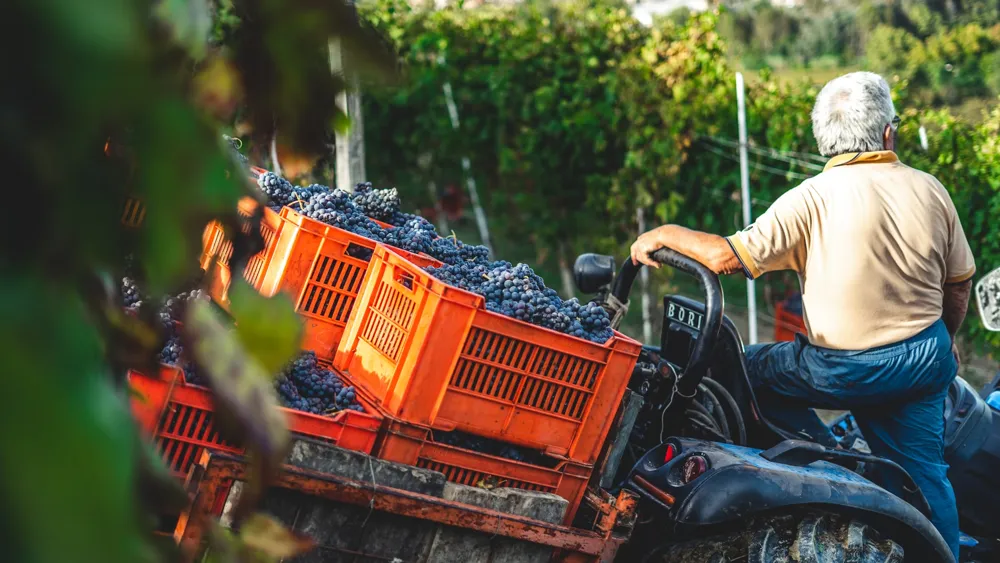
In a co-op, members bring their grape harvests to a central winery where professional winemakers, or oenologists, oversee the production process from pressing to aging. By following a detailed set of specifications, co-ops ensure that the final product maintains a consistent quality. The wine is then marketed and distributed collectively, leveraging the co-op's established networks to reach consumers.
Co-op in the Wine Industry Around the World
Cooperative wineries play a crucial role in the global wine industry, particularly in regions where individual vineyard holdings are small and the costs of production are high. The concept of cooperative winemaking dates back to the 19th century. The first co-operative wineries, known as Winzergenossenschaft, were established in Germany by vine growers who banded together to produce wine from their grapes in one winery and under a single brand. This idea quickly spread to other countries, including Italy.
Italy's cooperative wineries, or cantine cooperative, have a rich history dating back to the late 19th century. The first Italian co-op was established in Oleggio, Piedmont, in 1891. As of 2019, Italy has 484 cooperatives with 140,700 winegrower members. These co-ops are responsible for around 60% of Italy's wine production, with 52% at the DOP level and 65% at the IGP level.
In France, cooperatives, known as caves coopératives, produce more than half of the country's total wine volume. These co-ops are particularly strong in regions like Languedoc, Roussillon, and Rhône, where they have helped transform the local wine industry by improving quality and expanding market reach.
In the new world countries, co-ops are less prominent, South Africa's KWV started as a cooperative and evolved into a commercial company, demonstrating the adaptability and impact of co-op models in various contexts. Despite the structural changes, co-ops remain a vital part of the wine industry worldwide, adapting to local needs and market conditions.
Pros and Cons of the Co-op System
The cooperative model offers several advantages. By pooling resources, co-op members can invest in modern winemaking equipment and facilities, achieving economies of scale that would be unattainable individually. This shared investment translates into higher-quality wines and more efficient production processes.
Cooperatives also provide crucial market access for small vineyard owners. With established marketing and distribution networks, co-ops help these producers reach larger markets, both domestically and internationally. This support is particularly valuable in regions where individual producers might struggle to compete with larger commercial wineries.
However, the co-op system is not without its challenges. One significant issue is the potential for variability in wine quality. Since co-ops accept grapes from all members, regardless of individual quality, the final product can sometimes be inconsistent. Additionally, the collective nature of cooperatives means that individual vineyard owners might not receive as much recognition for their contributions, as the co-op brand usually takes precedence.

Can Co-ops Make Outstanding Wine?
Traditionally, the focus of cooperatives has been on economic sustainability rather than premium wine production. However, this is not the universal truth.
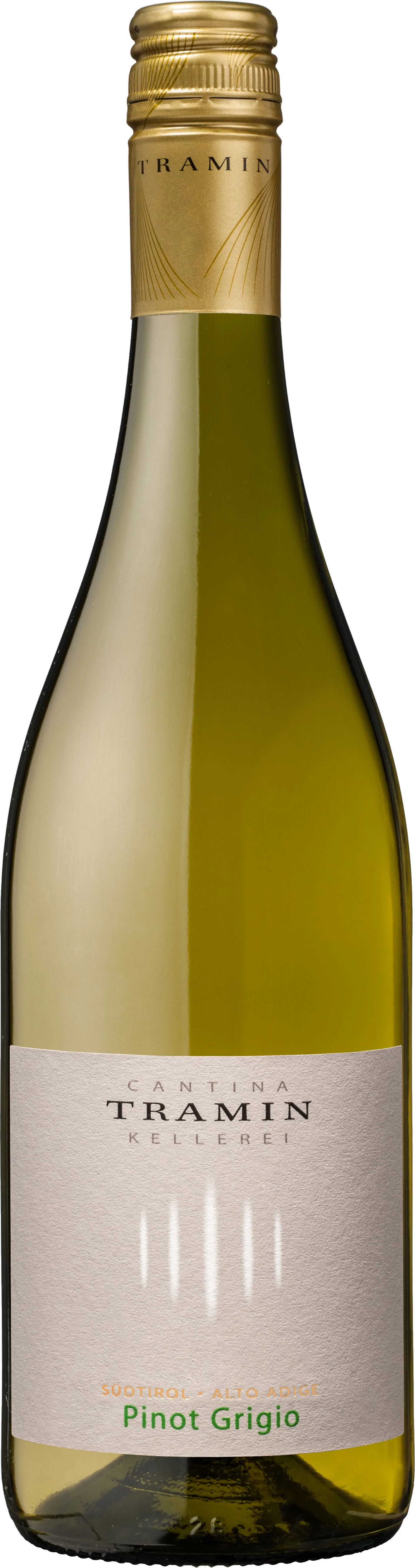
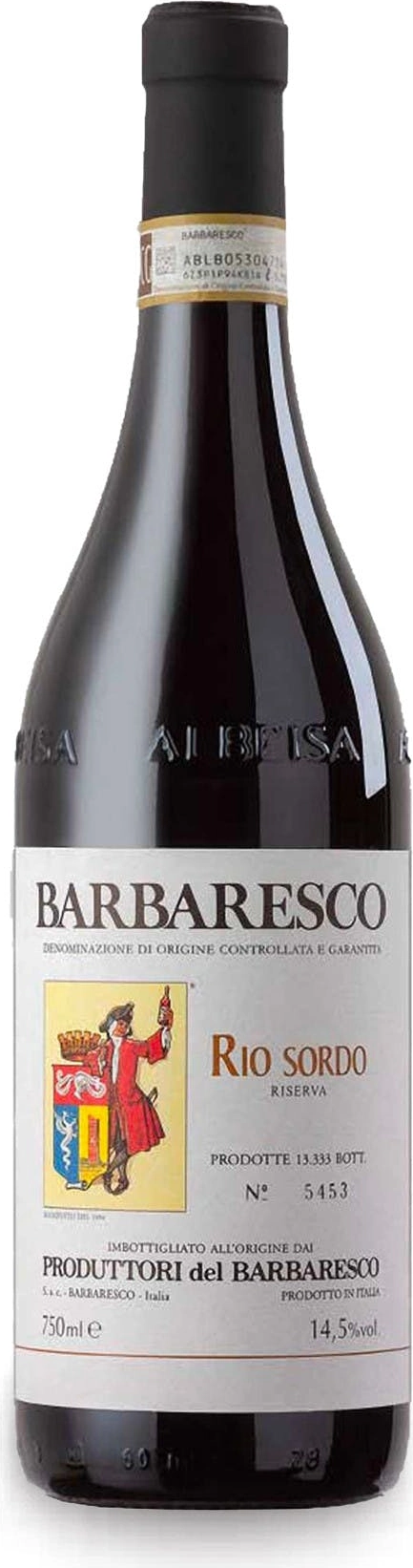
Italy's cantine cooperatives are not just prolific; they have gained significant recognition for their quality. In fact, some of the regions' top producers are co-ops, with notable examples including Alto Adige's Cantina Terlan and Cantina Tramin, and Produttori del Barbaresco in Piedmont. This is proof that cooperative wineries can indeed produce outstanding wines that reflect their unique terroirs and traditions.
Many cooperatives are now investing in facilities and focusing on terroir-specific vinification, which has led to the production of higher-quality wines that can compete with those from prestigious estates. Regions like Champagne and Alsace are prime examples where co-ops have successfully marketed high-quality wines under their collective brands.
Dear VinoVossers, are you ready to discover the wines produced by co-ops? Not only will you be supporting a system that values collaboration and mutual success, but you might also discover some exceptional wines that beautifully express the collective effort of their producers.
Co-op Wines to Try:


Sylvia Ba