Wine–It's Easier Than You Think
Part 1
Wine slang can be rather complicated from time to time, turning away newbies since they feel overwhelmed by all the vocabulary and knowledge they need to know to become a wine lover.
Wine can be simple and easy. You just need to follow your intuition.
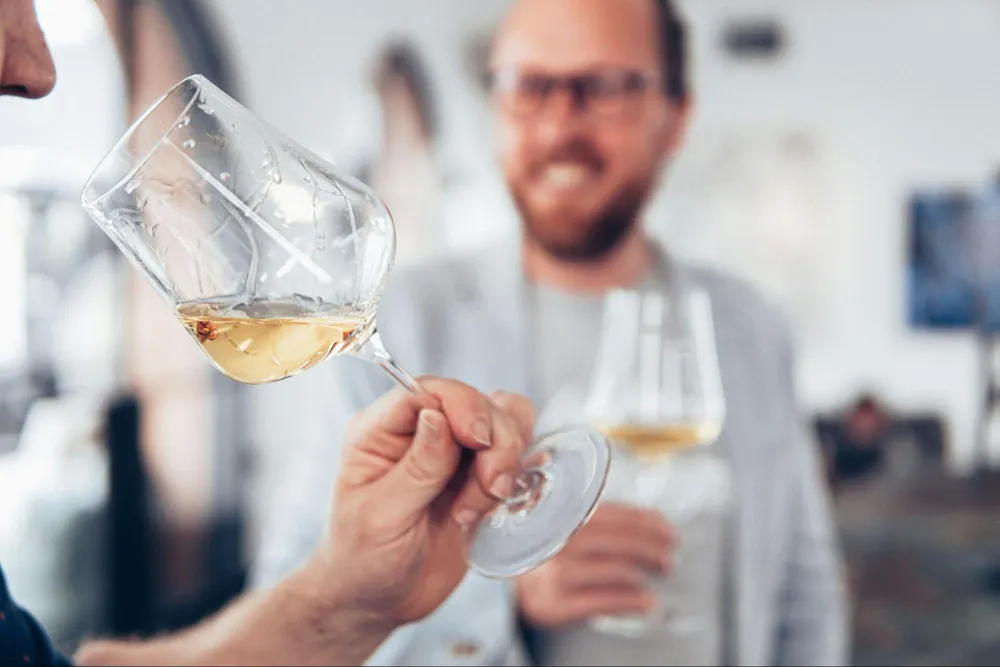
Enjoying wine is not that difficult (Credit: Elle Hughes, unsplash.com)
Take a bottle that has caught your attention. It could be because your friend recommended it to you, or perhaps you received it as a birthday gift from a colleague. Maybe it's from a place where you didn't even know wine was being grown. Perhaps you simply like the label. Alternatively, it could be the wine from a producer in your neighborhood, especially if you are fortunate enough to live in a wine region.
Glassware
Glassware is a topic you could write a complete book about. Understanding the function of a wine glass starts with its two main types: stemmed and stemless. A stemmed wine glass comprises three parts:
- Base (Foot): Provides stability and keeps the glass upright.
- Stem: The functional part held by the user, connecting the base to the bowl.
- Bowl: The most crucial part, holding the wine. It’s recommended to fill the glass to its widest point, maximizing the wine's contact with oxygen and allowing space for aromas to collect. Swirling the wine releases these aromas, enhancing the tasting experience.
In contrast, stemless glasses lack a base and stem, featuring a flat bottom for stability. Regardless of the type, the shape, size, and style of the bowl are crucial in influencing the presentation and taste of the wine.
But at the end of the day, it is up to you which one you fancy since you are the one who has to feel comfortable with using it.
Serving Temperature
Depending on whether it is a white, rose, or red wine you generally cool it down before enjoying it, while the whites and roses are enjoyed between 46.4 - 53.6°F (8-12°C), the reds are normally with a few exceptions served between 60.8 - 64.4°F (16-18°C).
Opening the Bottle
Depending on the closure you've chosen, it might be as simple as a screw cap, requiring nothing more than your hands—lucky you.
When it comes to corkscrews, there are various shapes and formats, including electric and manual options, to help you open the bottle. Sometimes using the simplest one is the most straightforward way but of course not always.
Waiters and sommeliers generally use the wine key, also known as the waiter's corkscrew.
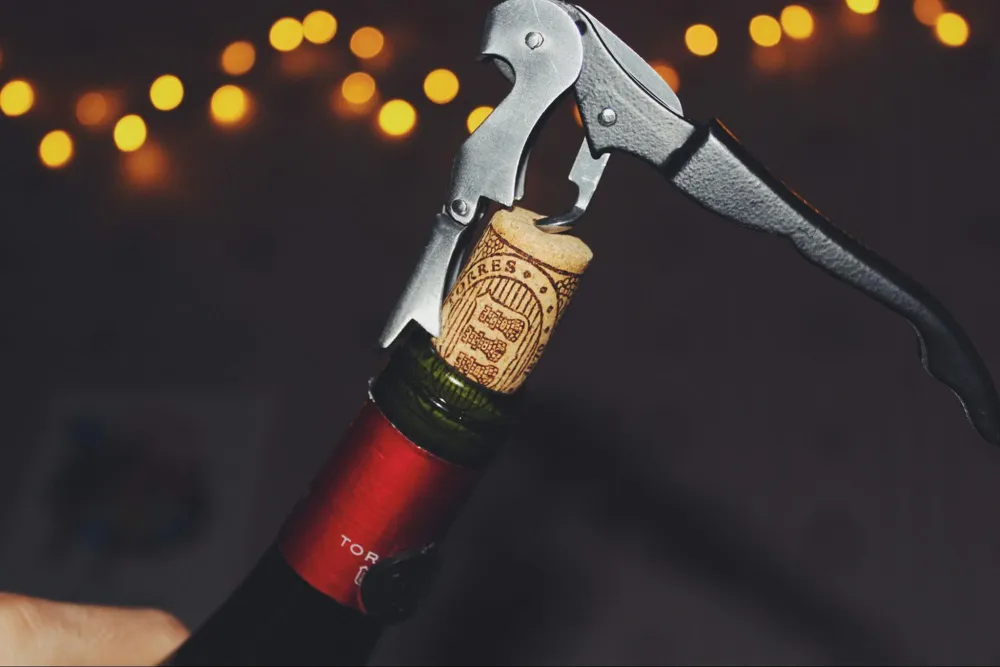
Waiters corkscrew is the most simple but best tool to pop the cork (Credit: Árpád Czapp, unsplash.com)
Let's Get Started
Finally, you can start pouring the wine into the glass. But bear in mind to never fill the glass more than ⅓ of the size of its bowl. This enables you to swirl it and get the most out of its aromas.
Get the Look
When evaluating wine, the visual assessment is your first step. Is the wine clear or dull? Is it pale or dense in color? What type of nuance does it have?
To review the color, place the glass in front of a white tissue or tablecloth to avoid reflections from other colors.
Much information can be obtained just by looking at your glass of wine.
If you see a light greenish rim the chance your wine is not older than one year is pretty high. If it gets darker and more amber in color it was most probably either exposed to oxygen and you will find more of the nutty oxidative bruised apple flavors or it is an older wine already.
With young reds, you tend to get more light purple or ruby colors depending on what grape varieties have been used whereas older red wines become more pale with a brownish core.
The Art of Swirling
Why are we swirling the glass? It does not only look cool, but by doing this, you enhance the surface of the wine and aerate it. Sometimes wines tend to be a bit ‘closed' when freshly opened and some air will do wonders, you will certainly experience.
The nose will be enhanced and the wine develops an increased quantity of aromas.
Further, there is a phenomenon which is called tears or legs, which is nothing else than the wine flowing down the wall of your glass.
The slower the tears flow down the wall the higher the chance that either residual sugar, alcohol, or the total dry extract of the wine is higher.
So you see, how much information you can get by the visuals only.
That's it for now.
Join us for our next session when we dive deep into the world of tasting a glass of wine.
Until we do so, surf on VinoVoss.com and explore which wine you would like to experiment with.
Lotte Gabrovits