Do we really need wine ratings?
If you are a wine lover, you may have noticed some medals or awards on the labels of your favorite bottles, or you may have heard of some famous wine critics like Robert Parker or James Suckling. These are some examples of wine ratings, which are supposed to indicate the quality and reputation of different wines.
But how much do these ratings matter, and how can they affect your wine choices?
So, what is a wine rating?
Wine ratings, or wine scores, actually are a crucial aspect of our platform at VinoVoss.com and the wine world generally. These ratings are, simply put, a way to evaluate and communicate the quality, characteristics, and overall appeal of a wine. They provide valuable guidance to consumers looking to make informed choices in the vast world of wines.

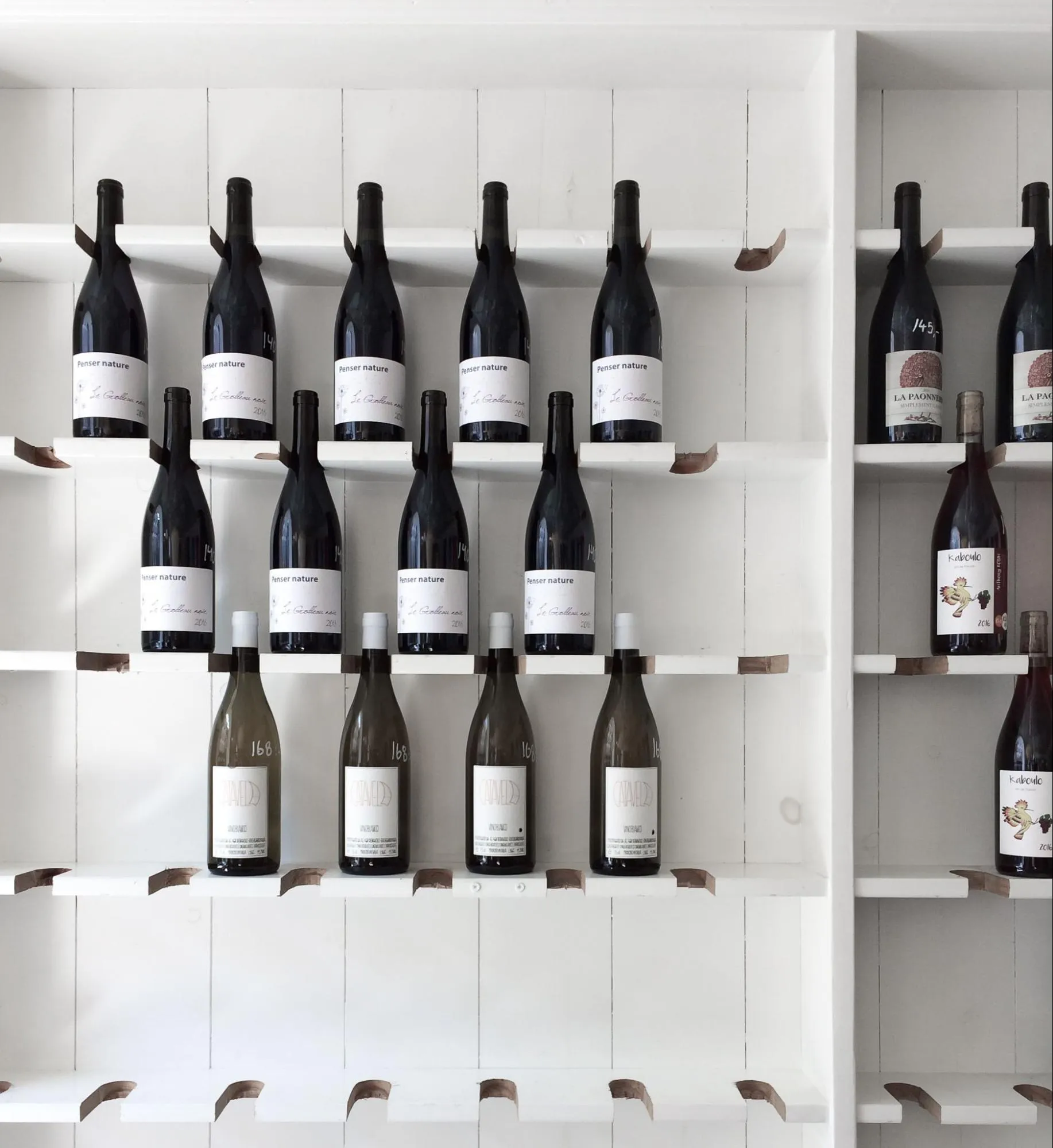
Credit: Jeff Siepman, unsplash.com
How do wine ratings work?
At VinoVoss.com, we employ an expert rating system that typically ranges from 1 to 5, with higher scores indicating better quality. These ratings are generally assigned by wine experts, in our case, our wine expert team, by critics, or experienced tasters who assess various aspects of a wine, including its aroma, taste, complexity, balance, and finish.
They consider factors such as the grape variety, winemaking techniques, and regional terroir, all of which contribute to a wine's unique identity.
In addition we have a user rating available, as we want to eliminate bias, and reflect the true experience of the drinker; you!
Why do wine ratings make sense?
Ratings serve as a universal language that help convey the qualitative essence of a wine to the consumer. They allow us to describe a wine's character in a concise and standardized manner, making it easier to comprehend and compare different wines. Whether it's a complex Bordeaux, a crisp Chardonnay, or a vibrant Pinot Noir, wine ratings help us communicate the nuances and merits of each bottle.
What are the different types of wine ratings?
Wine ratings may use different scales, depending on who the publication or wine critic that's reviewing the wine. That makes things a little complicated, but in general the higher the score, the better the wine. Here we have collected some common types of wine ratings as brief guide for you:
The VinoVoss guide to Wine Ratings
100-Point Scale:
- Wine Spectator: This is one of the most widely recognized wine publications which uses a 100-point scale. For example, a rating of 95 points indicates an outstanding wine.
- Robert Parker's Wine Advocate: Another influential publication known for its 100-point scale ratings.
- Decanter Magazine: One of the most influential magazines, based in London, uses the 100-point scale.
20-Point Scale:
- Jancis Robinson: She is one of the most influential female wine critics and Master of Wine who uses a 20-point scale. A rating of 18 or higher is considered exceptional.
5-Star:
- James Halliday's Wine Companion: This Australian wine guide uses a 5-star rating system.
- VinoVoss: A simple to understand 5-star rating system is implemented from VinoVoss.

3-Star:
- Gambero Rosso: The most prestigious Italian wine awards use the 3-point scale to rate wines. The best wines are marked with three bottles, giving the award the name “Tre Bicchieri”, which means three bottles in Italian.
Adjectival Ratings:
- Descriptors like "Outstanding," "Very Good," "Good," etc., are not often used by wine professionals, but are common ways to describe a wine’s quality in a casual setting.
Thumbs Up/Down or Emojis:
- Some websites and apps simplify ratings with symbols like thumbs up or down or emojis like stars or smiley faces to indicate wine quality.
Relative Ratings:
- CellarTracker: Allows users to rate wines on a personal scale. This platform also provides a community average rating based on user reviews.
- VinoVoss: Being aware of the growing importance of not only professional ratings but also the opinion of your peers, VinoVoss also offers the option of applying a personal user review.
Medals and Awards:
- Medals are awarded to quality wines that enter in wine competitions. There are many different competitions, like TEXSOM International Wine Awards, San Fransisco International Wine Competition, International Wine and Spirits Competition, Decanter Wine Awards, International Wine Challenge, to name a few. Here, wines are blind tasted by panels of judges, and are awarded madals based on their score, from Double Gold to Bronze.
Points for Specific Attributes:
- Some wine critics assign separate points for different attributes, such as aroma, flavor, acidity, finish, or ageability and then provide an overall rating.
Consumer Ratings:
- Websites like Vivino and Wine Searcher aggregate user-generated ratings and reviews, often displayed as averages or stars.
- VinoVoss: Offers the User Rating, in addition to the Expert Rating, in order to guide the VinoVossers. Depending on which wines you rate highly, you build your personal library and help VinoVoss offer you wines that’s guaranteed you’ll love!
Should you believe wine ratings?
It's important to remember that wine ratings are not absolute truths; they are subjective assessments based on an individual's palate and preferences. Different experts may assign slightly different scores to the same wine. Therefore, while ratings are a valuable reference point, we encourage VinoVossers to explore and trust their own taste buds.
Don't be afraid to try wines with lower ratings, since they align with your personal preferences. At the same time don't automatically assume that a highly rated wine will be your favorite, or feel bad for not loving a 100-point wine.
Wine's beauty lies in subjectivity and personal exploration.
VinoVoss, with its diverse mix of rating types, exemplifies the evolution of wine ratings, making them more professional, all-encompassing, and user-friendly, enriching the world of wine appreciation. Cheers to the ever-evolving world of wine!
Cheers from the VinoVoss team!
Lotte Gabrovits