Wine Packaging: More Than Meets the Eye
Did you know that wine packaging plays a crucial role in how we perceive and choose wine? From classic glass bottles to modern canned wines, packaging influences our buying behavior, quality expectations, and even sustainability choices. This journey of packaging, from its historical roots to the latest trends, reveals how deeply it influences our perceptions and buying behaviors.
Think about the last bottle of wine you bought—was it because of its elegant label, bold modern design, or traditional bottle shape? Packaging is a silent storyteller that guides our choices.
Historical Evolution of Packaging
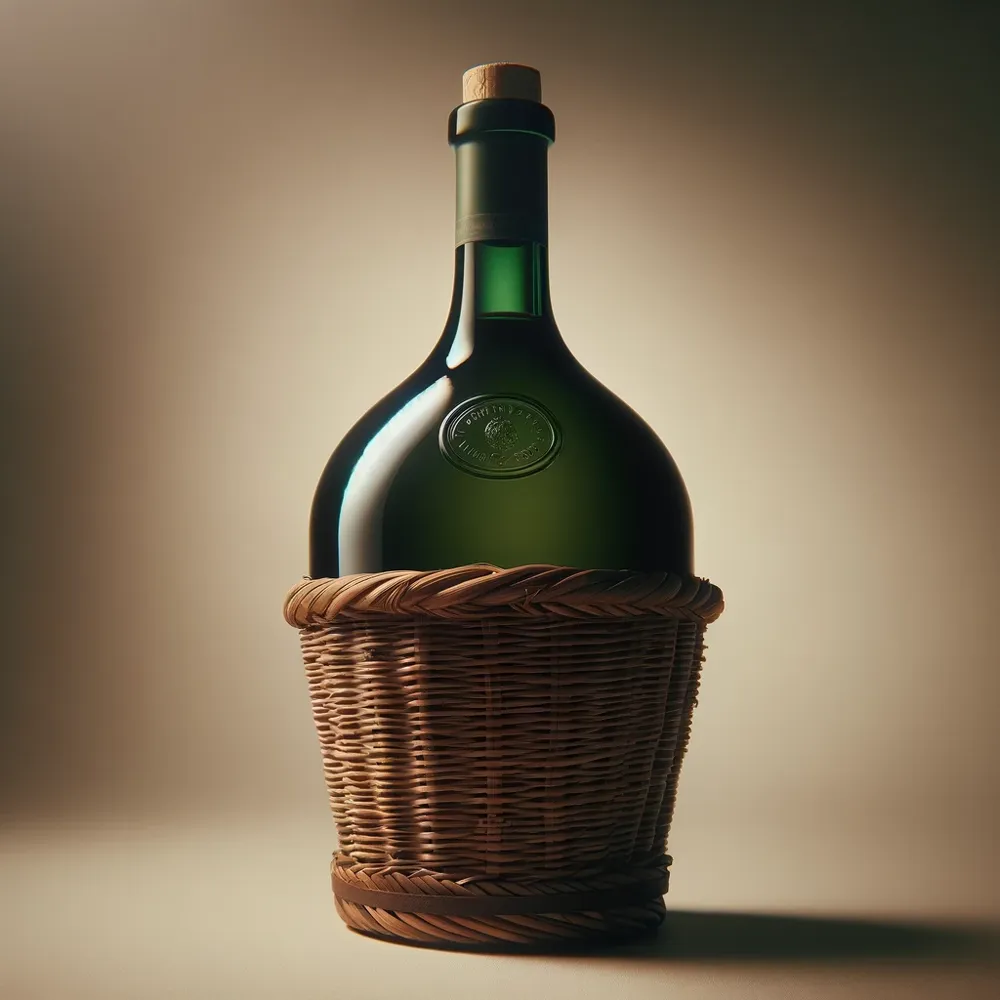
The history of wine packaging dates back thousands of years. Ancient civilizations stored wine in amphorae and wooden barrels before the introduction of glass bottles in the 17th century—now a universal symbol of quality and tradition
The classic Bordeaux bottle, known for its high shoulders, and the Burgundy bottle, recognized for its sloping design have grown to prominence. These traditional designs have stood the test of time and continue to be preferred by wine producers due to their association with authenticity and prestige.
However, the 20th and 21st centuries brought significant changes with the introduction of screw caps, synthetic corks, and bag-in-boxes.
The Psychological Influence of Packaging
The psychology of wine packaging is powerful—everything from bottle color to label design affects our perception of quality and taste. Studies show that dark glass bottles signal premium wines, while lighter glass or alternative materials are associated with affordability and eco-friendliness
Colour: Darker bottles are often associated with premium wines. Clear or light-colored glass usually contains lighter, more refreshing styles.
Shape: Traditional shapes are often preferred for classic examples, whereas innovative shapes attract a younger, more adventurous audience.
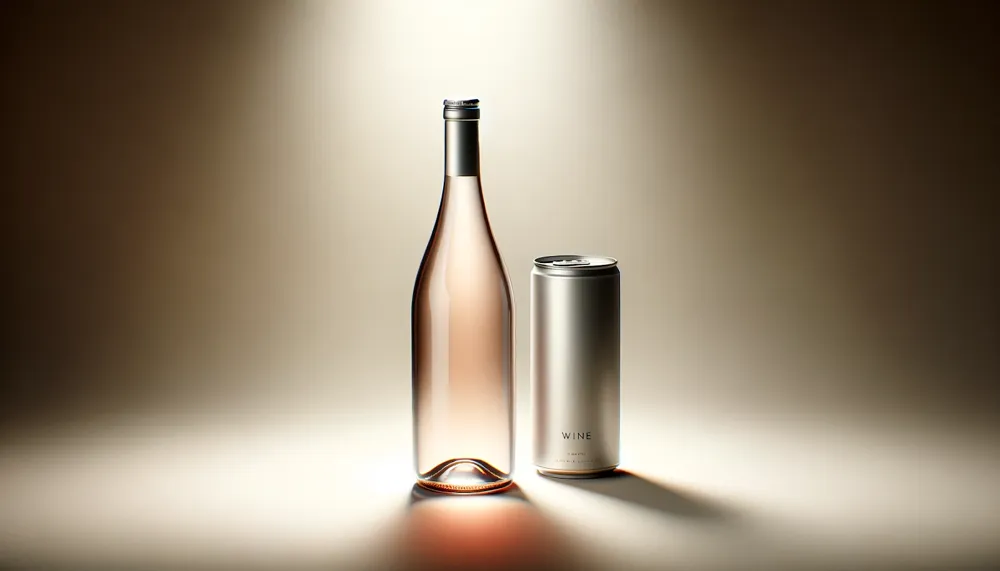
Material: Glass conveys quality and tradition, while materials alternative to glass, like cans or cardboard, can signify affordability or eco-friendliness and a reduced carbon footprint. Tactile elements like embossing or unique textures enhance the perceived value and quality of the wine.
The Art of Label Design
A wine's label design is its first impression. The label's imagery, font, and color scheme evoke emotions, tell a story, and convey the brand's personality.
Classic elegant fonts and subtle colors appeal to traditionalists, while bold, artistic labels attract younger, experimental wine drinkers. The label also provides essential information like the origin, grape variety, and vintage, guiding the wine lovers choice, particularly among more knowledgeable enthusiasts.
Diverse Packaging for Diverse People
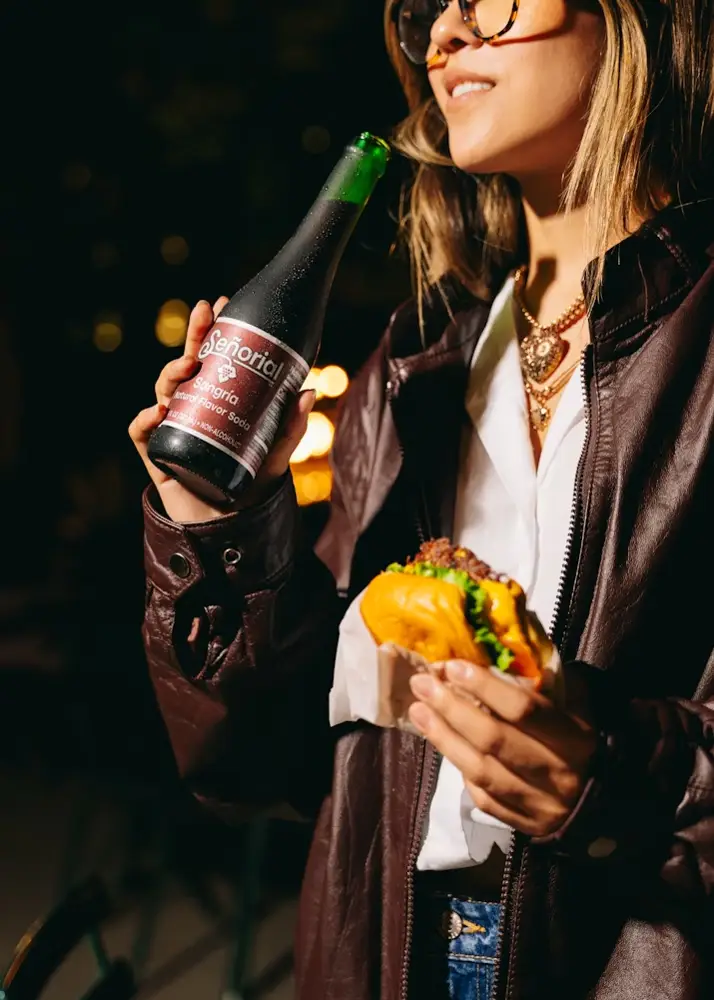
The variety in wine packaging caters to a broad spectrum of consumer preferences. Traditional glass bottles are still dominant, favored for their ability to preserve quality. However, alternative packaging forms like box and canned wines are gaining traction among younger consumers who prioritize convenience. These variations also reflect regional and cultural influences on wine consumption.
Sustainability has become a critical factor in wine packaging. Environmental awareness drives the interest in lighter glass bottles, recyclable PET bottles, and 100% recyclable materials.
Sustainable practices extend to label production, with a shift towards recycled paper and soy-based inks. Wineries are adopting minimalist packaging designs to reduce material use, responding positively to a consumer base that increasingly values sustainability.
Technological Innovations
The integration of technology in wine packaging is bringing consumers to the digital era. Smart labels with NFC chips or QR codes provide a gateway to a wealth of information about the product. Augmented reality (AR) brings labels to life, offering an interactive experience that attracts tech-savvy consumers.
Resealable bottles and improved preservation technologies reflect a growing demand for convenience and quality. These innovations cater to consumers who value the flexibility of enjoying a single glass of wine without compromising the rest of the bottle.
The Future of Your Wine Bottle
As we look ahead, the world of packaging is set to evolve further, driven by sustainability concerns, technological advancements, and shifting preferences. The wine industry faces the challenge of embracing these packaging options without losing the heritage and quality that wine enthusiasts cherish. Packaging will continue to be a key element in shaping consumer perceptions and choices.
Want to stay ahead of the latest wine packaging trends? Discover cutting-edge sustainable innovations and technology-driven designs shaping the future of wine. Read more on VinoVoss.com!
Peter Douglas