To Oak or Not to Oak?
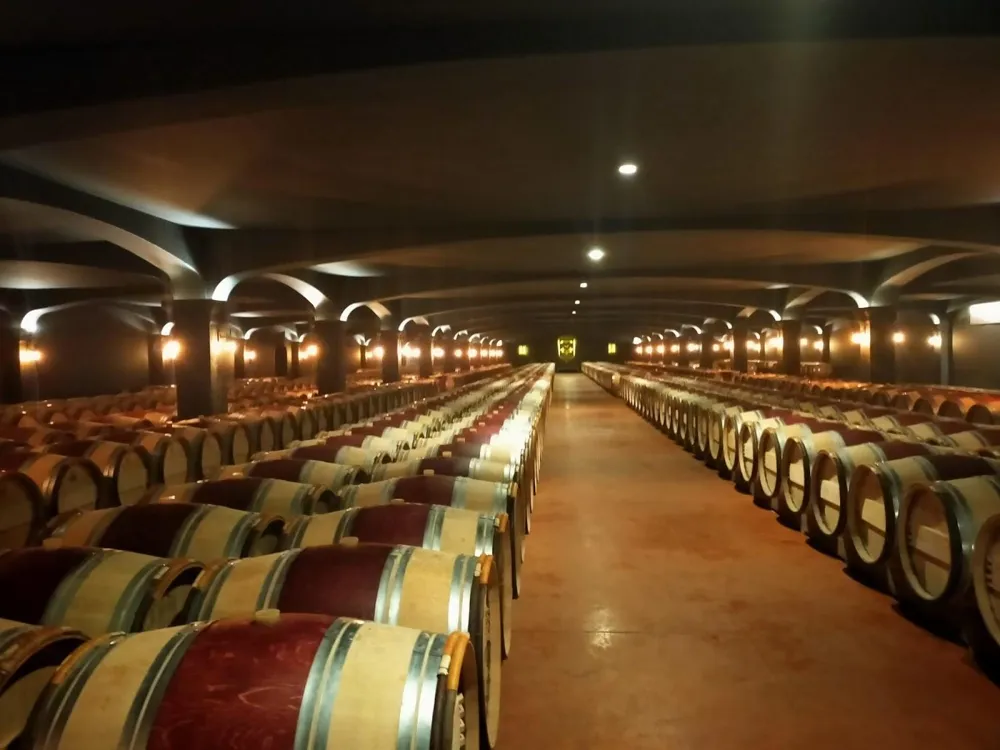
Oak barrels make for an impressive collection. A mix of old and new barrels can balance the Cabernet Sauvignons, as seen at Smith Haut Lafitte in Bordeaux. (Photo: Peter Douglas)
The fermentation and maturation vessels influence the style of the wine. It can make the wine more fruity, more oaky, or create a muted style. It may also contribute to a fuller body, texture, or even the color of the wine. Vessels are classified into two types: inert and oxidative.
Inert vessels, such as stainless steel tanks, exclude the passage of oxygen, allowing for a controlled atmosphere. In contrast, oxidative vessels, such as oak barrels, allow the integration of oxygen, which reacts with the wine. The choice of vessel lies in the management of oxygen.
The rule of thumb suggests, if a winemaker wants to produce a fruit-forward rosé wine or a delicate Pinot Grigio, they will use an inert vessel. If it's a delicate and grainy Pinot Noir or a full-bodied white wine, they may opt for a more oxidative vessel.
Influencing the Character
To enhance the fruity character of wines or retain delicate floral aromas, winemakers can choose inert vessels. These allow controlled fermentation and maturation with limited oxygen ingress, thereby enhancing volatile floral and citric aromas. These delicate aromas can evaporate upon light oxygen exposure, making preservation crucial.
Inert vessels also promote a brighter color compared to oxidative vessels. Similar to apples turning brown when left on a plate, white wines darken, while red wines tend to lose color and become more garnet. Alcohol, sulfur dioxide (SO2), sugars, and acids reduce oxidation rates, which has an effect on the color.
Conversely, winemakers seeking a muted fruit character, such as in Chardonnay-based wines, may use oak for fermentation. Oak enhances oxidative or savory characters by losing delicate floral nuances during the aging process. In addition, the vanillin of new oak barrels migrates into the wine, creating a higher complexity of light vanilla or coconut aromas, contributing to complexity.
The length of time, combined with the barrel's age plays a key-role. Some wine producing regions, such as Rioja, demand a minimum maturation period, following their regulation system. This can last from six months to many years. However, sweet wine styles like Vin Santo, may mature for 10 or more years in oak.
For winemakers seeking oxidative traits without oak aromatics, large old oak barrels or alternative vessels are viable options. Large oak barrels have a lower surface-to-wine ratio, slowing oxygen migration and minimizing oxidation impact. This approach is common in German Riesling production, blending with stainless steel-aged fractions for a fuller body. Conversely, some fruity grape varieties, like Sauvignon Blanc or sparkling wines can benefit from oxidative aging, as it supports the development of a fuller body and muted fruit character, highlighting the minerality and terroir.
Alternative vessels, like traditional clay amphoras (Qvevri), have seen a small renaissance in their 8,000-year history. Added to UNESCO's ‘Intangible Cultural Heritage' list in 2013, Qvevri aging allows the wine to mature underground, promoting skin contact and oxygen exposure while maintaining vessel neutrality. Some sommeliers note a "grainy" tannin structure in Qvevri-aged wines. However, it is also influenced by grape variety, skin contact duration, and fermentation techniques.
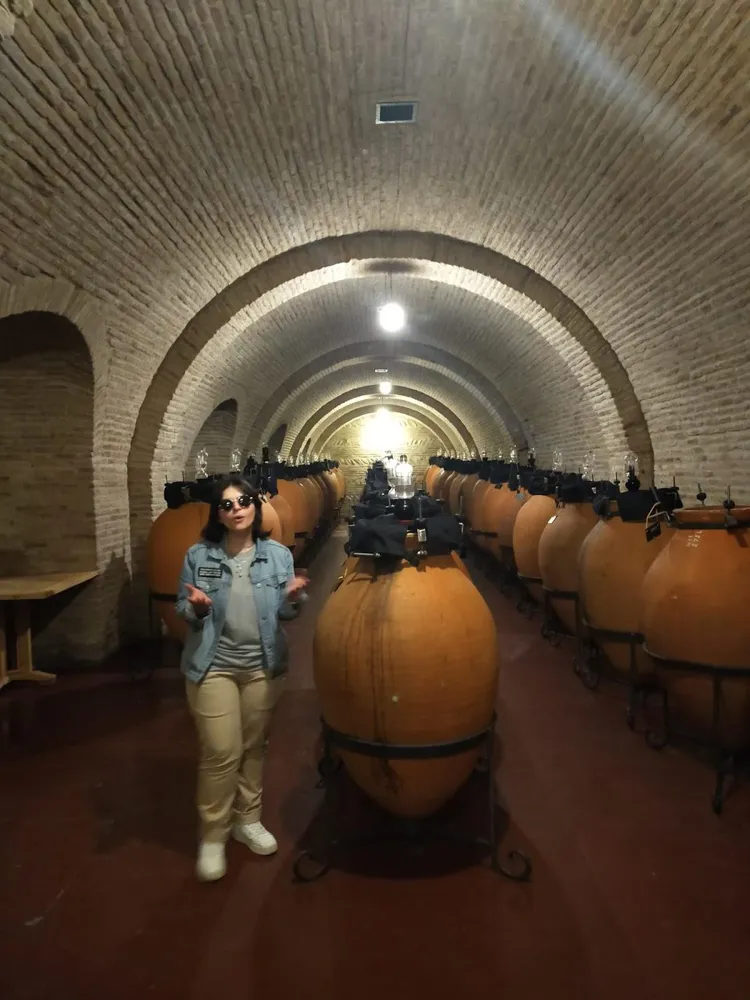
Modern amphorae are now sometimes above ground, as seen at Châeau Mukhrani in Georgia. (Photo: Peter Douglas)
Staying in Control
To reduce and control the amount of oxygen, there is no one-size-fits-all approach. Winemakers have a wide range of vessels to choose from and can even blend different types. Some prefer using 100% new oak, crafting wines intended to be enjoyed 10-15 years later, while others aim to enhance fruity aromatics for immediate enjoyment. The ultimate decision depends on financial implications and the desired wine style.
Peter Douglas