Loading page
ProWein 2025: Trends, Challenges & the Future of Wine Trade Fairs
4 minutes readMar 19, 2025Lotte Gabrovits
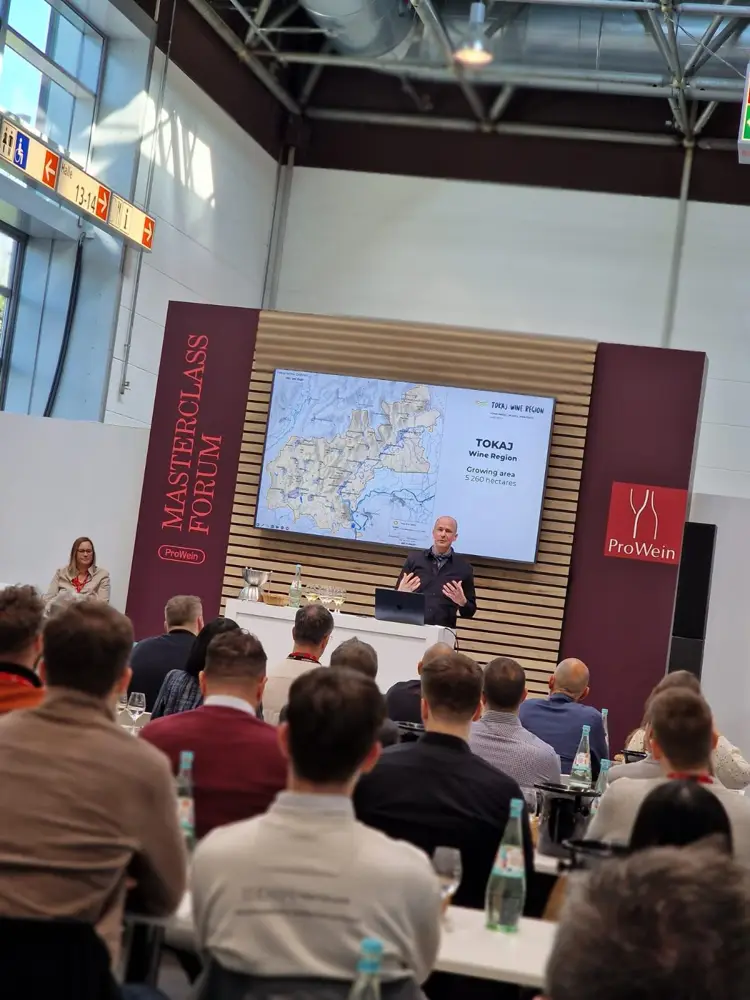
For years, ProWein has been the world's leading wine trade fair, a must-attend event for industry professionals seeking sustainable business opportunities. The three-day event kicked off on March 15 at Düsseldorf Messe and concluded on March 17.
ProWein 2025: A Snapshot of This Year's Event
This year, ProWein featured 4,200 exhibitors from 65 countries across eleven exhibition halls. Although key industry leaders participated, some major players like Wines of Australia did not make their way to Düsseldorf this year.
With approximately 42,000 trade professionals from 128 countries attending, the fair remains a significant industry event. Unsurprisingly, around 40% of attendees came from Germany.
However, the overall atmosphere felt mixed. Compared to previous years, attendance in the exhibition halls appeared more subdued.
The Challenges in the Global Wine Industry
The Challenges of Wine Branding
With high-quality wines from lesser-known wine countries like Armenia, Hungary, and Lebanon, differentiation is becoming increasingly difficult. Where does a brand find its unique selling point? How should producers adapt their messaging to engage consumers more effectively? As competition intensifies, wineries need to explore innovative branding, terroir-driven storytelling, and digital marketing strategies to set themselves apart.
The Decline in Global Wine Consumption
Is wine too complicated to reach a broader audience? Why is global wine consumption declining, leading to lower sales in both volume and value? Is this due to the WHO's 2023 statement on alcohol consumption, claiming there's no safe level, or is wine simply losing its allure?
Key Trends of ProWein 2025
Non-Alcoholic Wines - A Growing Market
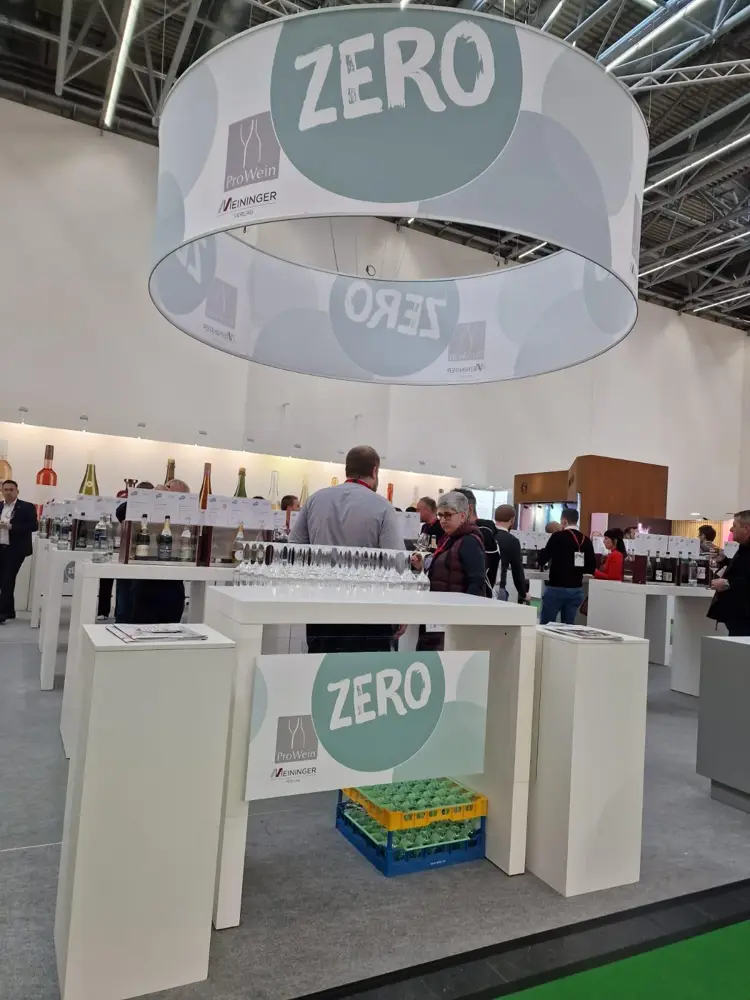
The Zero Zone, dedicated to non-alcoholic wines, emerged as one of the most visited sections at ProWein. This aligns with a broader global trend: according to industry reports, the alcohol-free wine market is projected to grow by 8.1% annually through 2028. Whether this shift is driven by consumer health consciousness or market forces remains debatable, but major brands are now investing in innovative alcohol-free wine alternatives to meet changing demands.
Spirits Are Gaining Momentum
However, the thriving ProSpirits section, with 500 exhibitors from 53 countries under the slogan ‘same but different,' suggests that alcohol itself remains appealing. They were booming, two of the loudest and busiest halls of the complete fair.
Is Wine Paris the New Competitor for ProWein?
Coming back to the attending performance, according to ProWein's official figures, this year, the leading wine trade fair saw a 28% decrease in exhibitors and an 11% decline in visitors, compared to last year. Many of the regular attending wine producers did not show up this year. Why?
Wine Paris, another international wine trade show, took place just a few weeks earlier, from February 10 to 12. Unlike ProWein, Wine Paris recorded yet another year of strong attendance growth. Many wine producers had already attended Wine Paris just weeks earlier, fulfilling their networking and business commitments.
Why spend hundreds and thousands on another wine fair in Europe, when Paris offers more accessible transportation, greater accommodation options, and a good reach to both European and international visitors
Still, for producers targeting the German market, ProWein remains an essential event. As for others, the evolving wine trade fair landscape will determine ProWein's relevance in the coming years. The atmosphere in general was very positive according to 94% of the visitors.
These were the key drivers of this year's ProWein trade fair and we will continue to watch out for the evolution of this fair with the next satellite event being held in Tokyo from April 15th to 17th. Want to stay on top of wine industry news and wine market trends? Stay tuned for more insights on VinoVoss.
Cheers,
Lotte Gabrovits
Share this article