Is Biodynamic Farming the Answer to Sustainable Winemaking?
Is biodynamic farming the secret to making wine more eco-friendly? Biodynamic farming is often thought of as the best way to be sustainable in wine making. This method is stricter than organic farming and helps reduce carbon emissions, making it more environmentally friendly, cost-effective, and socially responsible.
In this blog post we are looking in if biodynamic farming really is the key to sustainable wine making by looking at how it works in vineyards, its impact on the environment, and its role in wine cellars, as well as its commercial and social benefits.
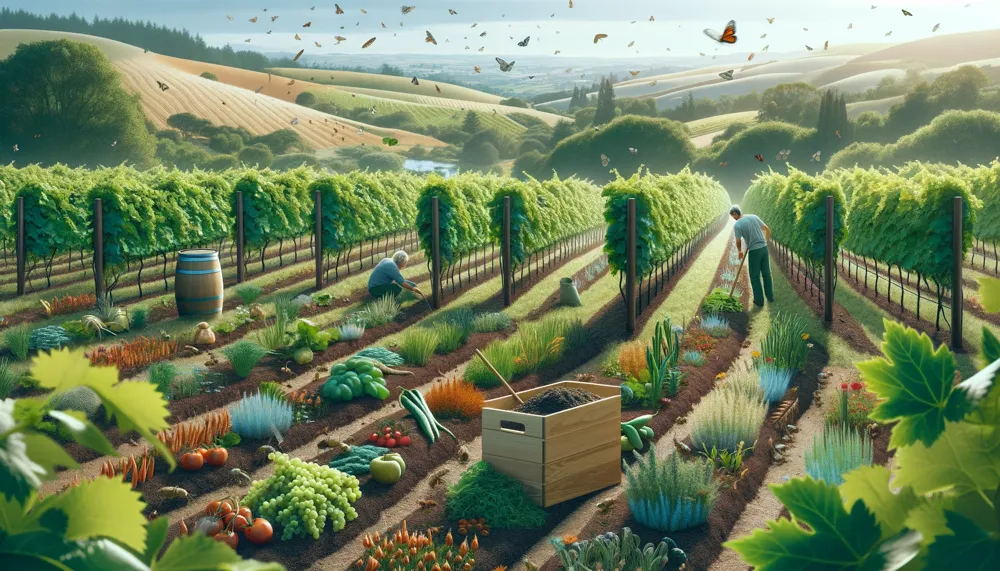
Biodynamic winemaking has strict rules. For example, it uses a special list of treatments like cow manure and silicia soil, and follows a lunar calendar. This limits the use of other sprays, which can affect grape quality and quantity.
In 2020, a vineyard in Penedes used too much copper spray and ended up with a big loss in their crop. This suggests that biodynamics is good, but there should be some flexibility for the vineyards to remain economical feasible. Using biodynamics as a guide, not a strict rule, can help make wine making more sustainable with less cost.
Restricted Benefits
Biodynamics also helps the environment. It uses methods like pest control, cover crops, and insect-friendly soaps to improve soil health and increase biodiversity. This helps capture CO2 and reduce global warming.
Many winemakers use biodynamics along with other methods to use fewer chemicals, save fuel and labor costs, and attract beneficial insects. This approach can make vineyards healthier and more balanced, reduce chemical use and carbon emissions, contributing to more sustainable wine production.
However, biodynamic methods are limited in the wine cellar. They don't focus on renewable energy or water recycling, but on using less sulfur dioxide, avoiding plastic, and using certified ingredients.
Large wineries focus on their own sustainability goals that go beyond traditional biodynamics. They think that while they follow biodynamic guidelines in the cellar, their sustainability efforts like solar panels aren't part of this. So, biodynamics alone doesn't necessarily lead to more sustainable wine production.
The Grass Is Not Always Greener On The Other Side
Biodynamics isn't always economically or commercially beneficial. Biodynamic wines can be more expensive to produce and don't always contribute to sustainable causes by donations. Wine lovers often care more about brand, price, and taste than biodynamic labels. Also, there's no rule against using heavy packaging, which can be less eco-friendly.
Lastly, biodynamics doesn't address social issues like fair wages, working conditions, and paid holidays. Fair trade certifications, like those in South Africa, cover these aspects and also focus on reducing carbon footprints. Some wineries, like Santa Rita Estates in Chile, go beyond biodynamics by offering education and healthcare to workers and their families.
Biodynamics isn't the complete solution for sustainable wine making. It's mainly about vineyard and cellar practices but doesn't fully address the entire production process. Following strict rules can lead to crop losses and higher production costs. While it can help biodiversity, it doesn't offer strong commercial benefits or address social responsibilities fully.
Peter Douglas