How COVID-19 Changed the Way We Buy Sparkling Wine
Last week, we looked at how COVID-19 changed our wine drinking habits. We focused on how restaurants have helped the recovery. We also discussed the rise of premium wines and the challenges pubs and bars face in boosting wine sales (Link).
This week, we focus on sparkling wines and Champagne. Sparkling wine, once reserved for special occasions, has emerged as a versatile choice for everyday enjoyment.
After COVID, the sparkling wine market has grown rapidly. It also faces new challenges, especially in important regions like the US and UK. This third article in our series explores the following:
- Sparkling wine is now enjoyed beyond special occasions.
- COVID globally transformed trends in sparkling wine.
- Millennials and local bubbles like English sparkling wine are key drivers.
1. Sparkling Wine in the US: Millennials Lead the Charge

Millennials are key consumers: spending more and exploring new styles
In the US, Millennials are driving the sparkling wine market forward. With their disposable income and adventurous taste, this group is trying new drinks. They are moving beyond traditional choices like Champagne and Prosecco. They are exploring lesser-known styles, pink rosés, and even low-alcohol options.
The International Wine and Spirits Record (IWSR) reports that over half of US sparkling wine drinkers try new styles. This trend shows that innovation is crucial for growth.
Sparkling wine is now for casual occasions, not just celebrations
The buzz from the pandemic has dwindled. Since 2022, the number of people drinking sparkling wine has dipped by five million.
However, Millennials are still the main group of consumers. Their spending is higher than the average sparkling wine drinker, especially in off-premise channels.
Post-pandemic stability has shown that sparkling wine is versatile. Nearly half of sparkling wine drinkers now see it as suitable for everyday occasions, not just celebrations.
Brand loyalty is declining, creating space for innovation
The US market is also seeing a shift in brand loyalty. New and innovative sparkling wine brands are gaining traction as consumers become more adventurous.
Prosecco remains a favorite for its affordability and appeal
Prosecco continues to dominate, but niche products like fruit-infused and pink sparkling wines are carving out space. Premiumization is a consistent trend, with Millennials willing to pay more for quality and unique styles.
2. Sparkling Wine in the UK: Local Bubbles Take the Spotlight
Sparkling wine consumption is still above pre-COVID levels
Like the US market, sparkling wine consumption in the UK has leveled off after rising during the pandemic. Millennials and Gen Z are changing the way we see sparkling wine.
They view it as an everyday treat, not just for special occasions. Following its peak in the pandemic, the consumption of sparkling wine has decelerated. Nevertheless, it still surpasses pre-pandemic levels.
English sparkling wine is growing fast
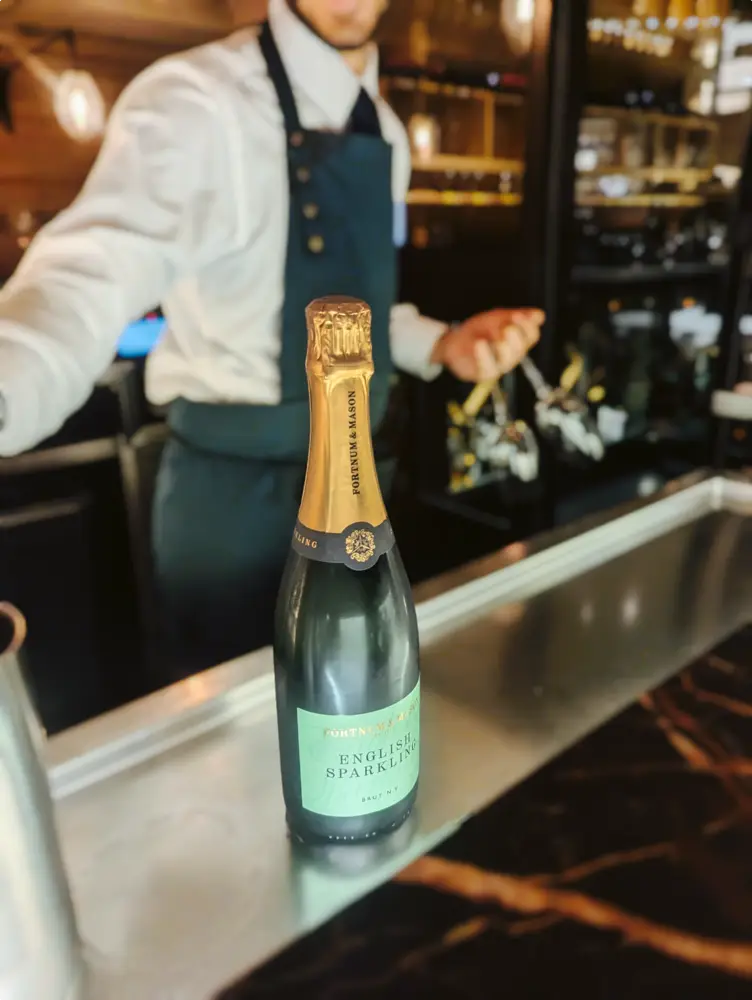
English sparkling wine has been a standout success. IWSR data shows double-digit growth for this category, which resonates strongly with younger consumers. People increasingly view English sparkling wine as a credible alternative to Champagne because of its quality, taste, and value. As younger buyers embrace its premium appeal, experts expect the category to continue expanding with its growing global recognition.
Crémant is popular for its quality and value
Similarly, crémant is gaining traction, offering high quality at a more accessible price than Champagne. These lesser-known bubbly wines have benefited from changing preferences for casual drinking events. They are expected to grow significantly in the next five years.
Health trends and no-alcohol options are shaping the market
Economic pressures and health-conscious choices are causing people to drink less. As the focus on moderation and health grows, consumption patterns are changing.
Non-alcoholic alternatives are becoming better in quality and easier to find. As a result, sales of non-alcoholic sparkling wine have increased significantly. We expect this growth to continue but at a slower rate in the coming years.
3. The Role of Premiumization and Innovation
One consistent trend across both the US and UK markets is the rise of premiumization. Consumers are drinking less but opting for better-quality sparkling wines.
In the UK, most sparkling wine sales are now in the super-premium and ultra-premium price ranges. This shows that people are willing to spend more for quality. They prefer fewer but more special drinking occasions.
Innovation is also shaping the future of sparkling wine. Millennials are leading the demand for new styles of wine. They prefer pink and rosé sparkling wines. They also like low-alcohol and low-calorie options.
Wrapping It Up
COVID-19 may have temporarily disrupted the sparkling wine category, but its long-term impact has been transformative.
As sparkling wine adjusts to post-pandemic life, producers have a chance to meet changing tastes. Whether it's a Prosecco for a casual night in, an English sparkling wine for a family celebration, or a pink bubbly for brunch, sparkling wine is carving out its place as a versatile and essential choice for modern consumers.
Stay tuned for the last article in this series. We will explore how the fine wine market is changing in this exciting landscape.
Krystal Wen