Flaws or Taste? How Natural Wines Divide Opinions

Low-quality wines often exhibit an imbalance between residual sugars and acidity or may present slight off-flavors. However, wines with a fruit-driven or easy-drinking profile, delicate body, or light intensity can still be of good quality if they adhere to their stylistic characteristics. This principle is true for both conventional and natural wines.
Natural wines are typically produced from organically or biodynamically grown grapes and are processed without additives. To prevent oxidation, white wines may undergo extended skin contact to increase tannin levels, which can last from days to months. Without the preservative sulfur dioxide (SO2), these wines may develop higher levels of microbiological activity, such as acetobacter, leading to vinegar-like aromas or nail polish remover-flavors known as volatile acidity. While natural winemakers often allow some volatile acidity to add complexity, excessive levels can result in off-flavors.
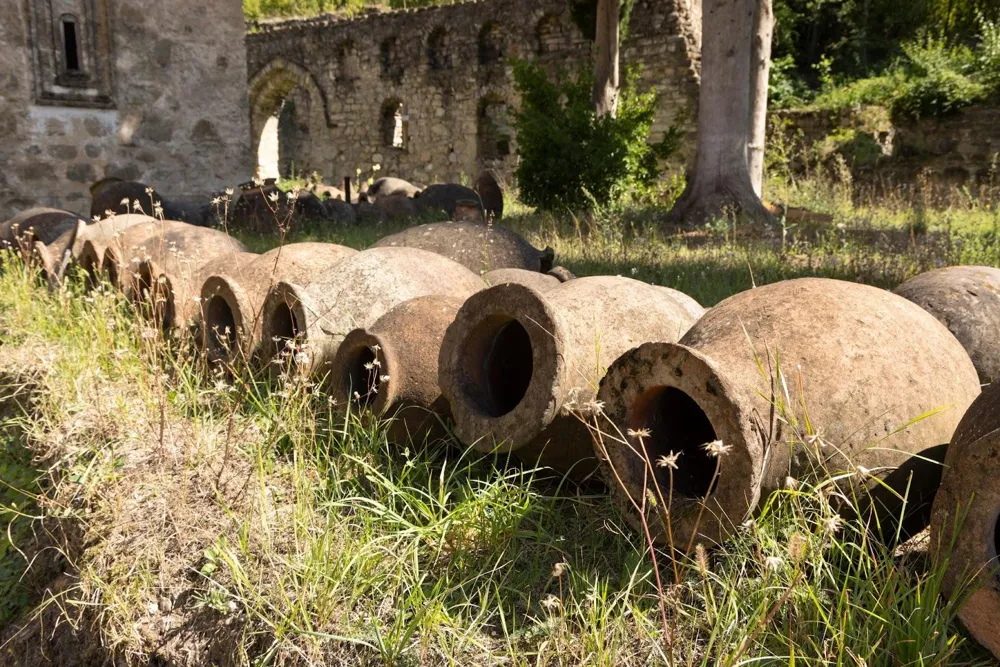
Additionally, natural wines may be less linear or fruity, as winemakers often use wooden vats and other traditional vessels that allow volatile fruit aromas to escape. This oxidation can lead to issues, such as the proliferation of Brettanomyces bruxellensis, commonly known as 'Brett,' which can impart aromas of band-aid, horse saddle, or wet dog. Although some winemaking techniques can manage Brett, excessive Brett aromas are typically considered a flaw.
The natural wine scene is largely composed of small-scale producers who have not yet established key international brands. Their limited production volumes make them difficult to access. In the natural wine community, tasting and evaluation are crucial, as there is no widely recognized certification or regulation defining 'natural wine.'
What one person perceives as a 'delicious flavor' may be an unacceptable 'off-flavor' to another, making it challenging to identify low-quality natural wine by label or origin. Some pét-nats may be too yeasty and cloudy, which may also be favored by natural wine lovers. As most natural wine producers operate outside of regulated bodies to express their creativity, wine drinkers must experiment and make individual judgments.
Since natural wine is a broad category produced internationally and operates outside conventional wine frameworks, its quality is often perceived as higher by enthusiasts. The majority of the community is deeply engaged, meeting in specialized wine bars and wine shops with dedicated distribution systems for natural wines. However, to the broader public and occasional wine drinker, natural wines may seem 'difficult' or 'challenging.' Their unique aromatic profiles can offer a new perception that some may see as lower quality compared to the flawless nature of conventional wines.
Peter Douglas