Cheers to The New Wave: 3 Key Trends in The Beverage Market 2025
The beverage industry is entering 2025 with both challenges and opportunities. Even as economic uncertainty continues, the market is experiencing promising changes driven by new consumer habits, emerging markets, and evolving sales channels.
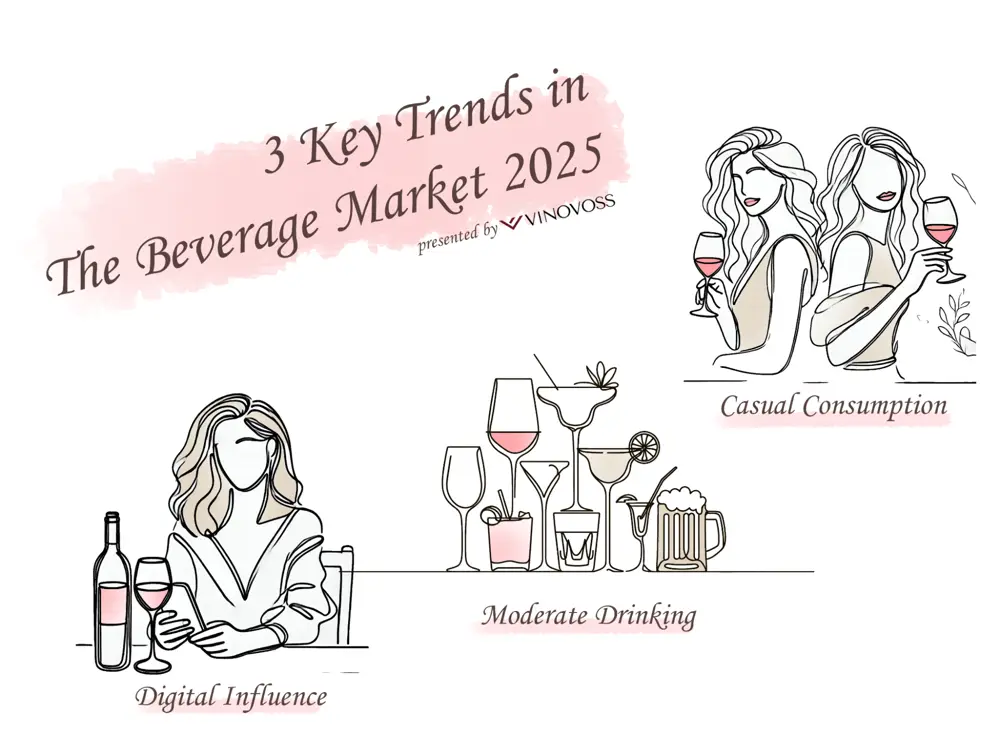
In this article, we will look at five key trends that are changing the wine industry. These trends make it easier to see what is driving market growth and change.
1. Embracing Moderation in Drinking Habits
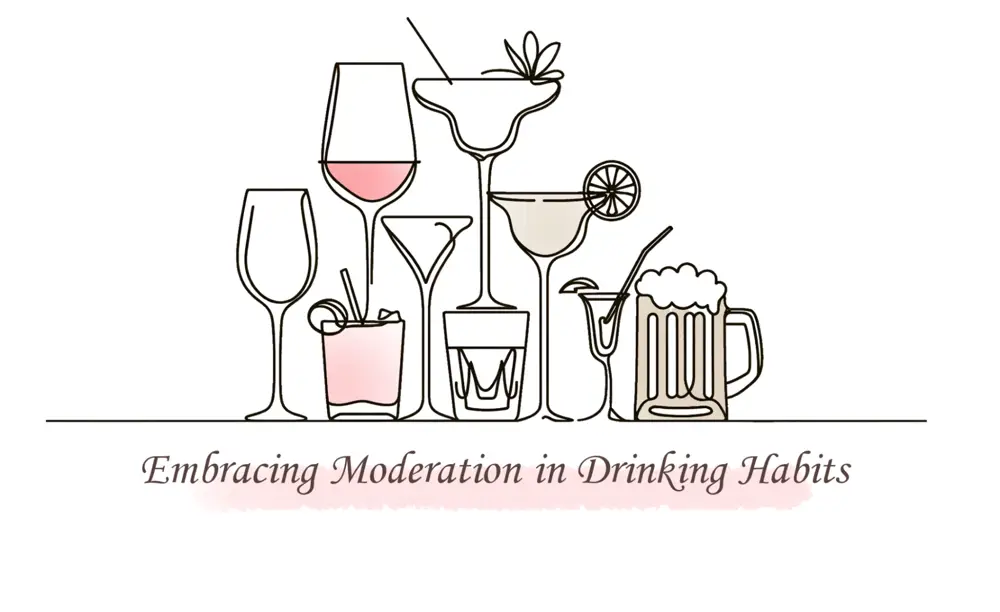
In recent times, managing alcohol consumption has turned into a widely adopted practice among consumers of all ages and from various regions. Despite a significant rise in total abstinence in 2023, this increase seems to have been a short-lived anomaly. By 2024, alcohol consumption has rebounded significantly—even among younger, lifestyle-focused individuals—though many are now choosing to moderate their drinking habits through more balanced approaches.
Under this “drinking in moderation” theme, here are the 4 strategies observed:
Lighter Consumption:
Consumers are increasingly turning to strategies that allow them to enjoy their favorite beverages while keeping consumption in check. One popular method is lighter consumption.
"Light" drinkers—those consuming alcohol less frequently or in smaller amounts— has grown significantly. In 15 key markets studied by Bevtrac, light drinkers now outnumber medium and heavy drinkers. This shows a clear shift towards moderation.
Temporary Abstinence:
Another emerging trend is temporary abstinence, such as Dry January. Many drinkers now choose to take planned breaks from alcohol. This is especially common among younger generations in emerging markets.
For example, 72% of wealthy drinkers in big Indian cities say they sometimes stop drinking. Similar trends are seen in South Africa, Mexico, and Brazil.
This strategy helps consumers maintain a balanced approach, enjoying alcohol in moderation without overindulgence.
Single-Category Occasions:
Many consumers now prefer to stick with one type of drink at events instead of mixing different beverages. This approach not only simplifies their choices but also naturally limits the overall volume of alcohol consumed. Recent data shows that, on average, the number of beverage types consumed on one occasion fell. It dropped from 2.4 units in 2023 to 1.8 in 2024 across these markets.
No/Low-Alcohol Growth:
The trend toward moderation is not just influencing traditional alcoholic beverages. The growing popularity of no- and low-alcohol products is reshaping consumption patterns as well.
In 10 key markets, the no/low-alcohol segment is expected to grow at a rate of 4% each year until 2028. The no-alcohol category will lead this growth with a strong 7% annual growth rate. This could add over US$4 billion in growth by 2028.
This surge is partly driven by new, younger consumers entering the market. They often buy more often and more intensely than traditional buyers.
In summary, moderation in drinking habits is now a mainstream phenomenon. Consumers have shifted their focus from extreme abstinence or overindulgence to a more balanced, thoughtful approach. By embracing lighter drinking, taking temporary breaks, and opting for single-category consumption, drinkers worldwide are not only enjoying their beverages responsibly but also contributing to the rapid growth of no- and low-alcohol products. This evolving landscape is setting the stage for a more sustainable and consumer-friendly market, where quality and moderation go hand in hand.
2. Casual Consumption Takes Center Stage
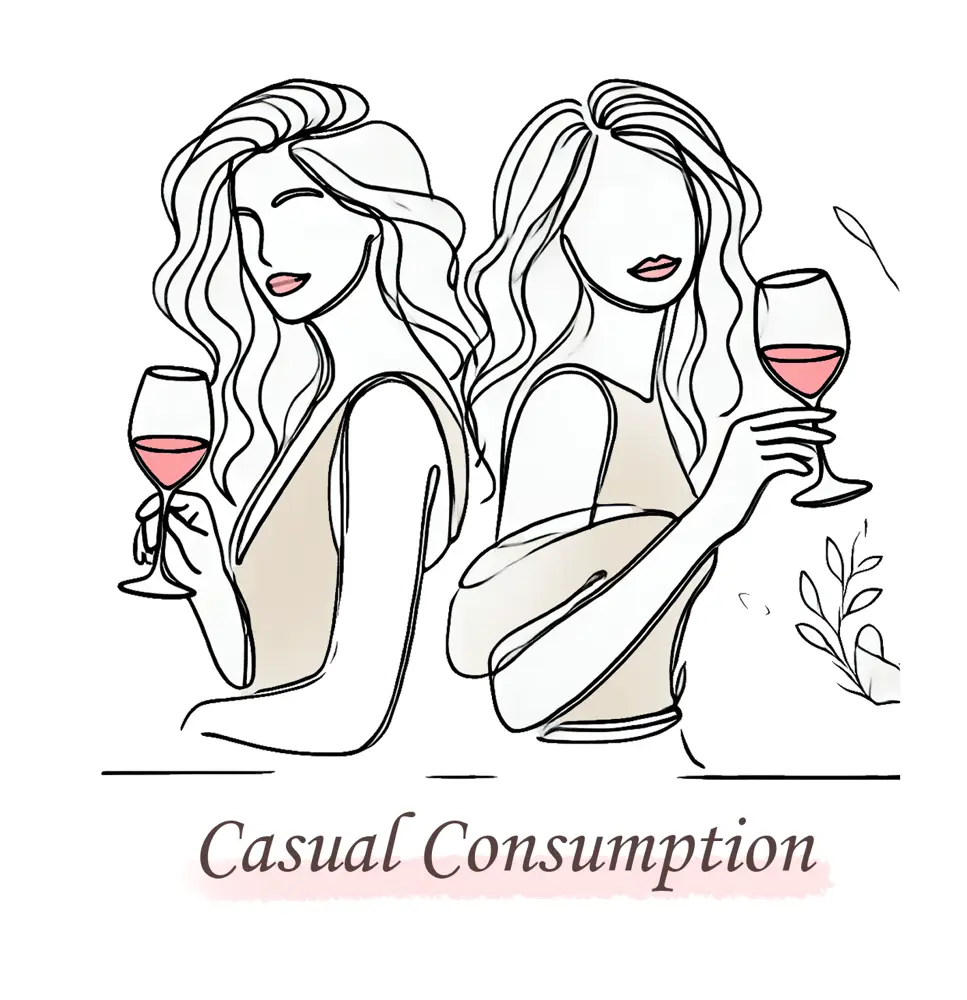
Traditional, formal drinking occasions are making way for more casual and spontaneous moments. Consumers are moving away from high-profile events and turning to everyday occasions like brunches, barbecues, and after-work gatherings.
Global and Regional Popular Beverage Categories:
Globally, this trend is particularly noticeable in categories such as rosé wine, Prosecco, bitters, and spirit aperitifs.
In the US, beverages like Prosecco and ready-to-drink (RTD) products have become favorites for informal occasions due to their cost-effectiveness.
RTD Market Growth:
RTDs continue to thrive as consumers seek convenience and quality. Despite slower growth compared to previous years, these products are expected to gain a larger share of the market.
Top RTD markets like Brazil, Australia, Germany, the US, and Canada are expected to grow steadily. Their compound annual growth rates (CAGR) will range from +3% to +6%.
In the US, RTDs were one of the top categories. They showed a 3% growth in volume from January to October 2024 compared to the same time in 2023.
Economic and Consumer Trends:
Economic constraints and shifting consumer priorities are prompting a move toward more affordable yet high-quality beverage choices. This “downtrading” trend is notable in markets where consumers seek versatility without overspending.
Casual consumption isn't limited to one region; it's a global trend that is influencing the beverage alcohol market everywhere. Ready-to-drink products, in particular, are thriving as they meet the needs of a generation that values convenience and quality without breaking the bank.
3. Evolving Purchase Channels and Digital Influence

Lastly, the way consumers purchase alcohol is changing. The rise of digital platforms has transformed shopping habits, blending the line between online research and offline buying.
On-Trade Revival
After years of disruption, on-premise wine consumption, at bars, restaurants, and pubs is recovering well. This is happening in key markets like the US, UK, and parts of Europe.
Digital Research
Before making a purchase, many consumers now conduct extensive online research. Digital tools, such as VinoVoss.com and VinoVoss App are now essential for buyers. They help with reading reviews, comparing prices, and exploring new products on brand websites.
Influence on In-Store Purchases
This digital research trend is now influencing in-store behavior. Shoppers use their smartphones to compare products and prices even while standing in a physical store, ensuring that digital insights guide their offline decisions.
As these channel shifts continue, companies in the beverage alcohol industry must adapt by strengthening their digital presence and integrating online strategies with traditional retail.
In Conclusion
Despite the economic uncertainties that may persist in 2025, the beverage alcohol market is full of opportunities. From a move towards moderation to the rise of casual consumption, and evolving digital purchase channels—these trends are shaping a dynamic and resilient industry. By understanding these changes and adapting to them, producers and retailers alike can navigate the challenges ahead and capitalize on new growth opportunities in a rapidly evolving market.
This friendly, easy-to-understand look at the key trends not only informs consumers but also provides valuable insights for industry stakeholders aiming to thrive in 2025.
Krystal Wen