Alternative Packaging: Not All That’s Light is Better
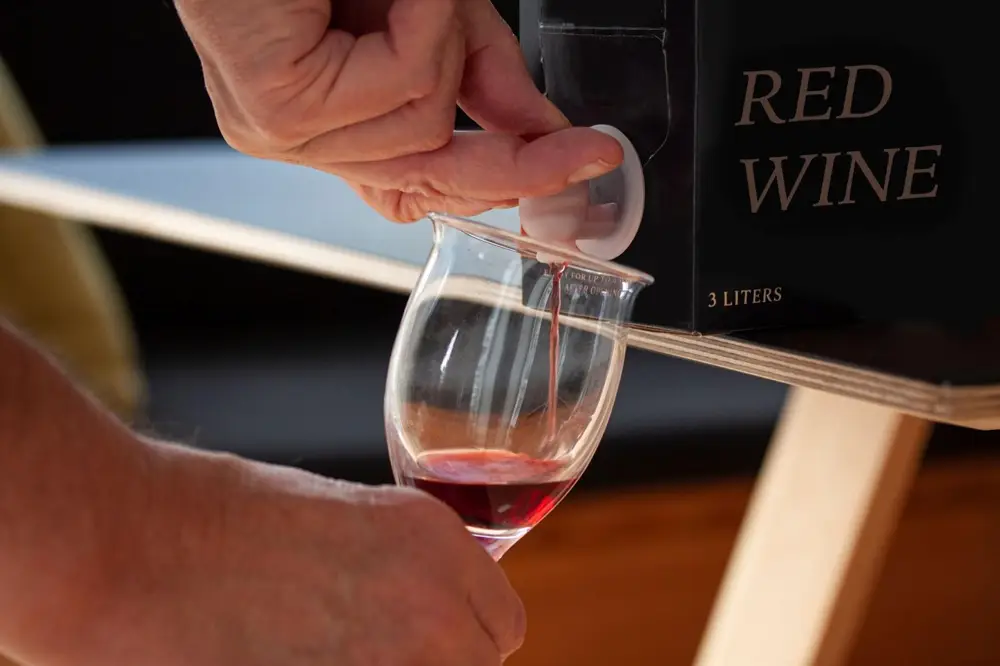
“The best wines come in glass bottles.” It's a familiar saying, and there's truth to it—up to a point. But not all wines come in glass, and what's considered “best” is subjective. Producers today are offering wine in various formats, from traditional Bag-in-Box (BIB), PET bottles, and Tetra Paks to newer, lightweight options like aluminum cans, paper bottles, and pouches.
Sustainable Advantages
Glass bottles come with the highest environmental impact. Producing glass is energy-intensive, recycling requires specialized facilities, and transporting glass bottles burns more fuel due to their weight. On the upside, glass is endlessly recyclable, and recycled glass retains its original virgin quality.
Melting recycled glass is significantly less resource-intensive than processing from scratch, as it melts at a scorching 1,600°C/3,000°F. That's hot!
Alternative packaging options like the paper bottle, launched by Frugalpac, offer intriguing solutions. The Frugal Bottle weighs just 82 grams, making it five times lighter than the average glass bottle. It uses up to 77% less plastic than standard plastic bottles and is made from 94% recyclable paperboard.
These features not only reduce the energy required for production but also lower emissions during transport. Yet, for these alternative formats to succeed, wine drinkers must accept a shift in how wine is packaged.
Combining Sustainability Efforts
Every great wine brand tells a story. ‘When in Rome,' the UK's leading sustainable wine brand, exemplifies this by pairing innovative packaging with a commitment to sustainability. Their B-Corp certification highlights not only their environmental initiatives but also their broader social impact. By adopting alternative packaging and measuring their carbon footprint, they show how combining sustainability credentials with forward-thinking design can help tackle the wine industry's environmental responsibilities.
Not All Wines Suit the Packaging
While alternative packaging offers exciting possibilities, it isn't ideal for every wine. Most wines—according to market research—are consumed on the day they're purchased, making them well-suited to formats like cans, pouches, and PET bottles. However, wines intended for long-term aging still rely on glass, which acts as a neutral barrier, preventing oxygen from interacting with the wine over time.
In contrast, materials like Bag-in-Box, Tetra Paks, and PET bottles have a higher oxygen transmission rate (OTR), allowing small amounts of oxygen to permeate the packaging. To counteract this, winemakers often add more sulfur dioxide (SO₂), a preservative that helps keep the wine fresh. Similarly, some wine styles, such as sparkling, white, or rosé wines with low pH, can chemically react with the lining in aluminum cans. This reaction can produce hydrogen sulfide (H₂S), leading to off-putting aromas like rotten eggs or cheesy feet.
The Cost of Perception
Alternative packaging can also significantly cut costs. A heavy glass bottle of Primitivo might weigh over two kilograms, with the glass alone costing around $3. By comparison, a paper bottle of the same volume costs half—or even less. However, perceptions of quality often lean toward heavier bottles, creating a psychological link between weight and value.However, a poor-quality wine in a heavy bottle is still a poor-quality wine.
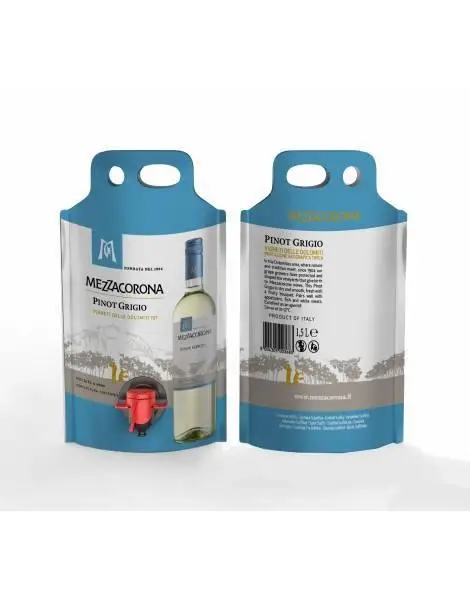
Brands like ‘Bijou,' which focuses on fresh, delicate rosé in lightweight pouches, or Italian Pinot Grigio from Mezzacorona in innovative formats, are proving that alternative packaging can deliver value without compromising on taste or lifestyle appeal.
More Chances to Drink!
Alternative wine packaging opens up new opportunities to enjoy wine in places where glass bottles are off-limits. Beaches, festivals, and outdoor events often ban glass for safety reasons, but lightweight, shatterproof packaging like cans, pouches, Bag-in-Boxes and PET bottles offers a convenient solution. These formats are not only easier to transport but can also be brought directly onto premises, letting you enjoy good-quality wine wherever the moment takes you.
Single-serve options in pouches and cans add another layer of practicality. They make portion control simple, helping you enjoy wine responsibly without the commitment of opening a full bottle.
While traditional glass bottles will always hold their place for age-worthy wines like Champagne or premium reds requiring long-term cellaring, alternative packaging is making its mark. It's a fresh, flexible approach that brings quality wines to more settings and occasions. Wherever you go, there's now a better chance your favorite wine can go with you.
Peter Douglas