Celebrating World Moscato Day on May 9th
Few grape varieties offer the diverse array of styles and international appeal as Moscato does. Its origins can be traced to antiquity and since then it has captured the hearts of numerous winegrowers and enthusiasts worldwide.
Its hallmark features include beautiful orange blossom notes accompanied by hints of lime and grapefruit aromas. Generally characterized by a low to moderate alcohol level, Moscato wines can range from still to semi-sparkling, sparkling, sometimes featuring residual sugar.

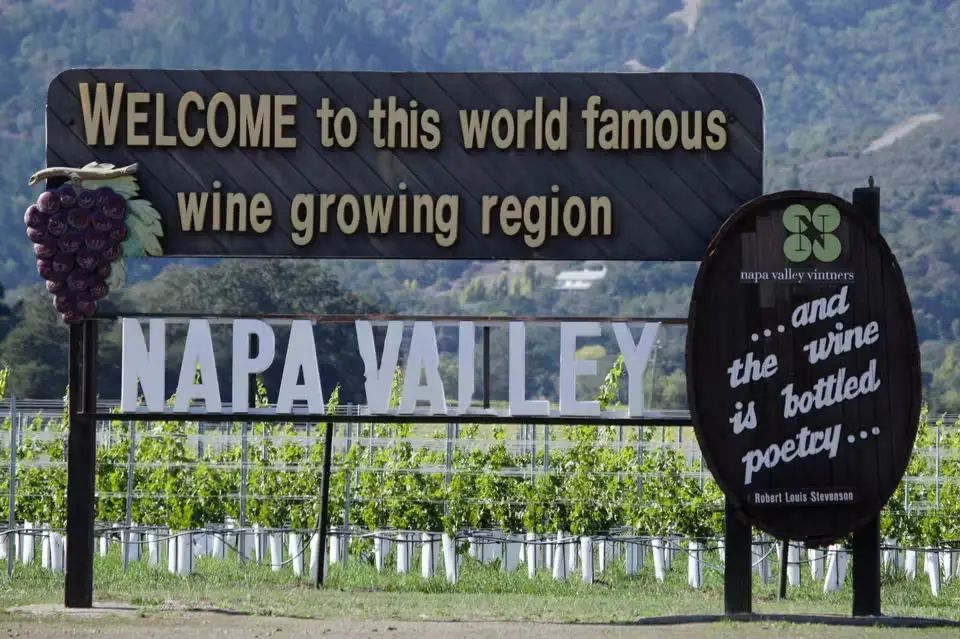
A variety, which is as diverse and counts as one of the oldest grape varieties in the world, has a relatively short history of its National Moscato Day. It was originally founded by Gallo Family Vineyards in 1933, promoting its white wines in the United states.
Part of the expansive Muscat family, which rivals the likes of Pinot or Sauvignon, Moscato is known by different names such as Cataratto, Muskateller, Muscat, or Moscato, and can also be identified by appellation names like Samos.
To commemorate this versatile variety, we present an exploration of various Moscato wine styles for you to explore.
Asti Spumante
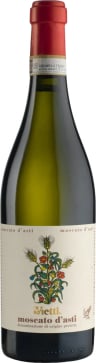
Arguably the most renowned sweet sparkling wine globally, Asti Spumante, can be found in nearly every corner of the world. The grapes are handpicked just before reaching peak maturity to ensure sufficient sugar levels and a high fresh acidity.
Following crushing, they undergo cold processing to maximize their fruit aromas. Fermentation is halted under high CO2 pressure and resumed as needed, resulting in a consistently fresh wine year-round—a hallmark of its international acclaim. With a final alcohol content ranging between 6-9%, it's a perfect choice for desserts or aperitifs. Its hard to say no to a bottle of sparkling Moscato.
The French Connection
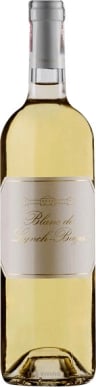
In France, Moscato is commonly referred to as Muscat. It is featured either as a single variety expression in Alsace or as part of a blend in Bordeaux, where it enhances floral notes. In Alsace, it presents a fuller-bodied floral style compared to the lighter Muskateller in Germany, particularly in the Pfalz region.
In Bordeaux, it plays a special role as a minor blending partner, adding complexity to the blend. Whether in sweet wines like Sauternes, where it contributes sweetness and bright acidity, or in dry expressions, enhancing floral notes, Moscato adds its unique touch.
The Powerhouse
For those seeking a robust expression, France offers a range of fortified Moscato wines. From Corsica's Muscat du Cap Corse to the Rhônes Beaumes de Venise, these wines offer pristine grapefruit and floral notes, coupled with high sweetness and a light oily texture. Such dessert wines are excellent choices for food pairing opportunities.
Going International
Today, Moscato stands as one of the most popular grape varieties, cultivated across the globe. Particularly in the US, it is featured in prominent brands such as Barefoot and others. Affordable and easy to drink, Moscato wines are often the go-to choice for casual events.
The Extended Family
While not precisely Moscato, the red variety Rosenmuskateller or pink moscato, is part of the family. It produces bright rosé-colored wines with floral notes and a light body, occasionally found in Alto Adige.
Peter Douglas