The Smokiness in Wine Explained
There's a plethora of words to describe wine: fruity, floral, earthy, oaky, mineral. Smoky is one of them. You might have tasted a red wine with notes reminiscent of smoked meat, a white wine with hints of gunpowder, or even a wine with subtle charred wood or ashy nuances. The smoky notes in wine are distinctive and hard to miss. Some people love them for the unique flavor that adds character and complexity, while others prefer wines with cleaner, fruitier, or more floral profiles. Nonetheless, smokiness is a common characteristic in wine and something worth understanding.

Where Does Smokiness Come From?
Grape Variety and Oak Aging
Most smoky notes in wine are a result of winemaking techniques, particularly oak aging. Oak barrels often impart toasted, spicy flavors to wine, and with certain grape varieties and styles, these flavors manifest as distinctive smoky notes.
Sauvignon Blanc and Its Smoky Variants
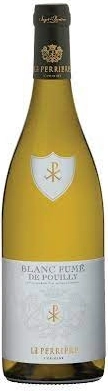
Sauvignon Blanc is generally known for its crisp, herbaceous, and exotic characteristics. However, certain styles of Sauvignon Blanc have a distinctive smokiness. Sancerre and Pouilly-Fumé in the Loire Valley are made from 100% Sauvignon Blanc, usually aged in oak barrels and on lees. The flint or gunpowder flavor is a signature note of these wines.
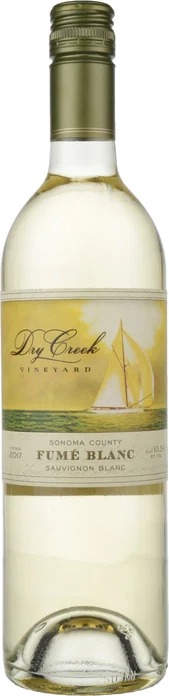
In the U.S., an oak-aged Sauvignon Blanc style called Fumé Blanc was pioneered by Robert Mondavi in the 1980s. The term "Fumé" means "smoky" in French, and Mondavi created this style as a tribute to the old-world Sauvignon Blanc wines of Sancerre and Pouilly-Fumé. Like its French counterparts, Fumé Blanc is oak-aged and often aged on lees, hence the smoky notes.
Other Smoky White Wines
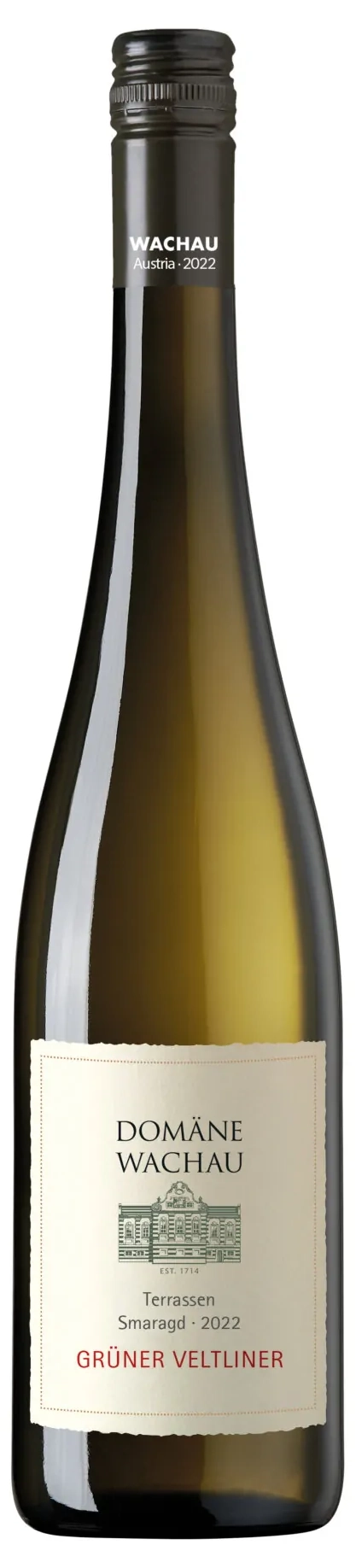
Apart from Sauvignon Blanc, Grüner Veltliner is another white grape variety that can exhibit smoky characteristics, particularly in richer Smaragd styles or skin-contact (orange wine) versions.
Smoky Red Wines
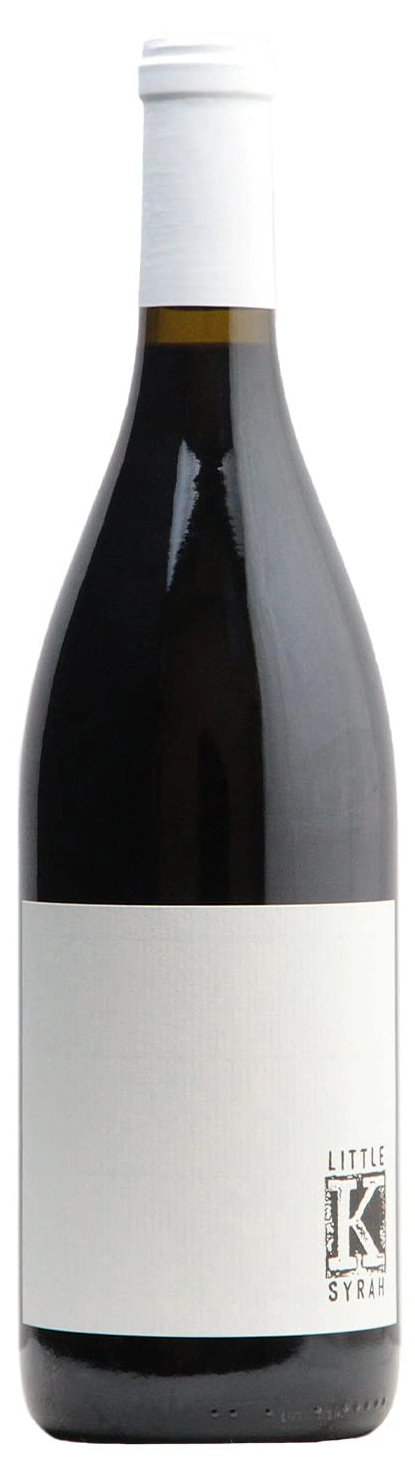
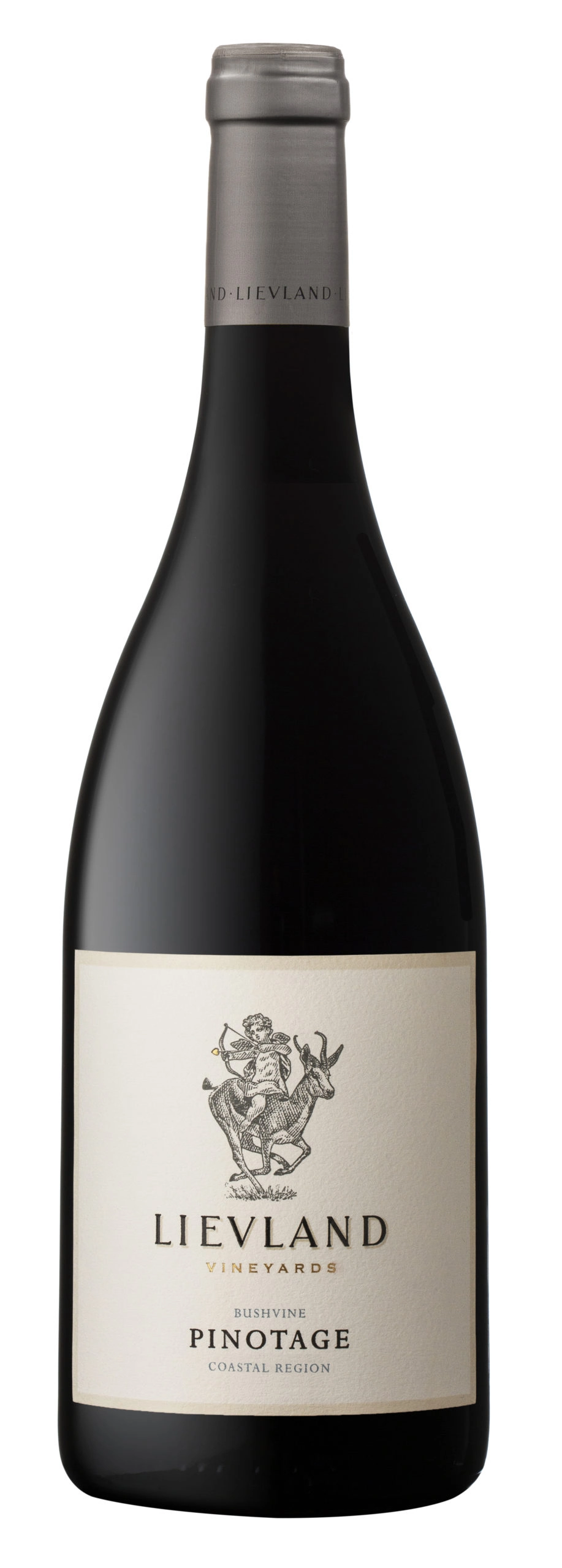
In red wines, Syrah is commonly associated with smokiness. A Northern Rhône Syrah often exudes aromas of smoked meat and charred wood, while a Columbia Valley Syrah provides a similar profile with a New World twist. South African Pinotage is another excellent example, known for its bold, smoky, and slightly ashy notes that set it apart from other reds.
Terroir
Terroir, or a wine's origin, plays a vital role in shaping its flavor profile, and smokiness is no exception. Wines from volcanic regions often carry smoky or mineral undertones, influenced by the volcanic soils.
In Mount Etna, Sicily, Italy, wines made from Nerello Mascalese frequently showcase flavors reminiscent of volcanic ash, adding smoky complexity. Similarly, wines from the Canary Islands in Spain, such as those made from Listán Negro, often have ashy notes that can be described as mineral or smoky. These terroir-driven characteristics make such wines truly unique.
But What About Smoke Taint?
Can smoky flavors in wine also come from smoke taint? The answer is yes. When vineyards are exposed to smoke from wildfires or controlled burns, the resulting wines can exhibit smoky, burnt, or ashy flavors. This phenomenon is caused by elevated levels of volatile phenols and phenolic glycosides absorbed by the grapes.
Regions like California and Australia, which are prone to wildfires, often face challenges with smoke-tainted wines. While excessive smoke taint is considered a flaw, a subtle hint of smokiness—especially in wines like Pinot Noir—can sometimes enhance complexity. However, winemakers must carefully manage this issue to prevent overpowering flavors.
Smoky Wine, Smoky Food
One of the golden rules of food and wine pairing is to match flavor profiles, and smoky wines are no exception. Oaked Sauvignon Blanc or Grüner Veltliner pairs beautifully with smoked fish or creamy smoked salmon pâté, their smoky undertones complementing the delicate, savory richness of these dishes. For heartier fare, a Northern Rhône or Columbia Valley Syrah is an excellent choice to accompany grilled meats, sausages, or barbecue, as its smoky, meaty flavors echo the charred notes of the food.

If you're in the mood for something smoky yet elegant, a Californian Pinot Noir or an Etna Rosso offers a perfect pairing with pastrami, smoked duck, or even a platter of smoked cheeses. Meanwhile, South African Pinotage, with its robust smoky character, shines alongside barbecued lamb or smoky eggplant dishes.
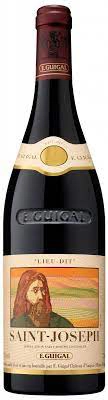
Here are some smoky wines we picked for you to explore and enjoy:

Sylvia Ba