Small Production Boutique Wines vs. Commercial Wines
Which One is Better?
You may encounter a sommelier passionately recommending a two-acre, family-run, garage wine from California, or see a wine shop proclaiming, ‘We only sell handcrafted, small production wines from Europe.'
In the vibrant and diverse world of wine, a spirited debate continues to swirl among wine professionals and wine lovers: are small production, boutique wines superior to big brands and commercial wines?
While big brands are better known and well trusted, boutique wines offer authenticity, individuality, and a deep connection to the terroir. So, which one truly stands out as the better choice for wine lovers?
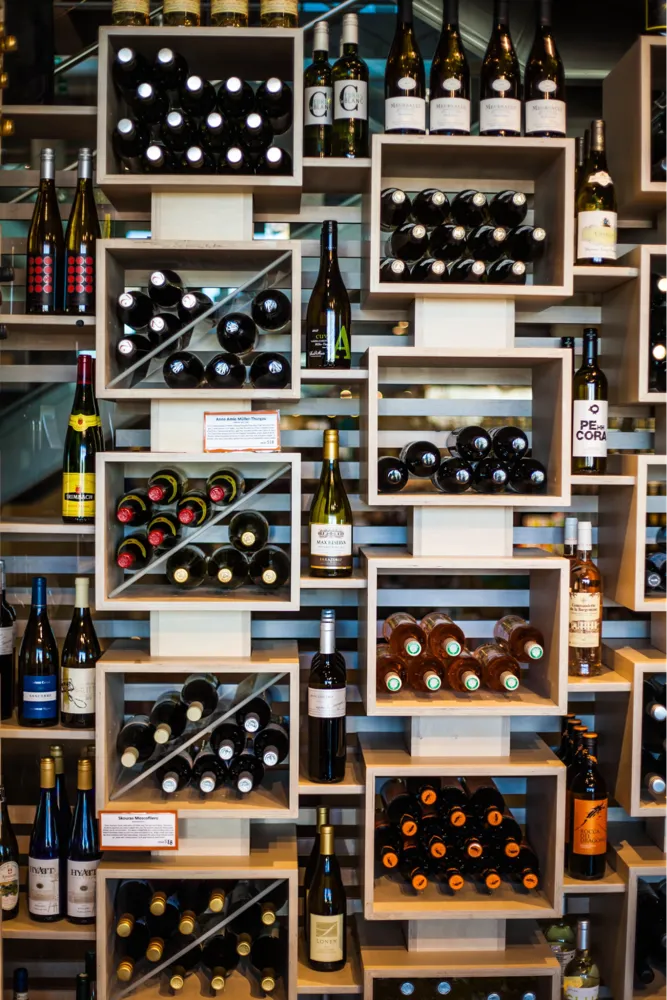
Small is Beautiful
Small-scale wineries, often referred to as boutique wineries, typically produce between a few hundred and 20,000 cases per year. These wineries are often family-owned and operated, with a hands-on approach to winemaking. The owner frequently doubles as the winemaker, oversees the whole production process from the vineyard to bottling, and is often involved in the sale of the wine.
In French, this is called ‘vigneron'. The operations are usually labor-intensive, with meticulous attention paid to vineyard management and winemaking processes. This small-scale approach allows for greater experimentation and adaptation to the unique characteristics of each vintage.
Big is Useful
In contrast, commercial wineries operate on a much larger scale. Giants like E. & J. Gallo, which produces over 75 million cases annually, dominate the market. These wineries employ large teams of professionally trained viticulturists, oenologists, and marketers.
Their operations are highly mechanized and standardized to ensure consistent quality and high efficiency. With substantial budgets for research and development, commercial wineries can invest in the latest technology and innovations in winemaking.
Who Produces Better Wines?
Commercial wineries benefit from a wealth of resources. Their teams often include experts with extensive formal training in viticulture and oenology. This professional expertise, combined with significant investment in R&D, allows for consistent and reliable wines. Big brands can control the winemaking process meticulously, reducing vintage variation and producing a uniform product that meets market expectations.
On the other hand, small wineries, while sometimes lacking in formal training, often compensate with deep-rooted experience and passion. These winemakers have an intimate relationship with their vines and a profound understanding of their terroir. This connection can result in wines that express a distinct sense of place, with unique flavors and characteristics that may vary from vintage to vintage. While this variability might be seen as inconsistency by some, others view it as a reflection of the wine's authenticity and individuality.
Big brands in the wine industry often prioritize meeting consumer preferences and market trends for widespread appeal and commercial success. In contrast, small production and boutique wineries place a higher value on terroir and the winemaker's vision. While they may adapt to market trends to some extent, they hold dedication to preserving the authenticity and integrity of their wines, valuing the terroir above all else.
Small Production Wines Offer Better Value?
Some argue that small production wines offer better value than big brands because they don't spend hundreds and thousands of dollars on marketing. This holds some truth, but it's not universally applicable. For entry-level wines, big brands typically provide better value. They produce wines at scale using modern equipment for winemaking which cuts the cost of each bottle. Additionally, the sales cycle for entry-level wines is short, as they require minimal aging and are intended for immediate consumption. Examples like Barefoot and Kendall-Jackson showcase consistent, enjoyable wines at budget-friendly prices.
However, the story changes when it comes to more premium wines. Small production wines offer greater value as you are paying for quality rather than just a name. Similar to other luxury goods, fine wine commands a high price due to prestige, brand, and scarcity. The cost of small production wines reflects labor-intensive processes and the high quality of grapes used, without substantial investments in massive marketing campaigns. Conversely, while flagship labels or top wines from big brands incur high production costs, consumers often pay for the brand and recognition. This makes boutique wines a more compelling choice for those seeking to invest in a superior wine experience.
Which One to Choose?
The choice between small production boutique wines and big brand commercial wines ultimately depends on personal preference and the context of the wine purchase.
Supporting Small Businesses
If you value supporting small, family-owned businesses and appreciate wines that tell a unique story, boutique wines are a rewarding choice. They offer the chance to explore different expressions of terroir and the winemaker's vision. Drinking boutique wines can also be a more intimate experience, connecting you to the place and people behind the wine.
Availability and Consistency
However, if you prefer the convenience of finding a reliable bottle at your local store and value consistency, commercial wines are ideal. Big brands provide a dependable product that you can trust to deliver the same quality every time. This reliability is especially valuable for everyday drinking or when hosting events where a consistent experience is desired.
In the end, both small production boutique wines and big brand commercial wines have their own merits. Boutique wines provide a unique, artisanal experience with each bottle telling its own story, while commercial wines offer reliable quality and convenience. Your choice depends on what you value more in your wine journey. Don't be afraid to explore both worlds—discover the charm of a small production wine full of personality or enjoy the dependable pleasure of a familiar big brand. Each offers its own delight, and the joy of wine lies in the diversity and exploration.
Sylvia Ba