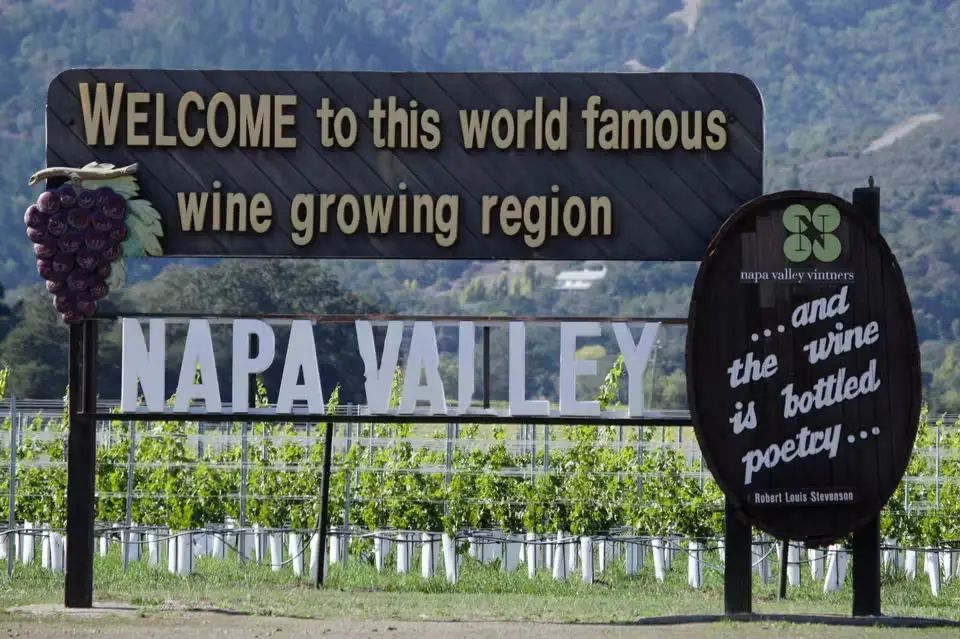
Selecting Wines at the Shops
Standing in front of a wine shelf at the supermarket or specialist store, it can be a quite daunting experience. French wine labels, creative acronyms, and a wide variation of price points and colors — it's no wonder that a famous consumer panel once received positive feedback from British consumers, stating that planning and booking a holiday is easier than selecting a bottle of wine.
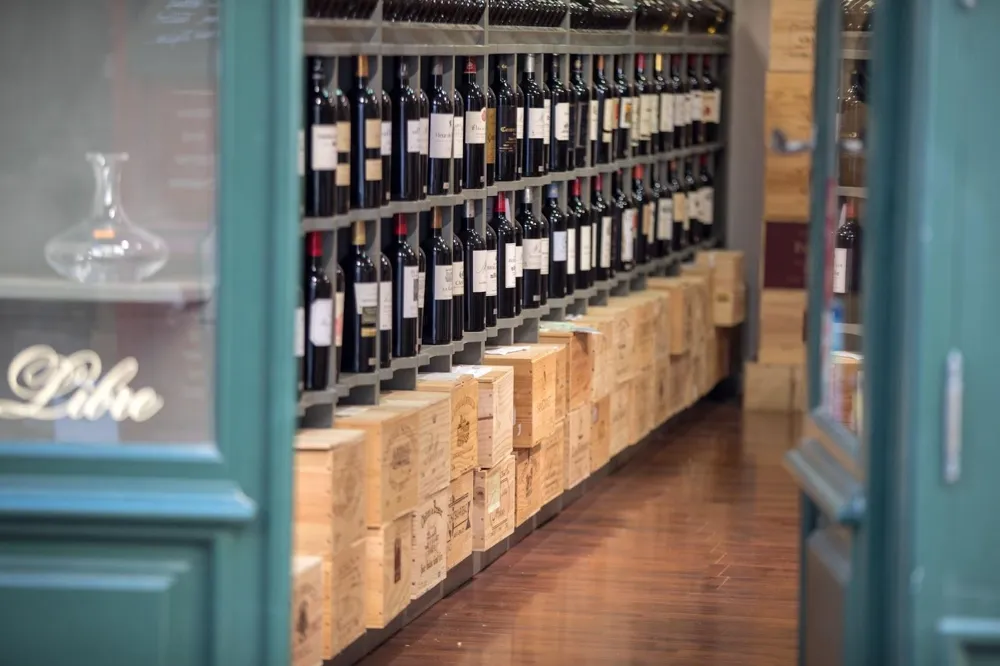
Sometimes, us wine lovers need the bottle of wine right now. It can't wait, as spontaneous visitors are arriving soon. The selection in supermarkets is immense and can be broken down into rough segments, helping you make an informed decision on the your next purchase.
Purchasing Wine by Price and Label
The most common and classic approach to selecting wine is setting a budget and looking for a label you like. If it tastes good, it has a chance to become your “go-to” wine.
Here are some basic wine terms to keep in mind:
- Château: This French term means castle, but in the context of wine, it refers to an estate.
- Maison: The opposite of Château, Maison indicates that the grapes may have been purchased. Purchasing grapes is a normal process for winemakers.
- Cabernet and Pinot Something: These refer to grape varieties. Key grape varieties include Sauvignon Blanc, Cabernet Sauvignon, Pinot Grigio, and Pinot Noir.
- French labels: They have a special place in people’s heart. They often appear complicated, are challenging to pronounce, and are commonly associated more expensive. When purchasing a wine to impress, opting for a French label can elevate the purchase in terms of appearance.
- Heavy bottles: A common misconception is that heavier bottles indicate better quality. However, the weight of the bottle does not necessarily reflect the quality of the wine inside. The quality is determined by what the winemaker puts into the bottle. Additionally, there are excellent wines available in light glass, cans, bag-in-boxes, and other formats.
- Wine terms: Terms like Grand Cru, Premier Cru signalize a high quality wine. Premium regions like Bordeaux, Côtes du Rhône or Burgundy are more superior than their Vin de Pays or Vin de France counterparts.
Selecting by Color
Deeper, darker, and heavier—color does not always equate to quality in wine. The darkness of the wine does not necessarily reflect its overall quality. A pale rosé wine, for instance, can exhibit higher quality than a deeply extracted dark rosé. True quality is derived from the delicate balance between acidity and dryness, the expression of aroma, and, of course, your own personal taste preferences.
If you believe that darker wines taste superior, then for you, that preference is indisputable.
Selecting by Country
In the wine aisle, bottles are typically sorted by country or region, with the most common countries being the United States, France, Italy, Spain, and perhaps a touch of Portugal or Germany.
It's noteworthy that, as a rule of thumb, not all wines are dry. It's worthwhile to check the back label for information on sweetness levels. Some producers are very specific about the dryness of their wines.
If you prefer to take your time and browse wines at your own pace, whether on your mobile phone or computer, VinoVoss is here for you. Our search engine allows you to filter wines based on your favorite flavors, special occasions, or even by region. Whether you're seeking a bold red for a dinner party or a crisp white for a summer picnic, VinoVoss makes it easy to find the perfect bottle to suit your preferences.
Peter Douglas