Is Burgundy Really That Complicated?
For many wine lovers, Burgundy seems like the ultimate paradise. It's home to some of the most expensive wines in the world, and if you're new to the region, it can seem a bit intimidating. You might overhear wine connoisseurs talking about Clos Saint Denis as if it's part of a secret society, or tossing around terms like terroir and climat with an air of condescension. But let's take a step back—is Burgundy really that complicated?
The good news is: not really. While the names of the villages and vineyards may seem unpronounceable at first glance, knowing some basics will help you better understand Burgundy wines. And once you do, you'll be ready to explore Burgundy without feeling lost.
Burgundy's Wine Style: It's Simple
First things first—when we talk about Burgundy, we're mostly talking about still wines. Unlike some regions that produce a wide array of wine styles, Burgundy keeps it pretty straightforward. You've probably heard of red Burgundy and white Burgundy. That's the heart of it.
Sure, there's a bit of rosé produced here and there, and Burgundy is also home to Crémant de Bourgogne, a sparkling wine made using the traditional method (think of it as a cousin of Champagne). But for the most part, Burgundy is all about its reds and whites.
Burgundy's climate is continental, meaning it experiences hot summers, cold winters, and dramatic shifts in temperature. This cool climate gives Burgundy wines their elegant, balanced character. Instead of bold, fruit-forward flavors, Burgundy wines are known for their subtlety, finesse, and refined complexity. Oak barrels are widely used for aging the wine, but Burgundy wines are rarely “oaky.” The influence of oak is there but more in the background, adding texture and depth rather than overpowering the wine.
The Grapes: Pinot Noir and Chardonnay – The Royal Couple
When it comes to grape varieties, Burgundy is all about Pinot Noir and Chardonnay, unlike some wine regions in Italy where you will find more than 50 indigenous varieties that produce wines with different flavor profiles. These two grapes are the king and queen of the region. If you're drinking red Burgundy, it's made from Pinot Noir. If it's white Burgundy, it's made from Chardonnay. And that's about 95% of what you need to know. Of course, there are a few exceptions, like Aligoté, a lesser-known white grape that makes refreshing, crisp wines, or Gamay, the main grape of Beaujolais, used in some regional blends and labels outside of the appellation. But overall, Burgundy is focused on its two stars.
Let's take a moment to thank the Duke of Burgundy for making life easier for us, who way back in the 14th century, outlawed the growing of Gamay grapes and made Pinot Noir the king of Burgundy.
What are Climat, Lieu-Dit and Grand Cru, Anyway?
Now let's get to the part where Burgundy starts to sound a little complicated, the vineyards. The vineyards in Burgundy are classified based on their location. The French uses the term “climat” to refer to a specific plot of land in Burgundy that's been recognized for its unique characteristics. Then there's lieux-dits, which are small named plots of land, often tied to a specific village or area. Both terms speak to Burgundy's obsession with the idea that where the grapes are grown matters, more than anywhere else in the world.
Burgundy's vineyards are often described as a patchwork quilt. The land is divided into thousands of tiny plots, each with its own unique microclimate and terroir (a combination of soil, climate, and geographical features).
But why are some vineyards considered superior? It comes down to a few key factors. Sun exposure plays a crucial role, with the best sites typically on slopes that receive ample sunlight. Vineyards facing east or southeast are particularly prized because they catch the gentle morning sun, allowing the grapes to ripen evenly without being scorched by the hot afternoon rays. The aspect and slope of the land are also vital. Steeper slopes improve drainage while keeping them dry reduces the risk of disease. Lastly, the soil composition. Burgundy is renowned for its limestone-rich soils, which are ideal for growing grapes. In areas like the Côte de Nuits, the presence of clay and marl further influences the wine's style and structure, adding complexity to the wines.
Burgundy's wines are classified into four levels of quality, based primarily on where the grapes come from:
- Regional Wines: These are entry-level wines that can come from anywhere in Burgundy. They’re the most affordable and offer a taste of what the region can do, perfect for beginners.
- Village Wines: These wines are made from grapes grown in a specific village, like Pommard or Gevrey-Chambertin. They reflect the character of the village and offer a step up in complexity and quality.
- Premier Cru: This is where things get exciting. Premier Cru wines come from specific vineyard plots within a village. These plots, known as "lieux-dits," have been recognized for their superior quality, thanks to their ideal soil, drainage, and sun exposure. You’ll see the village name on the label, followed by the vineyard name, such as Meursault Premier Cru Les Perrières.
- Grand Cru: The jewel on the crown. These wines come from the top vineyard sites in Burgundy and are the most prestigious and, unsurprisingly, the most expensive. There are only 33 Grand Cru vineyards in the entire region, with names like Romanée-Conti and Le Montrachet.
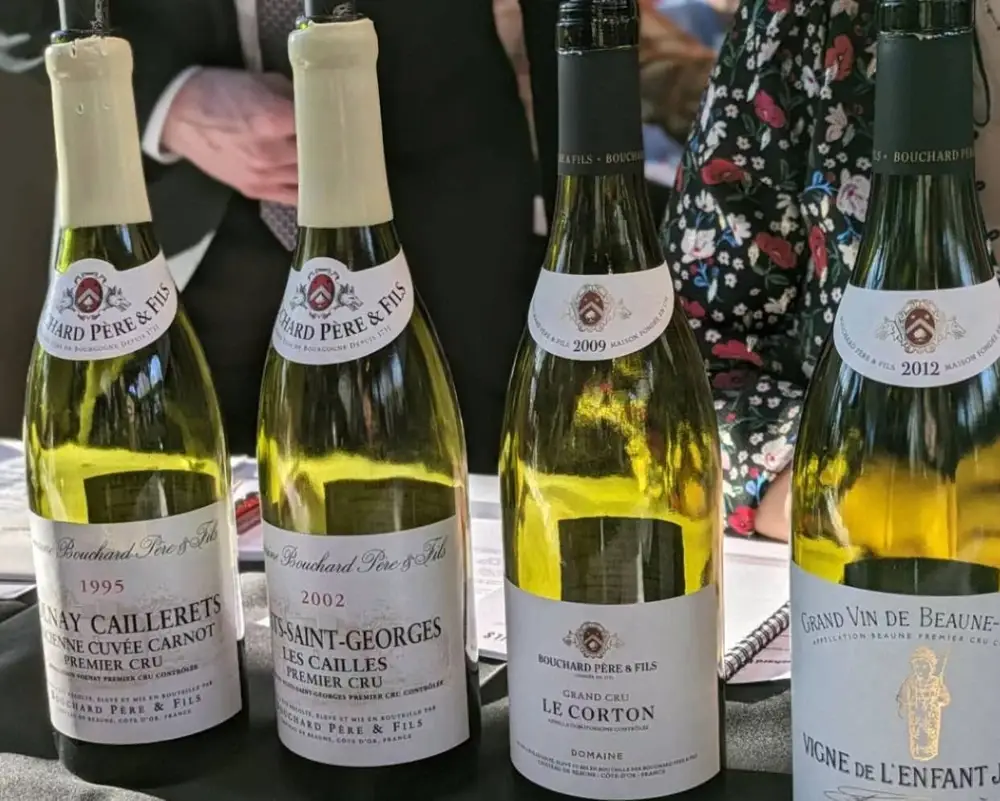
Burgundy's classification isn't about the winery or estate. It's all about the terroir, meaning the specific vineyard site is what counts. One vineyard might be owned by multiple producers, and each producer could make their wine differently. This is why you can have 20 different bottles of wine, all from the same vineyard, but with slightly different personalities.
The Producers: Who's Who in Burgundy
Another layer of Burgundy's “complexity” comes from the sheer number of wine producers. Unlike regions like Bordeaux or Napa, where a few big names dominate, Burgundy is home to hundreds of small, independent producers. This can make it tricky for the novicel wine lover to navigate.
And to make things more confusing, Burgundy has its share of family feuds and inheritance stories, which is why so many producers have similar names. To make things simple, you'll come across two main types of producers:
Négociants: These larger producers buy grapes from smaller growers and make wines under their own label. Négociants often offer a wide range of wines, covering all geographic areas in Burgundy, from affordable everyday bottles to high-end, age-worthy wines. They're a good starting point if you're new to Burgundy and want to explore without taking too many risks.
Vignerons: These are smaller, independent producers who grow their own grapes and make their own wine. Their wines often reflect the personality of the winemaker, offering unique styles and limited production. They're ideal if you're looking for something with a bit more character and personality.
Some producers do both. The famous Leroy has Maison Leroy, the négociant label, and Domaine Leroy, the estate wines. Both are excellent, but each represents a different approach to winemaking.
So, is Burgundy really that complicated? Not if you break it down. At its core, Burgundy is all about Pinot Noir, Chardonnay, and of course, the terroir. Don't let the complicated wine labels scare you off. Burgundy has wines for every budget and experience level. As long as you remember the basics, Pinot Noir for reds, Chardonnay for whites, and a classification system based on vineyard location, you'll be able to explore the region with ease.
Sylvia Ba