How Does Climate Change Reshape the Map of Wine Regions?
We're all aware of the impacts of climate change, but how does it affect the wines you enjoy? The unpredictability of weather patterns is presenting new challenges to winemakers globally. Fluctuating production volumes affect availability and prices, especially for prestigious wine regions, while extreme weather during critical growing seasons and higher alcohol levels lead to rounder, fuller wines. But climate change is doing more than just altering the taste and quality of your wine—it's also reshaping the world's wine map. Traditional wine regions are being forced to adapt, while unexpected areas are becoming the new frontiers of viticulture.

Traditional Wine Regions That Might Disappear
Many of the world's most well-established wine regions, particularly in Spain, Italy, Greece, and southern California, are facing increasing challenges due to climate change. Rising temperatures, prolonged droughts, and frequent heatwaves threaten the very suitability of these regions for viticulture. According to a study by French researchers from INRAE, Bordeaux Sciences Agro, and CNRS, up to 90% of vineyards in coastal and low-altitude areas in these regions could be at risk by the end of the century.
For centuries, vineyards in places like Bordeaux and Tuscany have benefited from moderate climates, but today, many traditional wine regions are seeing record-breaking earlier harvest dates—often by two to three weeks compared to just a few decades ago. This shift has implications for grape ripeness, acidity balance, and sugar levels, ultimately affecting the wine's profile. In addition, extreme weather events such as hailstorms and spring frosts are becoming more frequent, further complicating the wine production process.
Winemakers are seeking higher altitudes in mountainous regions of Spain and Italy, but this will likely only mitigate a portion of the losses. High-elevation areas often have limitations for viticulture, including reduced accessibility for machinery, higher labor costs, and, more importantly, less growing area. While traditional regions are exploring solutions like improved irrigation and planting heat-resistant grape varieties, the future of these historic wine regions remains uncertain.
Germany and England: The Biggest Winners?
On the other hand, some regions are experiencing a boom in wine production thanks to climate change. Germany and England, traditionally too cold for certain grape varieties to reach optimal maturity, are now enjoying more favorable conditions for winemaking.
In Germany, warmer summers have led to the production of richer, fuller-bodied wines. Grapes like Riesling, Pinot Noir, and Pinot Blanc are ripening more consistently, resulting in higher-quality vintages in recent years. While German winemakers are benefiting from these warmer conditions, they also face some downsides, such as the near disappearance of ice wine, which requires winters to hit -7°C for the grapes to freeze properly.
England, once not known for wine, is rapidly becoming a key player in the wine world. Over the past few years, vineyard plantings have increased by 74%, according to WineGB, with regions like Kent, Sussex, and Cornwall producing award-winning sparkling wines from Chardonnay, Pinot Noir, and Pinot Meunier. As warmer temperatures continue to benefit these cool-climate regions, England's wine industry is expanding at an impressive rate, positioning it as one of the fastest-growing wine regions in the world.
How Far North Will It Go?
Traditionally reliant on imported wines, the Netherlands is now seeing its own vineyards expand, with areas under vine growing from 275 hectares in 2022 to 302 hectares today. Most of the country's wine production is focused on white wines—around 76%—with grapes like Riesling and Pinot Blanc leading the way.
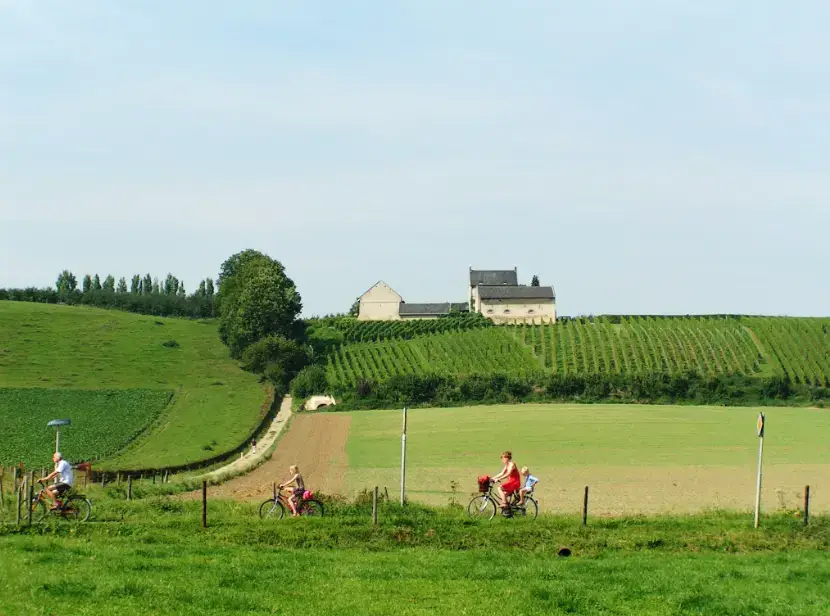
The Limburg and Gelderland regions, benefiting from slightly warmer weather and favorable soil conditions, are becoming the heart of Dutch wine production. While Dutch wines may still be a niche market compared to more established wine regions, the steady expansion of vineyards suggests that the Netherlands could play an increasingly important role in the wine industry as the climate continues to warm. In one or two decades, perhaps the greatest sparkling wine you drink will come from the Netherlands. With climate change continuing, how far north will quality wines be produced?
Climate change is already reshaping the map of wine regions. Climate change is not only pushing Europe's wine map further north but also shifting production from the traditional Mediterranean region to the Atlantic. As regions like Spain, Italy, and Greece face heatwaves and droughts, areas along the Atlantic coast are becoming more suitable for vineyards, thanks to their cooler, more stable climates. Similarly, in North America, traditional wine regions like southern California may become too hot for ideal production, while emerging regions like Finger Lakes in New York, Michigan, Virginia, and British Columbia as promising new wine-growing areas. As vineyards adapt and new regions develop, the global wine landscape will continue to evolve in response to the changing climate.
Sylvia Ba