Best Pinot Noir Under $20
Most Pinot Noir under $20 is forgettable. A good share of it is not, and the difference is no accident. It comes down to a handful of regions worth trusting, the names on a label that reward you, and what a sound bottle should show in the glass. This guide is the shortcut to all three.
Pinot Noir is the most demanding of the great red grapes — thin-skinned, slow to ripen, intolerant of heat or heavy-handed winemaking. The producers who handle it well are not hard to find: a small set of regions, a handful of trustworthy houses, and a few label cues will see you to a bottle worth opening. Look for bright red fruit, fresh acidity and silky tannins — everything else is light red wine wearing a borrowed label.
Key takeaways
Cool-climate regions are the safe bet: Oregon, Sonoma, Marlborough, Burgundy.
Stick to established producers' entry-level bottles.
Look for bright red fruit and fresh acidity, not jammy weight.
Favour the most recent vintage on the shelf.
Drink within one to three years. Cellaring rarely pays at $20.
People also ask from Voss AI:
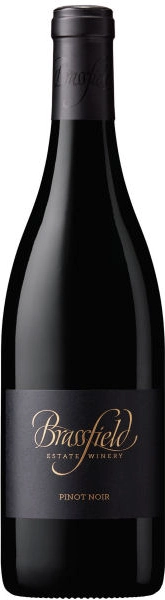
Top pinot noir picks
See all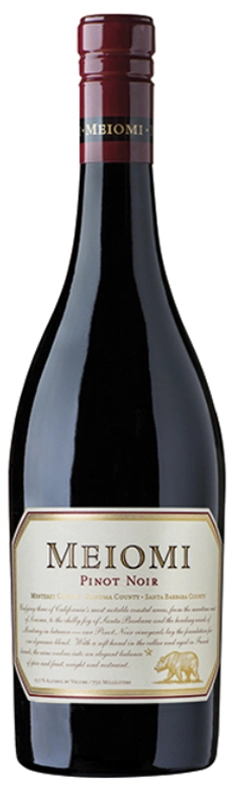
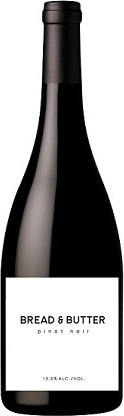

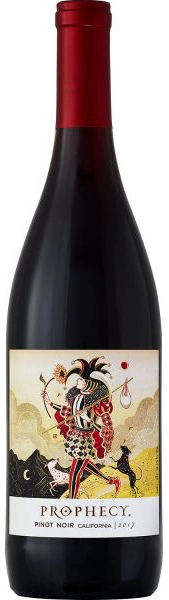
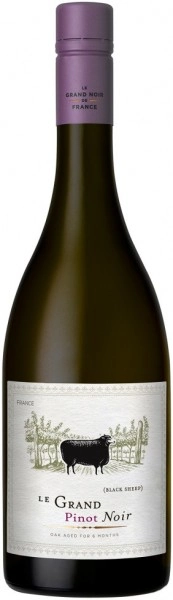
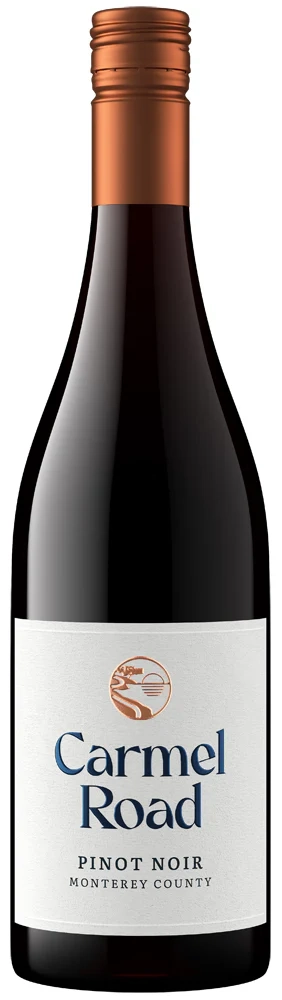
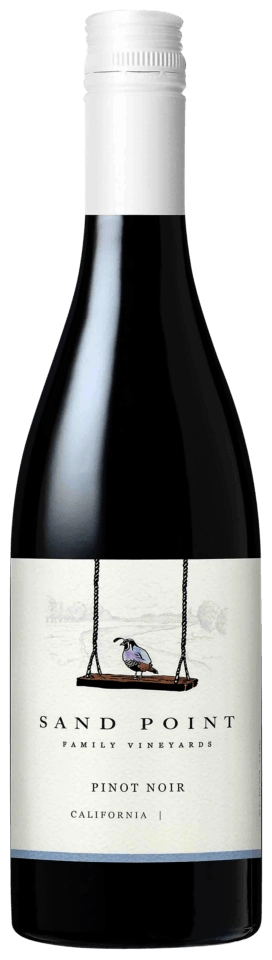

People also ask from Voss AI:
What to look for
Sub-$20 Pinot Noir lives or dies on where the fruit was grown and who made it. Heat is the usual enemy. Very warm sites push the grape towards a soft, over-ripe, jammy style that tires the palate by the second glass, while cooler sites hold on to the acidity and red-fruit perfume that make Pinot worth drinking. That does not mean every warm region fails and every cool one succeeds. It means the cool regions give you better odds, and the warm regions ask you to lean harder on the producer's name.
Oregon is the most consistent source of $15 to $20 Pinot in the United States. Wide swings between day and night temperatures and air drawn off the Pacific preserve the grape's red-fruit signature, and several large but quality-minded houses keep an entry-level bottle in the range while their single-vineyard wines sell for a good deal more. The cheaper bottle is not a different company; it is the same cellar working with younger vines and broader sourcing.
Burgundy looks expensive until you reach its regional tier. Generic Bourgogne and village bottlings from the large négociant houses regularly sit between roughly $18 and $22, and they carry genuine Burgundian character: more savoury than fruity, with the forest-floor note that Pinot lovers chase. The grand cru and the Bourgogne come from the same house and the same cellar philosophy, though the humbler bottle is made from humbler and more widely sourced fruit. Pour it with mushrooms or game and it behaves above its price.
Marlborough is the choice when you want fruit you can see from across the room. New Zealand's Pinot at this level offers vivid red plum, a floral lift and a touch of cracked pepper, a brighter and more obvious style than Oregon or Burgundy. It is the bottle to open for guests who do not usually reach for red, or alongside a dish with some spice.
Two further sources deserve a place on your list, because they quietly solve the value problem. Chile, in the coastal cool of Casablanca and San Antonio, and the high ground of Argentine Patagonia, make honest, often organic Pinot from around $12 to $18. And southern France, the Pays d'Oc in particular, has become a serious source of inexpensive Pinot: Mediterranean sun ripens the fruit while altitude and night-time cooling keep it fresh. None of these carries the prestige of Burgundy, which is precisely why the wine costs what it does rather than more.
Producers to trust at this tier
The single most reliable shortcut is to buy an established estate's entry-level bottle. A producer who has spent years building a reputation on $40 to $60 wine has a great deal to lose by putting its name on a $15 bottle that disappoints, so the cheaper wine is held to a standard the anonymous bulk label never has to meet. Quality at the top tends to hold up the bottom. The bottles to be wary of are the ones with no track record above the budget shelf at all, built for shelf turnover rather than for drinking.
A label cue helps here. On American Pinot, a specific place name, Russian River Valley or Sonoma Coast rather than a broad statewide "California", tells you the producer chose to be judged on a particular site. It is not a guarantee, and a broad appellation is not a disqualification, but the narrower the named place, the more often the wine has earned it. The cooler edges of Sonoma are where this label cue pays off most reliably.
One practical habit is worth mentioning. Once a bottle has proved itself, buying a case of six or twelve usually lowers the price per bottle by something like 10 to 15 percent, and it spares you the weekly hunt along the shelf. Since Pinot at this price is best drunk young, a case sized to how quickly you actually drink is rarely a gamble.
Vintage and bottle-age advice
Pinot Noir at this price is built for near-term pleasure. Most $15 to $20 bottles are at their best within about two years of release, and the sensible instinct at the shelf is to reach for the most recent vintage on offer. A small number of regional Burgundies and single-district Oregons will take another two or three years and repay it with softer, more savoury complexity, but they are the exception rather than the rule. If you do decide to keep a bottle, lay it on its side somewhere with a steady temperature around 12 to 14 degrees Celsius. Otherwise drink it within a year of buying and you will rarely be disappointed.
Vintage matters less here than it does for serious wine, but it has not vanished. Pinot is sensitive to its growing season, and an occasional difficult year, a wildfire summer on the American West Coast or a washout harvest anywhere, can leave a mark even on inexpensive bottles. This is the other reason a producer's name earns its keep: a good house manages a poor year far better than a bulk operation does. Buy recent, buy from someone with a reputation to protect, and the vintage will largely look after itself.
How we picked these wines. Every bottle below is in stock today and ranked on critical consensus and price-to-value against its peers. Placement is never paid for, and any merchant relationship is disclosed.
Food pairings
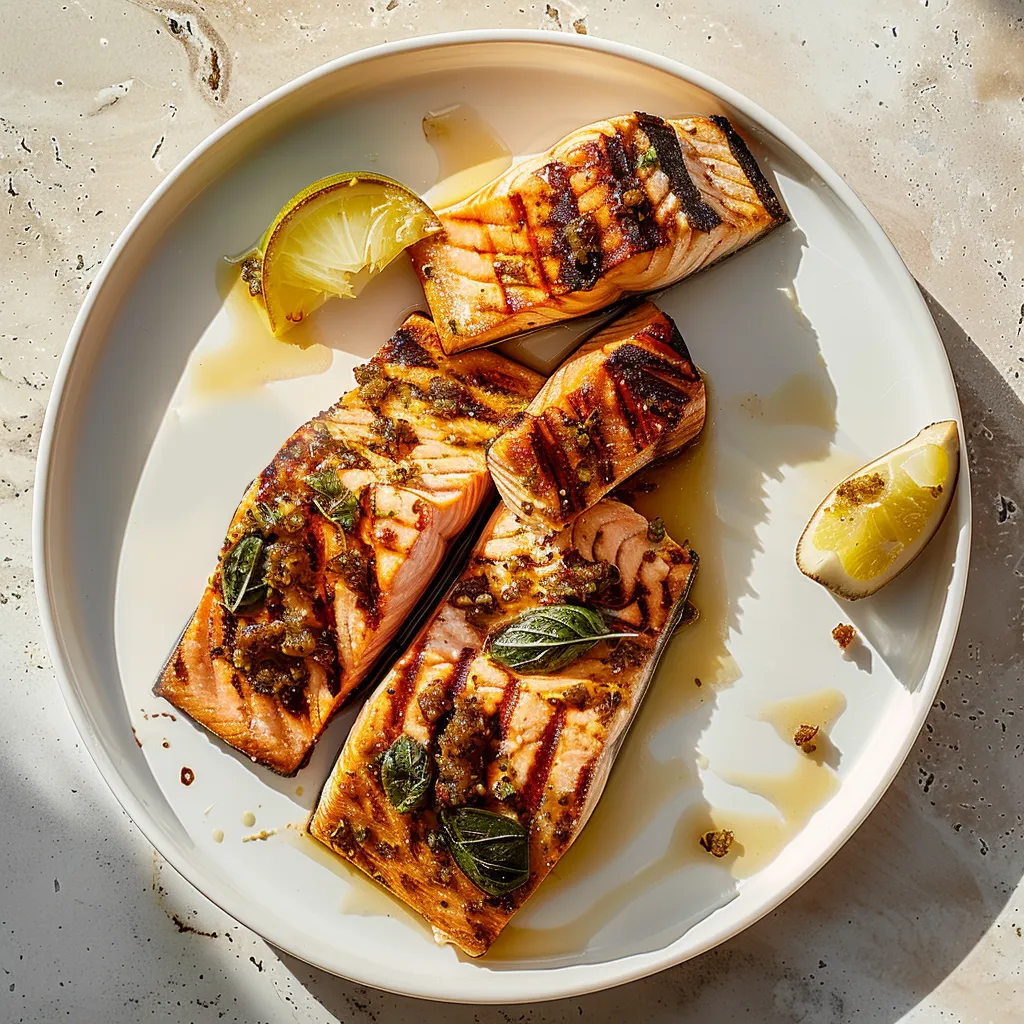
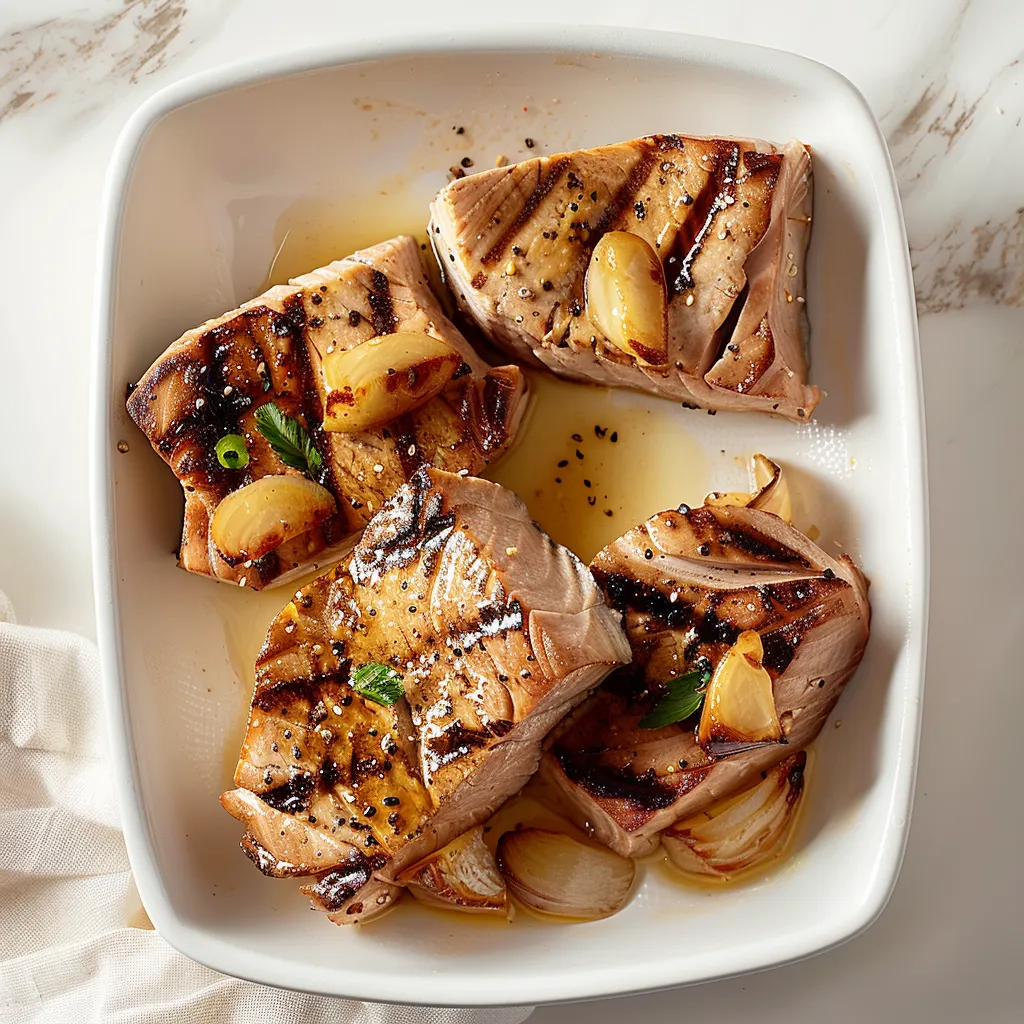
Grilled salmon
Bright acidity cuts through fatty fish without overwhelming. Grilled, baked, or seared all work; skip blackened, the smoke fights with the wine.
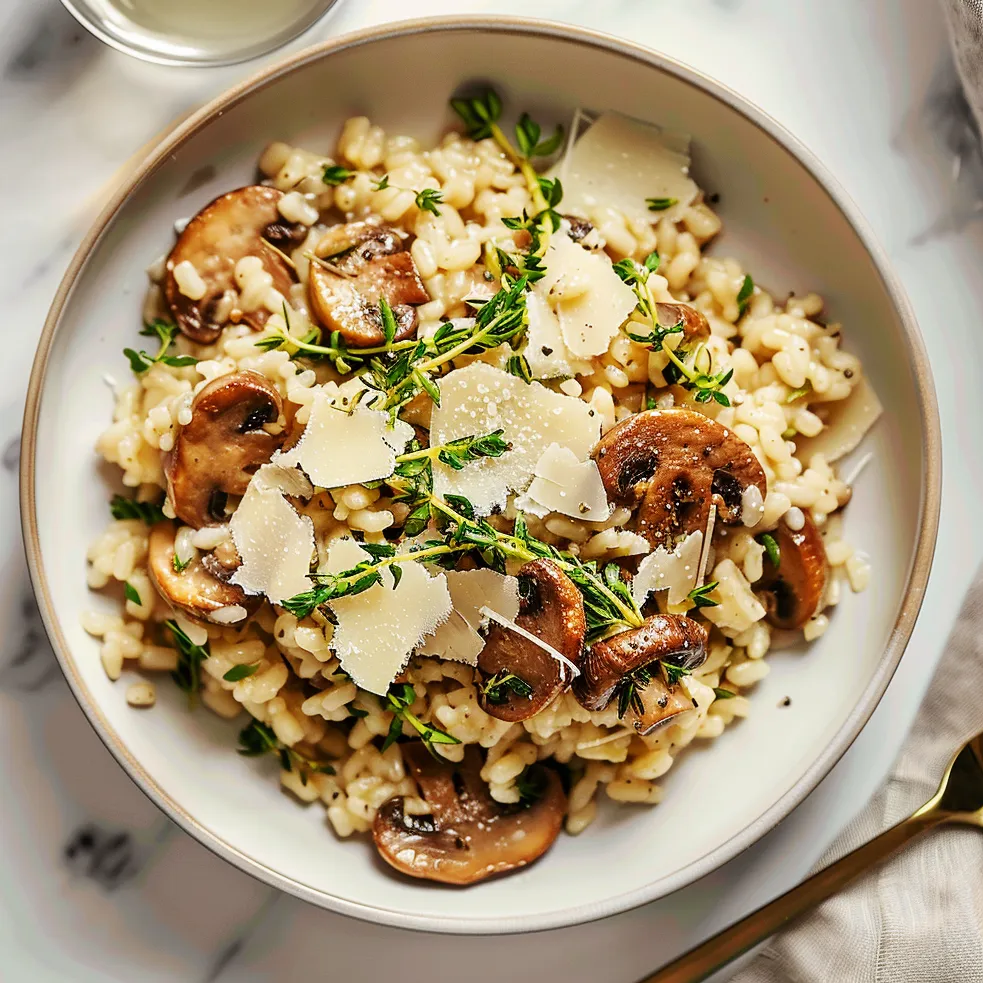
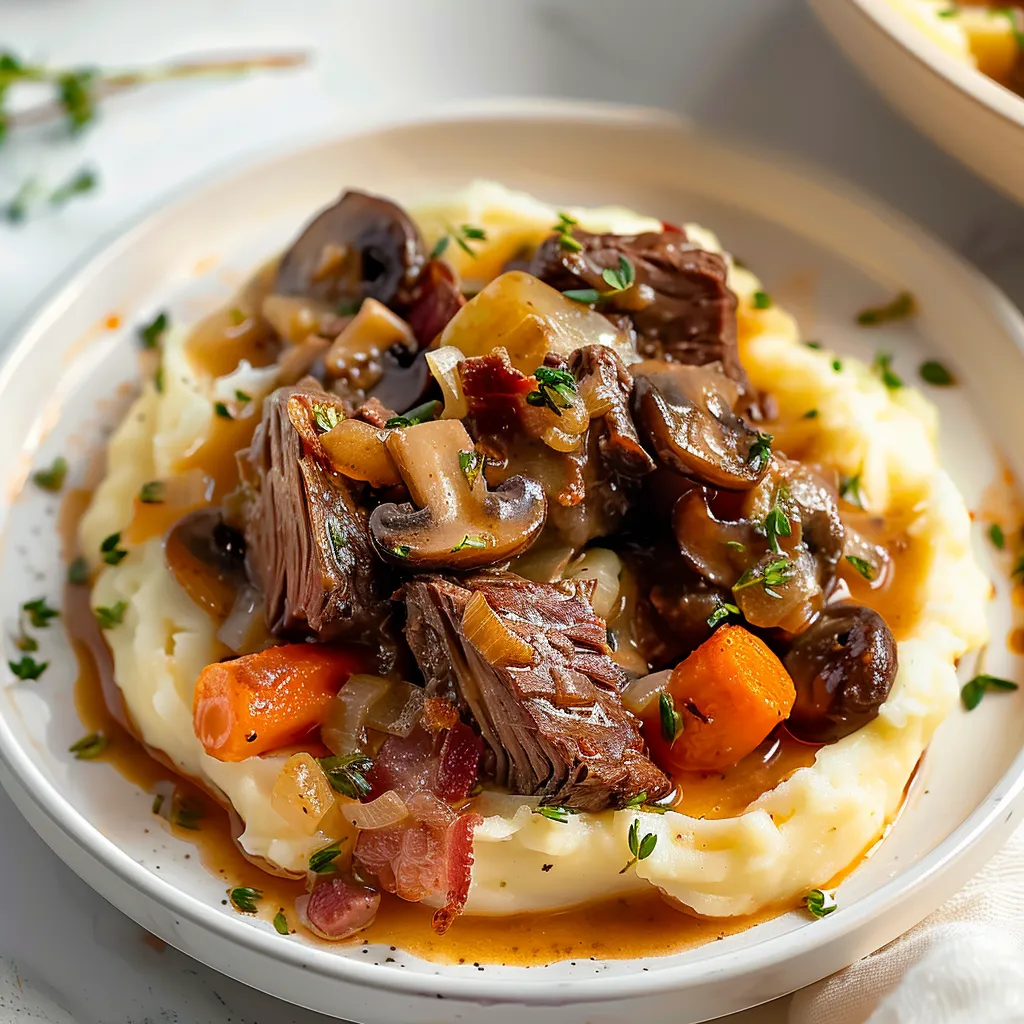
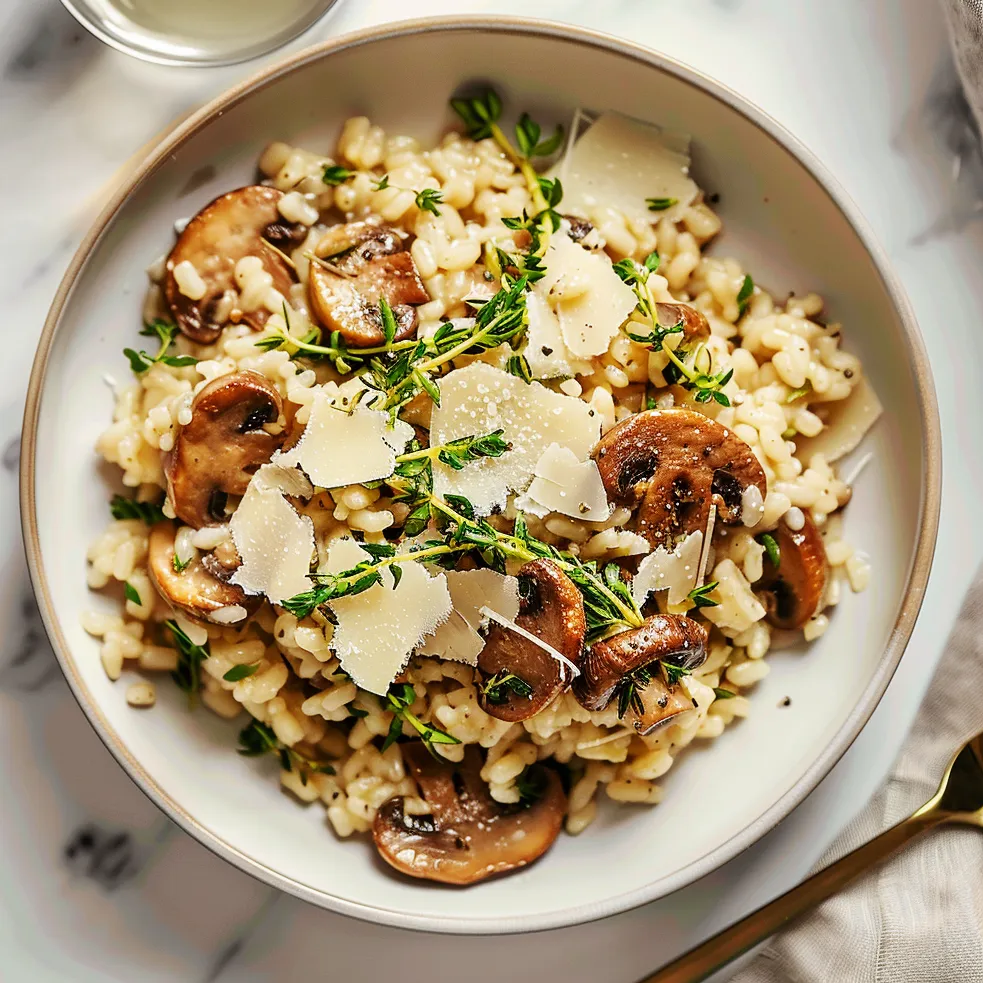
Mushroom risotto
Earthy notes in cool-climate Pinot echo the umami in mushrooms. A near-perfect match across price tiers.
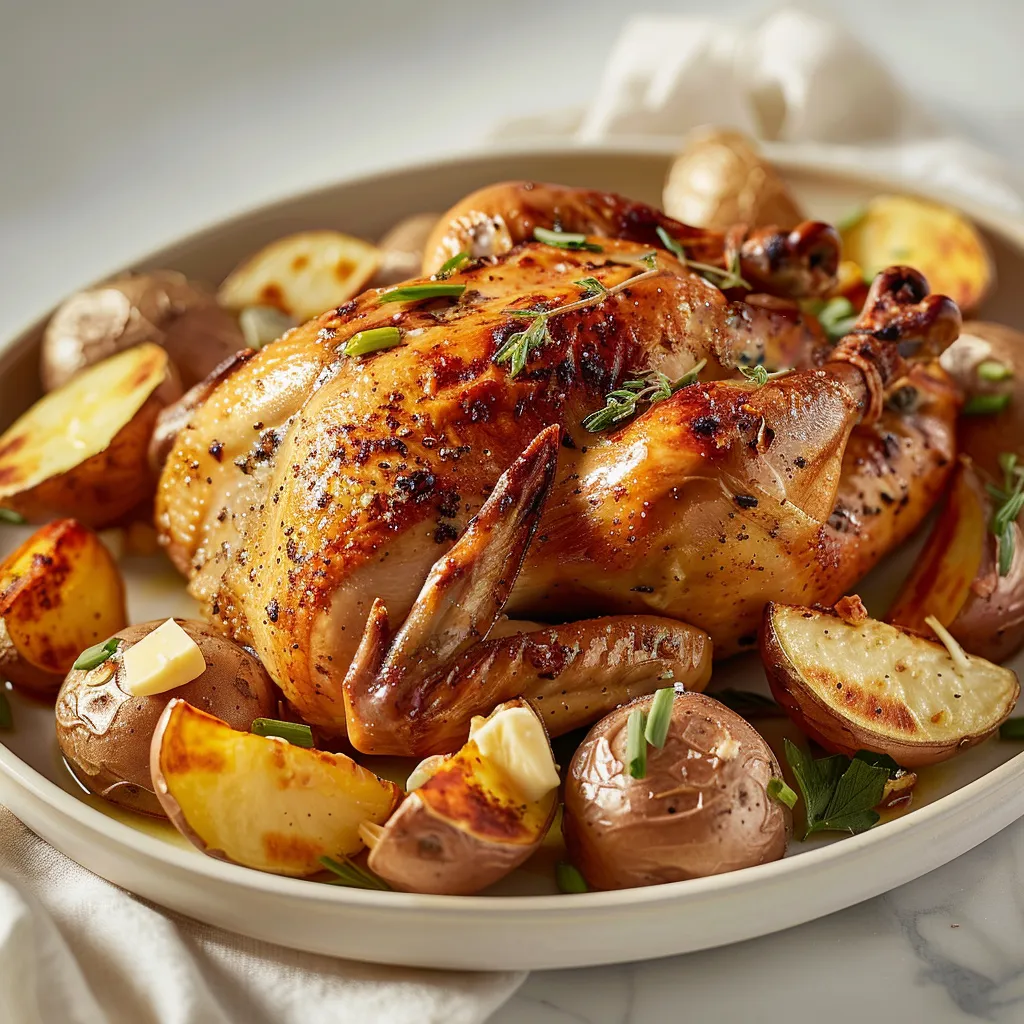
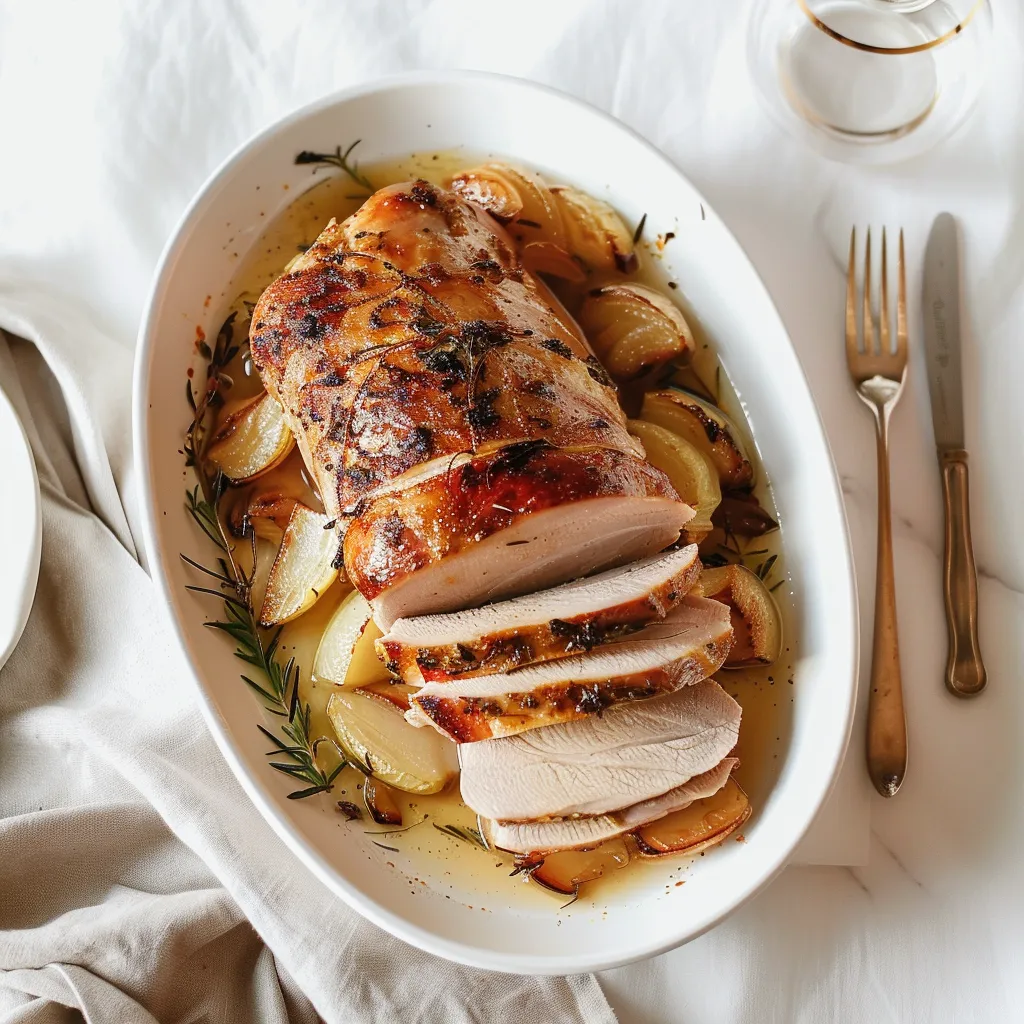
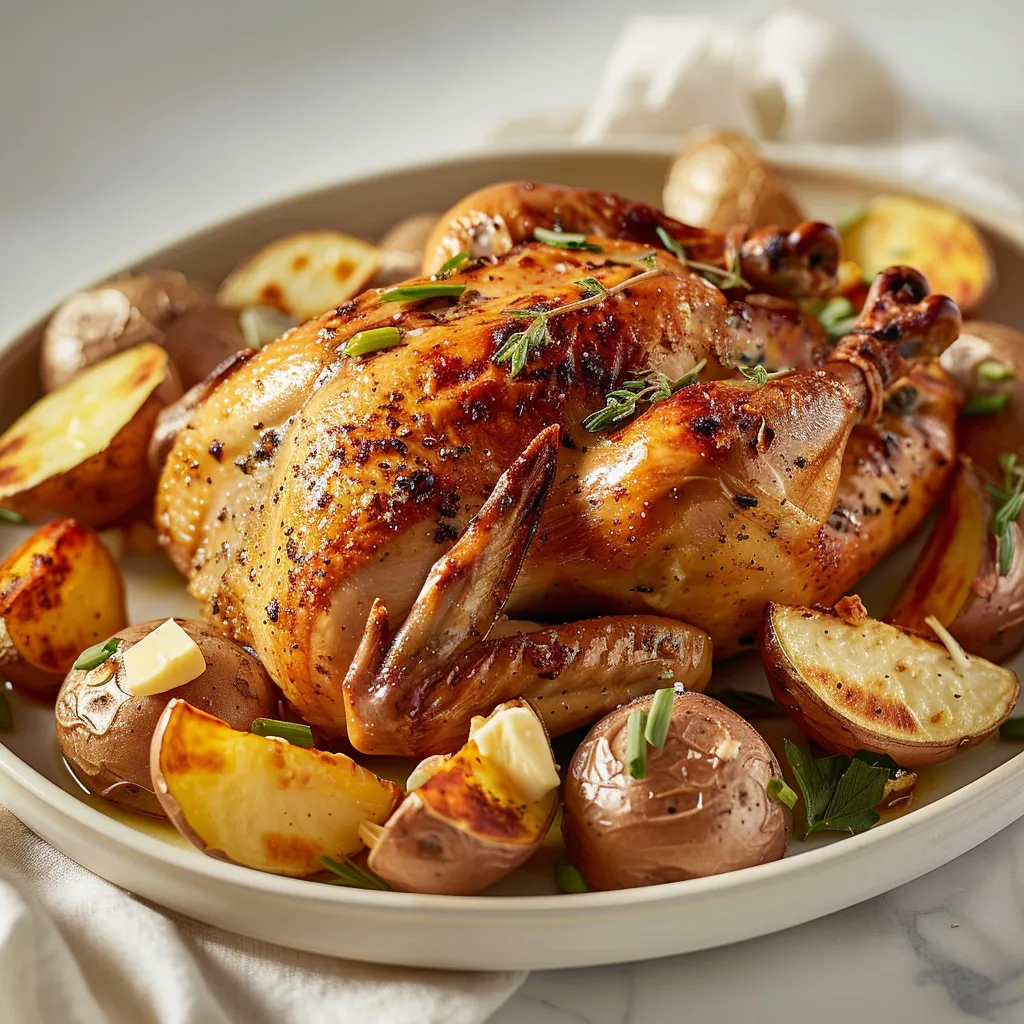
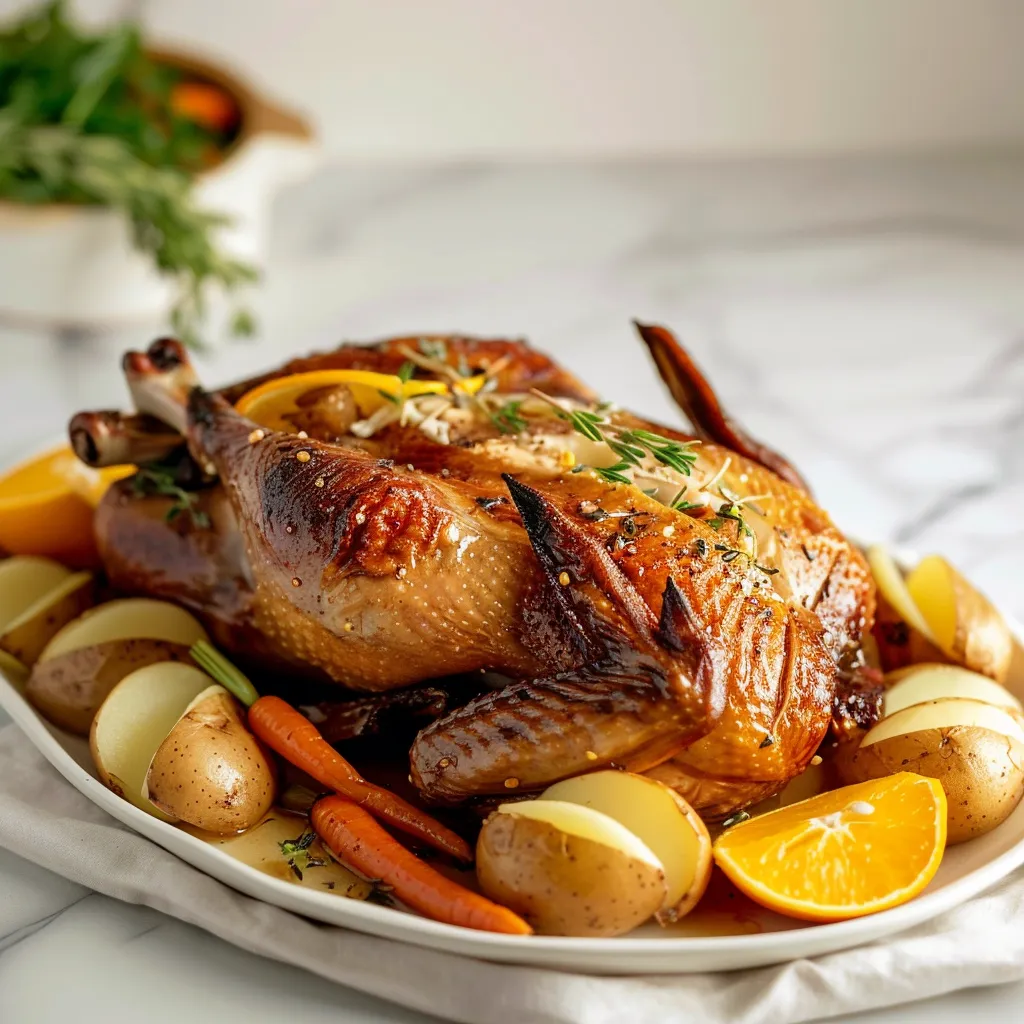
Roast chicken
The classic, low-risk pairing for Pinot at any price. Acidity handles rich skin and pan juices; red-fruit notes lift white meat.
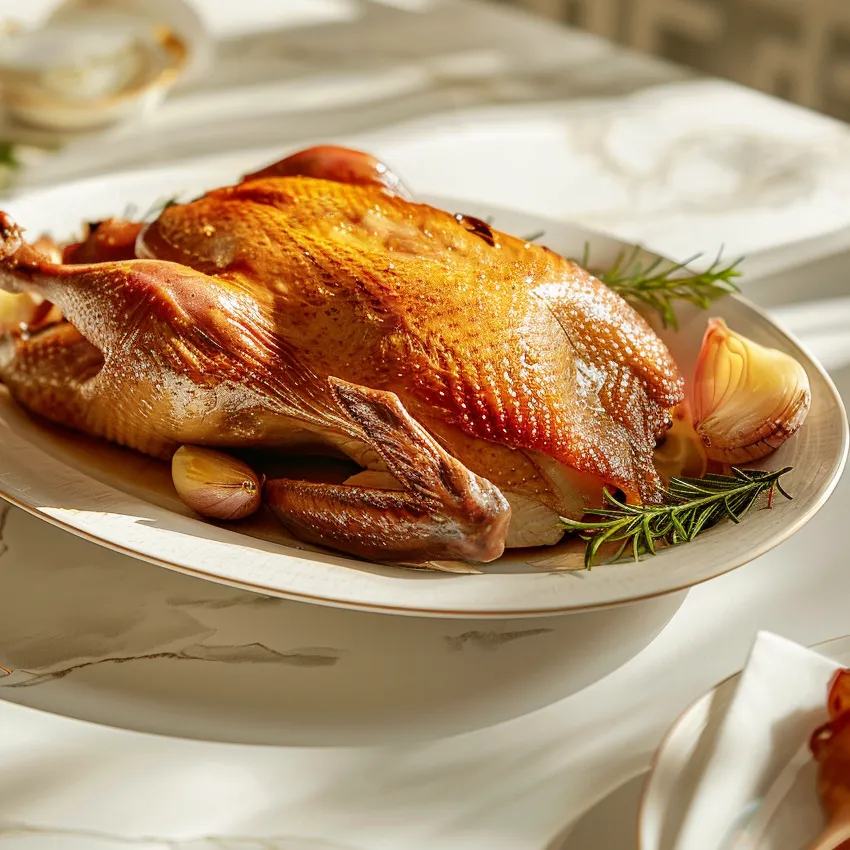
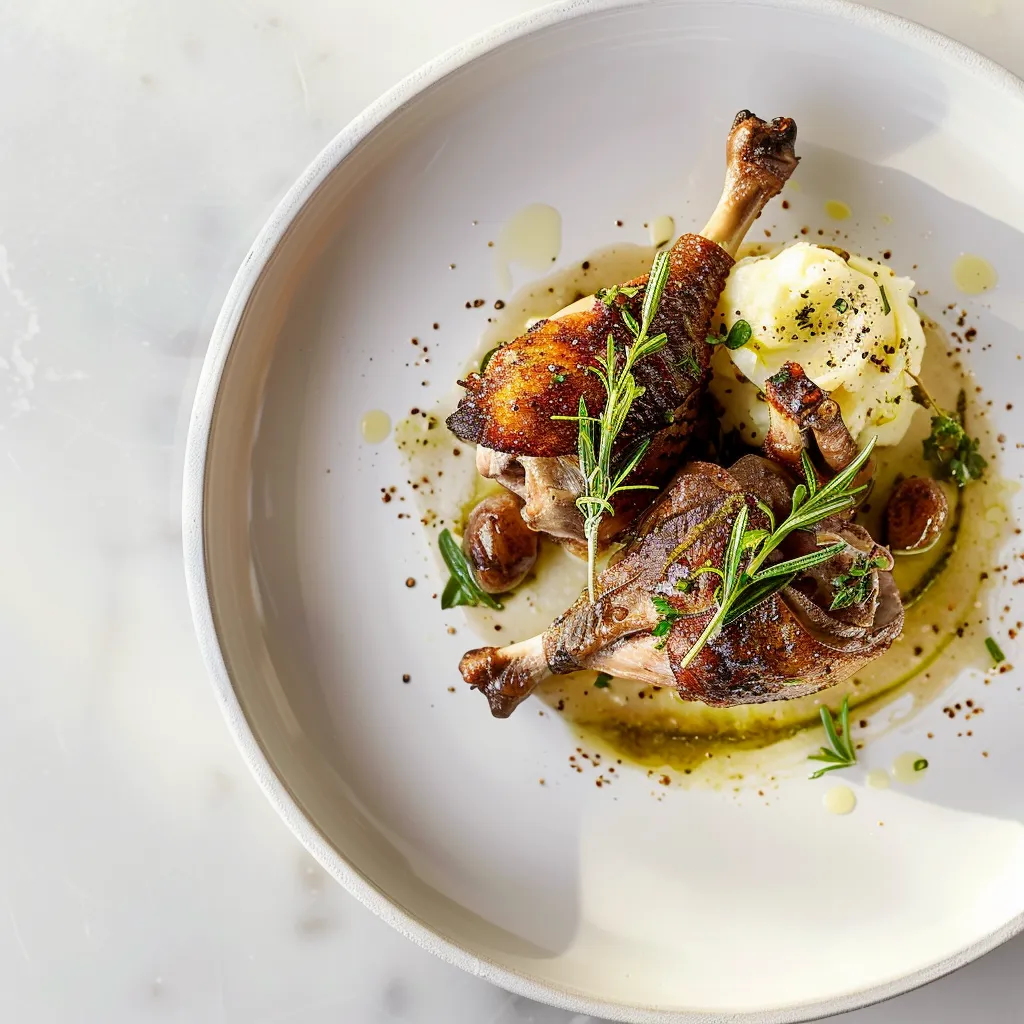
Roast duck
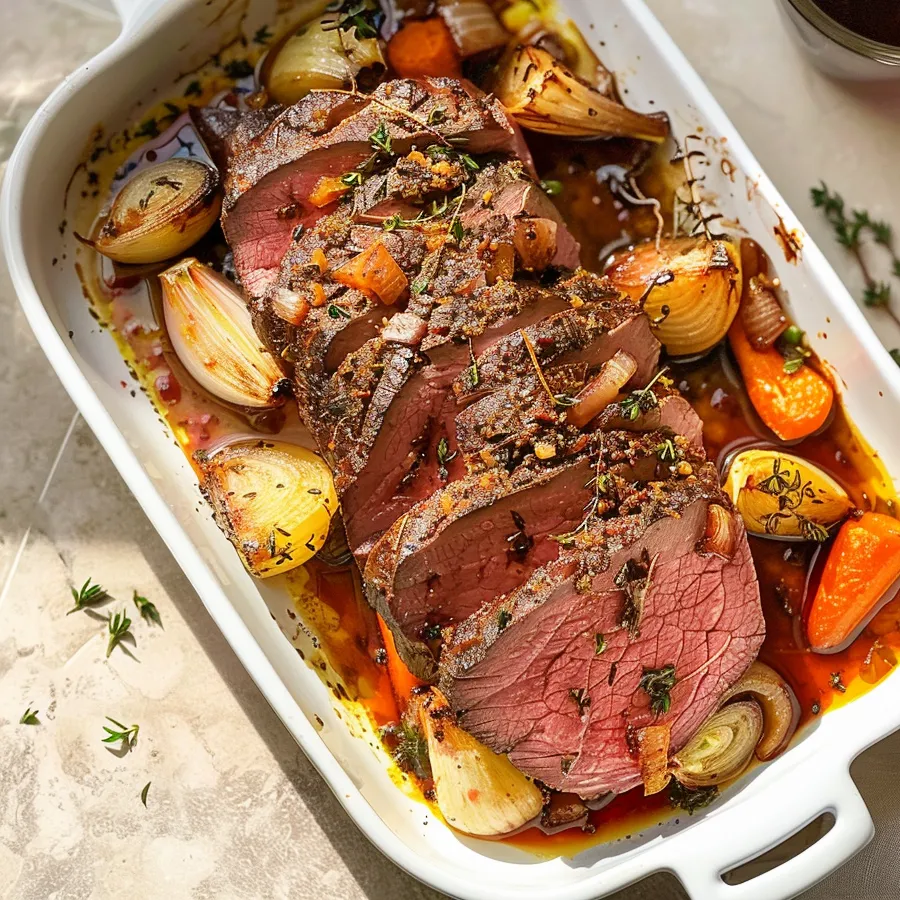
Duck breast with a fruit reduction is what Pinot Noir was made for. Even a $15 bottle holds its own here.
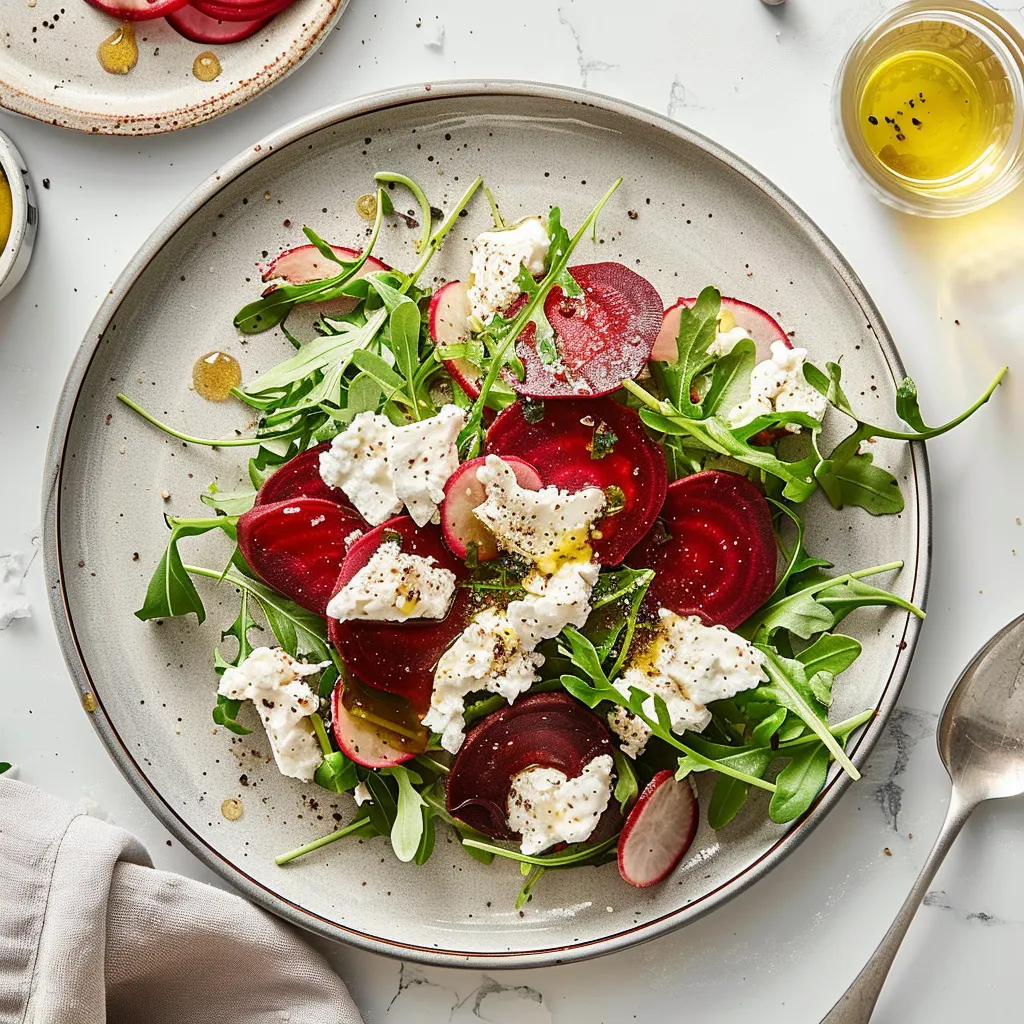
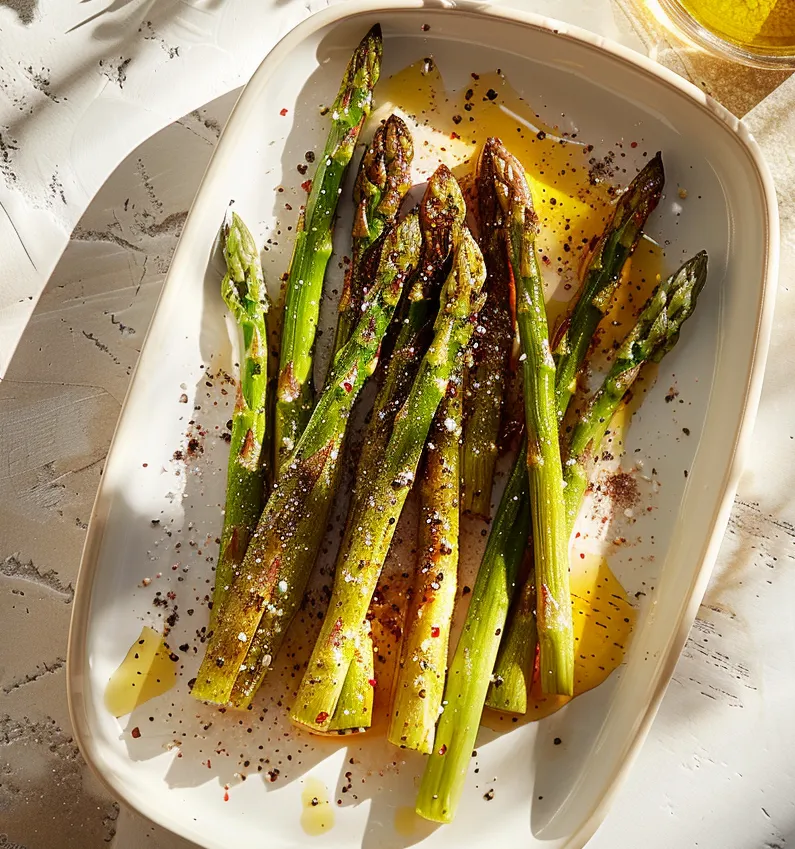
Beet and goat cheese salad
Earthy beet plus cherry fruit in the wine; the goat cheese acidity meets the wine's. Vegetable-forward dishes pair surprisingly well with Pinot.
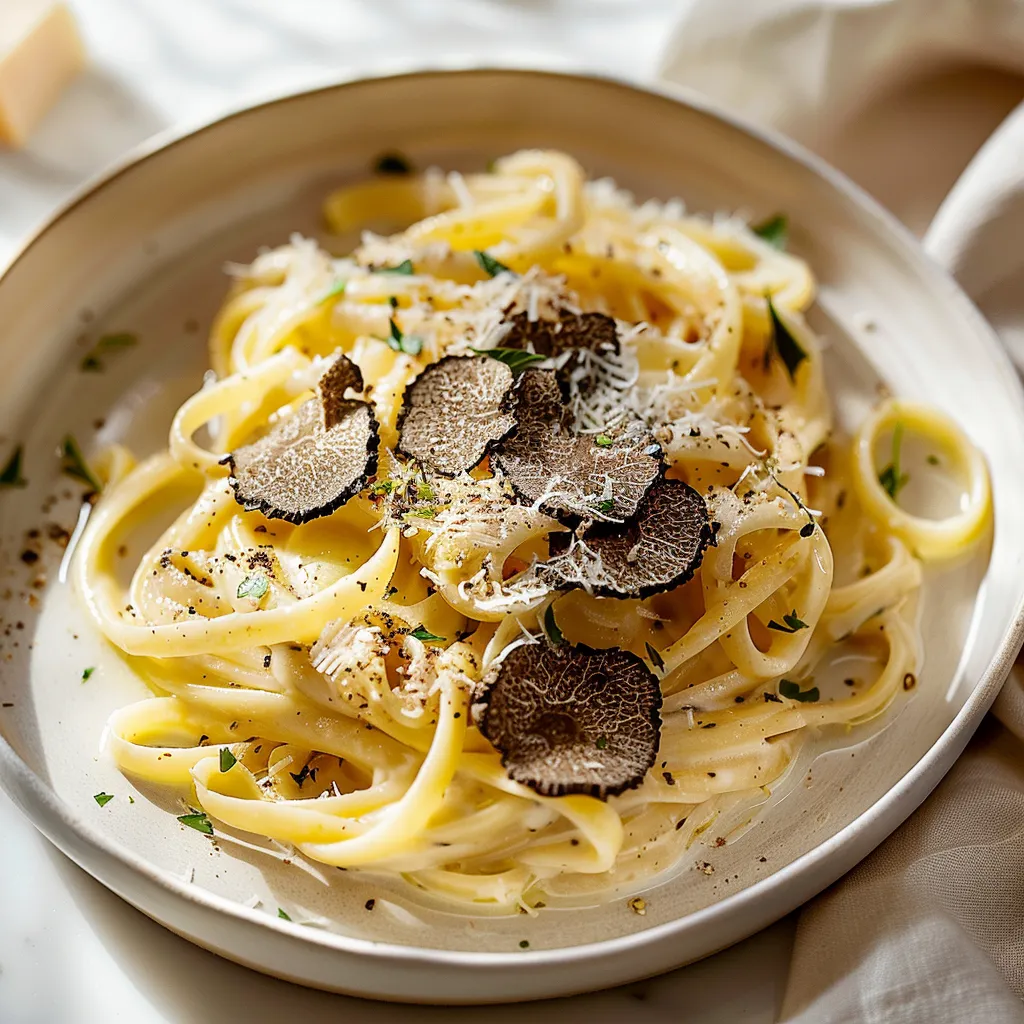
Truffle pasta
Truffle finds its echo in mature Pinot's forest-floor notes. Works particularly well with Burgundian-style picks.
How to shop pinot noir
Five patterns worth trusting when you are standing in front of the shelf. They cover where to look, what a label is telling you, and what to leave behind.
Established producers, entry-level bottles
Houses with serious top-tier wine apply the same cellar to their cheapest cuvée. In Oregon and Sonoma, look for A to Z Wineworks, Erath, Cloudline, Mark West, and La Crema.
Entry-level Burgundy
Large négociants like Louis Latour, Joseph Drouhin, Bouchard Père et Fils and Mommessin sell regional Bourgogne at around $20 — same cellar as the grand cru, savoury and earthy.
New Zealand value labels
Marlborough delivers the brightest, most aromatic style at this price. Kim Crawford, Whitehaven and Brancott Estate sit under $20 with red plum, floral lift and a touch of pepper.
South America and southern France
Chile (Casablanca), Argentine Patagonia and southern France's Pays d'Oc all deliver honest Pinot from $12 to $18 — Cono Sur, Veramonte and Trapiche turn up reliably, often organic.
Buy by the case
Once a producer has earned your trust, a case of six or twelve lowers the unit cost and spares the weekly shelf hunt. Pinot drinks best young, so case-sizing matches your habit.
Frequently asked
Can you really get good Pinot Noir under $20?
Yes, though it rewards a little knowledge. Cool-climate sources such as Oregon, the western edge of Sonoma, Marlborough and entry-level Burgundy give you the best odds, and skilled producers in warmer regions, including southern France and coastal Chile, succeed too. The bottles to leave behind are the anonymous, jammy, over-ripe ones with no track record. Stay with established producers and recent vintages and a $20 Pinot will give you a real measure of the grape's character.
Which countries make the best cheap Pinot Noir?
The United States, and Oregon above all, France through regional Bourgogne from the large négociants, and New Zealand from Marlborough lead the field. Chile and Argentina are quietly competitive and often better made than their modest prices suggest. The common thread is climate: Pinot needs cool nights to keep its acidity and perfume, so the most dependable bottles come from regions, or sites within regions, that provide them.
How long can I keep a $20 Pinot Noir?
Most are at their best within one to three years of release. The better regional Burgundies and single-district Oregons may improve for another two or three years, softening and turning more savoury, but they are the exception. A useful rule: if a $20 Pinot does not please you on the first taste, it is unlikely to improve in a cupboard.
What foods pair best with Pinot Noir under $20?
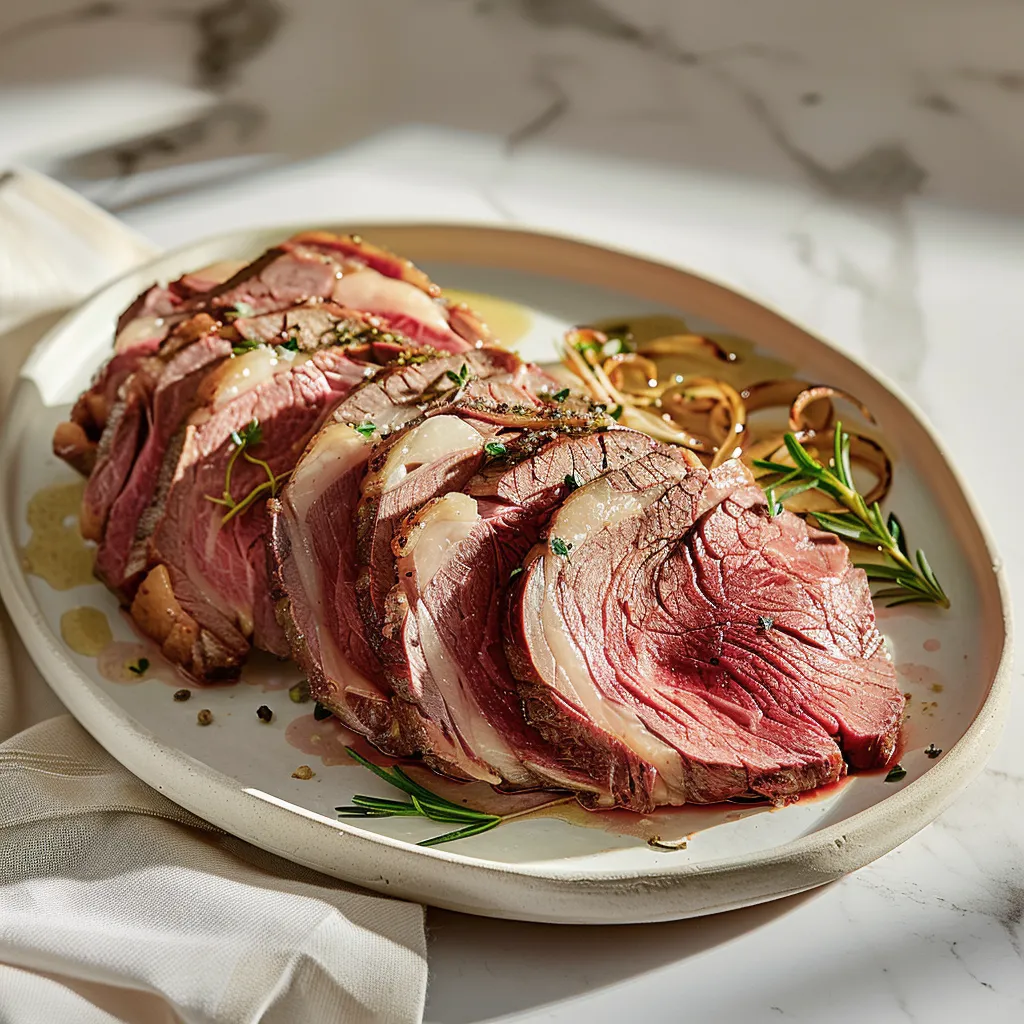
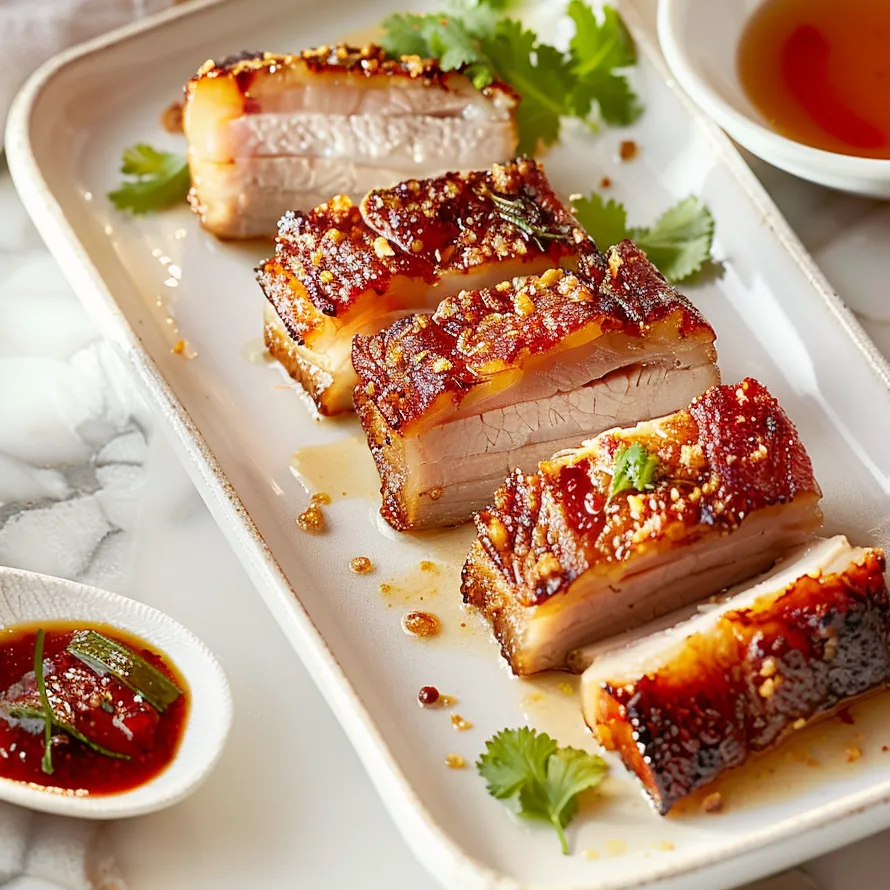
Pinot is the most accommodating red on the table. Salmon, duck, roast chicken, mushroom dishes and soft cheeses all work, because the wine's acidity and fine tannins handle richer food without overwhelming it. With the brighter styles from Marlborough or Chile, lean towards charcuterie and grilled vegetables; with a richer Oregon bottle, move up to duck breast or roast pork.
Should I decant Pinot Noir under $20?
A short rest in a decanter, fifteen or twenty minutes, helps a tight young Pinot, particularly New World examples that can show a little oak grip on opening. Older and more delicate, perfumed bottles are better poured straight from the bottle. Decanting for too long flattens the aromatics that give Pinot its appeal.
What is the best Pinot Noir under $20 for a dinner party?
Choose a crowd-pleasing style: bright red fruit, silky tannins and no aggressive oak. A Marlborough bottle, or an Oregon one in an open, fruit-led style, both qualify. They serve at cool room temperature, suit most main courses and need no explanation at the table. As a starting quantity, allow one bottle for every two guests.
Glossary
- Bourgogne AOC
- Burgundy's regional appellation, the entry level of Burgundian Pinot Noir and the home of most affordable French Pinot.
- Diurnal swing
- The gap between daytime and night-time temperature. Wide swings, common in good Pinot country, preserve acidity and aromatic complexity through the growing season.
- Sub-AVA
- A defined smaller region within a larger American Viticultural Area, such as Russian River Valley within Sonoma County. A narrower place name on the label is generally a sign of care.
- Forest floor
- A savoury, earthy aroma that recalls damp leaves and mushrooms. It is typical of more mature Burgundian Pinot Noir and a sign that bottle age is developing well.
- Négociant
- A French merchant house that buys grapes or finished wine from growers and bottles it under its own name. The major Burgundy négociants are the source of most affordable Bourgogne.
- #best-pinot-noir-under-20
- #cheap-pinot-noir-under-20
- #affordable-pinot-noir
- #pinot-noir-under-20
- #value-pinot-noir