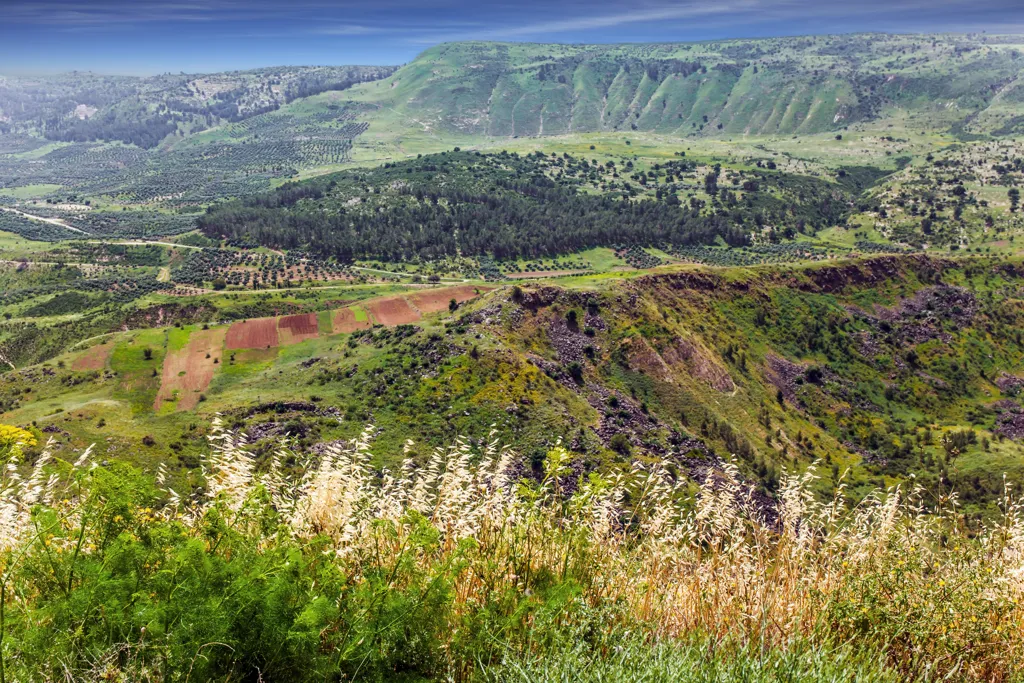
Northern Jordan
Ancient Jordan, nestled between Israel, Iraq, Saudi Arabia, and Syria, traces its wine production roots to Nabatean times, influenced by neighboring wine-producing cultures like Georgia and Persia. Evidence suggests Jesus and his disciples may have consumed Jordanian wine at the Last Supper, possibly from Umm Qais in northern Jordan. After centuries, modern wineries emerged in the late 1970s, led by the Haddad Distilling Company, reviving Jordan's wine industry with homage to its ancient heritage.
Jordan's wineries showcase a diverse array of grape varietals, predominantly Vitis vinifera species. For white wines, Chardonnay, Chenin Blanc, Muscat, Pinot Gris, and Gewürztraminer thrive in the arid yet mineral-rich soils. Meanwhile, red wine enthusiasts can savor Pinot Noir, Merlot, Shiraz, and Cabernet Sauvignon. These varietals, coupled with the region's distinct terroir, yield wines of exceptional quality, promising delightful complexity and character.
Jordan's wineries showcase a diverse array of grape varietals, predominantly Vitis vinifera species. For white wines, Chardonnay, Chenin Blanc, Muscat, Pinot Gris, and Gewürztraminer thrive in the arid yet mineral-rich soils. Meanwhile, red wine enthusiasts can savor Pinot Noir, Merlot, Shiraz, and Cabernet Sauvignon. These varietals, coupled with the region's distinct terroir, yield wines of exceptional quality, promising delightful complexity and character.
Jordan's winemaking heritage traces back to antiquity, with evidence suggesting wine consumption during biblical times, including Jesus's purported consumption of Jordanian wine at the Last Supper.