Liliorila
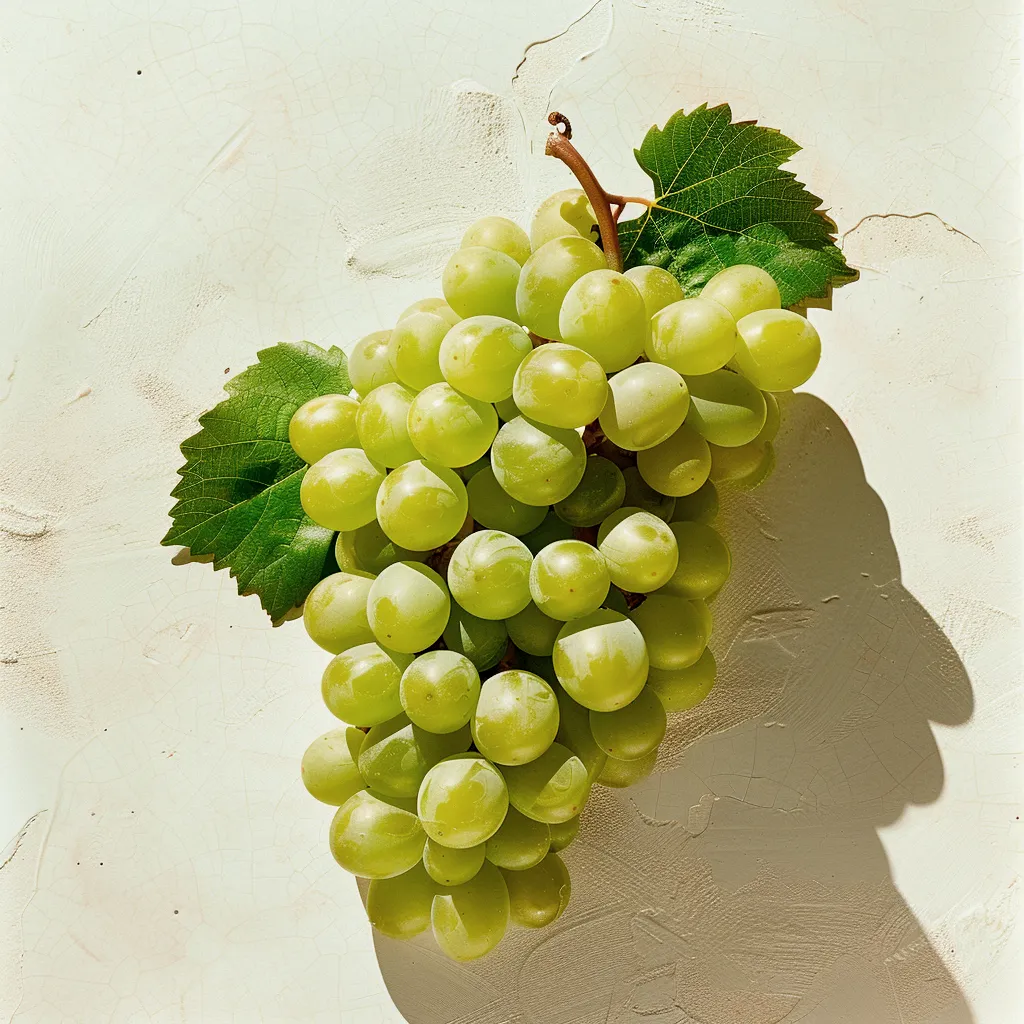
Liliorila is an intraspecific cross between Baroque Blanc and Chardonnay, created in 1956. It is primarily found in the wine-growing regions of the South-West Atlantic in France, and is listed on the Catalogue of Grape Varieties in List A. Liliorila produces medium-sized, compact bunches with small, spherical, golden-yellow berries. The variety is recognized for its fragrant, aromatic character, contributing to wines with rich alcohol content and a smooth, slightly fat texture.
Liliorila wines are aromatic, with honeyed notes and a characteristic fruity profile. They are typically rich in alcohol, with a smooth mouthfeel and low acidity. The wines are powerful and can be quite fat, making them ideal for the production of sweet wines. The distinctive honey aroma adds a unique quality to the wine.
Liliorila is mainly cultivated in the South-West Atlantic regions of France. It buds slightly later than other varieties, just a few days after Chasselas, and has a medium to low vigor. The variety’s yield is regular and moderate, but it is susceptible to grey rot. The first ripening period is average, and it is most commonly used to produce aromatic, alcohol-rich wines.
Although not widely known, Liliorila is particularly well-suited for producing sweet wines thanks to its rich, aromatic profile and ability to produce high alcohol content.
Its honeyed aroma is a distinctive feature, making it a favorite for dessert wine production in the region.